










Wedding Altar Ideas: Creating the Perfect Ceremony Backdrop for Your Big Day
The wedding altar is the heart of your ceremony — the sacred focal point where two people stand together and make their most meaningful promises. Whether you envision a romantic floral arch, a rustic wooden structure draped in greenery, or an elegant minimalist frame, the altar sets the tone for everything that follows. It is the backdrop for your most-photographed moments, the visual anchor your guests will remember, and the stage upon which your love story takes center stage. Choosing or designing the right altar is one of the most rewarding creative decisions you will make in your wedding planning journey.
In recent years, couples have moved far beyond the traditional church altar, embracing outdoor settings, non-religious ceremonies, and deeply personalized designs that reflect their unique personalities and relationships. From bohemian garden weddings adorned with wildflowers and macramé to sleek modern ceremonies featuring geometric metal arches, the possibilities are genuinely limitless. The altar has evolved into a true design statement, and with the right inspiration and planning, yours can be nothing short of breathtaking.
This guide will walk you through everything you need to know about wedding altars — from popular styles and structural options to floral design, seasonal considerations, DIY tips, and professional advice. Whether you are working with a planner, a florist, or building something entirely on your own, the ideas and insights here will help you create a ceremony space that feels both intentional and unforgettable.
Popular Wedding Altar Styles and Themes
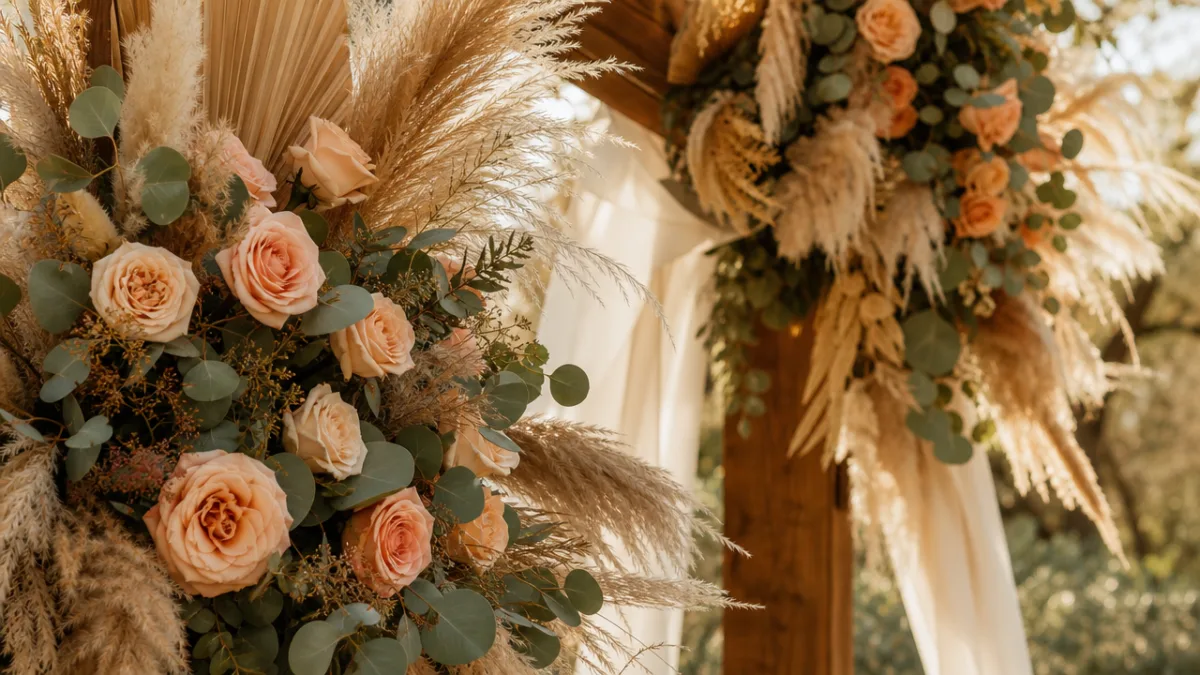
The first step in designing your wedding altar is identifying a style that resonates with your overall wedding aesthetic. The most beloved altar styles today range from lush romantic arches overflowing with roses, peonies, and trailing greenery to minimalist wooden frames accented with a single variety of bloom. Each style carries its own mood and visual language. A floral arch in soft blush, ivory, and sage conveys timeless romance, while a pampas grass installation with dried botanicals speaks to a more earthy, bohemian sensibility. Understanding what appeals to you visually and emotionally is the foundation of great altar design.
Rustic and natural altars remain perennially popular, especially for outdoor ceremonies in barns, vineyards, forests, and garden settings. These designs often incorporate raw wood arbors, antique doors, birch branches, or repurposed ladders draped with florals and fabric. The warmth and organic texture of natural materials create an inviting atmosphere that photographs beautifully in golden-hour light. Couples who lean toward this aesthetic frequently incorporate seasonal wildflowers, moss, ferns, and even locally sourced branches to make the altar feel rooted in its environment and deeply personal.
On the other end of the spectrum, modern and geometric altar styles have surged in popularity among design-forward couples. Hexagonal frames, asymmetric arches, and sculptural metal structures offer a clean, architectural quality that pairs beautifully with contemporary florals or even purely textile-based décor. These altars photograph with striking visual impact and work especially well in urban venues, art galleries, and industrial event spaces. Whether finished in matte black, brushed gold, or left as raw steel, geometric altars make a confident design statement without overwhelming the couple at center stage.
Boho and Garden-Inspired Altars
Bohemian altars embrace an effortless, free-spirited aesthetic that feels as though it grew organically from the earth. Macramé hangings, feathers, dried grasses, hanging crystals, and cascading florals in warm terracotta, rust, and blush tones are hallmarks of this style. These altars work beautifully in open fields, desert landscapes, and enchanted forest settings where the surrounding environment becomes part of the design. The boho altar invites a sense of wanderlust and whimsy, making the ceremony feel like a gathering of soulmates rather than a formal event.
Classic and Traditional Altar Designs
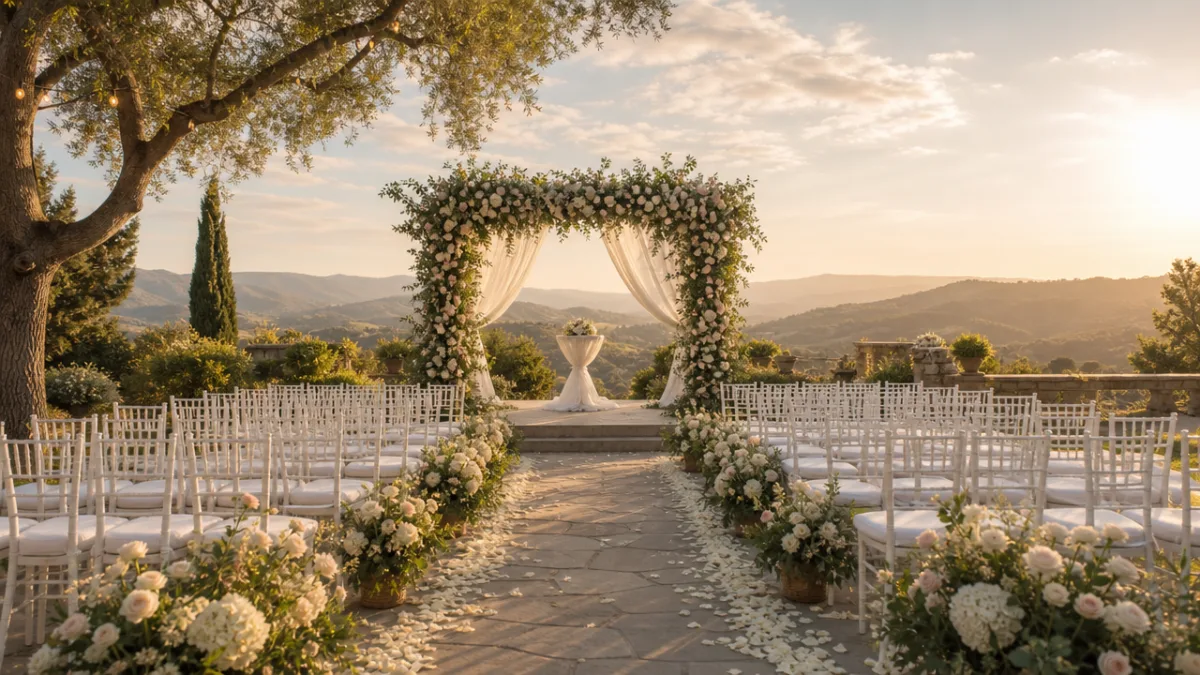
For couples who prefer timeless elegance, classic altar designs offer enduring beauty. Traditional arches wrapped in white roses, gardenias, and eucalyptus never go out of fashion. Candlelit altar setups with tall floral columns flanking the ceremony space create a cathedral-like atmosphere even in secular venues. These designs draw on centuries of wedding tradition while still leaving room for personal touches such as family heirloom ribbons, meaningful flower varieties, or a custom monogram worked into the floral arrangement.
Choosing the Right Structure for Your Altar
The structural foundation of your altar determines everything from its visual proportions to how it interacts with florals and fabric. The most common altar structures include freestanding arches, wooden arbors, metal frames, and hanging installations suspended from above. Each has its own practical considerations and aesthetic qualities. Freestanding arches are among the most versatile options because they can be used indoors or outdoors, transported to different locations, and customized with virtually any decorative material. They come in wood, metal, bamboo, and PVC, offering options at every price point.
Wooden arbors carry a warm, artisanal quality that suits rustic, garden, and vintage-themed weddings exceptionally well. They can be stained, whitewashed, painted, or left natural depending on the look you want to achieve. Many couples rent wooden arbors from event rental companies, while others choose to build their own as a meaningful DIY project in the weeks leading up to the wedding. A well-built wooden arbor can also serve as a lasting keepsake in the couple’s garden after the wedding, giving it a life beyond the single day of celebration.
Metal arch structures have become increasingly popular because they offer a sleek, modern silhouette that suits a wide range of wedding styles. Their slim profiles allow florals and fabrics to take center stage without the structure itself becoming too visually dominant. Metal arches are available for rent from most wedding rental companies or can be purchased at relatively affordable prices for couples who want to keep them afterward. When decorated with asymmetric floral placements — heavy blooms on one side, trailing vines on the other — metal arches achieve a dynamic, editorial quality that photographs like something out of a bridal magazine.
Freestanding vs. Suspended Altar Designs
While freestanding structures are the most practical choice for most venues, suspended altar designs create an extraordinary visual effect when the venue’s architecture allows for them. Hanging floral installations, canopy-style fabric drops, and overhead botanical clouds can transform the space above the couple into something truly magical. These designs require careful coordination with the venue and often the expertise of a professional florist or event designer. When done well, however, a suspended altar installation becomes the most memorable and visually distinctive element of the entire celebration.
DIY Altar Structures on a Budget
Building your own altar structure is a rewarding way to add personal meaning to your ceremony while managing costs. PVC pipe frames covered with fabric or florals, bamboo poles tied with twine, and reclaimed wood pallets stacked artfully are all budget-friendly structural options that can look stunning with the right decorative treatment. Many couples involve family members in the building process, transforming altar construction into a pre-wedding bonding experience. The result is not only a beautiful altar but a piece of the celebration that carries the fingerprints of the people who love you most.
Floral Design for Wedding Altars
Florals are the soul of most wedding altar designs, bringing color, fragrance, texture, and life to whatever structural foundation you have chosen. Working with a professional florist is highly recommended for couples who want a polished, intentional floral installation, as florists bring expertise in flower selection, conditioning, mechanics, and design that is very difficult to replicate without training. That said, many couples successfully incorporate DIY floral elements by working with hardy, long-lasting flower varieties and keeping the design relatively simple. The key is choosing flowers that will hold up for the duration of your ceremony without wilting.
When selecting flowers for your altar, consider not only color and variety but also scale, texture, and seasonality. Large-headed blooms like garden roses, peonies, dahlias, and ranunculus create lush, romantic focal points and photograph beautifully from a distance. Smaller accent flowers like sweet peas, scabiosa, and forget-me-nots add delicacy and depth when interwoven among larger blooms. Structural elements like eucalyptus, Italian ruscus, ferns, and olive branches provide the green framework that makes floral arrangements feel full and natural rather than sparse and stiff.
Seasonal flower choices not only help you achieve the freshest, most beautiful blooms but also keep floral costs manageable. Spring ceremonies lend themselves to tulips, lilacs, cherry blossoms, and peonies. Summer weddings can feature sunflowers, dahlias, zinnias, and garden roses in abundance. Autumn altars look stunning with warm-toned chrysanthemums, marigolds, amaranthus, and dried grasses. Winter ceremonies invite white amaryllis, hellebores, pine branches, and berries that create a quietly magical, seasonal atmosphere. Discussing seasonality with your florist early in the planning process ensures you get the most from your floral budget.
Color Palettes for Altar Florals
Choosing a cohesive color palette for your altar florals is one of the most important decisions you will make in the design process. Monochromatic palettes — all whites and creams, all blush and mauve, or all deep burgundy and plum — create a sophisticated, unified look with striking visual depth. Complementary palettes that pair warm and cool tones, such as peach and lavender or coral and sage, bring energy and contrast. For a more maximalist approach, a rainbow palette of wildflower colors creates a joyful, exuberant altar that feels celebratory and free.
Fabric, Drapery, and Non-Floral Altar Accents
Not every stunning wedding altar relies on florals as its primary decorative element. Fabric and drapery can transform even the simplest structural frame into something breathtakingly elegant. Sheer chiffon panels billowing in the breeze at an outdoor ceremony create a sense of movement and romance that is impossible to achieve with flowers alone. Thick velvet drapes in jewel tones like emerald, sapphire, or deep plum make a bold, luxurious statement for winter or evening weddings held in grand venues. The choice of fabric, its draping style, and how it interacts with light are all crucial factors in achieving the effect you envision.
Ribbons and streamers have made a strong comeback as altar accents, particularly in the context of ribbon-wrapped arches and hanging ribbon installations. Silk ribbons in varying lengths and widths, tied loosely to the top of an arch and allowed to cascade downward, create a soft, dreamy effect that moves beautifully in outdoor settings. Grosgrain ribbons offer a crisper, more structured look for contemporary ceremonies. Mixing ribbon textures — combining raw silk, organza, and velvet — adds visual richness without requiring a large floral budget. Ribbon-focused altars are also an excellent choice for couples who want a distinctive look without fresh flowers.
Candles and lanterns are another category of non-floral altar accents that deserve serious consideration. Pillar candles in varying heights, clustered at the base of an arch or arranged in floor-standing candelabras flanking the ceremony space, create an intimate, luminous atmosphere that is especially effective for evening and candlelit ceremonies. Hurricane glass lanterns, either hung from the altar structure or placed on the ground, provide a protected alternative for outdoor ceremonies where open flames might be impractical. Battery-operated candles have improved dramatically in quality and can be a practical and beautiful substitute when real flames are not permitted.
Incorporating Personalized Elements into Your Altar
One of the most meaningful things you can do with your wedding altar is weave in elements that tell your specific story as a couple. Framed photographs of grandparents who have passed, a piece of family heirloom fabric worked into the drapery, a garland made from flowers grown in a family garden, or a meaningful quote inscribed on a wooden sign at the altar’s base — these personal details transform a beautiful altar into something deeply moving. Guests notice these details and they contribute to an atmosphere of authenticity and love that no amount of florist’s budget alone can create.
Seasonal and Venue Considerations for Wedding Altars
The venue and season in which you are marrying will significantly shape the practical and aesthetic decisions you make about your altar. Outdoor ceremonies offer the natural backdrop of sky, trees, and landscape, which means your altar needs to work in harmony with its surroundings rather than competing with them. An altar set against a backdrop of ancient oak trees, a mountain vista, or a vineyard at golden hour benefits from a relatively simple design that allows the natural environment to remain part of the visual composition. Over-designing an altar in a spectacular natural setting can actually diminish its impact by pulling focus away from the landscape.
Indoor venues present a different set of considerations. The architectural character of the space — whether it is a grand ballroom, an intimate chapel, an industrial warehouse, or a modern art gallery — should inform the scale and style of your altar. In a room with high ceilings and ornate details, a tall, voluminous floral arch holds its own and adds to the grandeur. In a lower-ceilinged, more intimate space, a smaller, more refined altar allows the room’s character to breathe. Understanding the proportions of your venue and planning your altar design accordingly is a step that many couples overlook but professional designers always address first.
Weather is an essential practical consideration for outdoor altars that is easy to underestimate in the excitement of planning. Wind can topple lightweight structures, scatter petals, and tangle fabric draperies in unflattering ways. Rain can wilt florals and saturate fabric. Strong sun can cause certain flowers to droop within hours. Discussing weather contingency plans with your venue coordinator and florist well in advance of the wedding is essential. This might mean choosing a structure with weighted bases, selecting hardy flower varieties, using weather-resistant fabric, or having a backup indoor location ready. A beautiful altar that can withstand the realities of your ceremony day is always better than a fragile one that requires constant adjustment.
Seasonal Altar Inspiration by Time of Year
Each season offers its own unique palette and mood for altar design. Spring altars can celebrate renewal with fresh pastel blooms, cherry blossom branches, and trailing vines of jasmine. Summer altars invite lush abundance — overflowing dahlias, bold tropical foliage, and vivid colors that hold up in bright sunlight. Autumn altars are among the most atmospheric, with rich warm tones, dried botanicals, lanterns, and the full tapestry of fall foliage as a natural backdrop. Winter altars embrace the magic of the season through white florals, evergreen branches, candlelight, and luxurious fabrics that create warmth in the midst of cold.
Working with Your Florist and Venue on Altar Planning
Successful altar design almost always comes down to strong communication between the couple, their florist, and their venue coordinator. Share detailed inspiration images, clearly communicate your budget, discuss the venue’s specific structural requirements, and ask your florist about flower availability well in advance. A site visit to the ceremony location with your florist is invaluable — walking the space together allows both of you to understand the lighting, the sight lines, the floor surface, and the overall atmosphere in a way that photographs simply cannot convey. This investment of time in the planning process pays enormous dividends on the wedding day itself.
Budget Planning and Practical Tips for Your Wedding Altar
Wedding altar costs can range from a few hundred dollars for a simple DIY design to many thousands for a fully custom, professionally designed installation. Understanding where your budget sits and how to allocate it wisely is essential. The largest cost drivers in altar design are typically fresh florals, rental fees for structural elements, and labor for installation and breakdown. If you are working with a limited budget, prioritizing one high-impact element — such as a spectacular floral arch — and keeping everything else simple is a far more effective strategy than spreading a small budget thinly across many mediocre elements.
Renting altar structures rather than purchasing them is almost always more cost-effective for couples who will only use the altar once. Most wedding rental companies offer a wide range of arches, arbors, and frames at reasonable weekly rates, often including delivery and pickup. If you do choose to purchase a structure, consider whether it has a life beyond the wedding — as a garden feature, a backdrop for family photos, or an item you can resell to another couple. Online marketplaces have active communities of couples buying and selling gently used wedding décor, which can be a source of beautiful items at a fraction of retail cost.
To help you plan effectively, here is a summary of key considerations when budgeting for your wedding altar:
- Determine early whether you want to rent, purchase, or build your altar structure, as this affects both budget and timeline significantly.
- Get at least two or three quotes from local florists before committing, and ask each one to break down the cost of florals versus labor separately so you can compare fairly.
- Consider using a mix of fresh florals for hero elements and high-quality artificial or dried botanicals for filler areas that guests will not view up close.
- Factor in installation and breakdown fees when budgeting for professional florist or rental services, as these can add 20 to 40 percent to the base cost of materials.
- If DIYing any part of your altar, build in time for practice runs with your chosen materials several weeks before the wedding to identify and solve problems in advance.
- Ask your venue about any restrictions on candles, hanging fixtures, stakes in the ground, or confetti that might affect your altar design choices.
Finally, remember that the most beautiful wedding altars are not necessarily the most expensive ones — they are the ones that feel most authentically like the couple standing before them. A simple wooden arbor covered in flowers from a family garden, held together by a couple and their closest friends, can be more moving than any elaborate professionally designed installation. The altar is ultimately a backdrop for your vows, and its most important quality is that it reflects who you are and what you are committing to on this remarkable day. Let that truth guide every decision you make in its design, and the result will be exactly right.








What do you think?
It is nice to know your opinion. Leave a comment.