










Candles Aesthetic: Home Decor Must-Haves and the Trendiest Candles You’ll Obsess Over
The Rise of Candle Aesthetics in Modern Home Decor
Over the past several years, candles have undergone a remarkable transformation from simple household utilities into centerpieces of intentional interior design. What was once a practical object for providing light during power outages has evolved into a statement piece that anchors entire room aesthetics, shapes moods, and communicates personal style in ways that few other decor items can. This shift reflects a broader cultural move toward mindful living, sensory experience, and the art of crafting a home environment that genuinely nurtures the soul.
Social media platforms, particularly Pinterest and Instagram, have played an enormous role in elevating candle culture to something approaching a lifestyle philosophy. Scroll through any home decor account and you will inevitably encounter artfully arranged clusters of pillar candles, tapers in earthy ceramic holders, or hand-poured soy candles nestled beside dried botanicals and worn linen. These images do not just sell a product — they sell a feeling, a version of home life that feels intentional, warm, and beautifully curated. The candle has become shorthand for a certain kind of aesthetic sensibility.
Understanding why candles hold such powerful sway over our sense of comfort and beauty requires looking at both their visual and sensory dimensions simultaneously. The soft, flickering glow of a candle flame does something to a room that no electric light can fully replicate — it creates movement, warmth, and a sense of intimacy that immediately signals safety and rest. When you layer that visual effect with a carefully chosen scent, the impact multiplies, engaging multiple senses at once and creating what interior designers call a fully immersive atmosphere. That combination is precisely why candles remain so deeply beloved.
Trending Candle Styles That Are Dominating Home Decor Right Now
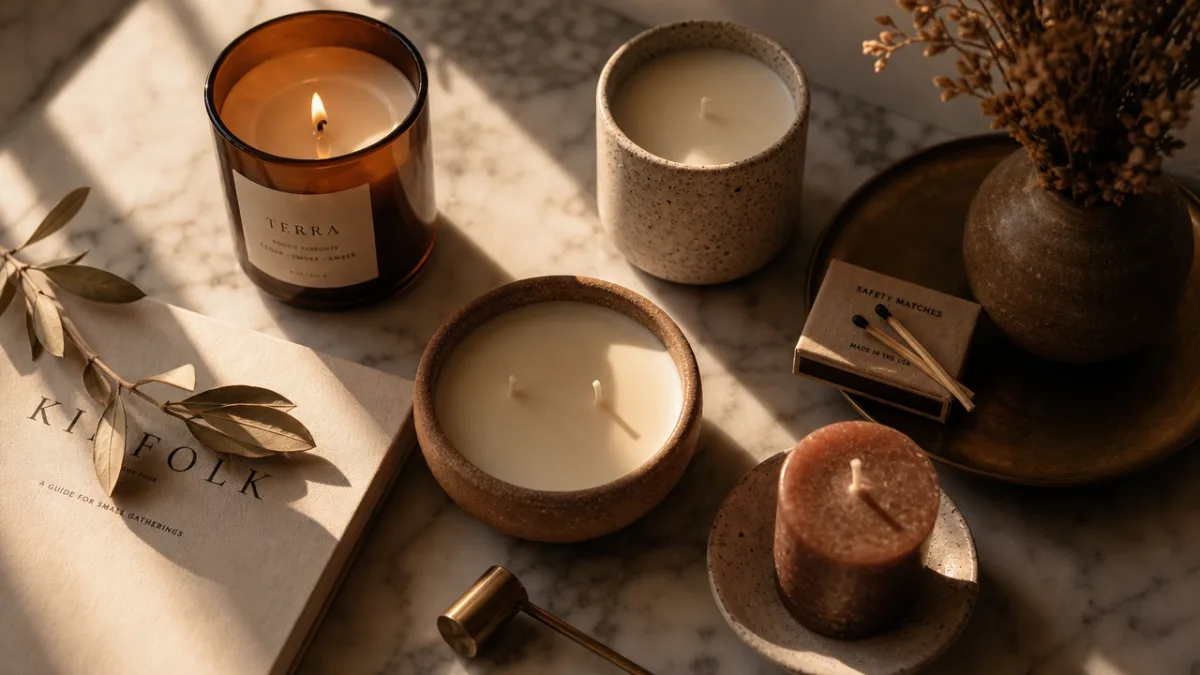
The world of candle aesthetics is rich with distinct visual styles, each communicating a different design ethos and suiting different types of interior spaces. Among the most dominant trends right now is the organic, earthy aesthetic — characterized by chunky beeswax pillars, undyed or naturally pigmented wax in creamy off-white and warm amber tones, and vessels made from terracotta, rough-hewn ceramic, or hand-thrown stoneware. This style speaks to a growing appetite for the natural world inside the home and pairs beautifully with linen, wood, and stone surfaces.
At the opposite end of the visual spectrum sits the sleek, minimalist candle aesthetic that draws heavily from Scandinavian and Japanese design traditions. Think clean-lined taper candles in muted, sophisticated colors — dusty rose, sage green, slate grey, or bone white — placed in simple brass or matte black holders with deliberate negative space around them. This style is all about restraint and intention, where a single well-chosen candle becomes a sculptural element rather than part of a busy vignette. It works especially well in modern, pared-back interiors where every object is expected to earn its place.
Then there is the maximalist, luxe aesthetic that has been growing in popularity alongside broader trends toward grandeur and opulence in interior design. This approach leans into dramatic scale, rich jewel tones, ornate vessels, and layered arrangements that feel almost theatrical. Think deep burgundy pillars in gilded candelabras, oversized church candles grouped on marble surfaces, or hand-painted glass votives clustered together in deliberately overwhelming profusion. Currently trending styles also include:
- Twisted and sculptural taper candles in unexpected silhouettes that double as art objects even when unlit
- Mushroom and botanical-shaped candles that blur the line between decor and novelty
- Vintage-inspired glass apothecary vessels repurposed as candle containers
- Ombre and hand-dipped candles with gradient color effects from base to tip
- Wax melt bowls and ceramic oil warmers as more sustainable alternatives to traditional wicked candles
The Art of Candle Arrangement: Styling Tips for Every Room
Knowing which candles to purchase is only half the equation — the other half lies in understanding how to arrange and display them so they contribute meaningfully to a room’s overall composition. The most important principle in candle styling is to work in odd numbers. Groups of three, five, or seven candles almost always create a more dynamic and visually satisfying arrangement than even-numbered groupings, which tend to feel static or overly symmetrical. Vary the heights within your grouping to create movement and interest, using candlesticks, risers, or stacked books to achieve different levels.
In the living room, candles work best when they are integrated into a larger vignette rather than standing alone. Cluster a trio of pillar candles on a wooden tray alongside a small trailing plant, a few smooth stones, and perhaps a linen-bound book. This approach creates a cohesive tableau that feels curated rather than cluttered, and the tray itself serves as a visual boundary that keeps the arrangement from feeling chaotic. Fireplaces and mantels are natural homes for candle displays, and even in warmer months when the fire is unlit, a carefully arranged collection of candles in the hearth maintains warmth and visual interest in the space.
Bathrooms represent one of the most rewarding rooms for candle styling because the scale is typically intimate and the purpose — relaxation and self-care — aligns so perfectly with everything candles represent. A pair of tapers flanking a bathroom mirror creates an almost ceremonial quality to an evening routine, while small votives arranged around the edge of a freestanding bathtub transform an ordinary soak into a genuine sanctuary experience. Bedrooms benefit from softer, lower light sources, making small tea lights in glass holders or low-burning pillar candles on nightstands ideal choices that contribute to a wind-down atmosphere without overwhelming the senses.
Choosing Candles as Gifts: What to Look For and Why It Matters
Candles have long been a staple of the gift-giving world, and for good reason — they occupy a uniquely accessible price point range, they feel genuinely luxurious without requiring enormous expenditure, and they suit almost any recipient regardless of age, gender, or personal style. But not all candles are created equal as gifts, and knowing what distinguishes a truly exceptional candle from a forgettable one can mean the difference between giving something that gets used and cherished versus something that gathers dust in a drawer. The most important factor to consider first is wax quality, as this fundamentally shapes the burn experience.
Soy wax candles have earned their reputation as a premium gifting choice for several compelling reasons. Soy wax is derived from renewable soybean oil, burns cooler and therefore slower than paraffin, and releases fragrance more evenly throughout the burn life of the candle. Coconut wax is an even more luxurious alternative, prized for its exceptionally clean burn, superior scent throw, and beautiful creamy appearance in the jar. Beeswax, one of the most ancient candle materials known to humanity, burns the longest of all natural waxes and emits negative ions that some studies suggest may actually improve air quality. Key qualities to look for when selecting candles as gifts include:
- Wax type — prioritize soy, coconut, or beeswax over paraffin for cleaner, longer burns
- Wick material — cotton or wood wicks are preferable to metal-cored wicks for both performance and safety
- Fragrance load — a well-made candle should throw scent both cold and when lit, filling a room without becoming overpowering
- Vessel quality — the container should be beautiful enough to reuse after the candle is finished
- Burn time — a quality candle in the mid-range price point should offer at least 40 to 50 hours of burn time
- Brand transparency — look for makers who disclose their ingredients and sourcing practices openly
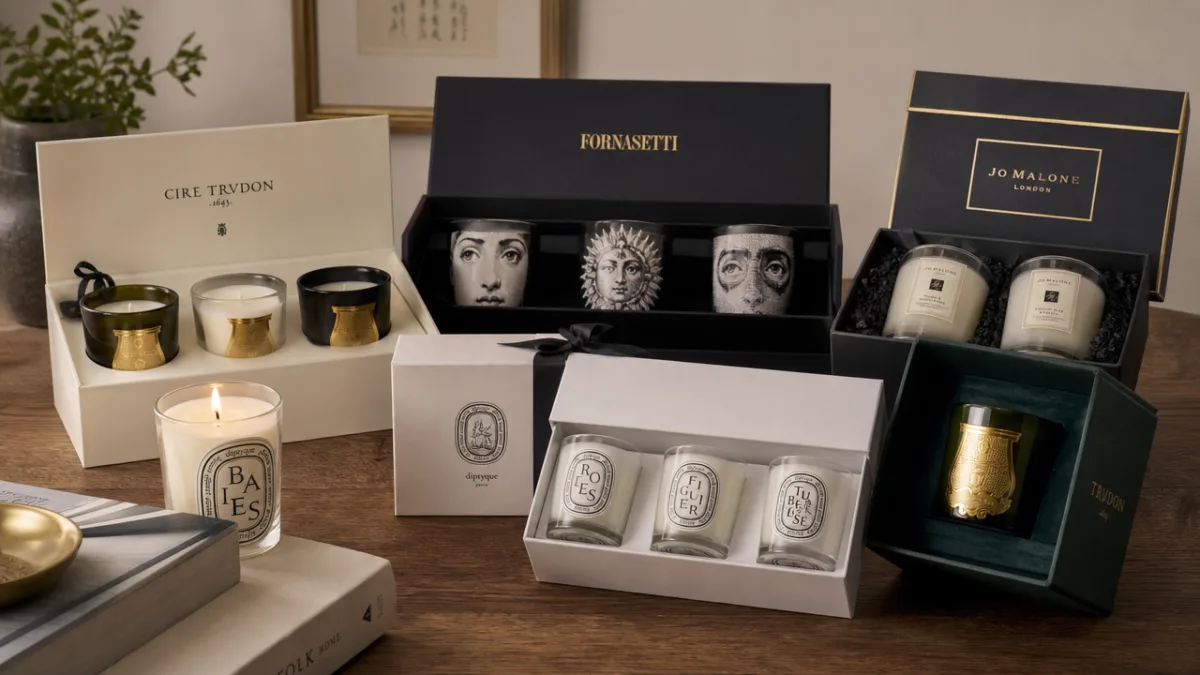
When it comes to scent selection for gifts, the general wisdom is to err toward universally pleasing fragrance families rather than intensely polarizing ones. Fresh, clean scents like sea salt and driftwood, warm bakery notes like vanilla and sandalwood, and botanical green scents like eucalyptus and fern tend to appeal broadly. More complex niche fragrances — dark resins, animalic notes, or highly intellectual perfume-style compositions — are better saved for people whose tastes you know intimately. Presentation matters enormously for gift candles, so look for brands that package beautifully, or invest in a lovely box, a ribbon, and perhaps a small card that explains the scent story behind your choice.
Scent Profiles and the Psychology of Candle Fragrance
The fragrance dimension of a candle is not merely decorative — it operates directly on the limbic system, the part of the brain responsible for emotion, memory, and mood regulation. This is why certain scents can trigger vivid autobiographical memories with startling immediacy, or why stepping into a room filled with the right fragrance can shift your emotional state within moments. Candle makers and perfumers have long understood this power, and the most sophisticated candles are built around fragrance compositions that are engineered to evoke specific emotional states, from deep calm to energized focus to nostalgic comfort.
Lavender remains the most widely studied aromatherapy ingredient, with substantial research supporting its ability to reduce anxiety and promote sleep onset — which explains why lavender-forward candles dominate the wellness and self-care market. Cedarwood and sandalwood carry warm, grounding qualities associated with stability and security, making them perennial favorites for living room and bedroom scenting. Citrus top notes like bergamot, lemon, and orange peel are invigorating and mood-lifting, making them better suited to morning rituals or home office environments than to wind-down evening routines. Understanding these associations helps you choose candles that are not just pleasant but functionally appropriate for their intended space.
The layering of fragrance across different rooms of a home is a sophisticated practice that interior designers refer to as olfactory zoning. The idea is to assign distinct but harmonious scent profiles to different areas of the home, creating a sense of journey and differentiation as you move through the space. A typical approach might place invigorating citrus or herbal scents in the kitchen and entryway, warm woody or spiced notes in the living room and study, and soft florals or gentle musks in the bedroom and bathroom. When the fragrance transitions are thoughtfully managed, the effect is one of a home that feels deeply considered and entirely coherent — a true extension of the personality and sensibility of the people who live there.
Building a Sustainable and Long-Lasting Candle Collection
For those who have moved beyond occasional candle purchases into what can genuinely be called a candle collection, developing a thoughtful and intentional approach to curation becomes both practical and deeply rewarding. Building a candle collection that feels cohesive rather than arbitrary requires thinking about your candles in terms of several categories simultaneously — their visual style, their scent profile, their scale and placement purpose, and their material quality. When you approach collecting with this framework in mind, each new purchase adds meaningfully to a larger whole rather than simply adding volume.
Sustainability is an increasingly important consideration for conscious candle consumers, and the good news is that the artisan and independent candle maker market has responded with impressive creativity and commitment. Beyond choosing natural waxes and cotton wicks, look for brands that use recycled or recyclable packaging, offer refill programs for their vessel designs, and source their fragrance ingredients responsibly. Some of the most exciting small-batch candle makers are now working with locally sourced beeswax, botanically derived fragrance compounds, and vessels made by ceramic artists — creating products that support small creative economies and minimize environmental impact simultaneously.
The long-term relationship between a candle collector and their collection also involves learning the small but meaningful practices that extend burn life and maintain the quality of each candle over time. Always trim your wick to a quarter inch before each burn to prevent mushrooming, soot, and uneven burning. Allow your candle to achieve a full melt pool on its first burn — meaning the wax should liquefy all the way to the edges of the vessel — to prevent tunneling in subsequent burns. Store unused candles away from direct sunlight to protect both the wax and the fragrance compounds from degradation. These small rituals transform candle ownership from passive consumption into something closer to genuine stewardship, deepening the relationship between object and owner in ways that make a beautifully maintained candle all the more satisfying to light.
Where to Find the Most Beautiful Candles for Your Home
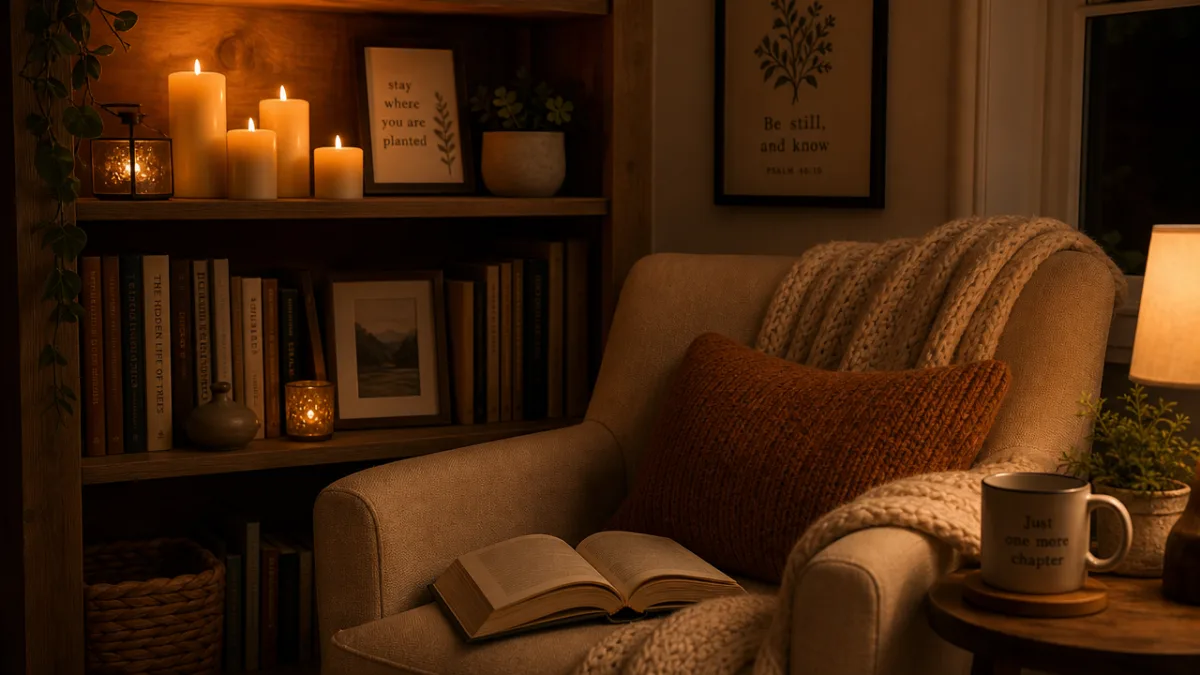
The marketplace for exceptional candles has never been more vibrant or more accessible than it is today, with options spanning independent artisan makers selling through platforms like Etsy and their own direct-to-consumer websites, mid-range lifestyle brands available at boutique home stores and curated online retailers, and high-end luxury houses offering candles that occupy the same rarefied air as fine fragrance and jewelry. Knowing where to look — and what signals indicate genuine quality versus clever marketing — is essential knowledge for anyone serious about building a meaningful candle collection.
Independent candle makers represent some of the most exciting and original work being done in the category today. These small-batch producers frequently experiment with unusual fragrance combinations, collaborate with ceramic and glass artists for their vessels, and bring a level of personal narrative and craft intention to their work that larger brands struggle to replicate. Following independent makers on social media, particularly Pinterest and Instagram, is genuinely one of the best ways to discover new talent before it becomes widely known — and purchasing from small makers directly ensures that the maximum portion of your spending supports individual creative labor rather than corporate overhead.
Regardless of where you ultimately source your candles, the most important investment you can make in your candle aesthetic journey is developing your own eye and your own sense of what genuinely moves you, rather than simply chasing whatever trend is currently circulating on social media. The most beautiful candle collections are always deeply personal — they reflect the individual’s particular relationship to light, scent, texture, and atmosphere, built up slowly over time through genuine curiosity and sensory exploration. Start with what draws you instinctively, pay attention to what you return to again and again, and allow your collection to grow organically from that foundation of authentic preference. That approach, more than any trend guide or shopping list, is what ultimately creates a home that feels truly and unmistakably your own.








What do you think?
It is nice to know your opinion. Leave a comment.