










DIY Coasters from Old Jeans Pockets: A Complete Upcycling Guide
Why Upcycling Denim Is a Brilliant Idea
Every year, millions of pairs of jeans get tossed out and end up sitting in landfills, adding to an already overwhelming textile waste problem. Denim is one of the thirstiest fabrics out there to produce — it guzzles water, energy, and chemical dyes at a staggering rate. So when we toss old jeans in the trash, we’re basically throwing away all of that effort and those resources without a second thought. It’s no wonder that upcycling denim has really taken off in crafting and sustainability circles lately.
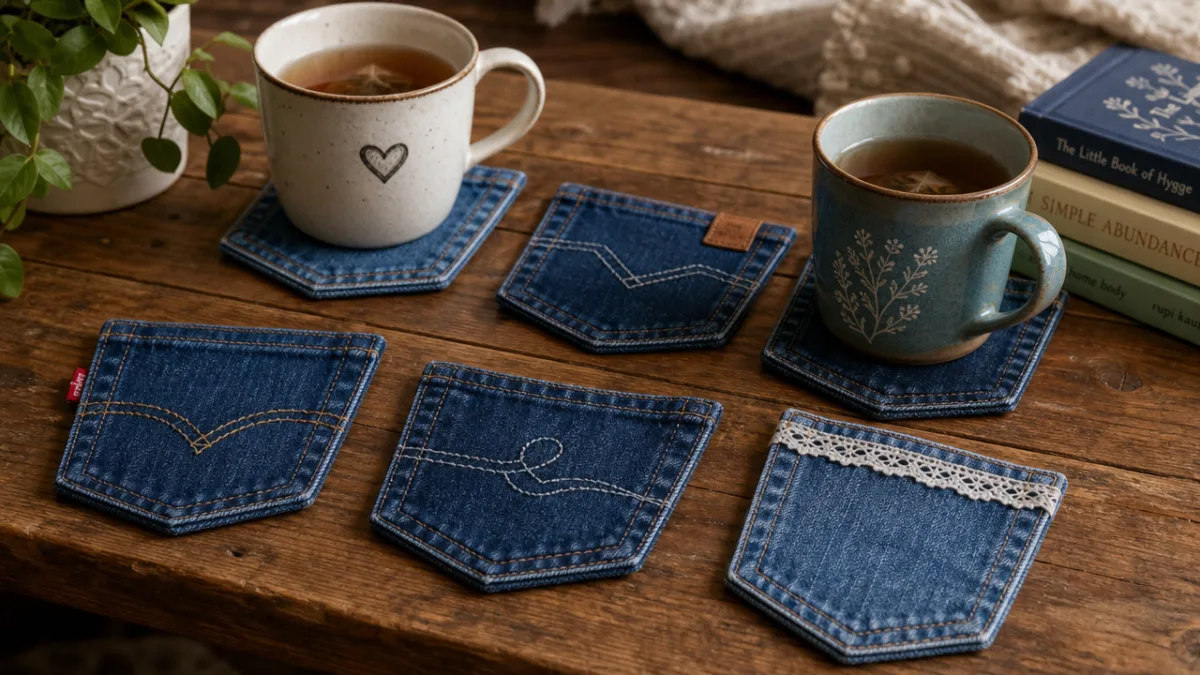
Turning old jeans into something you can actually use around the house is one of the most satisfying crafts you can pick up. And what sets upcycling apart from plain old recycling is that you’re not just breaking something down — you’re building something genuinely new and useful out of it. The end result has a story, a texture, and a character that nothing off a store shelf can match. Denim coasters made from old jeans pockets are a perfect example of this: they’re practical, they look great, and they come with a built-in sustainability win.
On top of the environmental feel-good factor, there’s something genuinely lovely about slowing down for a hands-on craft. In a world of fast fashion and stuff that’s designed to be thrown away, it feels really good to sit down with a needle, some thread, and a beat-up old pair of jeans and make something your home can actually use. This project doesn’t ask much of you in terms of tools or experience, but the results look impressive — which makes it a great starting point if you’re new to sewing or just dipping your toes into sustainable crafting.
Gathering Your Materials and Choosing the Right Jeans
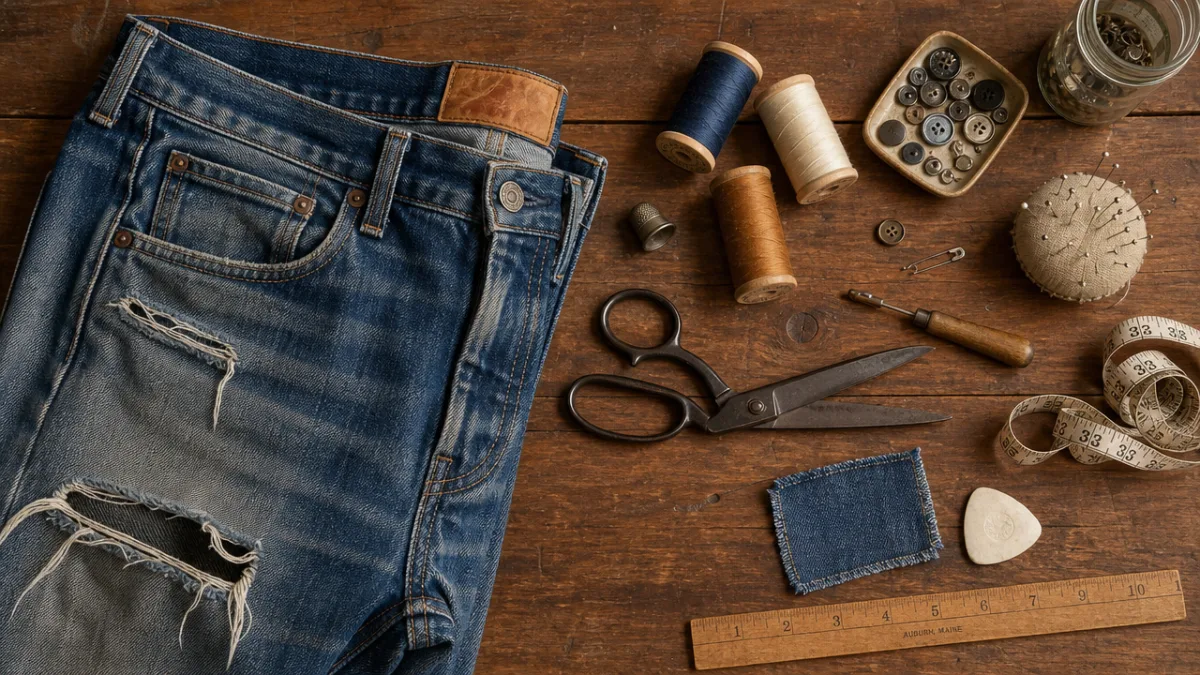
Before you start cutting into anything, it’s worth taking a few minutes to pull together everything you’ll need and pick the right pair of jeans for the job. Not all denim is the same, and the pocket section you choose will largely shape how your coasters turn out. Heavier, thicker denim makes for sturdier coasters that can handle hot mugs and cold glasses without breaking a sweat, while lighter denim gives you something softer and more flexible that still works beautifully on a coffee table.
Keep an eye out for jeans with interesting pocket details — contrast stitching, a bit of embroidery, small rivets, or a distinctive pocket shape. Those little details become the focal points of your finished coasters and give each one its own personality. If your jeans have multiple pockets — front, back, coin pocket — you can get several coasters out of a single pair, which feels wonderfully efficient. Just check each pocket for wear or holes and go with the ones in the best shape.
Here is a list of materials you will need for this project:
- One or more pairs of old jeans with intact pockets
- Sharp fabric scissors or a rotary cutter and cutting mat
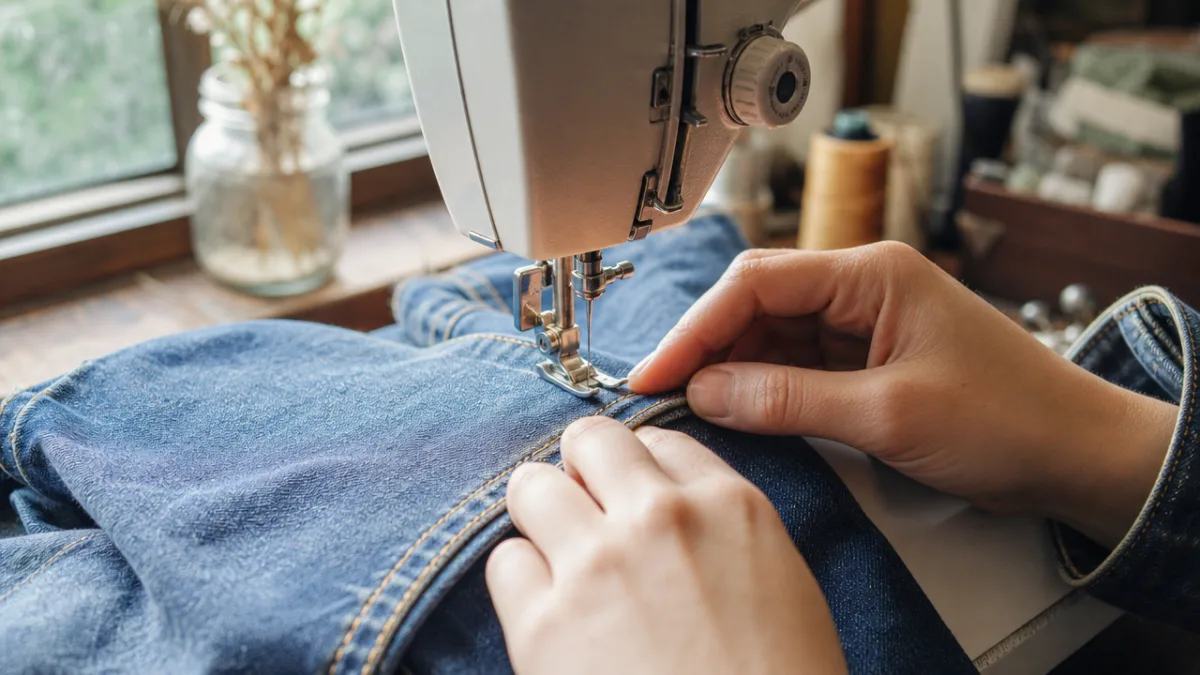
- A sewing machine or needle and thread for hand sewing
- Denim or heavy-duty thread in matching or contrasting colors
- Cork sheet, felt, or fabric scraps for backing material
- Fabric glue or fusible webbing as an optional bonding tool
- A ruler or measuring tape
- Pins or binder clips to hold pieces together while working
- An iron for pressing seams and flattening layers
Once you’ve got everything together, wash and dry your jeans before you cut them up. This takes care of any loose dye that might bleed onto surfaces later, and it softens the fabric a little, which makes sewing easier. Give the pocket areas a good press with a hot iron before cutting — you’ll get cleaner edges and more precise cuts. A bit of extra prep time here really does pay off when you see how polished the finished coasters look.
Step-by-Step Instructions for Making Denim Pocket Coasters
The basic method here is refreshingly simple, which makes it approachable even if you’ve barely touched a needle and thread before. Start by carefully cutting around each pocket, leaving about half an inch of denim around the pocket itself. That extra margin gives you something to work with when you’re finishing the edges and attaching the backing. Use sharp scissors and take it slow around any curved sections — especially the top opening of back pockets, which tends to have a more irregular shape.
Once your pocket sections are cut out, think about the shape and size you want your coasters to be. Standard coasters usually come in around four inches square, or four inches across if you prefer a rounded look. You can keep the natural shape of the pocket as your coaster outline — this gives each piece that lovely handmade, artisanal quality that a lot of crafters really love. Or, if you’re making a matching set for a gift or to coordinate with a specific room, you can cut a cardboard template and trace uniform shapes. Both approaches work great.
Follow these steps to complete your coasters:
- Cut the pocket section from the jeans, leaving a half-inch seam allowance around the perimeter.
- Cut a piece of backing material — cork, felt, or doubled fabric — to match the size of your pocket piece.
- Place the pocket piece face-down on the backing and pin or clip them together along the edges.
- Sew around the perimeter using a straight stitch, leaving a two-inch gap for turning if using fabric backing.
- Trim corners or curves to reduce bulk before turning the piece right-side out.
- Turn right-side out, press flat with an iron, and slip stitch the opening closed by hand.
- Topstitch around the entire edge for a neat, finished look and added durability.
- If using cork backing, simply glue it to the underside of the denim pocket piece and allow it to dry completely.
What’s really nice about this method is that the pocket itself becomes the decorative top of your coaster, so you don’t need to do much extra embellishing. The existing stitching, rivets, and fabric texture handle all the visual interest on their own. That said, if you want to push it a little further, try using a contrasting thread color for your topstitching, or add a small decorative stitch around the pocket opening to draw the eye to that detail from the original garment. Every little choice adds up to a coaster that’s genuinely yours.
Creative Variations and Personalization Ideas
Once you’ve got the basic technique down, there’s a whole world of variations to explore that can take your denim coasters from simple craft project to something you’d genuinely be proud to display. Hand embroidery is one of the most popular options — you can stitch monograms, little floral motifs, geometric patterns, or meaningful words right onto the denim before you put the coaster together. Embroidery thread comes in hundreds of colors and looks stunning against the blue and black tones of most denim.
Another fun direction is mixing denim with other recycled fabrics for a patchwork feel. Scraps of printed cotton, an old flannel shirt, or leftover canvas can all come into play as backing or as decorative patches on the front surface. The contrast between the roughness of denim and the softness of a floral print, or the coziness of a plaid flannel, creates something visually dynamic that somehow feels both eclectic and pulled-together at the same time. This approach is especially fun when making sets, since you get variety that’s coordinated rather than just identical.
Consider these additional personalization ideas to make your coasters truly unique:
- Use fabric paint or bleach pen techniques to add patterns, letters, or abstract designs to the denim surface before assembly.
- Incorporate small iron-on patches, fabric appliqués, or decorative buttons for added texture and visual interest.
- Mix different washes of denim — light, medium, and dark — in a single set for a sophisticated gradient effect.
- Add a thin layer of batting between the denim and backing for a quilted coaster that provides extra heat insulation.
- Stencil simple patterns using fabric-safe paint and a sponge brush for a graphic, modern aesthetic.
- Leave the pocket open and functional so the coaster can hold small items like tea bag tags or sugar packets.
Seasonal and gift-friendly versions are also worth thinking about. For the holidays, you could stitch or glue small fabric snowflakes or stars onto each coaster and wrap the set tied up with twine — it makes a really charming gift. For a wedding or housewarming, embroidering a couple’s initials or a meaningful date turns what’s essentially a craft project into something genuinely sentimental. That flexibility is honestly one of the best things about this project: it can be as simple or as elaborate as you want it to be, and it suits just about any occasion.
Caring for Your Denim Coasters and Maximizing Their Lifespan
Denim is one of the toughest natural fabrics around, which is a big part of why it’s such a great choice for something that’s going to get daily use and regular washing. That said, a few simple care habits will keep your handmade coasters looking good for years rather than just a few months. The main thing to think about is your backing material, since cork and felt handle laundering differently than the denim itself. Getting a handle on that early saves you a headache down the road.
If your coasters have fabric backing, machine washing on a gentle cycle in cold water works just fine. Flip them inside out first to protect the decorative denim surface from friction, and wash them with similar colors to avoid any dye transfer onto lighter items. Skip the dryer if you can — air drying is much kinder to them, since heat can cause shrinking, warping, or distortion over time. If they come out of the wash looking a little wonky, pressing them flat with a warm iron while they’re still slightly damp sorts them right out.
Cork-backed coasters are a different story — you really don’t want to throw those in the washing machine, since cork is a natural material that can crack or crumble when it gets fully saturated. Instead, spot clean the denim surface with a damp cloth and a little mild soap, work gently, and rinse with a clean damp cloth. Let them air dry completely before you use them again. If the cork starts to show wear or begins separating from the denim, a bit of strong craft adhesive along the edges, left to cure overnight, will bond everything back together nicely.
The Broader World of Denim Upcycling Projects
Making coasters from old jeans pockets is a fantastic way into the much bigger, endlessly inspiring world of denim upcycling. Once you’ve felt that satisfaction of turning something worn-out into something functional and good-looking, it’s hard to look at a beat-up pair of jeans without seeing potential. The denim crafting community is huge, creative, and genuinely welcoming, with tutorials, inspiration, and encouragement everywhere you look — across social media, crafting blogs, and community groups all dedicated to giving old textiles a second life.
Beyond coasters, old jeans can become tote bags, plant pot covers, journal covers, pot holders, wall hangings, rug sections, even pet bed covers. The structured waistband can turn into a bag handle or a decorative belt on a throw pillow. Denim legs can become pencil cases, zipper pouches, or patchwork quilt squares. Even the rivets and hardware can find new life as decorative accents on other projects. Honestly, there’s almost no part of a worn-out pair of jeans that a resourceful crafter can’t reimagine into something new.
Getting kids involved is another lovely dimension of all this. Simple coaster projects like this one are well-suited to older children and teenagers who are learning to sew, and the experience of choosing their own jeans, cutting the pockets, and finishing a usable object builds real confidence, patience, and environmental awareness all at once. Schools and community craft groups have been leaning into upcycling projects more and more as a way to teach both practical skills and sustainability values in a hands-on way that tends to resonate with people of all ages.
Sharing Your Work and Joining the Upcycling Community
One of the best parts of making things by hand is sharing them — both in person and online. Pinterest, Instagram, and Facebook are full of thriving communities of denim crafters and upcycling enthusiasts who post their projects, swap tips, and keep each other inspired on a daily basis. Sharing photos of your finished coasters and tagging them with hashtags like #diy, #upcycling, #sewing, and #zerowaste is a great way to connect with people around the world who are into the same things and to contribute to a culture that genuinely values creativity and sustainability.
If you find that people consistently love your coasters, it might be worth thinking about whether selling them could be a fun side venture. Online marketplaces for handmade goods make it pretty accessible for small-scale makers to reach buyers who are actively looking for unique, sustainable, and thoughtfully made items. Denim coasters made from genuinely upcycled materials carry a real sustainability story, and a lot of modern shoppers find that genuinely compelling — especially when the quality and care in the craftsmanship comes through in the finished piece.
Hosting a crafting afternoon with friends or family is another wonderful way to share this project and multiply its impact. Ask everyone to bring their own old jeans, set out the shared tools and materials, and spend a few hours making coasters together. There’s something really special about that kind of shared creative time — it builds connection while simultaneously keeping textiles out of landfills, which feels like a pretty good deal. And the coasters everyone goes home with aren’t just useful objects; they’re little reminders of a good afternoon spent laughing, learning, and making something with the people you like spending time with.








What do you think?
It is nice to know your opinion. Leave a comment.