










Vintage Bentwood Hallway Coat Tree Hat Rack: A Guide to Finding, Restoring, and Loving a Classic Piece
The Timeless Appeal of Bentwood Furniture
Bentwood furniture occupies a singular place in the history of decorative arts and interior design. Pioneered by the Austrian craftsman Michael Thonet in the mid-nineteenth century, the bentwood technique involves steaming solid wood until it becomes pliable enough to be curved and bent into graceful, flowing shapes without splitting or warping. The result is furniture that is simultaneously strong, lightweight, and visually elegant — qualities that made bentwood chairs, hat racks, and coat trees enormously popular across Europe and North America from the 1860s onward and that continue to attract devoted collectors and home decorators more than a century and a half later.
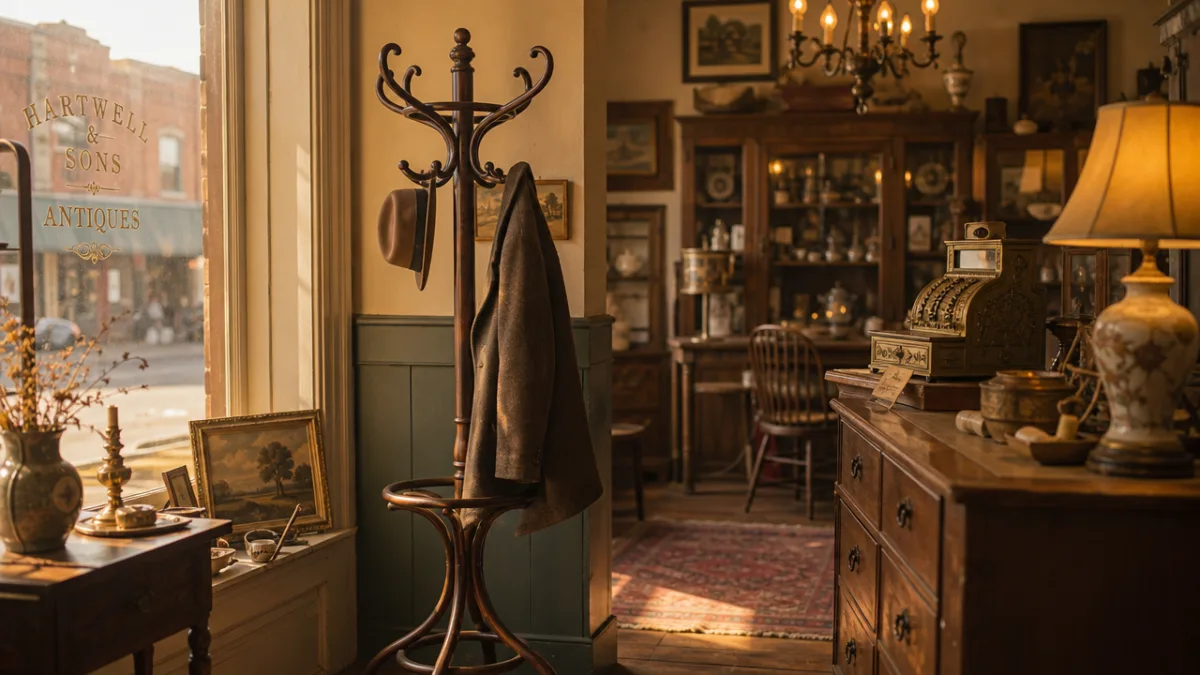
The hallway coat tree, sometimes called a hall stand or hat rack, was one of the most practical and popular expressions of bentwood craftsmanship. In an era before built-in closets were standard features of residential architecture, the entryway coat tree served a genuinely essential function, providing a central, organized location for the coats, hats, umbrellas, and walking sticks that formed part of every respectable household’s daily attire. A well-designed bentwood coat tree accomplished this task while also making a strong visual statement about the taste and sophistication of the home’s occupants — it was functional furniture at its most aesthetically ambitious.
Today, vintage bentwood coat trees and hat racks are sought after by collectors, interior designers, and homeowners who appreciate the warmth and character that antique and vintage furniture brings to a space. Whether discovered at an estate sale, a flea market, or through an online marketplace like Pinterest or eBay, a bentwood coat tree described as “needs work” represents both a tangible connection to a rich design tradition and an exciting opportunity for creative restoration. Understanding what you are looking at — and what it might become — is the essential first step in the journey.
Identifying Authentic Vintage Bentwood Pieces
When you encounter a vintage bentwood coat tree described as needing work, the first and most important task is authentication and assessment. Genuine antique bentwood furniture, particularly pieces made between 1880 and 1940, was typically crafted from solid beech wood that had been steam-bent rather than laminated or constructed from multiple smaller pieces glued together. Running your hand along the curves of an authentic piece, you should feel smooth, continuous grain flowing naturally around the bends rather than seams or joints at the points of greatest curvature. The consistency of the wood grain through even the tightest curves is a hallmark of genuine steam-bent construction and a reliable indicator of quality craftsmanship.
Markings and labels are another valuable authentication tool, though their absence does not necessarily disqualify a piece. Thonet Brothers and their competitors, including Kohn and Mundus, often applied paper labels, stamps, or branded marks to their furniture, usually on the underside of seats or on less visible structural components. On a coat tree, look for markings on the base, on the underside of any shelf or drip tray, or on interior surfaces of decorative elements. Even partial or damaged labels can provide significant information about a piece’s origin and age, so examine every surface carefully before beginning any restoration work that might disturb or remove original markings.
The hardware and finishing details of a bentwood coat tree also provide important clues about its age and authenticity. Original Victorian and Edwardian pieces typically featured hooks made from cast iron or brass, often with decorative flourishes appropriate to the period’s taste for ornamentation. The finish itself — whether the original lacquer, shellac, or stain — will have developed a patina over decades of use and exposure to light that is difficult to replicate artificially. Learning to distinguish genuine age-related patina from recent distressing or artificial aging is a skill that develops with experience, but one that is well worth cultivating before making significant purchases or beginning restoration work.
Assessing the Condition and Scope of Needed Repairs
The phrase “needs work” on a vintage furniture listing can mean almost anything on a spectrum ranging from a single loose hook that requires only a tightened screw to structural damage so extensive that professional restoration would cost more than the piece’s eventual market value. Conducting a thorough condition assessment before committing to a purchase or embarking on a restoration project is essential to setting realistic expectations and budgets. Begin your assessment at the base of the coat tree, since this is typically the area that sustains the most stress during ordinary use and is most often compromised by exposure to moisture, particularly in entryway settings where wet umbrellas and damp coats are regularly hung.
Work your way systematically upward, testing every joint by applying gentle pressure in multiple directions to identify any looseness or instability. Bentwood furniture relies on the integrity of its joints to maintain both structural stability and visual elegance, and joints that have been compromised by dried or cracked glue, insect damage, or previous amateur repairs represent the most common and serious category of restoration challenge. Pay particular attention to the connections between the curved uprights and the central column or base, as these joints bear the greatest load during use. A coat tree that wobbles significantly when gently shaken from the top may require disassembly and re-gluing of multiple joints before it is safe to use.
Surface condition should be assessed separately from structural integrity, as the two issues require different approaches and skill sets. Common surface problems on vintage bentwood pieces include the following categories of damage that you should examine for and document before beginning work:
- Checking or cracking in the wood surface, often appearing as fine lines running along the grain, caused by decades of expansion and contraction through seasonal humidity changes
- Flaking or peeling of the original finish, which may expose bare wood to further damage if not addressed promptly
- Staining from water, ink, or other substances that have penetrated the finish and may require more than surface-level treatment
- Previous repairs that used inappropriate materials or techniques, including mismatched wood fillers, incorrect stains, or non-period-appropriate hardware
- Insect damage, particularly from woodworm, which leaves characteristic small round exit holes and may indicate active infestation requiring treatment before restoration
Once you have completed your assessment, create a written inventory of every issue you have identified, organized by severity and the type of skill or material required to address it. This document will serve as your restoration roadmap and will help you make informed decisions about which repairs to attempt yourself and which to delegate to a professional furniture restorer. It will also help you develop a realistic budget, since the cost of materials, tools, and professional labor can add up quickly on a complex restoration project, particularly if structural repairs require specialized equipment or expertise.
Restoration Techniques and Materials for Bentwood Furniture
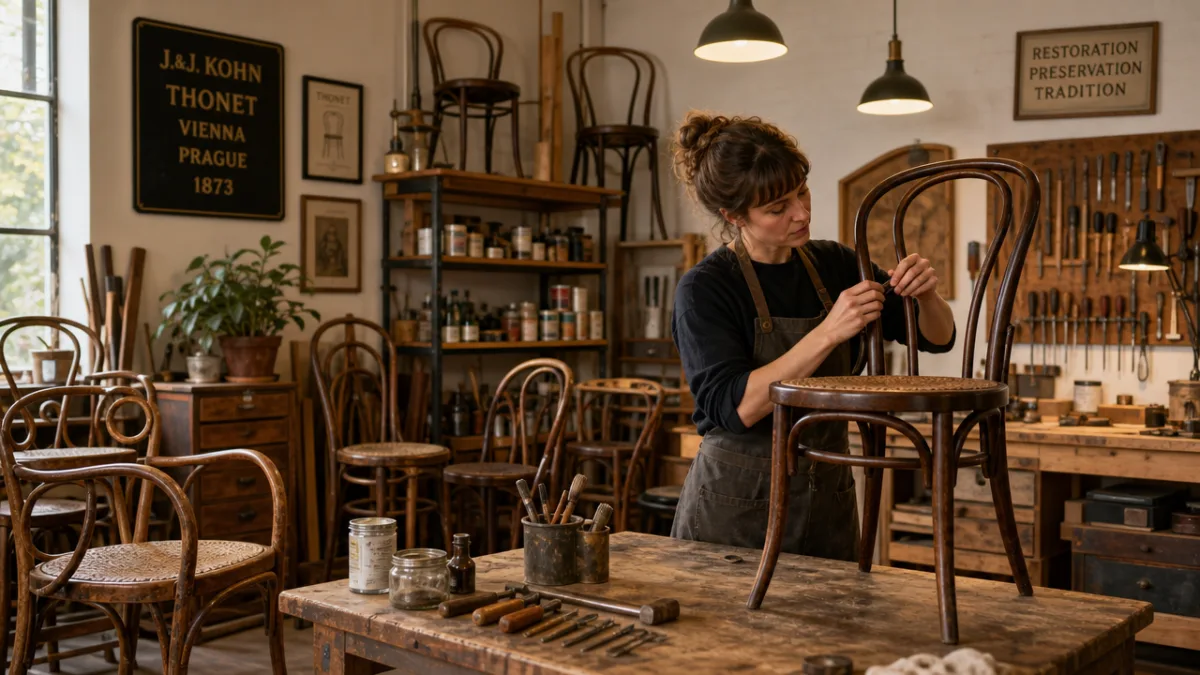
Approaching the restoration of a vintage bentwood coat tree requires a fundamental philosophical decision that will shape every subsequent choice you make: are you pursuing a museum-quality historical restoration that returns the piece as closely as possible to its original condition, or a sympathetic conservation that stabilizes and improves the piece while accepting some evidence of its age and history, or a more creative reimagining that uses the vintage structure as a starting point for a new decorative vision? Each approach is legitimate, but each requires different materials, techniques, and levels of investment, and clarity about your goals at the outset will save considerable time and frustration throughout the process.
For structural repairs, the most important principle is using appropriate adhesives that can be reversed if future conservation becomes necessary or desirable. Hide glue — the traditional animal-based adhesive used in furniture making for centuries — is the gold standard for antique furniture restoration because it bonds strongly, remains workable with heat and moisture if adjustments are needed, and is chemically compatible with the original construction materials. Modern PVA wood glues offer greater convenience and are suitable for less critical repairs, but they create bonds that are more difficult to reverse and may not be appropriate for significant structural joints on valuable antique pieces. Avoid two-part epoxies and other permanent modern adhesives on any joints that might need future attention.
Surface restoration and finishing require equally careful material selection. When working on the original finish of a vintage bentwood piece, always begin with the most gentle and reversible treatment possible, progressing to more aggressive interventions only when necessary. A surprising number of surface problems that appear severe can be addressed effectively with nothing more than careful cleaning using appropriate solvents and the application of a compatible reviving oil or wax. For pieces that require refinishing, shellac dissolved in denatured alcohol closely approximates the original finish materials used on bentwood furniture of the late nineteenth and early twentieth centuries and is widely favored by furniture conservators for its historical authenticity and ease of application and repair.
Styling and Decorating with a Vintage Bentwood Coat Tree
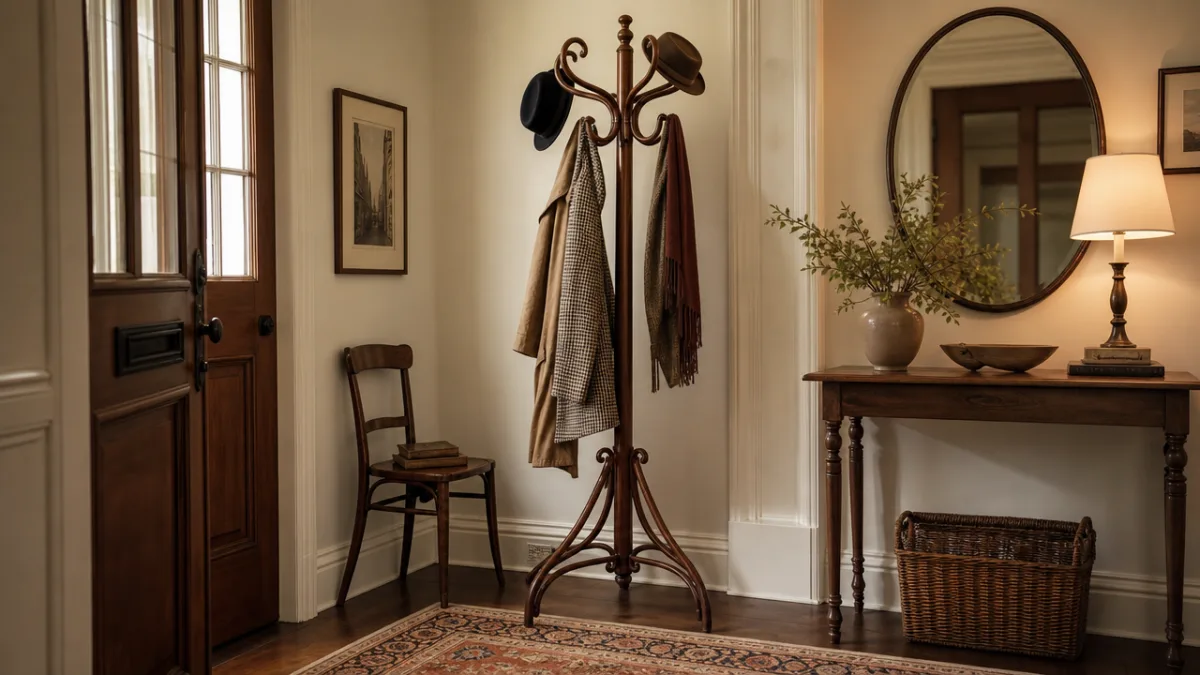
Once your vintage bentwood coat tree has been assessed, repaired, and refinished to your satisfaction, the genuinely pleasurable work of integrating it into your home’s design scheme begins. The entryway or hallway is one of the most important spaces in any home from a design perspective, because it is the first interior impression that guests receive and the last space that family members experience before leaving each day. A beautifully restored bentwood coat tree makes an immediate statement about the household’s aesthetic values and creates a warm, welcoming atmosphere that purely functional entryway furniture cannot achieve.
The natural warmth of bentwood’s steam-curved beech wood pairs beautifully with a wide range of interior design styles, making the vintage coat tree a remarkably versatile decorating element. In a traditional or Victorian-inspired interior, the piece feels entirely at home among patterned wallpapers, rich textiles, and ornate framed artwork. In a more contemporary or Scandinavian-influenced space, a bentwood coat tree’s clean curves and honest materiality align perfectly with the emphasis on natural materials and functional beauty that defines those design traditions. Even in genuinely modern interiors, a single well-chosen vintage piece like a bentwood hat rack provides the kind of visual warmth and historical texture that keeps a contemporary space from feeling sterile or impersonal.
Consider the following styling approaches to make the most of your restored bentwood coat tree in your entryway:
- Layer textiles thoughtfully, hanging a few carefully chosen coats, scarves, and bags that complement each other in color and texture rather than simply accumulating whatever comes through the door
- Use the hooks and branches to display seasonal items that change throughout the year, treating the coat tree as a three-dimensional still life that reflects the current season and mood
- Position a vintage mirror nearby to create a functional vignette that encourages last-minute appearance checks and makes the space feel larger and more light-filled
- Add a small woven basket or antique umbrella stand at the base to complete the entryway ensemble and provide additional practical storage
- Consider the lighting in the entryway carefully, as a bentwood coat tree looks particularly beautiful when lit from the side by a table lamp or wall sconce that highlights the curves and grain of the wood
The Investment Value and Sustainability of Vintage Bentwood
Beyond their considerable decorative appeal, vintage bentwood coat trees and hat racks represent a sound investment of both financial resources and environmental values. The market for authentic antique bentwood furniture has remained consistently strong for decades, with well-preserved and professionally restored examples from reputable manufacturers like Thonet regularly achieving significant prices at auction. A piece purchased as a “needs work” project at a relatively modest price, thoughtfully restored with appropriate materials and techniques, can emerge as both a beautiful functional object and an appreciating asset that combines personal enjoyment with long-term financial value — a combination that few other interior design investments can match.
The sustainability dimensions of choosing vintage bentwood furniture deserve particular emphasis in a contemporary context where the environmental costs of furniture production are receiving increasing scrutiny. The beech wood used to construct a nineteenth-century coat tree was harvested, worked, and finished using processes that, while far from perfect by contemporary environmental standards, were fundamentally more resource-efficient than modern industrial furniture manufacturing. More importantly, a piece that has already survived for a century or more represents an embodied investment of materials and craftsmanship that is entirely lost when vintage furniture is discarded rather than restored. Choosing to repair and reuse rather than replace is one of the most concrete and meaningful sustainability choices that individual consumers can make.
The growing community of vintage furniture enthusiasts, restorers, and collectors represents another dimension of the value embedded in pieces like a vintage bentwood coat tree. Online communities on platforms including Pinterest, Instagram, and dedicated antique furniture forums provide rich resources for identification, restoration guidance, and market valuation, as well as connecting individual collectors with craftspeople, suppliers of appropriate restoration materials, and fellow enthusiasts who share their appreciation for the particular pleasures of working with historical furniture. Engaging with these communities enriches the experience of owning and restoring vintage bentwood furniture far beyond the purely material dimensions of the piece itself.
Where to Find Vintage Bentwood Coat Trees and What to Pay
The market for vintage bentwood hallway furniture spans an enormous range of venues and price points, from high-end antique dealers and auction houses where museum-quality authenticated pieces command premium prices to estate sales, flea markets, and online marketplaces where significant finds can still be made at accessible prices by knowledgeable and persistent shoppers. Understanding the different segments of this market and the typical price ranges associated with each is essential preparation for any serious search. A bentwood coat tree offered at a major antique fair by an established dealer with full provenance documentation will naturally command prices that reflect the dealer’s expertise, authentication work, and business overhead, while an identical or superior piece found at an estate sale might be available for a fraction of that price if you have the knowledge to recognize it.
Online platforms have transformed the market for vintage bentwood furniture over the past two decades, making it simultaneously more accessible and more competitive. Pinterest serves as an invaluable research and inspiration tool, allowing collectors to develop their visual literacy and refine their aesthetic preferences before making purchasing decisions. eBay, Etsy, Chairish, and 1stDibs offer searchable marketplaces where pieces from sellers across the country and around the world can be compared and purchased, often with detailed photographs and condition descriptions that would have been impossible to obtain from distant sellers in the pre-internet era. Local Facebook Marketplace and Craigslist listings remain excellent sources for pieces that have not yet attracted the attention of the wider collector community and may therefore be available at significantly below-market prices.
When evaluating price and value, consider the following factors that most significantly influence the market value of vintage bentwood coat trees and help distinguish fairly priced pieces from overpriced or underpriced ones:
- Manufacturer attribution, with documented Thonet pieces commanding significant premiums over similar pieces by lesser-known or unidentified makers
- Completeness, since coat trees missing original hooks, shelves, umbrella drip trays, or other components are worth considerably less than complete examples
- Originality of finish and hardware, as pieces retaining their original patina and period-appropriate hardware are generally more desirable to serious collectors than heavily refinished examples
- Scale and visual presence, since larger, more architecturally impressive coat trees with multiple hooks and decorative complexity tend to command higher prices than simpler examples
- Current market condition and restoration costs, which must be honestly factored into any assessment of whether a “needs work” piece represents genuine value at its asking price
The most important advice for anyone beginning a search for a vintage bentwood coat tree is to invest time in education before investing money in purchases. Study examples in museums and high-quality antique shops to develop a reliable visual and tactile sense of what authentic period bentwood furniture looks and feels like. Read widely in the literature of antique furniture identification and restoration. Engage with online communities of collectors and restorers who are typically generous with their knowledge and experience. And when you do find a piece that speaks to you — even a damaged, wobbly, paint-spattered example that clearly needs significant work — trust that with patience, appropriate skills, and genuine appreciation for what it represents, you have the potential to bring something genuinely beautiful back into the world.








What do you think?
It is nice to know your opinion. Leave a comment.