










Unraveling a Knitted Sweater: A Complete Guide to Reclaiming Yarn
Why Unravel a Knitted Sweater? Understanding the Value of Reclaimed Yarn
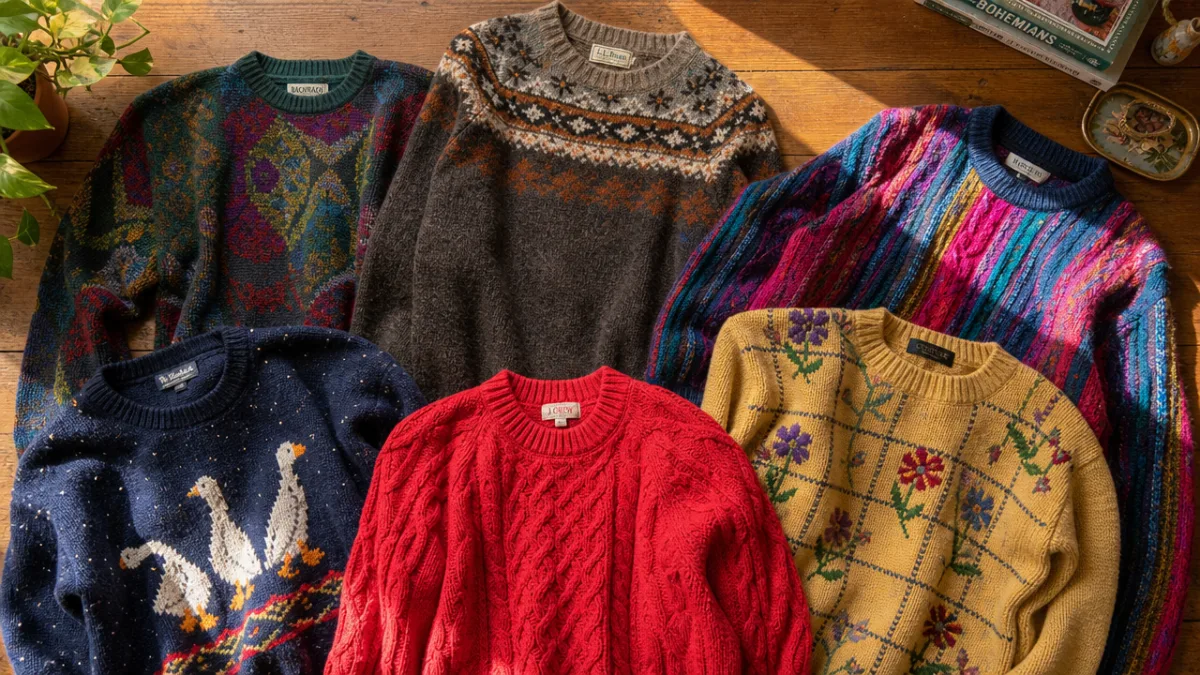
Unraveling a knitted sweater, sometimes called “frogging” in crafting circles, is one of the most sustainable and cost-effective practices a knitter or crocheter can adopt. Rather than discarding an old, damaged, or ill-fitting sweater, the process allows you to recover yards upon yards of beautiful yarn that can be repurposed into entirely new projects. Thrift stores and estate sales are treasure troves of sweaters made from high-quality wool, cashmere, alpaca, and other premium fibers that would cost a fortune to buy new, making this skill incredibly valuable for budget-conscious crafters.
The environmental benefits of unraveling sweaters are significant and worth considering seriously. The fashion industry is one of the largest contributors to global waste, and synthetic or blended textiles often end up in landfills where they take decades to decompose. By reclaiming yarn from existing garments, you participate in a circular economy that honors the resources, labor, and energy that went into producing the original fabric. Every skein of yarn you recover is one less purchase from a supply chain that may involve resource-heavy manufacturing processes.
Beyond sustainability, there is something deeply satisfying about the transformation itself. What begins as a worn-out garment that no longer serves its original purpose is reborn as raw material full of creative potential. Many crafters describe a meditative quality to the unraveling process, finding the rhythmic pulling and winding of yarn to be relaxing and rewarding. The anticipation of discovering how much usable fiber lies within a single sweater adds an element of adventure to what might otherwise seem like a mundane task.
How to Identify the Right Sweaters for Unraveling
Not every sweater is a good candidate for unraveling, and learning to identify which ones will yield usable yarn is a skill that develops with experience. The single most important factor is the construction method. Sweaters that are hand-knitted or machine-knitted in the round or flat panels sewn together at the seams are ideal candidates, because each piece was knitted as a continuous strand of yarn. In contrast, many mass-produced sweaters are cut-and-sewn, meaning fabric was knitted on large machines and then cut into shapes, which severs countless threads and makes unraveling impossible without getting hundreds of short, useless pieces.
To check whether a sweater is cut-and-sewn or fully knitted, examine the seams and edges carefully. On a fully knitted sweater, you will often see clean seam lines created by mattress stitch or another joining technique, and the fabric edges at the cuffs and hem will have a finished knitted edge rather than a raw, frayed cut. If you look at the inside of the seams and see what appears to be a clean looped edge running along the join, you are likely dealing with a fully fashioned sweater that will unravel beautifully. A cut-and-sewn garment, on the other hand, will show a raw edge of loops that have been severed, which is a clear signal to walk away.
Fiber content is the second major consideration. Natural fibers like wool, alpaca, cashmere, mohair, cotton, and silk are the most desirable because they can be washed, re-set, and re-used without significant degradation of quality. Synthetic fibers such as acrylic, polyester, and nylon are less forgiving and may retain the kinked, crimped shape of the original knitting even after washing, making them harder to work with in a new project. Always check the garment label before purchasing or selecting a sweater for this purpose. A label reading “100% merino wool” or “80% alpaca, 20% silk” is cause for excitement.
Tools and Preparation: Setting Yourself Up for Success
Before you begin the unraveling process, gathering the right tools will make the experience far smoother and more enjoyable. You will need a seam ripper or small scissors to open the seams of the sweater, since most garments are assembled from separate knitted panels that must be taken apart before the yarn within each panel can be pulled free. A set of yarn bobbins or a nostepinne can be helpful for winding yarn as you go, though many crafters simply use their arm or a toilet paper roll as an improvised winder. A swift and ball winder, if you own them, will prove invaluable for creating neat center-pull balls from your reclaimed fiber.
Preparing your workspace is equally important for a frustration-free session. Clear a large, flat surface such as a dining table or the floor, and ensure you have good lighting so you can see individual stitches and seam lines clearly. Keep a small bowl or container nearby to hold pins, needles, or any embellishments you remove from the sweater, such as buttons or decorative toggles, which can often be repurposed as well. Some crafters like to have a dedicated basket or bin close at hand where loose yarn can pile up naturally during the unraveling process before it is wound into balls or skeins.
It is also wise to do a small fiber test before committing to the full unraveling process, especially if the sweater label is missing or faded. Cut a tiny piece of yarn from the interior of a seam allowance and perform a burn test: wool and other protein fibers will smell like burning hair and leave a crushable ash, while synthetic fibers will melt, bead up, and smell like burning plastic. This simple test can confirm the fiber content and help you calibrate your expectations for the yarn’s behavior during washing and re-setting. Taking this small precaution can save you significant time and disappointment later in the process.
Step-by-Step: The Unraveling Process from Seam to Skein
Begin by laying the sweater flat and locating all of its seams. Most sweaters will have shoulder seams, side seams, and sleeve seams, and each of these must be opened before you can unravel the individual panels. Use your seam ripper to carefully cut the seaming yarn stitch by stitch along each join, taking care not to snag or cut the body yarn itself. Some seams are made using the same yarn as the sweater body, while others use a separate, often thinner yarn called a “joining thread,” which makes the process faster since you can simply pull it free without worrying about losing body yarn.
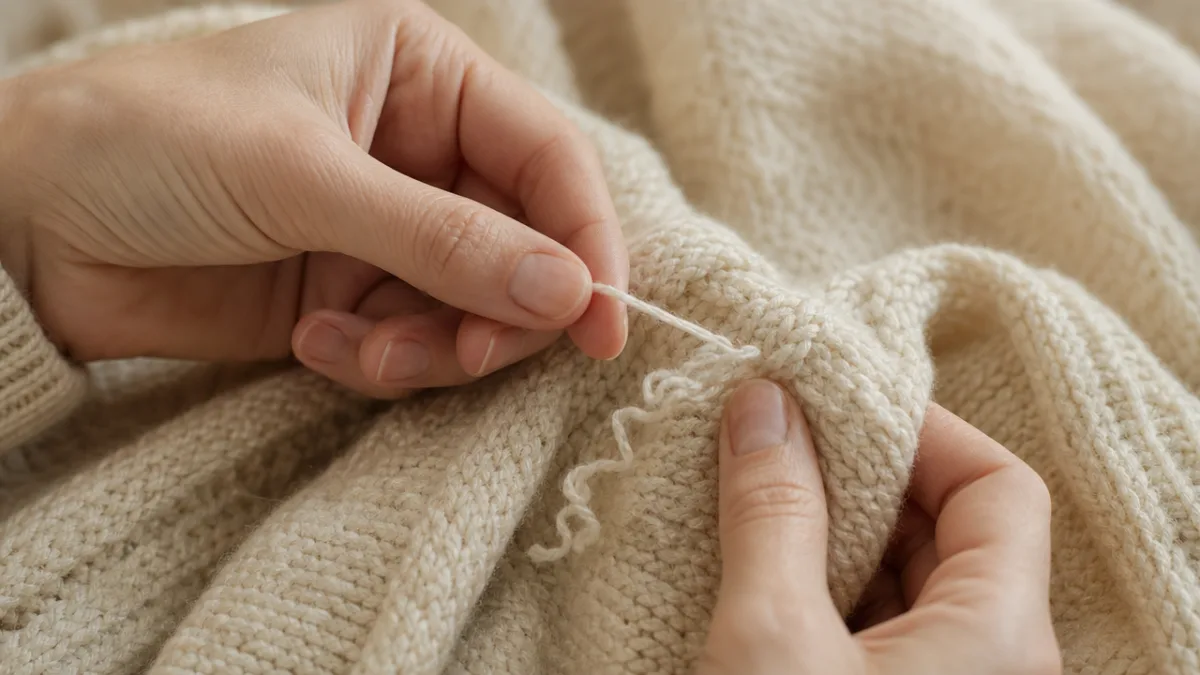
Once all the seams are open and you have separated the sweater into its component panels — typically a front, a back, and two sleeves — identify the last row that was knitted on each panel. This is usually at the top of the piece, near the shoulder or neckline, and it is where you will find the live or bound-off edge where unraveling should begin. Look for the tail of yarn left from the cast-off, because pulling that tail is often the fastest way to start the unraveling. If the tail has been woven in, use a blunt tapestry needle to carefully loosen it before you begin pulling. The yarn should come free in a long, continuous strand if the sweater was properly constructed.
As the yarn comes free, wind it loosely into a large hank or skein rather than pulling it directly into a tight ball. Kinked and wavy reclaimed yarn benefits from being soaked in warm water while in skein form, then hung to dry with a small weight pulling it taut, a process known as “resetting” the yarn. This relaxes the fiber’s memory of its previous knitted shape and gives you much straighter, more workable yarn for your next project. The following steps summarize the unraveling workflow for easy reference:
- Open all seams carefully with a seam ripper, separating the garment into individual panels and sleeves.
- Identify the top edge of each knitted panel where unraveling should begin, looking for a loose tail or bound-off edge.
- Pull the yarn free in one continuous motion, winding it gently into a large, loose hank as you go.
- Tie the hank loosely in two or three places with scrap yarn to prevent tangling before washing.
- Soak the hank in warm water for twenty to thirty minutes, then squeeze out excess water gently without wringing.
- Hang the hank to dry with a light weight attached, such as a filled water bottle, to encourage the fibers to straighten.
- Once dry, wind the reset yarn into balls or center-pull cakes ready for your next knitting or crochet project.
Patience is genuinely the most critical virtue during this entire process. Knots, tangles, and stubborn sections of yarn are common, particularly in older sweaters or those that have been washed many times and have experienced some felting or matting of the fibers. When you encounter resistance, do not yank or force the yarn free, as this risks breaking the strand and leaving you with frustratingly short lengths that are difficult to use. Instead, slow down, investigate where the tangle lies, and gently work it free with your fingers or a blunt needle before continuing.
Dealing with Common Challenges and Problem-Solving on the Fly
Even experienced crafters encounter obstacles when unraveling sweaters, and knowing how to troubleshoot common issues will save you from abandoning a potentially wonderful batch of yarn. One of the most frequent problems is discovering mid-unravel that the sweater has been repaired at some point in its life. Old repairs often involve yarn that does not match the body of the sweater, or they may have been done in ways that create knots or splices in the yarn. When you hit one of these spots, the yarn will snag or break unexpectedly. The best approach is to simply cut the yarn at the repair point, set aside the section with the mismatch, and continue unraveling from the other side of the repair.
Felted or partially felted yarn presents another significant challenge. Felting occurs when wool fibers are agitated in warm water, causing the microscopic scales on each fiber to interlock and bond together. A lightly felted sweater may still yield some usable yarn if you work very slowly and accept that some sections will break, but a heavily felted sweater is essentially a piece of non-woven fabric and cannot be unraveled at all. You can still make use of heavily felted sweaters by cutting them into shapes for appliqué, patchwork projects, or even fashioning them into bags and pouches, so not all is lost even in these cases.
Sometimes you will find that a sweater that appeared fully fashioned from the outside turns out to have cut-and-sewn elements in unexpected places, particularly around the neckline or armholes where shaping is more complex to knit. In these situations, you will hear a distinctive popping sound as the cut loops pull free rather than releasing in a long, smooth chain. If this happens, stop immediately to assess the situation. You may still be able to salvage significant lengths of yarn from the rest of the panel by cutting above the problematic section and continuing the unraveling from an intact area. Flexibility and a willingness to adapt your strategy mid-project are essential qualities for this craft.
Creative Projects to Make with Your Reclaimed Yarn
Once you have successfully unraveled, reset, and wound your reclaimed yarn, the most exciting part of the journey begins: deciding what to create with it. The quantity and weight of yarn you recover will naturally guide your project choices. A single large sweater made from worsted weight wool might yield enough yarn for an entirely new sweater, a generous shawl, or several smaller accessories. Lighter weight yarns reclaimed from fine-gauge sweaters are beautiful for delicate shawlettes, lightweight cardigans, or detailed colorwork accessories where the fineness of the fiber really shines.
Mixing yarns from multiple unraveled sweaters can produce stunning results, particularly if you are working on a project that celebrates color variety such as a striped blanket, a gradient cowl, or a patchwork-style throw. Many crafters deliberately collect sweaters in a specific color family over time, building up a curated palette of reclaimed yarns that can be blended in inventive ways. This approach transforms thrift shopping into a deliberate creative practice, where each sweater selected is a potential ingredient in a larger artistic vision that unfolds over weeks or months.
Reclaimed yarn also has a wonderful character that brand-new yarn sometimes lacks. It carries a history, a slight imperfection in its texture from having been previously worked, and occasionally a subtle variation in ply twist or thickness that gives handmade items made from it a charmingly artisanal quality. Consider some of the following project ideas to inspire your next creation from reclaimed fiber:
- Cozy Home Accessories: Knit or crochet cushion covers, table runners, or potholders that celebrate the rustic warmth of reclaimed wool.
- Warm Winter Accessories: Use smaller quantities to make hats, mittens, cowls, and scarves — perfect for gift-giving and great for using up odd amounts of yarn.
- Children’s Garments: Soft reclaimed alpaca or cashmere is ideal for baby blankets, booties, and tiny sweaters that benefit from the gentleness of premium natural fibers.
- Colorwork Projects: Combine multiple reclaimed yarns in complementary colors for Fair Isle or mosaic knitting patterns that show off your curated palette.
- Woven Textiles: Reclaimed yarn works beautifully on rigid heddle or floor looms for scarves, wall hangings, and fabric yardage.
- Charitable Knitting: Use your reclaimed fiber to knit hats and blankets for local shelters, hospitals, or community organizations, making your sustainable practice doubly impactful.
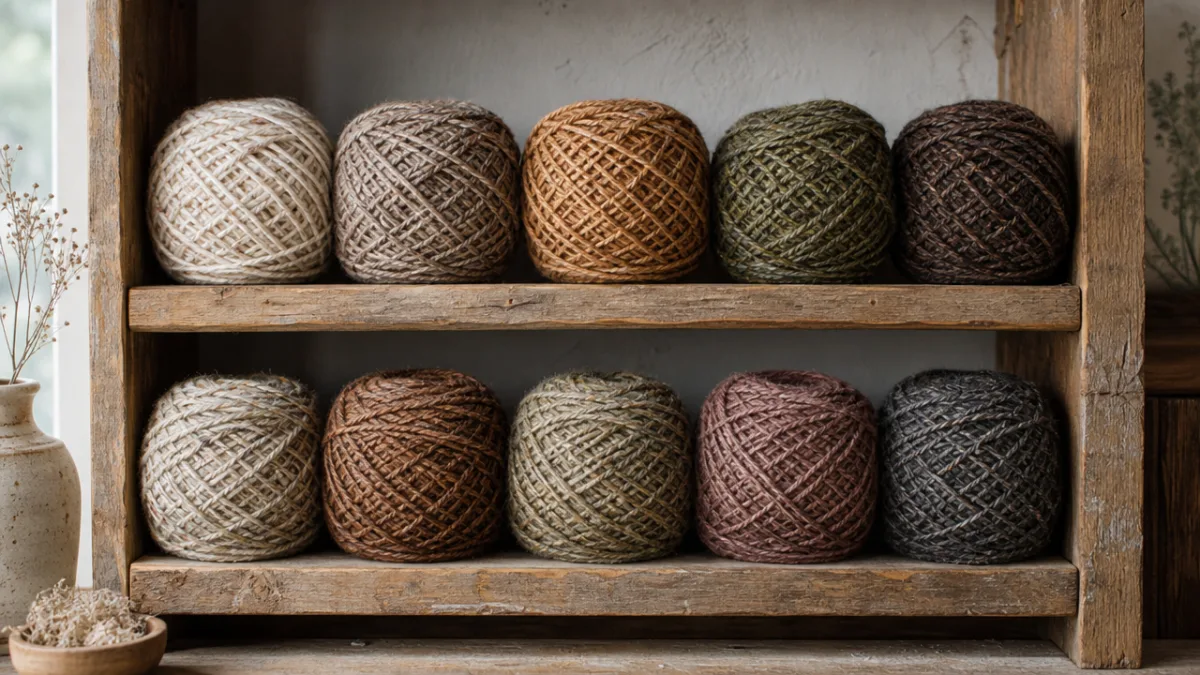
Documenting your reclaimed yarn stash is a habit well worth cultivating from the start. Keep a simple notebook or use a yarn tracking app to record the fiber content, approximate yardage, weight category, and source of each batch of reclaimed yarn you produce. This information becomes invaluable when you sit down to plan a new project and need to know whether you have enough of a particular yarn to complete a given pattern. Photographing each wound ball or skein before storing it also helps you remember what you have and allows you to visualize combinations and color pairings more easily.
Building a Sustainable Fiber Practice and Community Connection
Unraveling sweaters is more than a thrifty craft hack — it is a philosophy and a way of relating to material culture that has deep roots in human history. Before mass production made new goods cheap and disposable, people routinely unraveled worn garments to reuse the fiber in new items, understanding instinctively that the material itself had value independent of its current form. Reconnecting with this practice today is an act of cultural continuity as much as it is an environmental choice, linking modern crafters to generations of resourceful makers who came before them.
Sharing your unraveling journey with others can amplify its impact and inspire a wider community to adopt similar practices. Online platforms and local craft groups are full of people who are curious about sustainable fiber practices but do not know where to begin. Posting your before-and-after photos, sharing tips you have discovered, or even hosting a “sweater surgery” workshop at a local yarn store or library can introduce others to this rewarding skill. The crafting community is generous with knowledge, and contributing your experience to that collective wisdom is one of the most meaningful things you can do as a maker.
As you grow more comfortable with the unraveling process, you may find yourself developing a keen eye for quality garments in thrift stores and at yard sales, learning to assess fiber content and construction at a glance. This skill set deepens your understanding of textiles broadly and makes you a more informed consumer even when you do purchase new materials. You begin to appreciate the craft and resources embedded in every piece of fabric you encounter, which naturally inclines you toward choices that honor those resources. Ultimately, the simple act of unraveling a sweater has the potential to reshape your entire relationship with materials, creativity, and sustainability in ways that ripple outward far beyond any single skein of reclaimed yarn.








What do you think?
It is nice to know your opinion. Leave a comment.