










Custom Scalloped Acacia Wooden Serving Tray: The Art of Handcrafted Rustic Kitchen Elegance
The Timeless Appeal of Handcrafted Wooden Serving Trays
In an era dominated by mass production and synthetic materials, the handcrafted wooden serving tray stands as a quiet rebellion — a celebration of natural beauty, skilled craftsmanship, and the warmth that only real wood can bring into a home. The custom scalloped acacia wooden serving tray is not merely a functional kitchen tool; it is a piece of art that bridges the gap between everyday utility and decorative elegance. From morning coffee rituals to elaborate dinner party spreads, this kind of tray transforms the mundane into something memorable and beautiful.
What makes a handcrafted tray so profoundly different from its factory-made counterparts is the intentionality behind every detail. A craftsman who shapes acacia wood into a serving tray is making thousands of small decisions — about grain direction, edge profile, finish depth, and proportion — that collectively result in an object with genuine character. No two pieces are ever exactly alike, because no two sections of acacia wood share the same grain pattern. This natural variability is not a flaw; it is the very thing that makes each tray a one-of-a-kind heirloom.
The resurgence of interest in rustic, farmhouse, and cottagecore aesthetics has elevated handcrafted kitchen items from simple tools to coveted décor statements. Homeowners, interior designers, and lifestyle enthusiasts increasingly seek out pieces that tell a story — objects that carry the mark of human hands and natural origins. A scalloped acacia tray does exactly that, offering a visual and tactile richness that resonates deeply with people who value authenticity over uniformity. It becomes a conversation piece, a cherished gift, and a daily pleasure all at once.
Why Rustic Kitchenware Is Having a Cultural Moment
The cultural shift toward rustic and natural aesthetics in the kitchen is not accidental — it reflects a broader desire to slow down, reconnect with nature, and invest in objects that endure. As wellness culture has grown, so has the appreciation for simple, beautiful things that make daily routines feel more intentional. Wooden trays, linen napkins, ceramic pitchers, and beeswax candles have all become symbols of a life lived more thoughtfully, where the breakfast tray is as carefully considered as the meal it carries.
Social media platforms like Pinterest and Instagram have played a significant role in popularizing these rustic kitchen aesthetics. Styled flat lays featuring wooden boards, fresh herbs, artisan bread, and handmade pottery gather millions of saves and shares, inspiring homeowners to recreate these warm, inviting vignettes in their own spaces. The scalloped acacia tray fits naturally into this visual language — its curved edges, warm tones, and organic texture photograph beautifully and translate seamlessly from digital inspiration to real-life decoration.
Beyond aesthetics, there is a growing ethical dimension to the preference for handcrafted goods. Consumers are increasingly aware of supply chains, environmental impact, and the value of supporting skilled artisans. Choosing a custom, handcrafted tray over a mass-produced alternative is a small but meaningful act of conscious consumption. It supports traditional woodworking skills, reduces reliance on industrial manufacturing, and results in an object built to last for decades rather than seasons.
Acacia Wood: Nature’s Perfect Material for Kitchen Artistry
Acacia wood has earned its place as one of the premier materials for kitchen and dining accessories, and for very good reasons. This hardwood, sourced from acacia trees native to Africa, Asia, and Australia, boasts an impressive combination of durability, beauty, and natural resistance to moisture and bacteria. Its dense grain structure makes it exceptionally resilient to the kind of wear and warping that plagues softer woods, meaning an acacia tray can withstand years of daily use without losing its integrity or charm.
One of acacia wood’s most striking qualities is its visual drama. The wood displays a rich palette of warm tones — from golden honey and caramel to deep chocolate and reddish-brown — often within a single piece. These colors are interwoven with flowing grain patterns, occasional knots, and subtle variations in texture that give each board a painterly quality. When a craftsman selects a piece of acacia for a serving tray, they are essentially choosing a canvas, one that nature has already begun to decorate with extraordinary results.
From a practical standpoint, acacia wood’s natural oils give it a degree of self-preservation that makes it well-suited for kitchen use. These oils repel moisture more effectively than many other hardwoods, reducing the risk of swelling, cracking, and the formation of bacteria-harboring surface damage. While no wooden item should be submerged in water or placed in a dishwasher, an acacia tray that is properly maintained with food-safe mineral oil or beeswax will remain beautiful and hygienic for a very long time. It is the kind of material that genuinely rewards care and attention.

Sustainability and Responsible Sourcing of Acacia
Acacia trees are among the fastest-growing hardwood species in the world, which gives them a significant sustainability advantage over slower-growing hardwoods like walnut or mahogany. Many acacia plantations operate on rotation cycles that allow for continual harvesting without depleting forests, making acacia wood a relatively responsible choice for consumers who care about environmental impact. When sourced from certified sustainable plantations, acacia products carry a genuinely lower ecological footprint than many alternatives.
Responsible craftsmen who work with acacia wood often source their material from suppliers who hold certifications from organizations such as the Forest Stewardship Council (FSC) or similar bodies. These certifications ensure that the wood has been harvested according to rigorous environmental and social standards, protecting ecosystems and the communities that depend on them. When purchasing a custom acacia tray, it is worth asking about the wood’s origins — not just as an ethical exercise, but because this information often speaks to the overall quality and integrity of the maker’s practice.
Beyond sustainability, locally sourced or regionally harvested acacia can reduce the carbon footprint associated with long-distance shipping of raw materials. Some artisan woodworkers specifically seek out salvaged or reclaimed acacia wood — timber recovered from fallen trees, old structures, or pruned branches — giving beautiful material a second life rather than sending it to waste. These practices transform the already-appealing aesthetic of a handcrafted tray into something even more meaningful: an object with a story rooted in environmental stewardship.
The Scalloped Edge: Where Craftsmanship Meets Design
The scalloped edge is the defining decorative element that elevates a simple wooden tray into something truly special. Unlike a plain rectangular or oval tray, a scalloped design features a series of rounded, wave-like curves along the perimeter — a detail that requires skill, patience, and precision to execute cleanly in wood. The scallop pattern has roots in classical European decorative arts, appearing in furniture, ceramics, and architectural molding for centuries, and its application to a kitchen tray brings that same sense of refined elegance into an everyday domestic context.
Creating a consistently beautiful scalloped edge in hardwood like acacia is not a trivial task. The craftsman must use specialized tools — router bits, carving chisels, or bandsaw templates — to cut each curve with uniform depth and radius. Any inconsistency in the arc or spacing of the scallops becomes immediately visible once the wood is sanded and finished, so precision at every stage is essential. The reward for this effort is a tray that catches the eye from across a room, its curved silhouette instantly more interesting and inviting than a straight-edged alternative.
Beyond aesthetics, the scalloped edge serves a subtle functional purpose as well. The contoured perimeter creates natural grip points that make the tray easier to pick up and carry, particularly when the surface is loaded with cups, bowls, or decorative items. The curves distribute hand pressure more comfortably than a flat edge, reducing the risk of the tray slipping during transport. This combination of beauty and ergonomics is the hallmark of truly excellent design — form and function not competing but reinforcing each other in every graceful arc.
Customization Options: Making the Tray Your Own
One of the most compelling aspects of ordering a custom scalloped acacia tray is the range of personalization options available from skilled artisan makers. Beyond the standard shape, buyers can often specify dimensions — length, width, and depth — to suit a particular use case, whether that is a petite breakfast-in-bed tray, a generous coffee table centerpiece, or a long entertaining platter for charcuterie and appetizers. This level of specificity ensures that the finished piece fits perfectly into its intended space and purpose.
Surface treatments and finishes offer another layer of customization. Many craftsmen offer a choice between a natural oil finish that preserves the wood’s raw warmth and texture, a food-safe lacquer for a slightly more polished appearance, or a combination of both for maximum durability with visual depth. Some makers can also incorporate additional design elements such as carved monograms, laser-etched patterns, or branded personalization — details that transform an already-beautiful tray into a truly bespoke heirloom or a memorable personalized gift for weddings, housewarmings, and other milestone occasions.
Hardware is another customizable element that can significantly affect both the look and functionality of a serving tray. Rope handles, leather straps, and brass or copper bar handles are all popular choices that lend different characters to the finished piece. Rope handles evoke a nautical or bohemian feel; leather straps bring a warm, artisan workshop aesthetic; polished metal handles introduce a contemporary edge that contrasts beautifully with the organic warmth of the acacia wood. Choosing the right hardware is the final step in making the tray a cohesive expression of personal style.
Practical Uses: From Kitchen Functionality to Home Décor
The versatility of a scalloped acacia wooden serving tray is one of its greatest strengths. In the kitchen, it functions as a practical organizer and serving surface — corralling oils, vinegars, and condiments on the counter; presenting a curated selection of cheeses and charcuterie for guests; or carrying breakfast items to a dining table or outdoor terrace. Its durability and natural moisture resistance make it well-suited for contact with food items, provided it is properly sealed and maintained with food-safe oils.
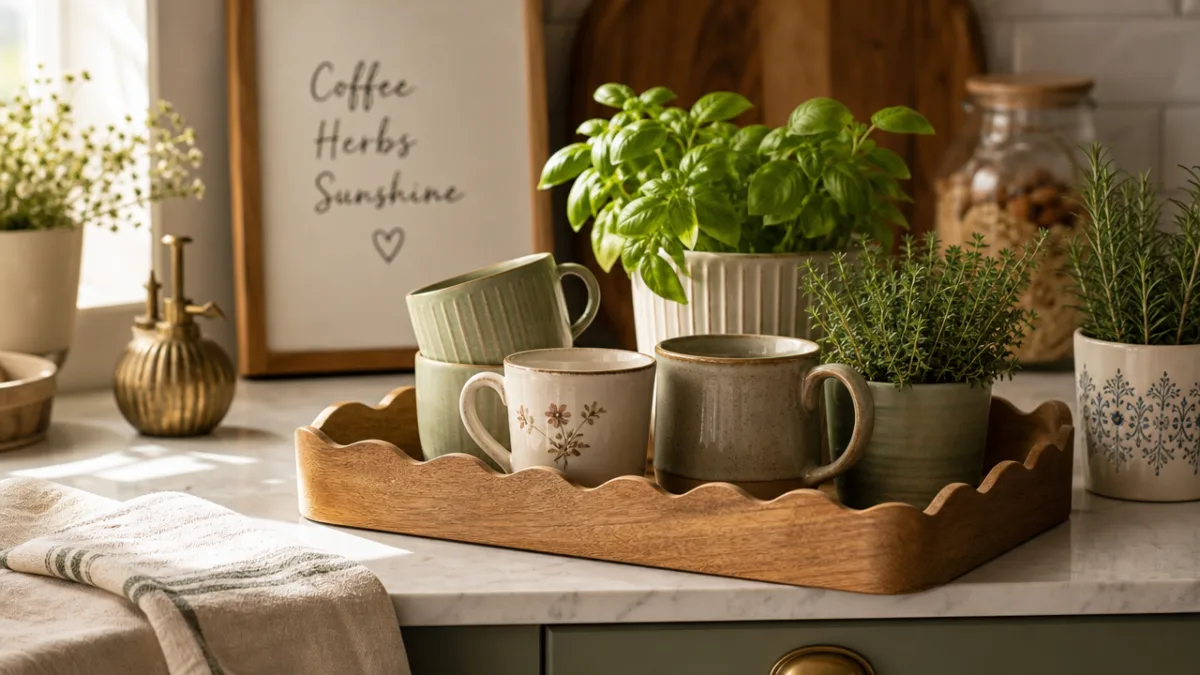
Beyond the kitchen, the tray’s decorative qualities make it equally at home in living rooms, bathrooms, and bedrooms. On a coffee table, it can anchor a styled vignette of candles, a small plant, a stack of books, and a decorative object — a classic interior design technique for making tabletop displays feel intentional and cohesive rather than cluttered. In a bathroom, it can organize perfumes, soaps, and small plants on a vanity or windowsill. On a bedroom dresser, it provides a beautiful landing spot for jewelry, watches, and daily essentials.
The tray also shines as an entertaining tool. For cocktail parties and casual gatherings, a beautifully loaded acacia tray becomes both a serving vehicle and a focal point — something guests admire before they help themselves. The following are just a few of the ways a scalloped acacia tray can be used effectively in different settings:
- As a charcuterie and cheese board for entertaining, adorned with cured meats, artisan cheeses, fresh fruit, nuts, and honeycomb for a visually stunning appetizer display.
- As a breakfast tray for serving coffee, toast, and fresh fruit in bed, turning an ordinary morning into a small luxury.
- As a bar tray for organizing cocktail-making essentials such as glasses, bitters, garnishes, and a small ice bucket.
- As a candle tray in living spaces, grouping pillar candles or votives of varying heights for a cozy, atmospheric arrangement.
- As a plant tray in sunlit windows, collecting small succulents, herb pots, or trailing vines in a charming, natural display.
- As a spa-inspired bathroom organizer for soaps, lotions, rolled towels, and bath salts, elevating everyday self-care into a ritual.
The ability to transition so fluidly between functional and purely decorative roles is what makes the scalloped acacia tray such an enduring and beloved home accessory. Unlike single-purpose kitchen tools that disappear into drawers between uses, this tray earns its place on permanent display — working hard when needed and looking beautiful always.
Caring for Your Acacia Tray: Maintenance Tips for Lasting Beauty
Proper care is the key to preserving the beauty and functionality of an acacia wooden tray for years and even decades. The most important rule is to keep the tray away from prolonged water exposure. While acacia’s natural oils provide some moisture resistance, extended contact with standing water will eventually penetrate any finish and cause the wood to swell, warp, or crack. Always wipe the tray dry immediately after use, and never leave wet items sitting on the surface for extended periods.
Regular conditioning with food-safe mineral oil or a beeswax-based wood conditioner is the single most effective maintenance practice for an acacia tray. This should be done approximately once a month for new trays and every few months for well-seasoned pieces. To apply, warm the oil slightly, rub it into the wood in the direction of the grain using a clean cloth, allow it to absorb for several hours or overnight, and then buff away any excess. This process replenishes the wood’s natural oils, deepens the color, and maintains the protective barrier against moisture and staining.
Storage and everyday handling also matter. When not in use, the tray should be stored in a dry location away from direct heat sources such as radiators or sunny windowsills, as prolonged heat exposure can dry out the wood and promote cracking. Avoid stacking heavy objects on top of the tray, which can cause surface damage or warping over time. With these straightforward care practices in place, a quality acacia tray will reward its owner with decades of beauty and reliable service — developing a rich patina over time that makes it even more characterful and lovely than it was when new.
Choosing and Gifting the Perfect Custom Acacia Tray
Selecting the right custom scalloped acacia tray — whether for yourself or as a gift — begins with a clear understanding of how and where it will be used. Size is the most fundamental consideration: a tray intended for use on a specific coffee table or kitchen counter should be measured against that space before ordering, while a gift tray benefits from a more versatile medium size that works across a range of settings. Most artisan makers offer a range of standard sizes alongside fully custom dimensions, making it possible to get exactly the right fit for any context.
When evaluating craftsmen and sellers, look for evidence of genuine skill and attention to detail. High-quality product photography that shows wood grain, edge profiles, and finish quality up close is a good indicator that the maker is proud of their work. Reading customer reviews with a focus on comments about construction quality, finish evenness, and durability over time will provide a realistic picture of what to expect. Artisans who offer personalization options and are willing to answer questions about their materials and process are generally the most trustworthy and skilled.
As a gift, a custom scalloped acacia serving tray is an extraordinarily thoughtful choice for a wide range of occasions. Its combination of beauty, practicality, and personalization potential makes it appropriate for weddings, housewarmings, anniversaries, birthdays, and holidays. A tray engraved with a couple’s initials and wedding date becomes a meaningful keepsake; one personalized with a family name transforms into a treasured piece of home décor. The gift of a handcrafted object communicates something that a store-bought alternative simply cannot: that the giver values quality, craftsmanship, and the relationship enough to seek out something truly special.

Where to Find Authentic Handcrafted Acacia Trays
The best sources for genuinely handcrafted acacia trays are platforms and marketplaces that connect buyers directly with individual artisans and small workshops. Etsy remains one of the largest and most accessible of these, hosting thousands of independent woodworkers who offer custom, made-to-order pieces alongside their standard collections. When shopping on such platforms, filtering by “handmade” and reading seller profiles carefully will help distinguish genuine craftsmen from resellers of mass-produced goods with artisan branding.
Local craft fairs, farmers markets, and artisan festivals are another excellent source for handcrafted wooden trays. Buying in person has the distinct advantage of allowing you to examine the tray’s construction quality directly — feeling the smoothness of the finish, checking the evenness of the scalloped edges, and assessing the weight and balance of the piece before committing to a purchase. It also creates an opportunity to meet the maker, learn about their process, and develop the kind of relationship with an artisan that often leads to future custom commissions and ongoing satisfaction.
Specialty kitchen and home goods stores that curate handcrafted and small-batch products are increasingly common in urban areas and online, offering a vetted selection of quality pieces from multiple makers. These retailers do some of the sourcing work on the buyer’s behalf, ensuring that products meet certain standards of quality and authenticity. While prices at these boutique retailers may be higher than buying directly from an artisan, the convenience and curation they offer can be worth the premium — particularly for gift purchases where time and certainty of quality are both important considerations.








What do you think?
It is nice to know your opinion. Leave a comment.