










20 Repurposing Ideas To Make Good Use Of Old Curtains
Why Repurposing Old Curtains Is Worth Your Time
Old curtains have a funny way of just… accumulating. You take them down, stuff them in a closet, and then never quite figure out what to do with them. They’re too worn or out of style to go back up, but throwing them away feels genuinely wasteful. And honestly? The fabric in most curtains is really good — thick, durable, and usually cut in those big, generous panels that give you a lot to work with. So before you toss them in a donation bin or drag them to the curb, it’s worth taking a second look at what those folds of fabric could become.
There’s also a real environmental reason to think twice before tossing them. Textile waste is growing fast — millions of pounds of fabric end up in landfills every single year, and curtains made from synthetic blends can take centuries to break down. When you repurpose instead of discard, you’re doing something small but meaningful: reducing the demand for new fabric production, which has its own heavy environmental cost. It adds up.
But beyond all that, there’s just something satisfying about turning something old and familiar into something new and actually useful. These projects don’t require a ton of tools or expertise — the ideas in this article range from dead-simple no-sew options to more involved sewing projects that are well worth the extra effort. Whatever your skill level, there’s something here for you.
Home Décor Projects That Transform Your Space
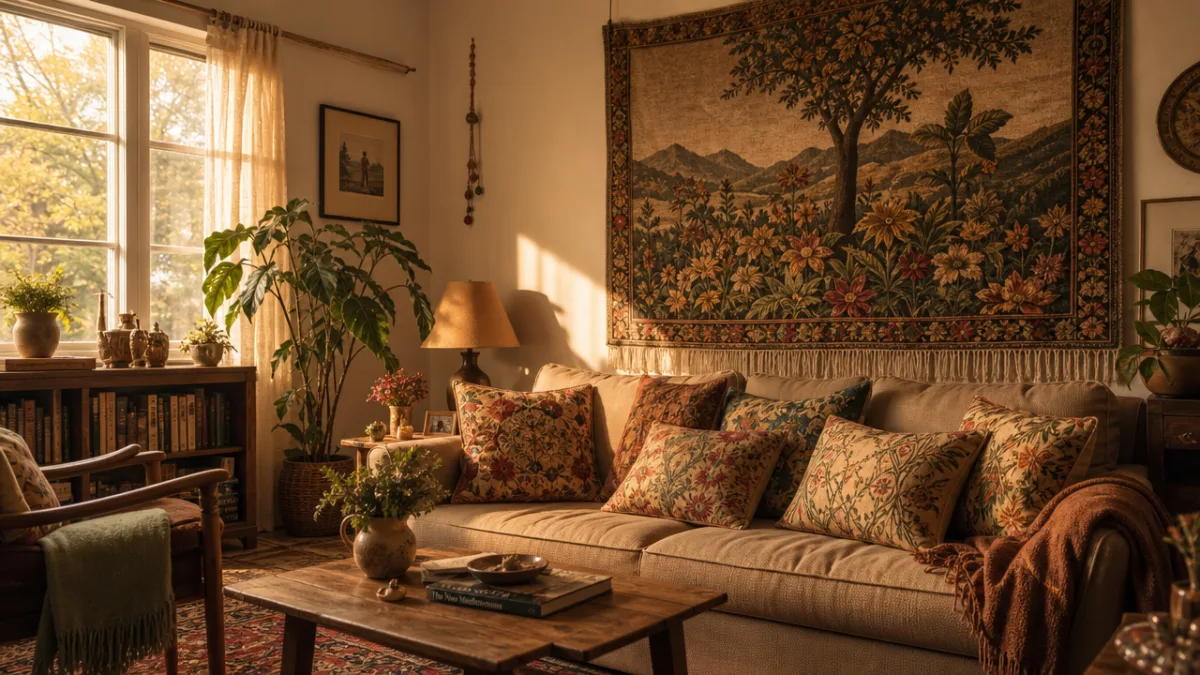
One of the most natural second lives for old curtains is somewhere else in your home décor. Curtains are designed to look good and hang well, so they translate surprisingly easily into things like table runners, decorative pillow covers, and wall hangings. A long linen or velvet panel, for instance, can be cut down and hemmed into a table runner that looks deliberately elegant rather than thrown together. And because curtain panels are so large, you can often get several décor pieces out of a single one.
Throw pillow covers are probably the most popular curtain repurposing project out there, and it’s easy to see why. They come together quickly, don’t demand much sewing skill, and the payoff is huge. A pair of heavy damask curtains can give you a dozen or more coordinating pillow covers that instantly freshen up a living room or bedroom — no new fabric required. If your curtains have an interesting border or trim, position it on the front face of the pillow for a detail that looks like it came straight from a boutique.
Curtain fabric also makes beautiful wall art. Heavy, textured panels can be stretched over a wooden frame to create oversized canvas-style pieces, while lighter fabrics can be gathered on a dowel and hung as a relaxed bohemian tapestry. This works especially well with curtains that have a strong pattern, an embroidered edge, or a deep, jewel-toned color. The result has a warmth and texture that no mass-produced print can really match.
Practical Sewing Projects for Everyday Use
Old curtains are a fantastic source of fabric for the kind of everyday items you actually reach for on a regular basis. Tote bags are a great example — curtain fabric holds its shape, handles the weight of groceries or books without giving out, and can be interfaced for extra structure if you want it. A single full-length panel has plenty of fabric for two or three roomy tote bags, complete with sturdy handles and an interior pocket. They make genuinely great gifts, too, because people actually use them.
Kitchen projects are another practical win. Curtain fabric can become aprons, oven mitts, pot holders, and dish towels without too much trouble. Thicker fabrics like canvas or heavy cotton are especially well suited here — they offer a bit of insulation and hold up to regular washing. An apron made from a pretty vintage curtain has a retro charm you just won’t find at a store. And if your curtains have a floral or geometric print, you can turn them into a whole coordinated kitchen set that looks intentional and lovely.
Storage is another area where curtain fabric really shines. Fabric bins, laundry bags, and drawstring pouches all benefit from the weight and durability of curtain material. A set of storage cubes made from matching curtain panels creates a cohesive system for a bookshelf or closet. Drawstring bags in various sizes are perfect for toys, shoes, craft supplies, or gym gear. Because curtain panels are so large, you can size these however you actually need them without worrying about running short on fabric.
Outdoor and Garden Uses for Curtain Fabric
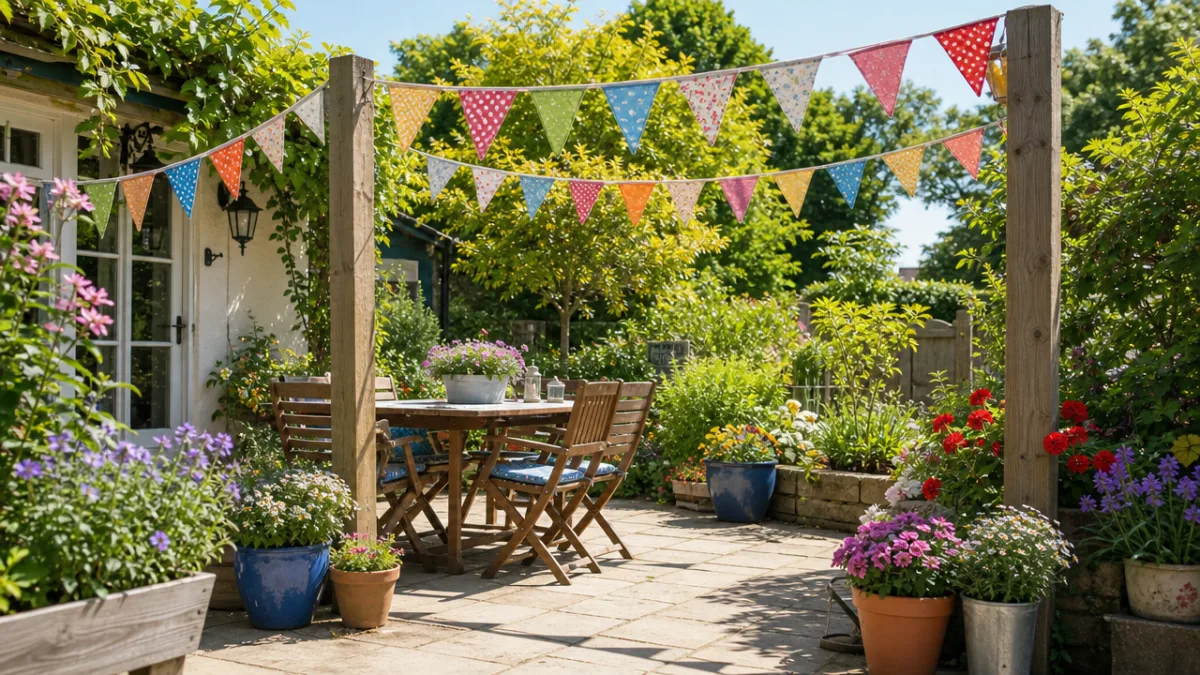
The outdoors offers some surprisingly clever uses for old curtains that a lot of people overlook. Heavier fabric can be sewn into outdoor cushion covers for patio furniture — a budget-friendly way to breathe new life into a tired set of chairs or a worn bench. You’ll want to either choose a fabric that can handle a bit of moisture or treat it with a water-resistant spray, but most curtain materials are durable enough for seasonal outdoor use. Just pull the covers off at the end of the season and store them, and they’ll last much longer.
In the garden, old curtains can work as ground cover or a weed barrier under mulch. It’s not the most glamorous use on this list, but it’s genuinely practical — especially for gardeners who want something that breathes better than plastic sheeting. Loosely woven curtain fabric lets water and air through while blocking the light that weed seeds need to sprout. Even small scraps are useful here, laid around the base of individual plants. This is a great way to use fabric that’s too faded or stained for anything else.
You can also turn curtain fabric into garden kneeling pads, plant covers for frost protection, or cheerful bunting for outdoor entertaining. A length of colorful printed curtain cut into triangles and strung on twine makes instant party bunting that costs you nothing and can be reused for years. And for frost protection, draping an old curtain panel over young plants on cold nights provides a surprising amount of insulation — enough to protect seedlings that might not otherwise survive a late frost. Even the most worn-out curtains have something left to give.
Clothing and Wearable Projects
With a little more sewing confidence, old curtains can actually become wearable — and this idea is less strange than it sounds. Fashion designers have known for a long time that drapery fabric, with its weight, drape, and often luxurious feel, translates beautifully into clothing. Lightweight sheers can become flowing skirts or scarves. Heavier woven panels lend themselves to structured jackets, wrap skirts, or wide-leg trousers. The main thing is matching the weight and feel of the fabric to whatever you’re making.
Accessories are a great entry point if you’re new to garment sewing. Headbands, scrunchies, and hair wraps need only small pieces of fabric and very basic skills. A silk or satin curtain — even one that’s seen better days — can yield dozens of luxurious scrunchies or a beautiful wide headband. Fabric belts, fabric-covered buttons, and small coin purses are similarly accessible projects that don’t need much material but turn out charming and completely unique. They also make excellent gifts or, if you’re so inclined, craft fair products.
For a more ambitious project, a curtain can become a kimono-style jacket or a loose, flowing robe. These use fairly simple rectangular construction, so you don’t need advanced pattern-drafting skills, and they’re forgiving of fabric that isn’t perfectly uniform in weight or texture. Velvet curtains in rich colors are especially striking as kimonos, while lightweight cotton or linen panels produce elegant beach cover-ups or loungewear. Search “curtain kimono tutorial” online and you’ll find plenty of beginner-friendly guides to walk you through it.
Children’s Projects and Playful Ideas
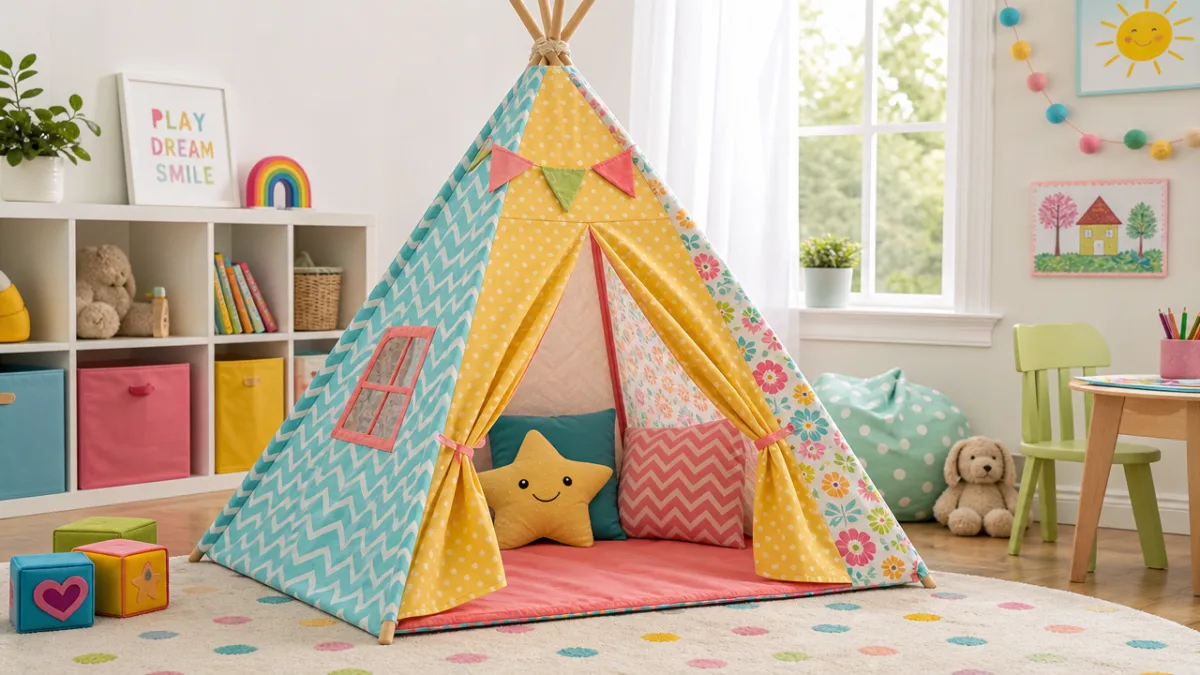
Old curtains are wonderful for children’s projects — both things you make for kids and things you make with them. The fabric is forgiving, comes in plenty of fun prints and colors, and is tough enough to handle some serious play. One of the most beloved projects in this category is the classic fabric fort or play tent. A few curtain panels stitched together and hung over a frame, or draped between furniture legs, creates exactly the kind of magical hideaway that kids absolutely love — and it costs virtually nothing to make.
Stuffed animals and soft toys are another great use for curtain fabric when you’re making something for a child. A simple stuffed elephant, bunny, or doll only needs basic shapes and a bit of stuffing, and both can often come from other repurposed materials. Patterned curtain fabric gives these handmade toys a distinctive, vintage-inspired look that’s nothing like anything you’d find in a store. Kids often form a real attachment to handmade things, knowing something was made just for them from fabric with its own little history.
Consider also these child-friendly curtain repurposing ideas that can be done as craft activities together:
- Fabric-painted placemats cut from plain curtain panels, personalized by children with fabric paint or markers
- Simple drawstring bags for library books, snacks, or art supplies, decorated with iron-on patches
- Fabric bunting for a child’s bedroom, cut into triangles and strung without any sewing required using fabric glue
- Dress-up capes made from lightweight curtain panels, hemmed with ribbon trim for a theatrical flourish
- Fabric collage materials cut into shapes for mixed-media art projects
These projects do double duty: they keep kids engaged and creative while also teaching something real about reuse and resourcefulness. Showing children that old things can become new again — and making that lesson hands-on and fun — tends to stick with them. A rainy afternoon spent turning an old curtain into something new is a genuinely good time, and quietly, it plants something worthwhile.
No-Sew and Low-Skill Ideas for Beginners
Not everyone has a sewing machine, and not everyone wants one — and that’s completely fine. Some of the best curtain repurposing ideas don’t involve a single stitch. Fabric glue and iron-on hem tape have gotten remarkably good, and with these tools you can make pillow covers, tote bags, fabric baskets, and wall hangings without ever picking up a needle. For decorative projects especially, the results are often indistinguishable from sewn items.
Tie-dyeing or over-dyeing old curtains is a no-sew project that can completely change what you’re working with. Fabric dye is cheap, easy to find, and not that hard to use as long as you’re willing to follow the instructions and accept a bit of mess. A set of beige or cream curtains that feel tired and dated can come out of a dye bath as a rich terracotta, deep indigo, or sage green — colors that feel very current right now in home décor. For the amount of effort involved, the transformation is pretty dramatic.
Here are some additional no-sew curtain repurposing ideas worth trying:
- Fabric-wrapped picture frames: Cut strips of curtain fabric and wrap them tightly around plain wooden frames, securing with hot glue for a textured, designer look.
- Braided rugs or mats: Cut curtain fabric into long strips, braid them together, and coil them into a flat mat secured with hot glue at intervals.
- Plant pot covers: Wrap fabric around terracotta pots and secure with twine or a rubber band for an instant decorative upgrade.
- Fabric bookmarks: Cut narrow strips, fray the ends slightly, and you have charming handmade bookmarks with no tools required at all.
- Gift wrapping: Use curtain fabric in place of paper to wrap gifts in the Japanese furoshiki style, which is both beautiful and completely package-free.
What’s great about no-sew projects is that they remove the barrier for anyone who wants to try repurposing but isn’t ready to dive into actual sewing. Starting simple builds confidence, and a lot of people find that after a few fabric glue projects they get curious about basic stitching — and from there, what they can make expands pretty quickly. Old curtains, it turns out, can be more than just material. For a lot of people, they end up being the starting point for a creative practice they didn’t know they wanted.








What do you think?
It is nice to know your opinion. Leave a comment.