










8 Great Things To Make From A Pillowcase: Creative DIY Projects for Every Home
Introduction: Why Pillowcases Are a DIY Goldmine
When most people think about repurposing fabric around the home, old pillowcases rarely come to mind as the first candidate. Yet these humble textile rectangles are among the most versatile pieces of cloth you will ever encounter in your crafting journey. Made from soft, durable fabric — usually cotton, linen, or a blend — pillowcases arrive pre-sewn with finished edges, meaning half the hard work is already done for you before you even pick up a pair of scissors.
The average household accumulates pillowcases faster than it retires them. A mismatched set here, a worn corner there, or simply a color that no longer suits the bedroom décor can leave you with a stack of perfectly usable fabric that feels destined for the donation pile. Before you surrender those textiles, consider what a little imagination and a few basic craft supplies can transform them into. The results can be both beautiful and highly functional.
This article explores eight genuinely rewarding projects you can create from a single pillowcase, ranging from beginner-friendly sewing tasks to slightly more adventurous undertakings that will stretch your skills in satisfying ways. Whether you are trying to reduce household waste, save money, or simply explore a new creative outlet, pillowcase DIY projects offer an accessible and surprisingly rich entry point into the world of upcycled crafting.
Tote Bags and Market Bags: Sustainable Shopping Starts at Home
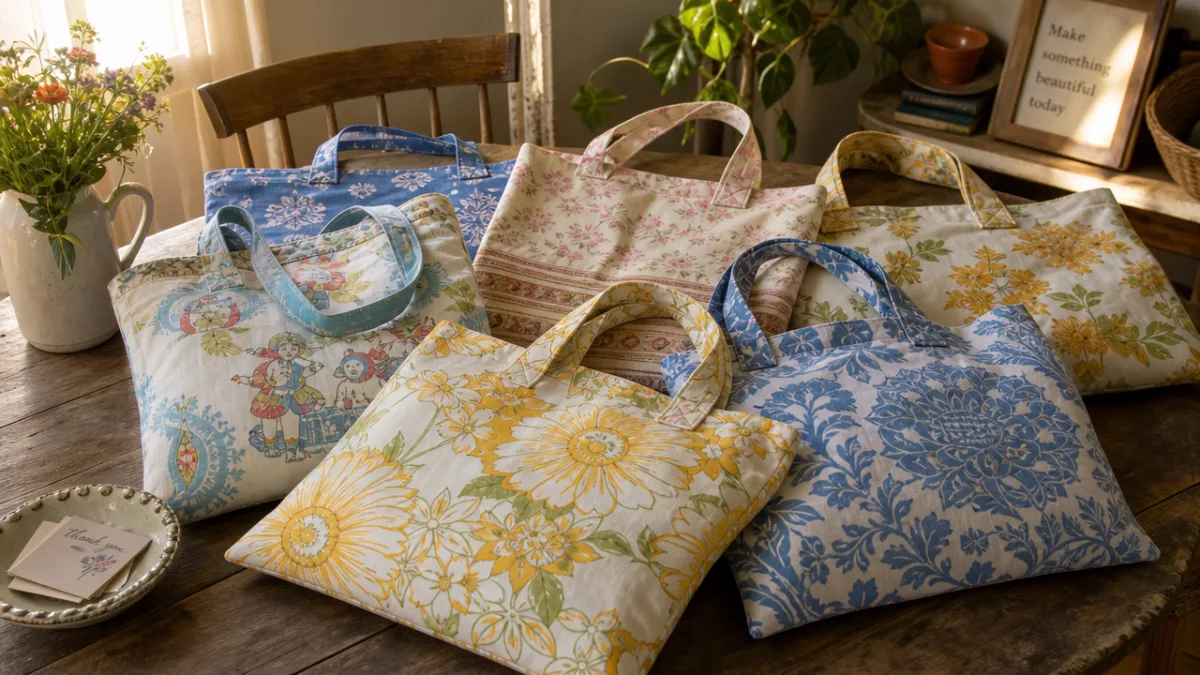
One of the most immediately practical projects you can make from a pillowcase is a reusable tote bag. The dimensions of a standard pillowcase translate almost perfectly into a roomy shopping bag, and the construction process requires minimal sewing experience. All you need to do is cut two handles from the open end of the pillowcase, reinforce the seams if desired, and you have a bag that is ready for the farmers market, grocery run, or beach trip. The fabric is soft enough to fold flat for storage yet sturdy enough to carry a meaningful load.
For a more polished look, you can fold and press the fabric before cutting your handles, creating clean lines that mimic store-bought bags. Adding a small inner pocket cut from a leftover fabric scrap elevates the design further and gives you a convenient place to store your keys or phone while shopping. If your pillowcase features a bold print or an embroidered detail, that decorative element instantly becomes the statement design of your finished bag, requiring no additional embellishment whatsoever.
The environmental argument for making tote bags from pillowcases is genuinely compelling. A single cotton tote bag, when used consistently, can replace hundreds of single-use plastic bags over its lifetime. When that tote is made from a fabric that was already in circulation rather than newly manufactured, the environmental benefit compounds further. Teaching children to make their own tote bags from pillowcases is also a wonderful way to introduce younger generations to the principles of sustainable living through hands-on creativity rather than abstract lectures.
Laundry Bags and Lingerie Bags: Organization Meets Upcycling
A pillowcase already functions as a basic laundry bag in a pinch — many travelers and college students have discovered this by necessity — but with a small amount of effort, you can transform it into a purpose-built laundry organizer that serves your household for years. By adding a simple drawstring to the open end using a length of ribbon, cord, or even a strip of fabric cut from another pillowcase, you create a bag that can hang from a hook, sit in a laundry basket, or travel with you on vacation without spilling its contents.
Dedicated lingerie bags, which protect delicate fabrics during machine washing, are another excellent application. A pillowcase cut down to a smaller size and sewn with a zipper or a tight drawstring closure creates a gentle enclosure that prevents underwire bras, lace garments, and other delicates from tangling with heavier items or snagging on the drum of the washing machine. Commercial lingerie bags made from mesh are effective but flimsy, whereas a pillowcase version made from a softer cotton weave can actually be gentler on truly fine fabrics while lasting considerably longer.
Color-coded laundry bags made from different pillowcases offer a clever household organization strategy that the whole family can participate in. Assigning each family member their own pillowcase-turned-laundry-bag means clothes can be sorted at the source rather than after washing, and the bags themselves can go directly into the machine, eliminating the need to sort and handle individual items before the wash cycle begins. It is a simple system that saves time, reduces sorting errors, and keeps the laundry room considerably more organized on an ongoing basis.
Aprons and Kitchen Accessories: Functional Craft for the Home Cook
The kitchen is a natural home for pillowcase creations, and a simple half-apron is one of the most rewarding projects a beginner can complete in under an hour. A pillowcase provides enough fabric for a generously sized apron panel, and the existing hemmed edges serve as ready-made finishing along the sides. You simply need to cut the fabric to your preferred apron shape, add ties made from the remaining pillowcase fabric or a contrasting ribbon, and you have a piece of kitchen kit that is genuinely useful and entirely personalized to your own taste.
Beyond the apron itself, pillowcase fabric works beautifully for a whole range of kitchen textiles. Bread bags, for instance, are a wonderful way to store artisan loaves and sourdough without the plastic waste of conventional packaging. A pillowcase cut and sewn into a cylinder with a gathered top keeps bread fresh for several days while allowing the crust to breathe, which is exactly what a quality loaf needs. Produce bags for storing vegetables in the refrigerator are another quick and practical project that requires only straight sewing along two or three edges.
Oven mitts and pot holders present a slightly more ambitious challenge but remain entirely achievable with basic sewing skills and the addition of heat-resistant batting or insulating fabric layered inside the pillowcase exterior. The softness and washability of pillowcase cotton make it ideal for these applications, since kitchen textiles need to withstand frequent laundering without losing their shape or integrity. A set of handmade kitchen accessories made from a coordinating pair of pillowcases creates a cohesive, artisanal aesthetic in the kitchen that no mass-produced product can quite replicate.

Children’s Projects: Pillowcase Crafts for Little Hands and Big Imaginations
Pillowcases are particularly wonderful for children’s craft projects because the fabric is forgiving, the scale is manageable, and the finished products tend to be things that children genuinely want to use or display. A simple pillowcase dress, for instance, is a beloved children’s sewing project that produces a wearable garment in just a few steps. You cut armholes into the sides of the pillowcase near the closed end, add straps, and finish the raw edges — the result is a charming summer dress that fits children aged two through six depending on the pillowcase size and the child’s proportions.
Stuffed animals and soft toys are another area where pillowcases shine as a crafting medium. The fabric is soft against a child’s skin, the neutral or patterned backgrounds offer interesting texture and visual appeal, and the material stuffs beautifully with polyester fiberfill or even shredded fabric scraps from other projects. A simple bunny shape cut from a pillowcase and sewn together with embroidered facial features becomes a beloved toy that carries genuine sentimental value precisely because it was made by hand rather than purchased from a shelf.
Costume elements and play accessories made from pillowcases encourage imaginative play in a screen-free, tactile way. A simple cape requires nothing more than cutting an arc from one corner and adding a tie at the neck. A pirate’s bandana, a fairy skirt, a superhero mask — all of these can be cut and tied or minimally sewn from pillowcase fabric in an afternoon crafting session with children. The creative conversation that happens during the making process is arguably just as valuable as the finished object, building confidence and narrative thinking in young crafters alongside their practical skills.
Home Décor and Soft Furnishings: Elevating Your Living Space
Pillowcases can be repurposed into an impressive variety of home décor items that genuinely enhance the aesthetic of a living space when executed thoughtfully. Cushion covers are the most obvious application — you are essentially reversing the original purpose of the object — but there is real artistry in selecting the right pillowcase print, adding embellishments like buttons or lace trim, and placing the finished cushion in a room where its colors complement the existing palette. A collection of cushion covers made from vintage or thrifted pillowcases can create a layered, eclectic look that interior designers spend considerable money trying to achieve.
Table runners and placemats cut from a pillowcase bring handmade warmth to the dining table without requiring sophisticated sewing skills. A single queen-sized pillowcase provides enough fabric for a table runner of generous proportions, and the finished edges along the sides of the pillowcase mean you may only need to hem the two short ends to complete the project. A set of four placemats cut from the same pillowcase will share a cohesive fabric story while being practical, washable, and entirely original in a way that mass-produced table linens simply cannot match.
Window treatments, drawer liners, and fabric-covered storage boxes represent the more adventurous end of pillowcase home décor projects. A simple café curtain for a small window requires only a pillowcase, a curtain rod, and a sewn rod pocket along one edge. Drawer liners cut from a softly printed pillowcase add a personal, boutique-hotel quality to bedroom furniture. Fabric-covered storage boxes or magazine holders constructed over cardboard forms and wrapped in pillowcase fabric blend form and function in a way that demonstrates the remarkable design potential hidden inside what most people consider disposable household textile.

Gift Wrapping and Packaging: Beautiful Alternatives to Paper and Plastic
The Japanese practice of furoshiki — wrapping gifts and carrying objects in fabric rather than paper — translates wonderfully to pillowcase material, and it represents one of the most immediately elegant applications of pillowcase fabric in everyday life. A pillowcase cut into generous squares or rectangles becomes a wrapping cloth that can be tied, folded, and styled around gift boxes, bottles, and irregularly shaped presents in ways that paper simply cannot accommodate. The recipient receives not only the gift inside but also a useful piece of fabric that continues to serve long after the original occasion has passed.
Fabric gift bags sewn from pillowcases replace single-use paper gift bags with something durable, attractive, and genuinely reusable over many gift-giving occasions. Tied with a ribbon and finished with a handwritten tag, a pillowcase gift bag looks considered and intentional rather than improvised, and many recipients will appreciate the extra layer of thoughtfulness that a handmade element communicates. Businesses and artisan makers who include pillowcase fabric bags with their products create a memorable unboxing experience that supports their sustainability values simultaneously.
Seasonal and holiday-specific gift packaging made from pillowcases offers another creative dimension. A pillowcase featuring a floral print becomes charming spring wrapping for Mother’s Day gifts. A vintage-looking striped pillowcase channels a nostalgic aesthetic perfect for Christmas stockings or birthday packages. Building a small collection of pillowcase fabric pieces in different colors and patterns means you always have attractive, zero-waste gift packaging on hand without needing to make a last-minute trip to the shops for wrapping paper that will be torn open and discarded within seconds of being presented.
Gardening and Outdoor Uses: Taking Your Pillowcase Projects Outside
The garden may not be the first place you imagine using repurposed pillowcases, but there are several genuinely practical applications that make excellent use of the fabric’s properties. Seed saving bags are perhaps the most charming: a small pillowcase or a section of one tied around a seed head at the end of the growing season captures seeds as they mature and dry, preventing them from scattering and allowing the gardener to collect them for next year’s planting. This technique works particularly well with sunflowers, poppies, cosmos, and vegetable varieties that cross-pollinate easily.
Kneeling pads and tool pouches made from doubled-over, stuffed pillowcase fabric bring comfort and organization to the garden in a form that can be easily brushed clean or thrown into the washing machine after a muddy session in the beds. A pillowcase stuffed with old clothing scraps or foam offcuts creates a surprisingly comfortable cushion for kneeling on hard soil or stone, saving significant wear on joints during extended weeding or planting sessions. A simple tool roll sewn from a pillowcase with interior pockets keeps small hand tools organized and protected during transport.
Frost protection covers for tender plants during unexpected cold snaps represent one of the most practical outdoor uses for old pillowcases, and countless experienced gardeners already use this technique without necessarily thinking of it as a craft project. Slipping a pillowcase over a potted plant or a young seedling overnight when frost threatens can make the difference between a plant surviving and perishing, and the breathable cotton fabric is far superior to plastic sheeting for this purpose. Having a dedicated collection of old pillowcases set aside specifically for garden use is a habit that rewards the thoughtful gardener season after season.
Conclusion: The Endless Potential of a Simple Rectangle of Fabric
What makes pillowcase DIY projects so compelling as a category is not any single spectacular transformation but rather the cumulative realization that one simple, rectangular piece of fabric can meet such a diverse range of practical and creative needs. From children’s clothing to garden tools, from kitchen aprons to elegant gift wrapping, the projects explored in this article demonstrate that creativity and resourcefulness are not dependent on expensive materials or specialized skills. They depend on the willingness to look at something familiar and ask a different kind of question about what it could become.
The broader movement toward sustainable living and conscious consumption finds a natural ally in DIY upcycling projects of this kind. Every pillowcase that becomes a tote bag, a cushion cover, or a seed saving pouch is a small but meaningful vote for a different relationship with material goods — one that values longevity, ingenuity, and personal investment over the convenience of disposability. These are not grand gestures; they are quiet, accumulating choices that, practiced consistently across a household and a community, add up to something genuinely significant over time.
If you are new to textile crafting, a pillowcase project is an ideal place to start your journey. The fabric is forgiving, the scale is manageable, the initial investment is essentially zero, and the rewards in terms of skill development, satisfaction, and practical output are immediate and tangible. If you are already an experienced maker, revisiting the humble pillowcase with fresh eyes may surprise you with how much creative territory remains unexplored within its simple, rectangular boundaries. Either way, the best moment to begin is with whatever pillowcase happens to be closest to hand.








What do you think?
It is nice to know your opinion. Leave a comment.