










How To Apply For Home Improvement Grants For Home Repairs
Understanding Home Improvement Grants and What They Cover
If you’re a homeowner struggling to keep up with repairs, home improvement grants might be exactly what you need. These are funds provided by federal, state, and local government agencies — as well as nonprofits — to help cover the cost of necessary fixes and renovations. The best part? Unlike a loan, you don’t have to pay a grant back. That makes them incredibly valuable if you’re trying to keep your home safe and livable on a tight budget. Governments invest in these programs because housing quality affects public health, community stability, and the broader economy — so there’s a real shared interest in keeping homes in decent shape.
What these grants actually cover depends a lot on the specific program and where the money is coming from. Many focus on critical health and safety repairs — think faulty electrical wiring, a failing roof, plumbing problems, or mold and lead paint hazards. Others are aimed at energy efficiency, helping homeowners pay for things like insulation, new windows, or upgraded heating and cooling systems. Before you start searching for programs, it helps to get clear on what your home actually needs so you can zero in on the grants most relevant to your situation.
Eligibility usually comes down to a mix of factors: your household income, whether you own your home, the age and condition of the property, and sometimes your own age or disability status. Most federal programs are geared toward low-to-moderate income households, veterans, seniors, and people with disabilities. It’s worth taking the time to review the eligibility requirements for any program you’re considering before applying — applying for something you don’t qualify for just eats up time you may not have, especially if repairs are urgent.
Major Federal Grant Programs Available to Homeowners
One of the most well-known federal options is the USDA’s Section 504 Home Repair Program, run through its Rural Development branch. It provides grants of up to $10,000 to very low-income homeowners who are 62 or older and live in rural areas. The money is meant to address health and safety hazards in the home, and as long as you stay in the home for at least three years after receiving the funds, you won’t have to pay anything back.
HUD runs the Community Development Block Grant (CDBG) program, which works a bit differently — instead of going directly to homeowners, the money flows to states, cities, and counties, which then build their own local home repair and rehabilitation programs around it. Because each community designs its own version, what’s available, who qualifies, and how you apply can vary quite a bit depending on where you live. Your best bet is to reach out to your local HUD field office or check your city or county government’s website to find out what’s on offer nearby.
The Weatherization Assistance Program (WAP), run by the U.S. Department of Energy, is another solid option if energy costs are a burden. It gives money to states to help low-income households make their homes more energy efficient, covering things like insulation, air sealing, heating system repairs, and related health and safety work. The program helps around 35,000 homes a year and has served more than 7 million families since it launched in 1976. To qualify, your household income generally needs to be at or below 200 percent of the federal poverty level.
State and Local Grant Programs Worth Exploring
Federal programs are just the starting point. Most states run their own home repair and improvement grant programs, typically funded through a mix of federal block grants and state money. How generous these programs are varies quite a bit from state to state, and they often target specific groups or repair types. A lot of states, for example, have dedicated programs for seniors who want to age in place, offering grants for things like grab bars, wheelchair ramps, wider doorways, and bathroom modifications. Others focus heavily on lead paint abatement in older homes as part of broader public health efforts.
At the local level, counties, cities, and townships often have their own home repair programs layered on top of what the state offers. These might be funded through local property taxes, municipal bonds, or federal pass-through grants. Some municipalities team up with local nonprofit housing organizations to stretch their programs further, adding services like home repair counseling, contractor referrals, and help managing the construction process. Urban areas in particular tend to have stronger local programs, partly because older housing stock is more concentrated there and partly because more funding sources are available.
Nonprofits are worth looking into too — they play a bigger role in this space than many homeowners realize. Organizations like Habitat for Humanity, Rebuilding Together, and local community action agencies often provide direct repair services or grant funding to qualifying homeowners. Many accept applications year-round and have less complicated processes than government programs. Some specialize in emergency repairs, sending out volunteer crews with donated materials to tackle the most urgent problems quickly. Finding these organizations takes a bit of digging, but a great starting point is 211.org, which connects people with local social services and can point you toward resources in your area.
Step-by-Step Guide to the Application Process
Before you fill out a single form, spend some time getting your paperwork in order. Most home improvement grant programs want to see proof of homeownership, proof of identity, income documentation for everyone in your household, and some kind of record of what repairs are needed. Having all of this ready before you start will make the whole process much smoother and help you avoid the delays that come from chasing down missing documents. A dedicated folder — physical or digital — is a simple way to keep everything in one place.
Here’s what you’ll typically need to pull together when applying for home improvement grants:
- Proof of homeownership such as a deed, mortgage statement, or property tax bill
- Government-issued photo identification for all adult household members
- Proof of income including recent pay stubs, tax returns, Social Security award letters, or pension statements
- Utility bills showing your current service address
- Documentation of needed repairs such as contractor estimates, inspection reports, or photographs
- Bank statements for the past two to three months
- Homeowner’s insurance policy information
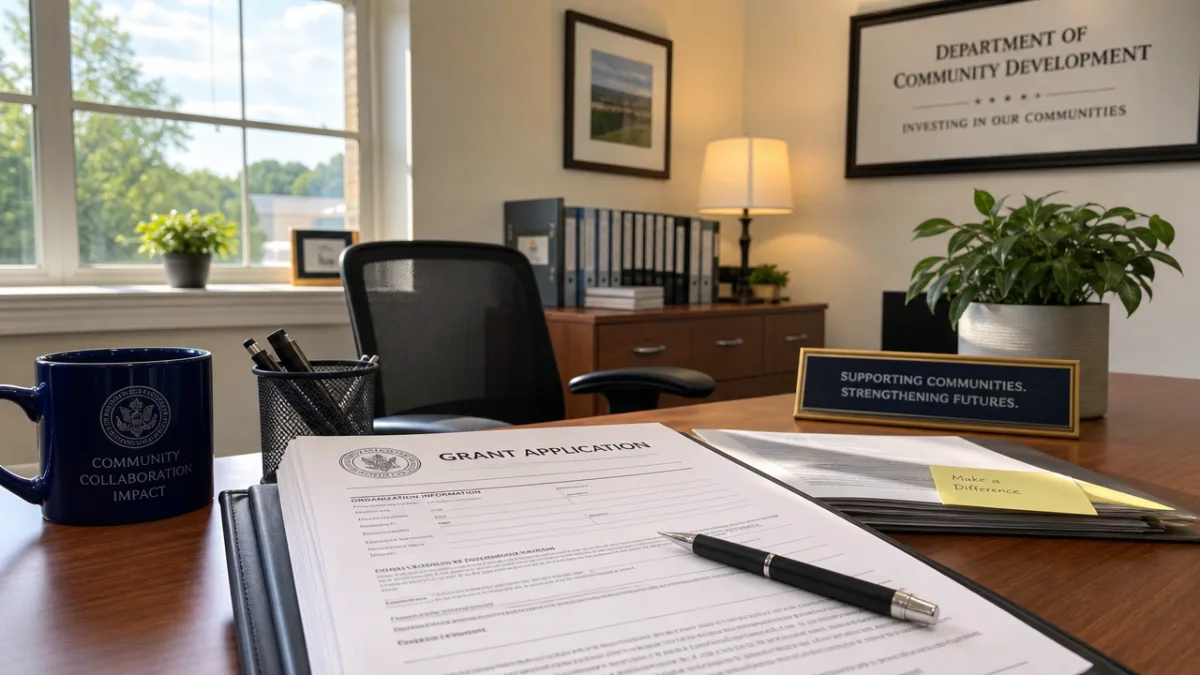
Once your documents are ready, figure out which programs you want to apply for and get their application forms. Many programs now have online applications, but some still use paper forms submitted by mail or in person. Either way, read the instructions all the way through before you start filling anything out. Pay close attention to deadlines — many programs only accept applications during specific windows each year. And if a program has a waitlist, get on it right away even if funding isn’t currently available. It’s better to be in line than to miss your spot.
After you submit, expect to wait anywhere from several weeks to a few months for a decision, depending on the program and how many applications they’re working through. While you’re waiting, it’s worth checking in periodically with the administering agency to confirm your application is complete and moving forward. If you’re approved, you’ll get an official notification letter spelling out the amount of assistance and any conditions attached. If you’re denied, ask for the reason in writing — that information is genuinely useful for figuring out whether a different program might be a better fit, or what you could do differently in a future application.

Tips for Maximizing Your Chances of Grant Approval
Don’t wait on one program before applying to another — apply to as many as you realistically qualify for at the same time. Different programs have different eligibility rules, funding cycles, and availability, so casting a wider net genuinely improves your odds of getting help. Keep a running record of every application you submit: the date, the name and contact info of your point person at the agency, and any reference numbers you’re given. It sounds like extra work, but tracking multiple applications without this kind of system gets confusing fast.
If you can, work with a HUD-approved housing counselor. These are trained professionals who know the grant landscape well and can help you figure out which programs you’re most likely to qualify for, get your application materials in shape, and step in on your behalf if something goes sideways during the review process. The best part is that HUD-approved housing counseling is usually free or very low cost to homeowners. You can find a counselor near you through the HUD website or by calling their toll-free referral line.
When it comes to documenting your repair needs, more detail is always better. Vague descriptions don’t make a strong case — specific contractor estimates, clear photographs, and inspection reports from licensed inspectors do. If any of your repairs involve a health or safety hazard like bad wiring, structural damage, lead paint, or asbestos, make sure that comes through clearly in your application. Most programs give priority to those kinds of issues, so putting that front and center can only help your case.
Common Mistakes to Avoid When Applying for Home Repair Grants
The most common — and avoidable — mistake is not reading the application instructions carefully. Grant administrators deal with a high volume of applications, and incomplete or incorrectly filled-out forms often get rejected before anyone even reviews them. Go through every instruction, answer every question fully, and double-check that all your required documents are included before you hit submit or drop it in the mail. If something in the application is unclear, call the agency and ask — guessing and getting it wrong is much worse than taking a few minutes to clarify.
Missing deadlines or being slow to respond to follow-up requests is another problem that trips people up more than you’d expect. Many grant programs run on strict timelines, and if you miss the application window, you might be looking at waiting a full year or more for the next cycle. Once you’ve submitted an application, keep an eye on your mail and email for anything from the administering agency, and respond to requests for additional information as quickly as you can. A slow response can bump you out of consideration even if you were otherwise a strong candidate.
One more mistake to avoid: starting repairs before your grant is officially approved. It’s tempting when things feel urgent, but most programs require that all work be done by licensed and insured contractors who have been vetted by the agency, and that proper permits are pulled before anything starts. Jumping ahead can disqualify you from receiving the grant entirely and may also create headaches with your homeowner’s insurance or local building codes. Wait for written approval, follow the program’s guidelines on contractor selection, and don’t let a hammer swing until everything is in order.
Additional Resources and Long-Term Planning for Home Maintenance
Grants aren’t the only form of help out there. If a grant program isn’t available to you or doesn’t cover everything you need, there are other financial tools worth knowing about. The FHA’s 203(k) rehabilitation loan program lets homeowners finance both a home purchase and renovation costs through a single mortgage. The FHA Title I Home Improvement Loan program offers insured loans for improvements that protect or improve the basic livability of a property. Many state housing finance agencies also offer low-interest home improvement loans that can work alongside or in place of grant funding.
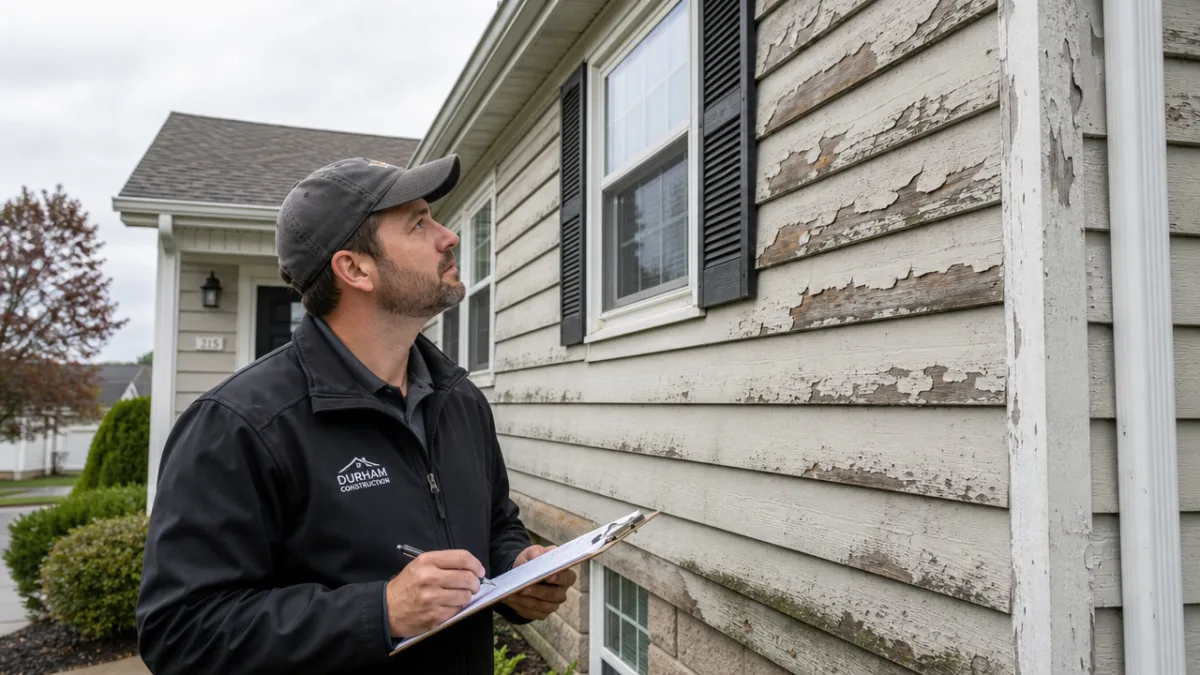
Long-term planning matters too, and it’s something a lot of homeowners overlook until a small problem turns into a big one. Getting into a routine of seasonal inspections — checking your roof, gutters, plumbing, HVAC system, and foundation on a regular basis — gives you a much better shot at catching issues early, when they’re cheaper and easier to fix. Setting aside even a modest amount each month into a dedicated home repair fund gives you a cushion for those smaller issues so they don’t spiral. Most home improvement professionals suggest budgeting about one to two percent of your home’s value per year for maintenance and repairs, which is a reasonable place to start.
Community resources are also worth tapping into. Many areas have volunteer home repair programs, tool lending libraries, and skill-sharing networks where experienced tradespeople donate their time to help neighbors. Faith communities, neighborhood associations, and civic groups sometimes organize repair volunteer days or can connect homeowners with skilled volunteers. Getting to know what’s available in your community — and actually building those connections — can make a real difference in how well you’re able to maintain your home over time.
Finally, keep in mind that staying on top of grant opportunities is an ongoing effort. Programs change their eligibility rules, funding levels, and application windows from year to year, and new programs occasionally pop up in response to disasters, economic shifts, or new legislation. Signing up for newsletters from your local housing authority, HUD, the USDA Rural Development office, and nearby nonprofit housing organizations is a good way to stay in the loop. It takes patience and persistence, but a lot of homeowners do successfully find the grant funding they need — and with the right preparation, there’s no reason you can’t be one of them.








What do you think?
It is nice to know your opinion. Leave a comment.