










DIY Home Decor Ideas: Transform Your Space Without Breaking the Bank
Introduction: Why DIY Home Decor Is Worth Your Time
There is something deeply satisfying about looking around your home and knowing that the beautiful, thoughtful touches you see were created by your own hands. DIY home decor has surged in popularity over the past decade, and for good reason — it allows homeowners and renters alike to express their personalities in ways that mass-produced furniture and decor simply cannot replicate. Whether you are working with a modest budget or simply enjoy the creative process, making your own decorations is one of the most rewarding hobbies you can develop.
Beyond the emotional satisfaction, DIY home decor is genuinely cost-effective. A single decorative pillow from a high-end retailer might cost sixty dollars or more, while the materials to craft one yourself often run under fifteen. Multiply those savings across an entire room or home, and the financial benefits become impossible to ignore. More importantly, the result is something unique — a piece that no one else in the world has in quite the same form, made with exactly the colors, textures, and dimensions that suit your specific space and taste.
This article is designed to walk you through some of the most accessible, stylish, and genuinely impressive DIY home decor projects available today. From wall art to furniture upcycling, from natural elements to lighting hacks, you will find ideas suited to every skill level and aesthetic preference. Even if you have never picked up a paintbrush or a hot glue gun in your life, there are projects here that will have you transforming your living space by the weekend.
Wall Art and Gallery Walls: Making a Statement
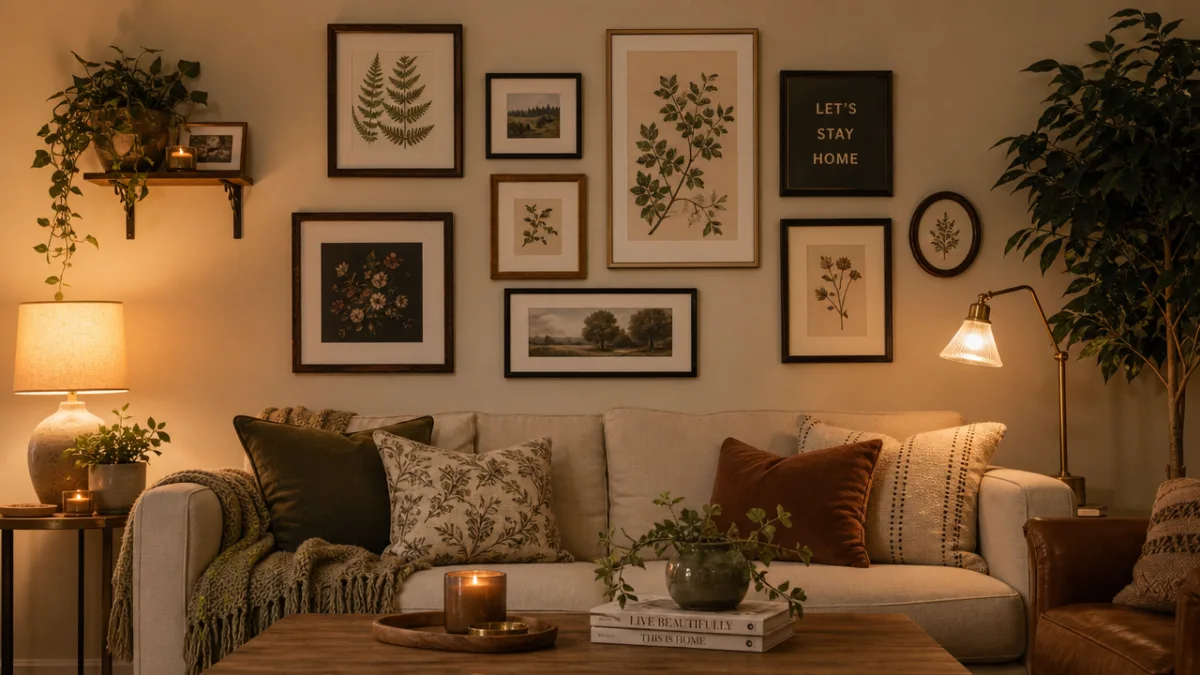
Walls are one of the most underutilized canvases in any home. A blank wall is not a problem to be solved with a single framed poster — it is an opportunity to tell a story, showcase your personality, and create visual depth in a room. Gallery walls, in particular, have become one of the defining interior design trends of recent years, and the good news is that they are entirely achievable on a DIY basis. The key is to approach the arrangement thoughtfully, mixing frame sizes, art styles, and even three-dimensional objects to create a composition that feels intentional rather than cluttered.
One of the most accessible wall art projects involves abstract painting on canvas. You do not need any formal training to create something genuinely striking. Purchase a few canvases from a craft store and experiment with acrylic paints in a palette that complements your room’s existing colors. Techniques like color blocking, gestural brushwork, or even pressing textured materials like bubble wrap or crumpled plastic against wet paint can produce results that look professionally made. The beauty of abstract art is that there are no mistakes — only textures and compositions that either work or lead you in a new direction.
For those who prefer a more structured approach, printable wall art has become enormously popular. Websites and marketplaces offer thousands of downloadable designs — botanical prints, typographic pieces, geometric patterns, and more — that you can print at home or at a local print shop for just a few dollars. Pair these with thrifted frames, which you can paint or refinish to match your aesthetic, and you have gallery-quality wall art for a fraction of what you would spend in a boutique home goods store. The combination of digital resources and physical crafting opens up a remarkable range of possibilities.
- Mix frame colors and sizes for a dynamic, layered gallery wall effect
- Include non-traditional elements like wall-mounted plants, mirrors, and woven pieces
- Use painter’s tape to map out your arrangement on the wall before committing to nail holes
- Incorporate personal photographs printed in consistent black-and-white tones for cohesion
Upcycling Furniture: New Life for Old Pieces
Furniture upcycling is arguably the single most impactful category of DIY home decor. A tired, outdated dresser picked up for twenty dollars at a thrift store can, with the right paint, new hardware, and a few hours of effort, become a stunning statement piece that anchors an entire room. The environmental benefits are significant as well — every piece of furniture you rescue from a secondhand shop or the curb is one less item heading to a landfill. Upcycling is where creativity, sustainability, and practicality converge in the most satisfying way.
The most common entry point into furniture upcycling is painting. Chalk paint, in particular, has revolutionized the hobby because it adheres to almost any surface without the need for extensive sanding or priming. A worn wooden nightstand, a dated laminate bookshelf, or even a metal filing cabinet can be transformed with two coats of chalk paint and a light wax finish. Color choices matter enormously here — a deep forest green or navy creates a dramatic, jewel-toned effect, while soft whites and warm creams lend themselves to a French country or farmhouse aesthetic. The key is to choose a color that either contrasts with or complements your existing room palette.
Hardware replacement is the often-overlooked secret weapon of furniture upcycling. Swapping out the original drawer pulls, knobs, or hinges on a piece can completely change its character without requiring any additional painting or surface work. Brass hardware on a white dresser creates an elegant, contemporary look. Matte black handles on a natural wood sideboard feel modern and intentional. Ceramic or hand-painted knobs bring a bohemian, artisan feel to any piece. Hardware is inexpensive to replace and available in an extraordinary range of styles at hardware stores and online marketplaces, making it one of the highest-return-on-investment upgrades available.
Beyond paint and hardware, consider structural modifications and additions. A basic bookshelf gains enormous character when you add trim molding to the edges of its shelves, creating the illusion of custom cabinetry. An old coffee table becomes something entirely new when you tile its surface with mosaic pieces or contact paper that mimics natural stone. Even adding legs — which can be sourced inexpensively and screwed directly into the bottom of a piece — can elevate a squat, dated item into something that feels thoughtfully designed. Approach each piece not as what it is, but as what it could become.
Natural Elements and Biophilic Design: Bringing the Outside In
Biophilic design — the practice of incorporating natural elements into interior spaces — has moved from a niche concept to a mainstream interior design principle, and for good reason. Research consistently shows that proximity to natural materials, plants, and organic textures reduces stress, improves mood, and enhances overall wellbeing. The best part, from a DIY perspective, is that introducing natural elements into your home is among the most accessible and affordable decorating approaches available. You often need nothing more than a walk outside and a bit of creativity.
Dried botanicals and foraged branches have become enormously popular as decorative elements. Pampas grass, dried eucalyptus, cotton stems, and seed pods can all be arranged in simple vases or hung in bundles from hooks and ceiling fixtures. These arrangements require no maintenance, last for months or even years, and bring incredible textural variety to a room. A large glass vase filled with dried pampas grass and placed on the floor beside a sofa or armchair adds height, softness, and visual interest at virtually zero cost, particularly if you are able to source the materials yourself from a garden or natural area.
Living plants, of course, remain the gold standard of biophilic home decor. Rather than purchasing expensive statement plants, consider propagating your own. Many popular houseplants — pothos, spider plants, monstera, succulents, and snake plants among them — can be propagated from cuttings placed in water or directly in soil. Within weeks, a single parent plant can yield several new specimens ready for decorative pots and placement throughout your home. Choosing containers wisely matters enormously; terra cotta pots can be painted, printed with geometric patterns, or grouped together in clusters on wooden boards or trays to create considered plant displays.
- Collect smooth river stones for use as bookends or sculptural groupings on shelves
- Hang dried herb bundles in the kitchen for both decoration and culinary utility
- Create a driftwood mobile or wall hanging using pieces collected from beaches or riverbanks
- Use tree stumps or log slices as side tables, plant stands, or decorative risers
- Frame pressed flowers or leaves gathered from your garden for botanical wall art

Lighting Projects: Setting the Mood
Lighting is one of the most powerful and least discussed elements of interior design. The same room can feel cold and clinical or warm and inviting depending almost entirely on how it is lit. The good news is that DIY lighting projects have become increasingly accessible thanks to the widespread availability of affordable LED string lights, pendant lamp kits, and dimmer switches. Transforming the lighting in a room does not require an electrician or a substantial budget — it requires creativity and a willingness to experiment with placement and intensity.
String lights have transcended their holiday season origins and become a legitimate year-round decorating tool. When draped across a headboard, woven through a bookshelf, placed inside a glass jar, or strung along an exposed ceiling beam, they create an immediately warm and inviting atmosphere. Solar-powered string lights mean that outdoor spaces — balconies, patios, garden walls — can be transformed just as easily as interior rooms. For a more polished look, consider housing string lights inside paper lanterns, macramé holders, or wire cage fixtures that give the light source a deliberate, designed appearance rather than a casual one.
Lampshade makeovers are another high-impact, low-effort lighting project. A plain white lampshade can be painted with fabric paint or dye, wrapped in natural twine or jute, adorned with fabric trim or fringe, or covered with cut-out paper shapes to create patterned shadow effects when the lamp is lit. The transformation is often dramatic — a lamp that previously blended invisibly into the background suddenly becomes an accent piece that draws the eye and adds character to its surroundings. Visit thrift stores specifically in search of lamp bases with interesting shapes that have been abandoned simply because their shades were dated or damaged.
Candle arrangements, while simple, deserve mention as one of the most effective and underrated lighting strategies available. A cluster of pillar candles at varying heights on a wooden tray, a ring of tea lights surrounding a central floral arrangement, or a row of lanterns on a mantelpiece can create atmosphere that no electric fixture quite replicates. For safety and convenience, high-quality flameless LED candles have advanced to the point where they are genuinely difficult to distinguish from real ones, particularly when placed inside lanterns or hurricanes. Combine real and flameless candles strategically, and you get both the authenticity of live flame and the practicality of battery-powered light.
Textile and Soft Furnishing Projects: Texture and Comfort
Textiles are the secret ingredient that separates a room that looks finished in a magazine from one that feels livable and genuinely inviting. Throw pillows, blankets, curtains, table runners, and upholstered accents bring softness, color, and layered texture to any space, and they are among the most DIY-friendly home decor categories available. Even someone with minimal sewing experience can accomplish enormously satisfying textile projects, and for those willing to learn basic stitches, the possibilities expand exponentially.
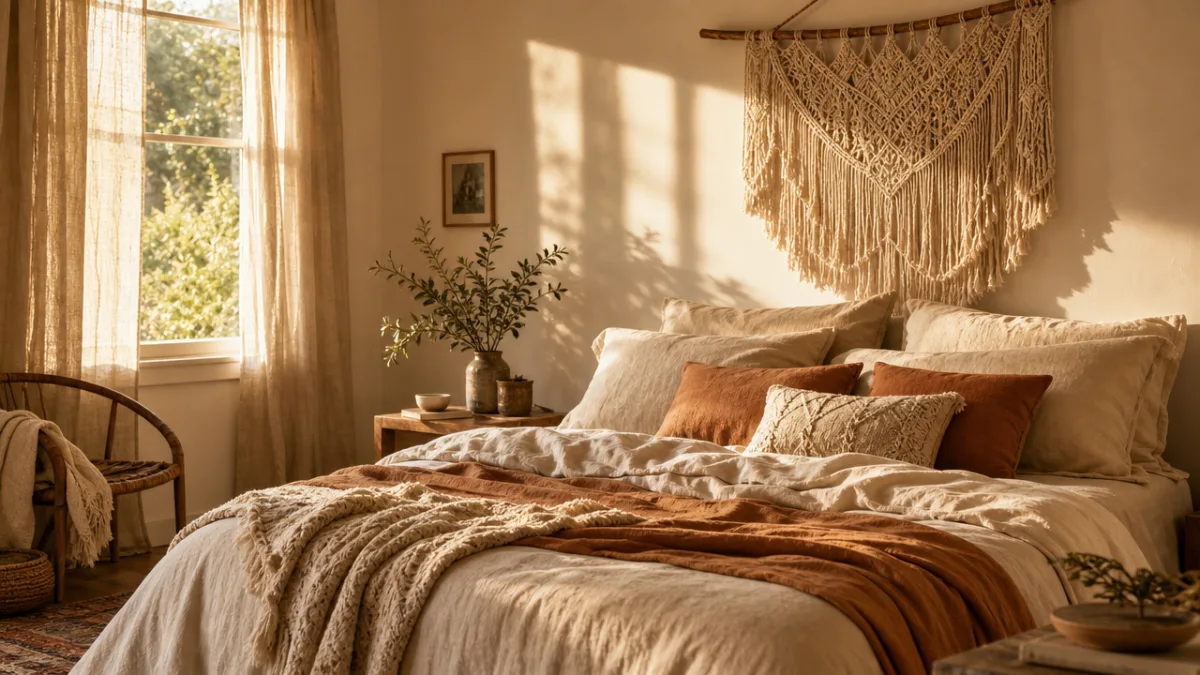
No-sew pillow covers are one of the most popular beginner textile projects, and for good reason — they are fast, inexpensive, and immediately impactful. With nothing more than fabric, fabric glue or iron-on hem tape, and a few basic cuts, you can create pillow covers in any fabric that appeals to you. Linen, velvet, canvas, and even grain sacks all work beautifully and bring entirely different characters to a sofa or bed. Changing pillow covers seasonally is one of the quickest and most affordable ways to refresh a room without replacing any actual furniture, making this skill genuinely useful long-term.
Macramé — the art of decorative knotting — has seen an extraordinary revival as a DIY craft, and its applications in home decor are wide-ranging. Wall hangings, plant hangers, table runners, curtain panels, and even headboards can all be created using basic macramé knots that most beginners master within an hour or two of practice. The primary material, macramé cord, is inexpensive and available in natural cotton as well as dyed options. A large macramé wall hanging can serve as the focal point of an entire room, bringing texture, warmth, and an artisanal quality that is difficult to replicate with any purchased alternative.
- Use fabric paint or bleach techniques to customize plain curtain panels with patterns
- Create a simple table runner using a length of linen fabric with raw or fringed edges
- Reupholster dining chair seats using a staple gun and a yard of your chosen fabric
- Knot a basic macramé plant hanger using just three types of knots learned in an afternoon
Seasonal and Occasion Decor: Keeping Your Home Fresh Year-Round
One of the challenges of investing heavily in home decor is that trends shift, seasons change, and what feels fresh in spring can feel stale by autumn. DIY home decor provides an elegant solution to this challenge — because your investment is primarily in time and low-cost materials rather than expensive statement pieces, you can afford to rotate, update, and completely reinvent decorative elements as often as you like. Building a small collection of neutral base pieces — plain frames, simple vases, natural wreaths — and changing the elements within them seasonally is a practical and cost-effective approach to keeping your home feeling current.
Wreaths are one of the most versatile and satisfying seasonal decor projects. A basic grapevine or wire wreath base, available at any craft store for just a few dollars, can be decorated and redecorated endlessly. In autumn, add dried orange slices, cinnamon sticks, and preserved leaves. For winter, evergreen branches, pinecones, and simple ribbon transform the same base. In spring, dried or artificial florals and fresh eucalyptus feel light and optimistic. A single wreath base can serve your home year-round if you are willing to spend twenty minutes refreshing it with each season — a far more sustainable and economical approach than purchasing new seasonal decor each year.
Centerpieces and tablescapes are another area where seasonal DIY projects shine. A simple wooden tray or cutting board can serve as the foundation for an endlessly changing arrangement of candles, botanicals, stones, fruit, and other elements that reflect the current season or mood. The discipline here is in restraint — a beautiful tablescape is usually built from three to five carefully chosen elements rather than a chaotic accumulation of objects. Varying the heights of your elements, incorporating both matte and reflective surfaces, and grounding the arrangement with a natural material like linen, moss, or raw wood creates compositions that feel considered and genuinely stylish.
Finally, do not underestimate the power of scent as a component of home decor. Hand-poured soy candles, simmer pots, and dried herb sachets are all achievable DIY projects that add an olfactory dimension to your decorating efforts. A home that smells of cedar and vanilla in winter, citrus and herbs in summer, and warm spice in autumn feels seasonally alive in a way that purely visual decor cannot achieve alone. Making your own candles, in particular, allows you to customize both fragrance and vessel — pouring wax into vintage teacups, mason jars, or geometric concrete molds to create pieces that are simultaneously functional and decorative.








What do you think?
It is nice to know your opinion. Leave a comment.