










Easy Home Improvement Projects for Less Than $150
Why Small Home Improvements Make a Big Difference
Most homeowners assume that meaningful home improvement requires a contractor, a permit, and a budget that runs into the thousands. The truth is surprisingly different. Some of the most impactful changes you can make to your living space cost less than a dinner out for two, and they can completely transform the way a room feels, functions, and looks. The psychology of home environments is well documented — small visual and tactile changes have an outsized effect on how comfortable and proud you feel in your space.
The secret behind budget-friendly upgrades is understanding where a home’s weaknesses actually live. More often than not, a room feels dated or uninviting not because of its bones, but because of its details. A worn light switch plate, a builder-grade light fixture, or a bathroom vanity with tired hardware can drag down an otherwise perfectly fine room. Addressing these details costs very little money but requires attention, intention, and a willingness to spend a Saturday afternoon with a screwdriver and a fresh coat of paint.
Beyond aesthetics, many sub-$150 projects deliver genuine functional improvements. Adding weatherstripping to drafty doors can lower your energy bills. Installing a shower filter improves water quality. Putting up proper shelving reclaims floor space and reduces clutter-related stress. These are not merely cosmetic upgrades — they represent real investments in the quality of daily life that pay dividends every single day you live in your home.
The Right Mindset for Budget DIY
Approaching home improvement on a tight budget requires a shift in how you think about time versus money. When your budget is limited, your time becomes the primary investment. That means researching properly before you buy anything, watching tutorial videos, reading product reviews, and planning your project from start to finish before opening your wallet. Homeowners who skip the planning phase consistently overspend and underdeliver on their improvement goals, wasting both money and motivation.
It also helps to build a basic toolkit if you do not already have one. A good drill, a level, a stud finder, a quality tape measure, and a set of screwdrivers will serve you on virtually every project in this article and every home improvement project you tackle for the next decade. If you are just starting out, these tools represent a one-time investment that reduces the cost of every future project significantly, because you stop paying for services you could easily perform yourself.
Fresh Paint: The Single Most Powerful Upgrade
Nothing in the world of home improvement delivers more visual impact per dollar than a fresh coat of paint. A single gallon of quality interior paint costs between $35 and $55, which is typically enough to paint an average-sized bedroom or completely refresh a bathroom, hallway, or kitchen accent wall. The transformation is immediate and dramatic. A room that looked tired, dark, or simply dated can become something you are genuinely excited to walk into, all for the price of a couple of takeout meals.
Color selection is where many first-time painters go wrong, and it is worth spending time on this step. Do not rely on the tiny paint chips at the hardware store. Instead, purchase sample pots in two or three candidate colors and paint large swatches directly on your wall, at least twelve inches by twelve inches each. Live with those swatches for two full days, observing how the colors look in morning light, afternoon light, evening lamp light, and under your artificial lighting at night. Colors shift dramatically across lighting conditions, and this simple test prevents expensive mistakes.
Beyond wall color, consider the transformative power of painting other surfaces. Kitchen cabinets that look hopelessly outdated in their original stained oak finish can become genuinely beautiful in a deep navy, a warm sage, or a clean bright white. Painting a fireplace surround, a dated brick accent wall, or even exterior shutters are all projects well within the $150 budget and within the skill range of any patient, detail-oriented person. The key to a professional-looking paint job is always in the preparation: cleaning surfaces, sanding where needed, priming correctly, and applying thin even coats.
Accent Walls and Creative Techniques
If full-room painting feels like too large a commitment, accent walls offer a lower-stakes way to introduce bold color or visual interest. A single wall painted in a contrasting or complementary hue can anchor a room, define a space within an open floor plan, or create a dramatic backdrop for a bed or sofa. This approach also works beautifully with techniques like color blocking, where geometric sections of wall are painted in two or three complementary tones to create a designer look without wallpaper or professional installation.
Limewash paint has become enormously popular in recent years, and for good reason. It creates an organic, layered, Textured look that mimics the aged plaster walls found in Italian and Mediterranean homes. It is applied with a brush in a deliberately imperfect way, which actually means it is beginner-friendly — there are no brush strokes to worry about hiding. A single can is typically sufficient for an accent wall and costs around $40 to $60, putting it comfortably within the budget for a high-impact weekend project.
Hardware Upgrades: The Jewelry of Your Home
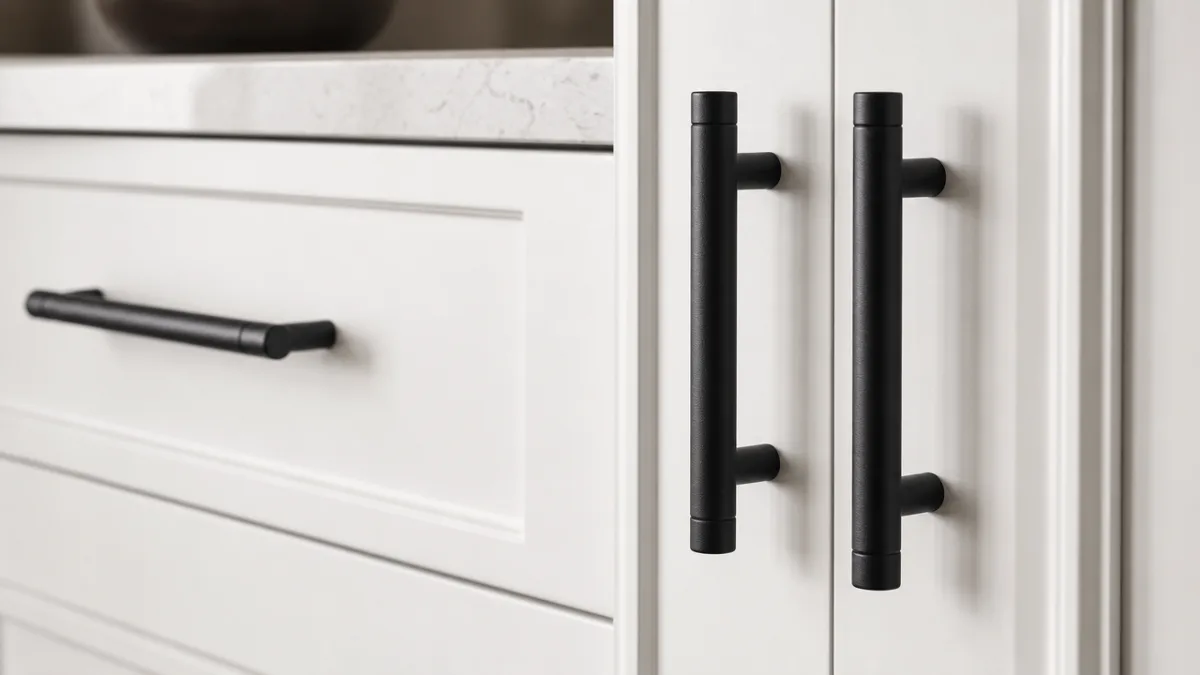
Interior designers consistently refer to hardware as the jewelry of a room, and the analogy is apt. Door handles, cabinet pulls, drawer knobs, towel bars, toilet paper holders, and light switch plates are touched and seen dozens of times each day. When they are cheap, mismatched, or worn, they communicate neglect. When they are cohesive, well-chosen, and well-installed, they quietly signal that a home is cared for and considered. The best part is that swapping out hardware is one of the easiest DIY tasks imaginable — most require nothing more than a screwdriver and fifteen minutes per piece.
For a kitchen refresh on a budget, replacing cabinet hardware is a high-leverage move. A kitchen with forty cabinet doors and drawers might require twenty to forty pulls or knobs. At an average cost of $3 to $8 per piece for attractive mid-range options, you can replace all the hardware in a modest kitchen for under $150. Choose a finish that coordinates with your appliances and faucet. Brushed brass, matte black, and brushed nickel are all currently popular and work beautifully across a wide range of cabinet colors from white to dark green to warm wood tones.
Bathroom hardware upgrades follow the same logic and often cost even less, since bathrooms typically have fewer individual pieces. Replacing a towel bar set, toilet paper holder, and robe hook in a cohesive finish can be accomplished for $40 to $80, and the visual improvement is remarkable. These are the kinds of changes that guests notice and comment on without being able to identify exactly why the bathroom feels so much more put-together than it did before. That invisible quality — the sense that a space simply feels right — is what good hardware selection achieves.
Light Fixtures and Ceiling Fan Upgrades
Builder-grade light fixtures are among the most reliably ugly elements found in average homes. The brushed nickel boob light, as it has been affectionately and accurately nicknamed by the DIY community, appears in millions of bedrooms and hallways across the country. Replacing it takes under thirty minutes for anyone comfortable turning off a circuit breaker, and replacement fixtures that look genuinely attractive are available at home improvement stores and online retailers for $30 to $80. This single change can make a bedroom feel like a boutique hotel room rather than a rental apartment.
Ceiling fan replacement is slightly more involved but still very accessible for a confident beginner. Many older ceiling fans have both an outdated appearance and poor performance. Modern fans are quieter, more energy-efficient, and come in styles that range from sleek and minimalist to warm and rustic. Decent replacement options exist in the $80 to $120 range, leaving room in the budget for other small upgrades in the same room. Most ceiling fan installations follow a universal wiring pattern and come with detailed instructions.
Organization and Storage Solutions
Clutter is one of the most significant and most underappreciated contributors to stress in the home environment. Research consistently shows that visual clutter elevates cortisol levels and makes it harder to relax, focus, and feel at ease in a space. The solution is rarely to simply own less stuff — though that certainly helps — but rather to create dedicated, attractive, accessible storage for the things you do own. Smart storage solutions transform chaos into calm, and most of them cost far less than people assume.
Floating shelves are among the most versatile and cost-effective storage upgrades available. A set of three wooden floating shelves can be purchased for $25 to $50 and installed with basic wall anchors in under an hour. They work in virtually every room: displaying books and plants in a living room, organizing spices and cooking tools above a kitchen counter, holding toiletries and folded towels in a bathroom, or creating a reading nook with books and a small lamp in a bedroom. The visual effect is clean, intentional, and customizable to any aesthetic.
Under-sink organization in kitchens and bathrooms is an area where a small investment pays enormous daily dividends. The area beneath a kitchen sink is often a chaotic tangle of cleaning products, extra sponges, and miscellaneous items that accumulate over time. A simple two-tier expandable shelf organizer costs $15 to $25 and can double the usable space under a standard sink, while pull-out drawer organizers make it easy to access items at the back. The same principle applies under bathroom sinks, where a few targeted organizers can transform a frustrating rummage zone into a tidy, functional cabinet.
Closet Organization on a Budget
Closet organization systems at large retailers can cost hundreds or even thousands of dollars when professionally designed and installed. However, the same functional outcome is achievable for a fraction of that cost using off-the-shelf components from discount home stores, dollar stores, and online retailers. A combination of an additional hanging rod, a few shelf dividers, some drawer organizers, and a set of matching hangers can transform a chaotic closet into one that feels genuinely calm and well-ordered, all for $50 to $80.
The key principle behind effective closet organization is grouping and visibility. Clothes you cannot see, you will not wear. Shoes piled on the floor become a source of daily frustration. Accessories tangled together in a drawer represent small annoyances that accumulate into a meaningful drag on your morning routine. Addressing each of these problems individually with low-cost targeted solutions — a clear shoe rack, a drawer divider set, a jewelry organizer that hangs on the closet door — creates a cumulative improvement that far exceeds what any single product could achieve on its own.
Curb Appeal Upgrades That Make a Strong First Impression
The exterior of your home sets expectations before anyone walks through the door. A neglected front entrance communicates indifference, while a well-maintained and thoughtfully decorated exterior signals that a home is loved. The good news is that dramatic curb appeal improvements are among the most achievable on a tight budget, because the scale of the gestures required is small — a fresh doormat, a painted front door, a potted plant or two — but the visual impact relative to a blank and neglected entryway is enormous.
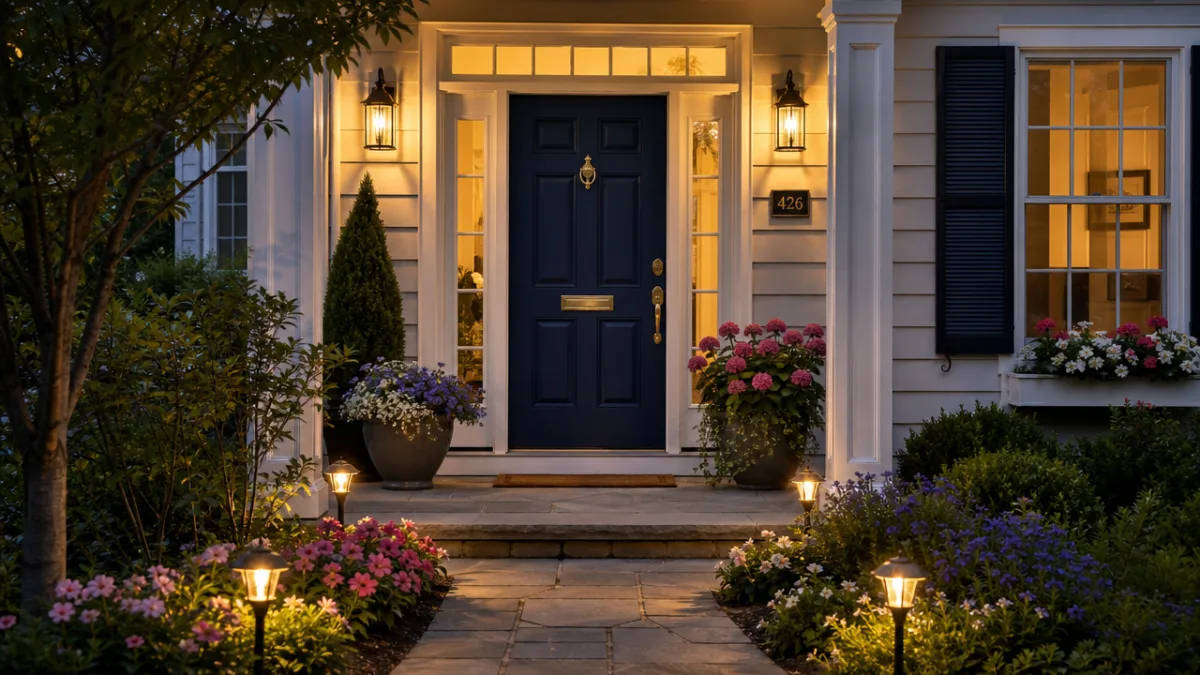
Painting a front door is one of the most celebrated budget curb appeal projects, and deservedly so. A front door is a focal point that draws the eye from the street, and a bold, well-chosen color — a deep red, a classic black, a warm navy, or a cheerful yellow — creates immediate personality and charm. A quart of exterior paint is sufficient for most front doors and costs $20 to $30. Add a new doorknob and deadbolt set in a coordinating finish for another $40 to $60, and you have transformed the first impression of your home for under $100.
Landscaping improvements need not involve hiring a crew or purchasing mature trees and shrubs. A bag of fresh mulch costs $5 to $8 and, when spread over existing garden beds after a quick weeding session, makes the entire front of a house look more maintained and cared for. A flat of seasonal flowers from a garden center costs $15 to $25 and can be planted in existing beds or displayed in simple terra cotta pots flanking the front door. These are changes that take an afternoon, cost very little, and leave an impression that persists for months.
Outdoor Lighting for Safety and Atmosphere
Exterior lighting serves a dual purpose: it improves the security and safety of your property while simultaneously creating a welcoming atmosphere in the evenings. Many homes have outdated or insufficient outdoor lighting that leaves the front entrance in shadow after dark. Replacing a single exterior wall sconce with an updated fixture costs $30 to $70 and can be done by anyone comfortable with basic electrical work after turning off the relevant circuit breaker. The improvement in both aesthetics and functionality is immediately apparent every time you come home after sunset.
Solar-powered path lights and stake lights have improved dramatically in quality over the past several years and now offer a genuine alternative to wired landscape lighting for casual applications. A set of eight to ten solar path lights costs $25 to $50 and requires no wiring whatsoever — simply push the stakes into the ground along a walkway or garden border and allow them to charge during the day. They create a warm, inviting glow that guides guests to your door while defining the edges of garden beds and walkways with gentle, atmospheric light.
Bathroom Refreshes That Feel Like a Renovation
Bathrooms are among the most scrutinized rooms in any home, yet they are also among the most responsive to low-cost updates. Because bathrooms are small, even modest changes have a proportionally large visual effect. A bathroom that receives new hardware, a fresh coat of paint, a new mirror, and updated accessories can feel genuinely transformed without touching a single tile or pipe. These are changes that fall well within the $150 budget when prioritized thoughtfully and executed with care.
The bathroom mirror is a detail that many homeowners overlook, yet it occupies a substantial portion of the wall above the vanity and defines the visual character of the entire room. A builder-grade mirror — the frameless rectangular type found in most production homes — can be made significantly more attractive by adding a simple frame. Mirror frame kits are available for $30 to $50 and snap onto the existing mirror without adhesive damage to the wall. Alternatively, replacing a small builder mirror with a round or arch-shaped mirror from a discount home retailer costs $40 to $80 and creates an immediate design upgrade.
Caulk is the unsung hero of bathroom refreshes. Old, discolored, or cracking caulk around the bathtub, shower, and vanity makes a bathroom look dirty and neglected even when it is clean. Removing old caulk with a utility knife and applying a fresh bead of white or clear caulk costs under $10 in materials and takes about an hour. The result is a bathroom that looks freshly renovated, with clean lines and no dark grout shadows compromising the appearance of otherwise perfectly functional tile. It is arguably the highest return-on-investment project in this entire article.
Textile and Accessory Updates
Swapping out bathroom textiles is one of the fastest and most affordable ways to refresh the room’s entire feeling. New towels in a cohesive color palette — perhaps two or three shades of the same tone, or a simple white-and-neutral combination — make a bathroom feel like a spa retreat rather than a utility room. A set of quality bath towels can be purchased for $30 to $50, and paired with a new bath mat in a coordinating color for another $20 to $30, the textile update alone creates a noticeable improvement in how the room looks and feels to both you and your guests.
Accessory cohesion is worth specific attention. Many bathrooms accumulate a random assortment of soap dispensers, toothbrush holders, cotton jar containers, and tissue box covers in mismatched styles and finishes. Purchasing a coordinated bathroom accessory set — typically a soap dispenser, toothbrush holder, cotton jar, and tray — costs $25 to $45 and immediately creates visual order on the vanity counter. This kind of deliberate coordination signals thoughtfulness and care, transforming what might otherwise feel like a storage surface into something that resembles a styled vignette from a home magazine. The investment is small, but the daily reminder that your space is exactly how you want it to be is genuinely priceless.








What do you think?
It is nice to know your opinion. Leave a comment.