










8 DIY Home Décor Accessories Ideas to Refresh Your Space (Professional & Creative)
Why DIY Home Décor Is Having a Major Moment
There has never been a better time to roll up your sleeves and transform your living space with handmade touches. The rise of social media platforms like Pinterest and Instagram has ignited a global enthusiasm for DIY home décor, inspiring millions of people to swap mass-produced accessories for one-of-a-kind creations that genuinely reflect their personalities. Far from being a budget compromise, DIY décor has evolved into a legitimate design movement embraced by interior stylists, home bloggers, and everyday homeowners alike.
Beyond the aesthetic appeal, crafting your own home accessories carries a deeply personal dimension that store-bought items simply cannot replicate. When you pour hours into creating a macramé wall hanging or hand-painting a set of ceramic pots, the finished piece carries emotional weight and a sense of pride. Guests who notice a beautiful handmade piece on your wall are far more likely to start a conversation than they would over something pulled from a big-box retailer, and that kind of connection is priceless in a home that is meant to feel warm and inviting.
The practical benefits are equally compelling. Crafting your own décor accessories allows you to control every element, from color palette and scale to materials and finish. You are no longer constrained by what happens to be in stock or whether a particular shade of terracotta matches your existing cushions. With a modest investment in basic supplies and a little patience, you can produce pieces that look professionally made, are perfectly tailored to your space, and cost a fraction of their retail equivalents. It is creative freedom at its most rewarding.
Choosing the Right DIY Projects for Your Skill Level
One of the most common mistakes eager beginners make is diving into an advanced project before building a foundation of basic skills. The result is frustration, wasted materials, and a half-finished piece that gets tucked into a closet. The smarter approach is to honestly assess where you are starting from and choose projects that stretch your abilities without overwhelming them. Fortunately, the world of DIY home décor is extraordinarily broad, offering meaningful and beautiful options at every experience level, from complete novice to practiced crafter.
For those just starting out, projects that require minimal tools and forgiving materials are the ideal entry point. Simple concrete candle holders made with cardboard molds, air-dry clay pinch pots, or no-sew pillow covers using fabric glue are all achievable in a single afternoon with satisfying results. These beginner projects build confidence, teach you how materials behave, and give you a finished product you can actually display in your home. Each small success builds momentum, making the next project feel less daunting and more exciting.
Intermediate and advanced crafters might gravitate toward projects that involve multiple stages, specialized tools, or more technical skills such as woodworking, resin pouring, or macramé knotting. These projects demand patience and practice, but they also yield pieces with undeniable craftsmanship and complexity. It is worth investing in a few quality tools rather than buying cheap versions that make the work harder than it needs to be. A good cutting mat, sharp craft knife, and reliable hot glue gun will serve you through dozens of projects and make your work cleaner and more professional every time.
- Beginner level: Air-dry clay dishes, fabric wall art, painted glass vases, simple macramé knots
- Intermediate level: Resin geode coasters, woven wall hangings, concrete planters, decoupage furniture
- Advanced level: Custom shelving units, large-scale macramé panels, hand-thrown pottery, upholstered furniture
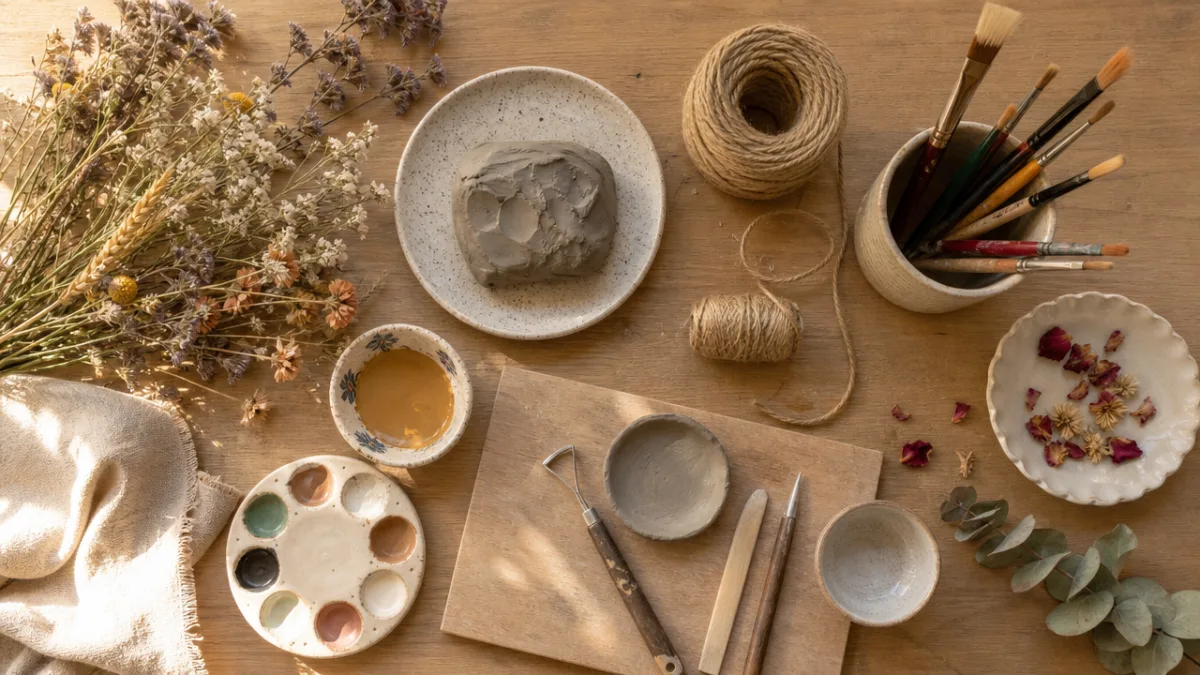
8 DIY Home Décor Accessories Ideas to Try Right Now
Now that you have a sense of how to approach DIY décor strategically, it is time to dive into the specific ideas that are making waves right now. These eight projects span a range of styles, skill levels, and budgets, so there is something here for every type of home and every type of maker. Whether you are drawn to the organic warmth of natural materials or the clean lines of modern minimalism, these ideas will give your space a fresh and intentional energy that is uniquely yours.
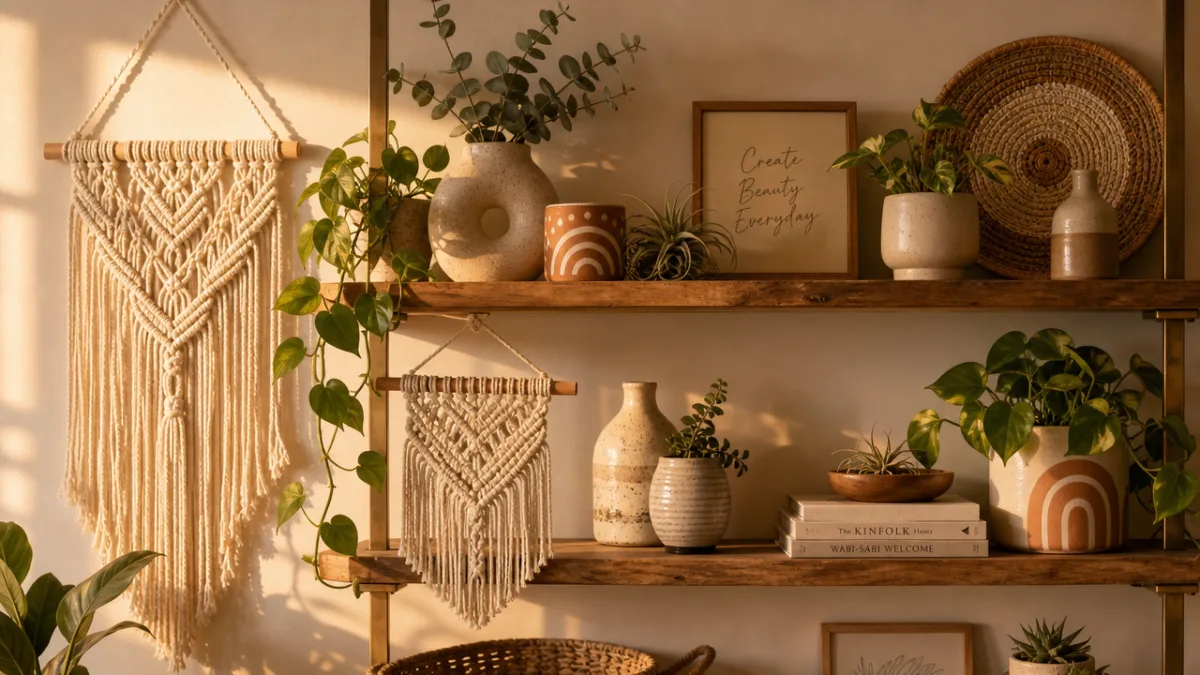
The first idea is the ever-popular macramé wall hanging. Using nothing more than a wooden dowel, a bundle of natural cotton rope, and a few basic knots, you can create a stunning textile piece that adds warmth and bohemian texture to any wall. Tutorials are widely available online, and the materials are inexpensive, making this one of the best entry points into fiber art. Vary the length, density, and fringe of your knots to create a piece with real visual depth and movement that looks far more complex than it actually is to make.
The second idea is hand-painted ceramic vases, which offer a wonderful opportunity to practice brushwork while producing something genuinely beautiful and functional. Purchase plain white or terracotta vases from a thrift store or discount home goods shop, then use ceramic paint to apply abstract brushstrokes, geometric patterns, or botanical motifs. The beauty of abstract painting is that there are no rules, only choices, and even the most imperfect strokes can come together into something that looks deliberately artistic and confidently crafted. Seal your finished pieces with a clear ceramic glaze to protect the paint and give the surface a polished, professional look.
The third idea is DIY concrete planters, which have become a staple of contemporary interior design for very good reason. Concrete is an incredibly versatile material that brings an industrial edge and a satisfying weight to tabletop arrangements. You can make your own planters using molds formed from plastic containers, cups, or even balloons, filling them with a mixture of concrete and water and allowing them to cure over several days. The finished planters can be sanded smooth, painted, or left in their raw state for a brutalist-inspired aesthetic that looks expensive and intentional. Plant them with succulents, trailing pothos, or small ferns for an instantly elevated display.
The fourth idea is resin art coasters and trays, which have surged in popularity thanks to their stunning visual results and the hypnotic process of working with epoxy resin. By mixing resin with alcohol inks, metalite powders, or dried botanicals, you can create swirling, marbled effects that genuinely resemble sliced geode or abstract watercolor painting. Coasters make excellent gifts and look beautiful displayed in a stack on a coffee table, while a resin serving tray becomes a striking centerpiece that anchors an entire room. Always work in a well-ventilated area and follow safety guidelines when working with epoxy resin, as proper protective equipment is important.
The fifth idea is woven textile baskets and storage, which combine function with artistry in a way that feels both practical and beautiful. Using natural materials like seagrass, jute, or cotton rope, you can weave or coil baskets of various sizes that serve as plant holders, magazine storage, or catch-all organizers for entryways. The process of hand-weaving is meditative and repetitive in the most satisfying way, and the resulting baskets have a handmade warmth that mass-produced alternatives simply cannot imitate. Choose a natural, undyed material for a minimalist look, or introduce pops of color by incorporating dyed yarn into your weave.
The sixth idea is pressed botanicals framed art, a project that connects your home to the natural world in the most elegant and timeless way. Collect flowers, leaves, and ferns from your garden or local park, press them between the pages of a heavy book for two to three weeks, and then arrange them in simple frames using archival adhesive. A gallery wall of pressed botanical frames in matching thin black or natural wood frames looks genuinely sophisticated and curated, the kind of thing you might find in a Scandinavian design hotel. This project costs almost nothing and produces décor of remarkable beauty and longevity.
The seventh idea is custom painted furniture accents, specifically the technique of painting just the legs of a chair, table, or bench in a bold, contrasting color. This surprisingly simple approach transforms tired or plain furniture into something that feels custom and contemporary without requiring you to refinish the entire piece. Choose a high-quality furniture paint in a shade like deep forest green, dusty rose, or matte black, apply two thin coats with a small brush, and finish with a clear protective wax or varnish. The result is a piece that looks like it belongs in a curated design shop rather than a discount furniture warehouse.
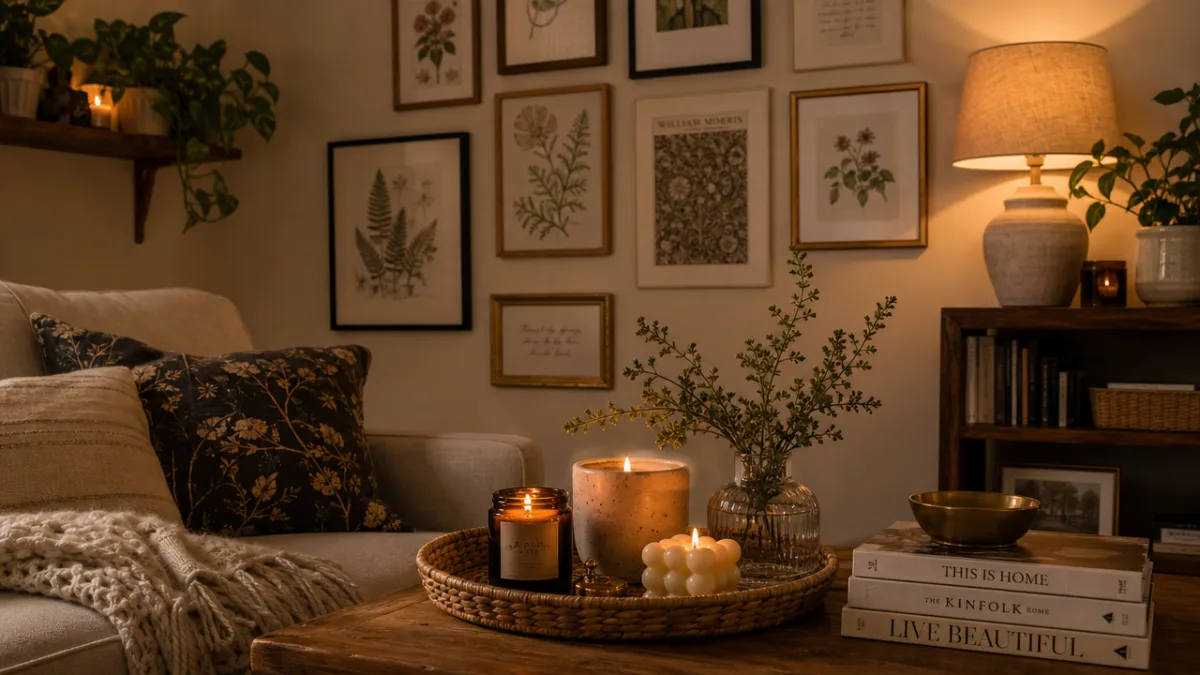
The eighth idea is DIY scented candles, which fall into the category of home accessories that engage multiple senses simultaneously. Using soy or beeswax flakes, cotton wicks, and your choice of essential oils or fragrance blends, you can pour your own candles into vintage teacups, glass jars, or concrete vessels that you have made yourself. The scent profile of a room is one of the most powerful and underutilized tools in interior design, capable of evoking specific emotions and memories with extraordinary efficiency. A collection of handmade candles grouped on a tray creates a centerpiece that is both beautiful to look at and deeply atmospheric when lit in the evening.
Sourcing Materials Without Breaking the Bank
One of the most liberating aspects of DIY home décor is that extraordinary results do not require an extraordinary budget. Learning where to source your materials smartly is one of the most valuable skills a crafter can develop, and it opens up a world of creative possibilities that commercial shopping simply cannot match. Thrift stores, estate sales, and flea markets are treasure troves of raw materials waiting to be transformed, from plain glassware and ceramic blanks to wooden frames and fabric remnants that cost pennies on the dollar compared to craft store prices.
Online marketplaces have also democratized access to specialty craft supplies that were once difficult to find outside of major cities. Platforms like Etsy, Amazon, and wholesale craft suppliers offer everything from dried botanicals and epoxy resin to natural rope and high-quality ceramic paint, often delivered directly to your door within days. Buying in bulk where possible is a particularly smart strategy for frequently used materials like twine, wax flakes, or modge podge, as the per-unit cost drops significantly and you will always have supplies on hand when inspiration strikes unexpectedly at ten o’clock on a Tuesday night.
Do not overlook the potential of materials you already have at home. Glass jars from pasta sauce, wine bottles, cardboard tubes, old magazines, and even fallen branches from your garden can all become the foundation of stunning DIY accessories with the right approach and a little imagination. Some of the most visually compelling DIY projects begin not with a shopping list but with a walk around the house or garden, looking at everyday objects with fresh eyes and asking what they could become rather than what they currently are. This mindset shift is at the heart of truly creative crafting.
- Check thrift stores and charity shops first for cheap base materials like vases, frames, and furniture
- Buy consumables like rope, wax, and paint in bulk to reduce cost per project
- Repurpose household items such as jars, bottles, and cardboard before purchasing new materials
- Join local crafting groups or swaps where members exchange unused supplies
- Subscribe to craft supplier newsletters for discount codes and seasonal sales
Styling and Displaying Your Handmade Pieces Like a Pro
Creating beautiful handmade accessories is only half the equation. The other half is knowing how to display them so they read as intentional, curated, and cohesive rather than cluttered or random. Professional interior stylists spend years developing an eye for composition, scale, and negative space, but many of their principles can be understood and applied by anyone willing to think critically about how objects relate to one another in a room. The most important rule is that restraint almost always outperforms abundance, and editing your display down to fewer, more meaningful pieces will nearly always improve the overall impact.
The rule of three is a foundational styling principle that works across virtually every design style and setting. When grouping objects on a shelf, coffee table, or mantelpiece, arrange them in odd numbers, typically three or five, and vary their heights to create a sense of dynamic movement. A tall macramé wall hanging beside a medium concrete planter and a small ceramic dish creates a trio with natural rhythm and visual interest. This same principle applies when hanging framed art on a wall or grouping candles on a tray, and it is remarkably effective at making even a simple collection of objects feel thoughtfully arranged and design-literate.
Lighting is the most underestimated styling tool available to any home decorator, professional or amateur. The way light falls across a textured surface, like the knotted fibres of a macramé piece or the ridged surface of a concrete planter, can dramatically enhance the visual depth and interest of that object. Place your handmade pieces where they will catch natural daylight during the day and warm artificial light in the evening. Consider adding a small directional spotlight or a string of warm Edison bulbs near a gallery wall of pressed botanicals to transform it from a quiet corner detail into a genuinely dramatic focal point that draws the eye from across the room.
Finally, do not be afraid to rotate and refresh your displays seasonally. One of the greatest advantages of DIY décor is that the creative process never truly ends. As your skills grow, you will make better and more complex pieces, and cycling older accessories out of display in favor of newer, more accomplished work keeps your home feeling current and alive. Store retired pieces carefully rather than discarding them, as a piece that feels out of place in one season often finds a perfect home in another context months later. A living, evolving home is always more interesting than one that was styled once and never touched again.
Making DIY Décor a Sustainable and Mindful Practice
As awareness of environmental impact grows across every aspect of modern life, the world of DIY home décor offers a genuinely meaningful way to make more conscious choices about how we furnish and decorate our spaces. The fast furniture and fast décor industries generate enormous amounts of waste, from excess packaging and short product lifespans to the environmental cost of global shipping and synthetic materials. Choosing to make your own accessories from natural, recycled, or responsibly sourced materials is a small but real step toward a more sustainable approach to living beautifully.
Natural materials like jute, cotton, wood, clay, beeswax, and dried botanicals are not only beautiful and tactile but also biodegradable and far less harmful to produce than their synthetic counterparts. When you choose to work with these materials in your DIY practice, you are supporting a more circular relationship with the natural world and reducing your reliance on petroleum-based plastics and synthetic dyes. Many of these natural materials also age beautifully over time, developing a patina and character that makes them more attractive as years pass rather than less, which is the opposite of cheap, disposable décor that degrades and ends up in landfill within a season or two.
Beyond the environmental dimension, DIY crafting is an inherently mindful practice that offers genuine mental health benefits in an increasingly screen-saturated world. The focused, repetitive nature of knotting rope, shaping clay, or carefully pressing flowers requires a quality of attention that quiets mental noise and anchors you firmly in the present moment. Many regular crafters describe their practice in terms remarkably similar to meditation, noting that the act of making something with their hands provides a sense of calm, accomplishment, and creative flow that is difficult to find elsewhere in modern life. In this sense, DIY home décor is not just about beautifying your space but about nourishing the person who lives within it.
Building a sustainable DIY practice also means investing in quality tools that last rather than cheap ones that need constant replacement, learning to repair and restore existing pieces rather than always starting from scratch, and sharing skills and materials within your community. Teaching a friend to pour candles, swapping leftover fabric with a neighbor, or hosting a crafting afternoon where everyone makes something to take home creates ripples of creativity and connection that extend well beyond your own four walls. The most meaningful homes are not just beautifully decorated but deeply lived in, and a DIY practice that is shared and celebrated becomes part of the story of who you are and how you choose to inhabit your world.








What do you think?
It is nice to know your opinion. Leave a comment.