










25 Inexpensive DIY Home Decor Ideas to Transform Your Space
Why DIY Home Decor Is the Smartest Way to Refresh Your Living Space
Honestly, there’s never been a better time to take decorating into your own hands. Between the endless supply of online tutorials, affordable craft supplies, and a huge community of creative people sharing their projects, you really don’t need a professional interior designer — or a massive budget — to make your home feel like a whole new place. Whether you’re renting a tiny apartment or settling into a house you own, DIY decor lets you put your own stamp on every room in a way that actually reflects who you are.
And beyond just saving money, there’s something about DIY decor that store-bought stuff simply can’t match: that little rush of pride when a guest points at something on your wall and you get to say, “Oh, I made that.” Handmade pieces carry a warmth and personality that mass-produced decor just doesn’t have. Every brushstroke and carefully picked fabric is a tiny piece of your story, and that’s what makes a home feel genuinely lived-in rather than like a showroom floor.
There’s also something really freeing about inexpensive DIY projects — they push you to get creative with what you already have. You start looking at a mason jar, an old wooden pallet, or a stack of magazines differently, seeing them as raw material rather than clutter. That shift in perspective saves money and cuts down on waste at the same time. With some imagination and a handful of basic tools, you can completely reinvent a room without buying a single piece of new furniture.
Budget-Friendly Wall Decor That Makes a Big Impression
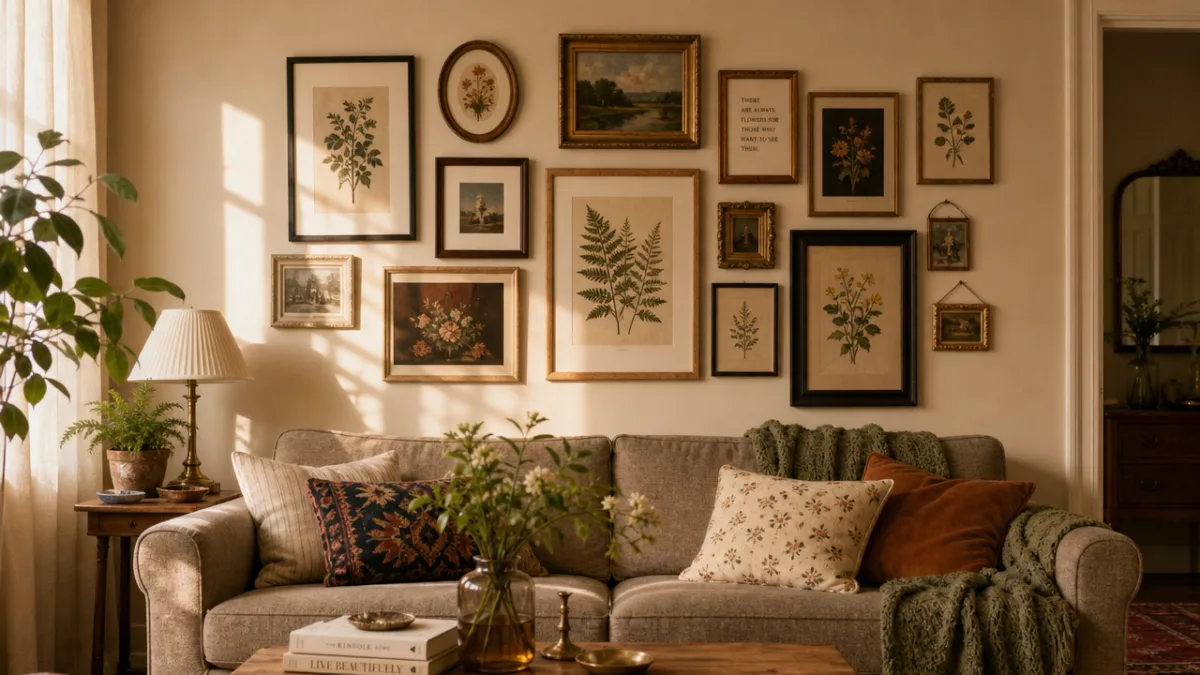
Your walls are basically the biggest canvas in the room, and decorating them creatively doesn’t have to cost much at all. One of the easiest and most popular approaches is putting together a gallery wall with a mix of thrifted frames, printed photos, and hand-drawn artwork. You can pick up mismatched frames at a thrift store for almost nothing, hit them with a coat of spray paint in one cohesive color, and suddenly they look like a curated set. Fill them with family photos, botanical prints you downloaded for free, or pages torn from an old coffee table book you’ve been meaning to recycle anyway.
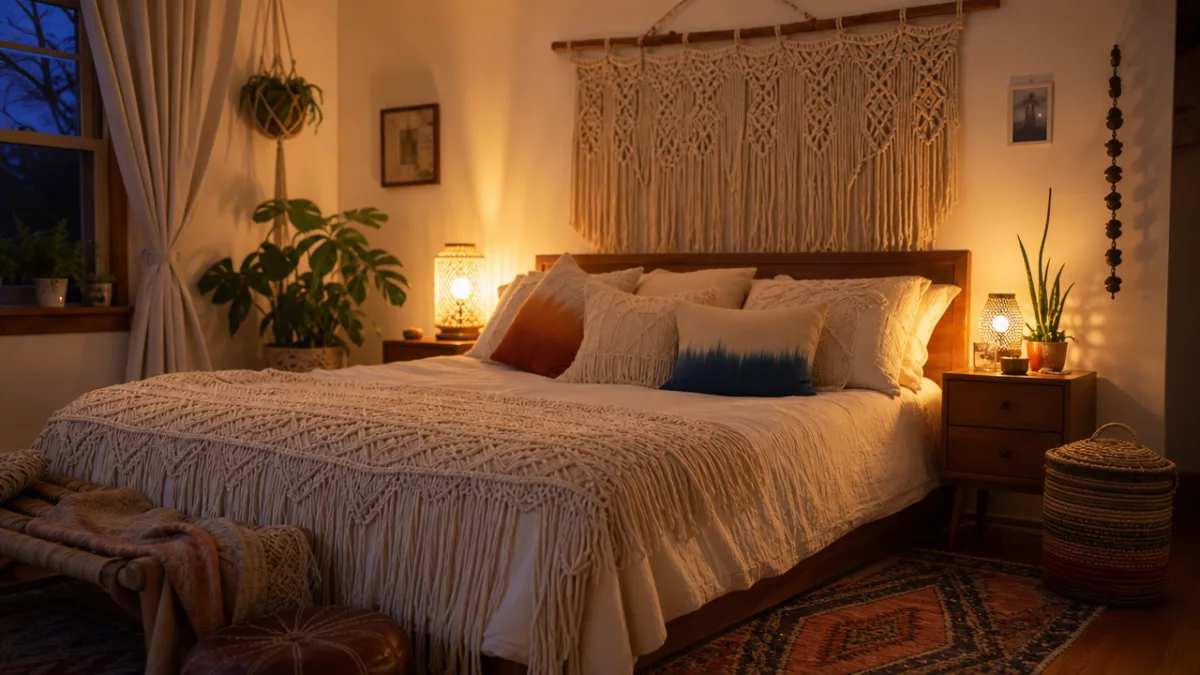
Macramé wall hangings are another great option, and they’ve genuinely earned their popularity. All you need is some cotton rope, a wooden dowel, and a few hours — beginner knot patterns are everywhere online and pretty much anyone can pick them up in an afternoon. A large, flowing macramé piece adds texture and that hand-crafted, artisan vibe to a wall instantly, and you’ll spend a fraction of what a comparable piece would cost in a boutique home goods store.
Peel-and-stick wallpaper and wall decals have also been a total game-changer, especially for renters who can’t commit to anything permanent. Geometric patterns, florals, faux brick — you can completely transform a wall in an afternoon and peel it all off when you move. Or if you want something even more personal, try painting a simple mural with basic acrylic craft paint. It costs almost nothing, and even simple shapes or color-blocking can turn a boring wall into the focal point of the whole room.
Repurposing and Upcycling: Turning Old Items Into Decorative Treasures
Upcycling might be the most satisfying corner of the whole DIY world because you’re being creative and sustainable at the same time. The idea is simple: take something old, worn out, or forgotten and turn it into something you actually want in your home. An old wooden ladder leaned against a wall becomes a rustic blanket rack. A stack of vintage suitcases becomes a charming side table with bonus hidden storage. The trick is just learning to see the potential in things other people walk right past.
Furniture upcycling is one of the most impactful places to start. A coat of chalk paint can completely reinvent a tired dresser, cabinet, or side table — and swapping in new hardware (drawer pulls and knobs are surprisingly cheap) can make a secondhand find look like something from a designer shop. Head to garage sales, thrift stores, or online marketplaces and you can pick up solid used furniture for almost nothing, then spend a little on paint and supplies to make it entirely your own.
Even small everyday objects are fair game. Wine bottles and glass jars become elegant vases, candle holders, or even pendant lamp shades with a little twine, paint, or copper wire. Old window frames turn into decorative mirrors or photo displays. Broken china and tiles can be mosaic’d onto flower pots or tabletops. The possibilities really are endless, and when you already have the base materials lying around, the whole project can cost next to nothing.
Simple Upcycling Projects to Start With
- Paint and distress an old wooden chair for a shabby-chic accent piece in a bedroom or reading nook.
- Transform glass wine bottles into frosted bud vases using spray frosting glass paint and a handful of wildflowers.
- Convert an old wooden crate into a rustic coffee table by adding hairpin legs purchased inexpensively online.
- Repurpose mason jars as pendant light fixtures with the addition of pendant light cord kits available at hardware stores.
- Use an old door or shutter as a headboard, painted in a bold accent color to anchor your bedroom’s design scheme.
DIY Textiles and Soft Furnishings That Add Warmth and Color
Cushions, throws, curtains, rugs — soft furnishings have an enormous effect on how a room feels, and making your own is way more approachable than most people think. No-sew cushion covers, for example, can be pulled together from inexpensive fabric using just fabric glue or iron-on hemming tape. No sewing experience needed. That means you can update plain cushions with bold colors and patterns that would cost a small fortune to buy ready-made from a home goods store.
Dyeing your own textiles is another really fun and cheap way to add color. Tie-dye and dip-dye have had a big moment lately, and for good reason — you can create genuinely one-of-a-kind throw blankets, pillow covers, and curtains from plain white or natural cotton. Fabric dye comes in virtually every color and costs very little, and the results can look surprisingly sophisticated. Ombre-dyed curtains, for instance, create a dramatic effect that looks like it cost a lot more than it did.
If you want to go a step further, handwoven wall hangings and tufted textiles are also well within reach. A simple woven piece can be made on a basic cardboard loom with yarn in complementary colors — no special equipment required. Punch needle and tufting have both gotten really popular lately as fiber arts you can actually learn at home, letting you make custom rugs, wall art, and cushion covers with a beautiful handcrafted texture. Starter kits are available at craft stores for reasonable prices, and once you have the tools, the ongoing materials are cheap.
Natural and Botanical Decor: Bringing the Outdoors Inside
Adding natural elements to your home is one of the cheapest and most effective ways to make it feel more alive and welcoming. Houseplants are the obvious starting point — a few well-placed pots of greenery can completely change the feel of a room. And plants like pothos, spider plants, and snake plants are not only inexpensive to buy, they’re incredibly easy to propagate, meaning one small plant can slowly fill your whole home with cuttings at basically no extra cost.
Dried botanicals have also become a huge trend, and if you’re willing to forage a bit, the materials cost you nothing. Dried pampas grass, eucalyptus, lavender, and wildflowers all make beautiful long-lasting arrangements that add texture and a relaxed, organic quality to any room. You can dry flowers by hanging them upside down somewhere warm and airy, or press them between book pages to frame as botanical art. These kinds of natural touches work in just about any style of interior — minimalist, bohemian, farmhouse, you name it.
Don’t overlook what you can find outside for free, either. River stones, driftwood, pine cones, and branches can all become striking decorative pieces. A bowl of smooth painted river stones looks beautiful and feels wonderfully tactile. A piece of driftwood hung on a wall makes a sculptural statement, or it can work as a curtain rod for a relaxed, beachy feel. A large branch suspended horizontally from the ceiling with thin rope becomes an eye-catching plant hanger — or pair it with small Edison bulb kits and you’ve got a bohemian lighting fixture for almost nothing.
Easy Natural Decor Ideas for Every Room
- Create a terrarium using a glass jar or fish bowl, small pebbles, activated charcoal, potting mix, and miniature succulent plants for a self-contained living centerpiece.
- Arrange a collection of dried grasses and seed heads in a tall ceramic vase for an effortlessly chic, textural display that requires zero maintenance.
- Press and frame wildflowers or autumn leaves between glass clip frames for budget-friendly botanical wall art with a genuine artisanal quality.
- Paint terracotta flower pots in geometric patterns or dipped colorblock designs to create personalized planters that suit your home’s color palette perfectly.
Lighting DIY Projects That Completely Transform the Ambiance of a Room
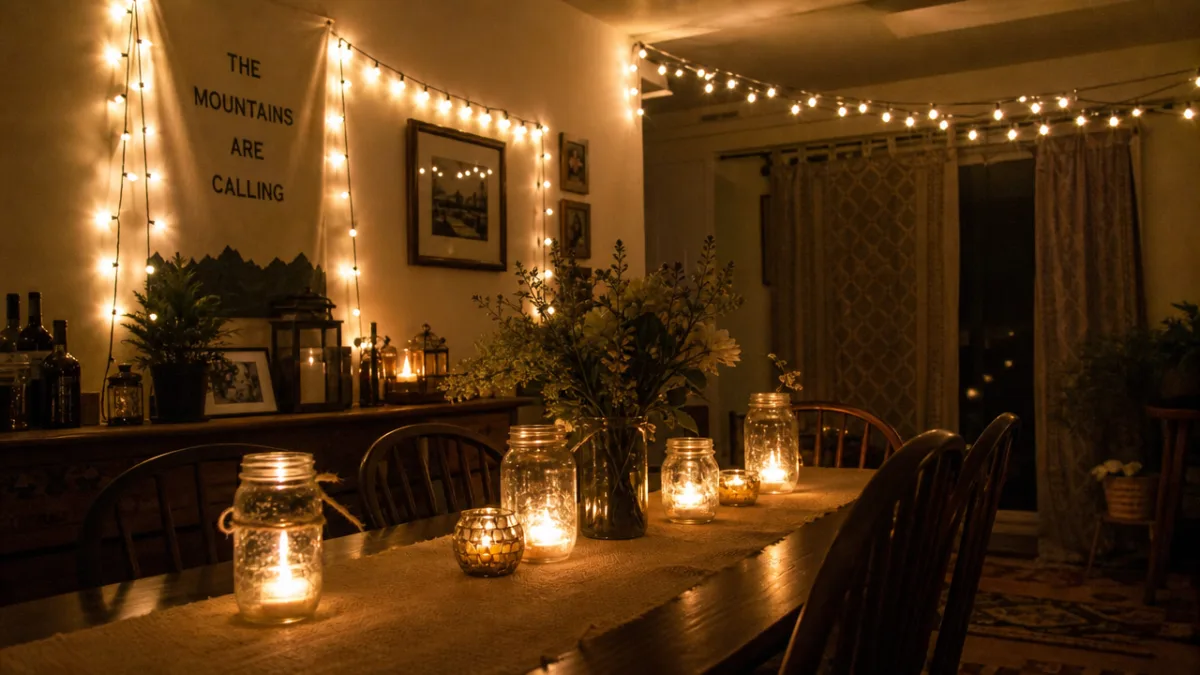
Lighting is one of those things that makes an enormous difference in how a room feels, and it’s surprisingly easy to DIY on the cheap. String lights are probably the most versatile tool in your arsenal — and they’re incredibly inexpensive. Drape them behind a sheer curtain, wind them through a vase of branches, or hang them in a canopy over your bed and the whole mood of a room shifts. Warm, soft, glowy light does things for a space that no harsh overhead fixture ever could.
Making your own lampshades is also simpler than it sounds and opens up a lot of creative possibilities. You can buy basic lampshade frames cheaply and cover them in a fabric you love, paint them, or wrap them in yarn or twine for a cozy, textural look. You can also build pendant lights from completely unexpected materials — a large woven basket, a colander, or a cluster of mason jars wired together can all become a unique light fixture with pendant light cord kits. These kits plug into a standard outlet and need zero electrical work, which makes them a genuinely accessible DIY project for pretty much anyone.
Candles and candle holders are another wonderful avenue for atmospheric, budget-friendly lighting. Homemade soy candles poured into recycled teacups, glass yogurt jars, or small tin cans are cheap to make, require minimal equipment, and double as lovely personalized gifts. For holders, you can get creative with almost anything — hollowed-out citrus fruits, paper bags with punched-out patterns, or glass jars filled with salt to hold tapers. There’s something about the soft flicker of candlelight that makes a room feel genuinely warm and intimate, and when the holders are handmade, they fit perfectly into whatever aesthetic you’re going for.
Organizing Your DIY Projects for Maximum Impact and Minimum Waste
A little strategy goes a long way when you’re tackling a home decor overhaul. Before you buy anything, do a quick honest inventory of what you already have — leftover paint, spare fabric, craft supplies, tools, random materials tucked in cupboards. A surprising number of projects can be completed almost entirely with stuff you already own, with only a few small, targeted purchases to fill in the gaps. Writing out a list of what you actually need before you set foot in a craft store also helps you avoid the trap of impulse buys that quietly wreck your budget.
It also really helps to plan your projects around a cohesive color palette for each room. Pick two or three core colors and one or two accent colors, then make sure every piece you create ties back to at least one of them. This is honestly the same trick professional interior designers use, and it’s completely free. When individual handmade pieces share a common palette, the room feels thoughtfully put together rather than like a collection of random crafts. The whole thing reads as intentional design rather than DIY chaos.
Finally, document your projects as you go. Take before-and-after photos, jot down notes on what worked and what you’d do differently, and share your results with online DIY communities if you feel like it. Those communities are genuinely generous with feedback, advice, and inspiration, and sharing your own work adds to something bigger than just your own home. Over time, as your skills grow and your collection of handmade pieces builds up, you’ll look around and realize you’ve created a space that’s completely, unmistakably yours — and no amount of money spent at a retail store could ever replicate that.








What do you think?
It is nice to know your opinion. Leave a comment.