










Outdoor Privacy Screens You’ll Wish You Tried
Why Outdoor Privacy Screens Are a Game-Changer for Your Space
There is something deeply satisfying about stepping into your backyard and feeling completely at ease, free from the eyes of neighbors or passersby. Outdoor privacy screens have evolved far beyond the simple wooden fences of decades past, transforming into elegant, functional design elements that can completely reinvent the feel of a patio, garden, or deck. Whether you are hosting a summer dinner party or simply enjoying a quiet morning coffee, the right privacy screen can turn an exposed outdoor area into a genuine sanctuary.
The rise of outdoor living as an extension of the home interior has pushed homeowners and designers alike to think more creatively about how privacy is achieved. Modern privacy screens serve double duty, providing seclusion while simultaneously acting as decorative focal points. From laser-cut metal panels with geometric patterns to lush living walls draped in climbing vines, the options available today are staggering in their variety and sophistication. This shift has made outdoor privacy less of a necessity and more of a design opportunity.
Beyond aesthetics, privacy screens offer practical benefits that many homeowners overlook when first considering them. They can act as windbreaks, reducing the chill of a stiff breeze and extending the usable season of an outdoor space by weeks or even months. They provide shade during the harshest hours of afternoon sun, protecting both people and plants. They can also serve as noise buffers, muffling the sounds of traffic or nearby activity and creating a quieter, more peaceful environment for relaxation and conversation.
Understanding Your Privacy Needs Before You Shop
Before investing in any privacy screen solution, it is worth taking time to assess exactly what you need from the installation. Walk around your outdoor space at different times of day and note where you feel most exposed, whether that is from a neighboring second-story window, a busy street, or an overlooking balcony. Understanding the angle and height of the intrusion will help you choose a screen with the appropriate dimensions and placement to be truly effective rather than merely decorative.
Consider also the permanence you are looking for. Some screens are fixed structures that require permits and professional installation, while others are freestanding, modular systems that can be rearranged seasonally or taken with you if you move. Renters in particular should explore the wide range of temporary options that require no drilling or permanent modification. Even lightweight bamboo roll screens attached to a pergola with zip ties can provide meaningful seclusion without violating a lease agreement.
Think about maintenance as well. A stunning trellis covered in jasmine or climbing roses is a breathtaking privacy solution, but it requires regular pruning, watering, and seasonal care. Metal screens, on the other hand, may need only occasional cleaning and a rust-resistant coating every few years. Composite or PVC panels are virtually maintenance-free, though they may lack the warmth and character of natural materials. Matching your privacy screen to your lifestyle and available time for upkeep is just as important as matching it to your aesthetic vision.
The Most Beautiful Materials for Outdoor Privacy Screens
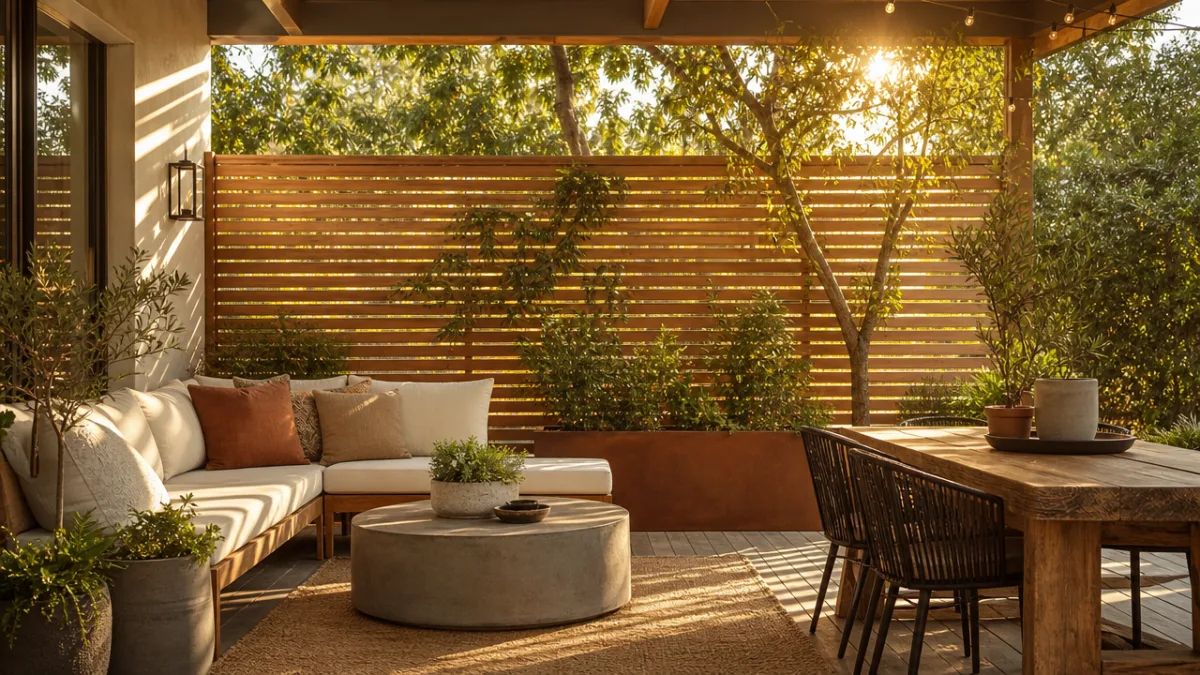
Wood remains one of the most beloved materials for outdoor privacy screens, and it is easy to understand why. It brings warmth, natural texture, and a timeless quality that synthetic materials struggle to replicate. Cedar and redwood are particularly popular choices because of their natural resistance to rot, insects, and moisture. A slatted cedar screen, with its horizontal or vertical boards spaced just enough to allow light and air to filter through, strikes a perfect balance between openness and seclusion that feels both intentional and beautiful.
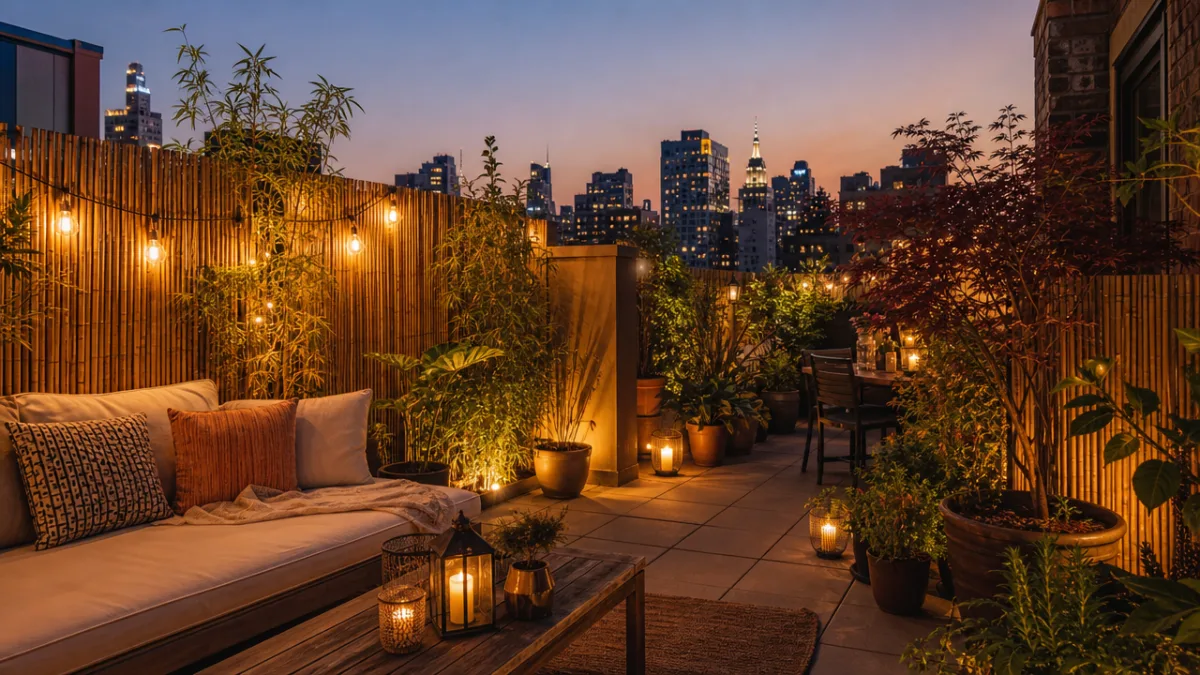
Bamboo is another natural option that has surged in popularity, largely because of its sustainability credentials and its striking aesthetic. As one of the fastest-growing plants on earth, bamboo is an environmentally responsible choice for eco-conscious homeowners. Bamboo panels and roll screens bring a distinctly organic, slightly tropical feel to outdoor spaces, and they pair beautifully with lush plantings and natural stone surfaces. They do require sealing and occasional maintenance in wet climates, but their unique visual character makes the effort worthwhile for many people.
For a more contemporary or industrial look, metal screens have become increasingly fashionable. Corten steel, which develops a rich, rust-like patina over time, is particularly sought after for its dramatic, sculptural presence. Powder-coated aluminum panels are another excellent choice, combining lightweight construction with exceptional durability and a clean, modern finish. Laser-cut metal screens featuring intricate botanical, geometric, or abstract patterns can elevate a simple backyard fence into something that looks more like outdoor art than practical infrastructure.
Exploring Composite, Vinyl, and Innovative New Materials
Composite wood panels have gained significant traction in the privacy screen market over the past decade, offering the look of natural wood without the vulnerability to moisture, warping, or insects. Made from a blend of wood fibers and plastic, composite screens are incredibly durable and typically come with long-term warranties that natural wood products cannot match. They are available in a range of colors and finishes that mimic the grain and texture of real wood convincingly enough to satisfy most homeowners seeking a natural aesthetic without the maintenance burden.
Polycarbonate panels represent a fascinating and underutilized option for outdoor privacy screens. These lightweight, virtually unbreakable plastic panels can be translucent, tinted, or frosted, allowing light to pass through while obscuring clear sightlines. Frosted polycarbonate panels installed in a sleek aluminum frame create a look that feels strikingly contemporary, almost like a piece of modern architecture. They are particularly effective in urban settings where maintaining brightness while blocking direct views is a priority.
Living screens made from modular planting systems represent perhaps the most innovative direction in outdoor privacy solutions. These systems use interlocking panels with built-in pockets or channels for planting, allowing homeowners to create lush vertical gardens that function as privacy walls. When planted with dense perennials, ornamental grasses, or evergreen shrubs, a living screen can achieve near-total seclusion while simultaneously improving air quality, supporting pollinators, and adding extraordinary visual richness to any outdoor space.
Creative Privacy Screen Ideas That Go Beyond the Ordinary
One of the most refreshing trends in outdoor design is the move away from uniform, perimeter-spanning privacy fences toward strategic, sculptural privacy elements that do far more interesting things with space. Rather than enclosing an entire yard, a well-placed freestanding screen can divide a patio from a lawn, create a cozy nook within a larger garden, or frame a view deliberately, directing the eye toward something beautiful while hiding something less appealing. This kind of thoughtful spatial editing transforms a backyard from a simple outdoor room into a layered, dynamic landscape.
Pergolas fitted with privacy screens on one or more sides are a particularly effective approach for creating sheltered outdoor dining and lounging areas. The vertical screen panels can be made from virtually any material, from woven wicker to metal mesh to fabric curtains, and they work in concert with the pergola’s overhead structure to create a sense of true enclosure without feeling claustrophobic. Adding outdoor curtains in weather-resistant fabrics like Sunbrella brings softness and movement to the space, while offering the flexibility to open everything up when complete openness is desired.
Repurposed materials offer some of the most characterful and cost-effective privacy screen solutions available. Old wooden pallets stacked and secured to a frame can create a surprisingly sturdy and attractive rustic screen, especially when planted with trailing herbs or succulents in the gaps. Salvaged window frames, doors, or shutters arranged in a row create an eclectic, bohemian privacy barrier with genuine vintage character. Even dense rows of tall potted plants, such as bamboo in planters or columnar evergreens in containers, can provide meaningful seclusion while remaining completely movable and renter-friendly.
Privacy Screens That Double as Garden Features
Some of the most stunning outdoor privacy solutions are those that blur the line between functional infrastructure and garden artistry. A trellis screen covered in climbing hydrangea or wisteria is as beautiful as any garden border, transforming a practical privacy barrier into a seasonal spectacle of bloom and fragrance. Espaliered fruit trees trained flat against a wire framework create a living screen that is productive as well as beautiful, offering privacy, seasonal blossom, and edible fruit in a single elegant installation.
Water features can be cleverly integrated with privacy screens to add both visual interest and acoustic masking. A wall-mounted water cascade installed on the back face of a privacy screen creates a gentle white noise that helps to muffle ambient sounds from beyond the garden boundary, while the rippling water adds a dynamic, meditative quality to the space. This combination of privacy screen and water feature is increasingly popular in urban courtyards and rooftop terraces where both seclusion and sensory richness are at a premium.
Lighting transforms privacy screens from daytime features into nighttime focal points. String lights woven through a trellis panel, uplights at the base of a bamboo screen, or backlit polycarbonate panels that glow softly after dark all create dramatically different atmospheres depending on the hour. Integrating lighting into your privacy screen from the beginning, rather than adding it as an afterthought, allows for cleaner installation and more intentional effects. Solar-powered lighting options make this increasingly practical even in locations without convenient electrical access.
How to Install Outdoor Privacy Screens Like a Pro
Successful privacy screen installation begins with proper planning and measurement. Before purchasing any materials, carefully measure the area you want to screen, noting the height and width required and identifying any obstacles such as tree roots, underground utilities, or existing structures that might complicate installation. Use stakes and string to mock up the screen’s footprint before committing, walking around the space at different points to evaluate sightlines and ensure that the screen will actually achieve the privacy you are seeking. This simple step can prevent expensive mistakes later.
For permanent freestanding screens and fence panels, post depth and stability are the critical factors that separate a long-lasting installation from one that will lean or collapse within a few seasons. As a general rule, posts should be buried to a depth equal to at least one-third of their above-ground height, and ideally set in concrete for maximum stability. In areas with high winds or in sandy or loose soils, increasing post depth or using heavy-duty post anchors cemented into the ground will significantly improve the durability of the finished installation.
Modular and freestanding screen systems are designed for straightforward assembly without professional help, but it is still worth reading all instructions thoroughly before beginning and ensuring that you have all necessary tools and hardware on hand. Many systems require basic tools like a level, a drill, and a socket set. Having a helper for the assembly stage makes aligning panels and holding components in place much easier and reduces the risk of damaging the screen during installation. Take time to ensure everything is perfectly level and plumb from the outset, as small misalignments compound quickly when multiple panels are joined together.
Tips for Anchoring Screens Without Permanent Damage
For renters or those who prefer flexibility, there are several clever methods for creating stable, effective privacy screens without permanent footings or structural modifications. Weighted planter bases, in which heavy-duty planters filled with ballast or soil anchor freestanding screen frames, are an excellent solution for patios and decks. The planters themselves can be filled with ornamental grasses, lavender, or boxwood for additional greenery, combining the anchoring function with genuine plant interest. This approach is widely used in commercial outdoor dining environments and translates beautifully to residential settings.
Tension rod systems threaded between existing structural elements such as pergola posts, balcony railings, or fence panels can support lightweight screen materials like outdoor fabric, bamboo matting, or shade cloth without any drilling or permanent attachment. This approach works particularly well in narrow spaces where a freestanding frame would be impractical. The tension rods can be removed and stored at the end of the season, making this one of the most adaptable privacy screen solutions for spaces with changing needs throughout the year.
Always check local regulations and homeowner association rules before installing any privacy screen, particularly those that approach or exceed typical fence height limits. Many jurisdictions regulate the height, placement, and materials of outdoor structures, and some require permits for anything considered a permanent installation. A quick call to your local planning department or a review of your HOA guidelines before purchasing materials can save considerable time, expense, and frustration later in the process.
Best Plants to Combine with Your Privacy Screen
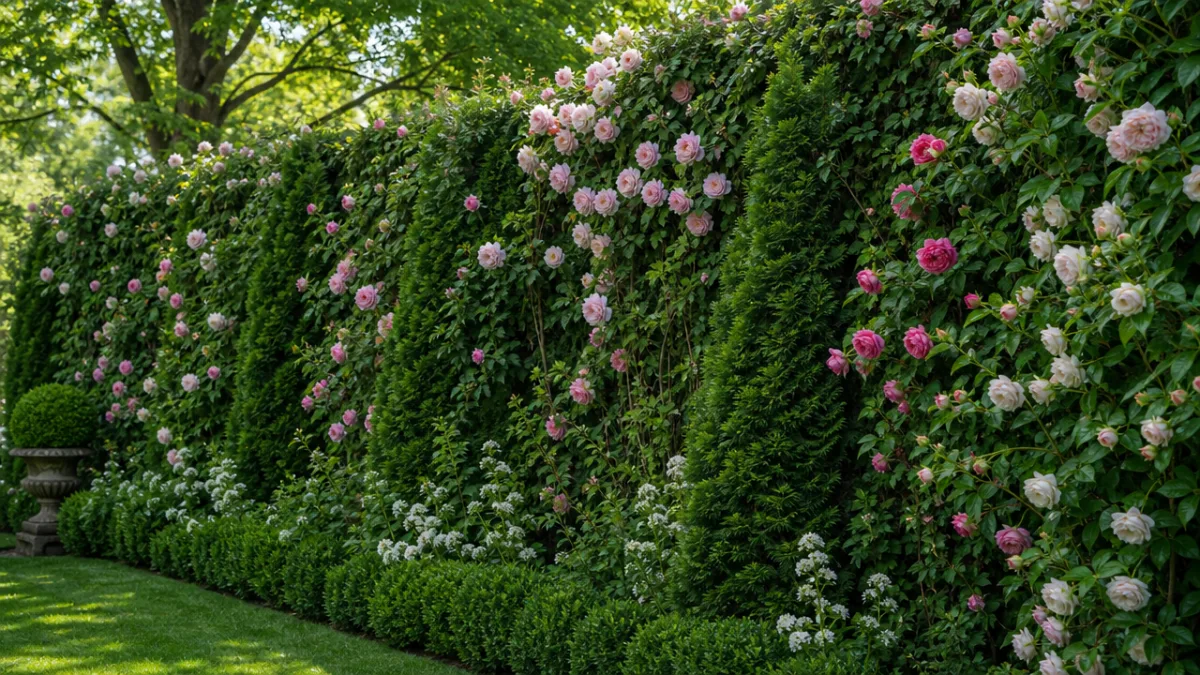
Pairing plants with a privacy screen is one of the most effective ways to soften its appearance, enhance its effectiveness, and integrate it seamlessly into the surrounding garden. Climbing plants are the natural first choice for trellised or mesh screens, and there is a spectacular range of species to choose from depending on your climate and aesthetic preferences. Clematis offers an extraordinary variety of flower colors and blooming seasons, and many varieties are vigorous enough to provide dense coverage within a single growing season. Climbing roses bring romance and fragrance while honeysuckle attracts hummingbirds and butterflies in abundance.
Ornamental grasses are a superb complement to privacy screens of all types, planted at the base to soften the transition between the hard screen surface and the ground plane. Tall grasses like miscanthus, pennisetum, or panicum can grow to impressive heights that enhance the overall screening effect, while their graceful movement in the breeze adds a dynamic, naturalistic quality that no manufactured screen can replicate on its own. Grasses are also remarkably low-maintenance, requiring little more than an annual cutback to remain healthy and attractive through multiple seasons.
Evergreen shrubs are invaluable for privacy screens that need to remain effective year-round. Varieties like holly, photinia, viburnum, and certain cultivars of boxwood can be grown as dense, formal hedges that complement structured screen designs, or allowed to grow more freely for a naturalistic effect. When planted in a staggered double row in front of a screen, evergreen shrubs can effectively double the visual depth and density of the privacy barrier, creating a truly immersive green backdrop that transforms the entire character of the space around it.
Creating a Layered Planting Scheme for Maximum Privacy
The most effective planting approaches for privacy screens use layering, combining plants of different heights, textures, and seasonal interest to create a living composition that is both practical and beautiful. A layered scheme might begin with tall columnar trees or large shrubs at the back, positioned just in front of the screen to add height and structure. A middle layer of medium-sized shrubs, ornamental grasses, or climbing plants then fills the mid-section, while a front layer of perennials, groundcovers, and low shrubs ties everything together at ground level and eliminates bare soil that can look unfinished.
Seasonal interest should be considered carefully when selecting plants for a privacy screen planting scheme. A border that looks spectacular in summer but bare and skeletal in winter will leave your space feeling exposed during cooler months. Aim to include a mix of evergreen structure, early spring bulbs, summer flowering perennials, and plants with interesting autumn color or winter seedheads. This approach ensures that the planting remains attractive and at least partially effective as a visual barrier throughout all four seasons, even in climates with hard winters.
Container planting offers tremendous flexibility for privacy screen plant combinations, allowing you to move specimens around as needed to fill gaps, respond to changing light conditions, or simply refresh the look of the space. Large containers planted with standard bay trees, clipped box balls, or tall ornamental grasses can be positioned directly in front of a screen to create instant architectural punctuation. In cooler climates, tender specimens like tree ferns, phormiums, or standard citrus trees can spend summer outdoors contributing to the screening effect and then be moved under cover before the first frost.
- Clematis and climbing roses for colourful, fragrant seasonal coverage on trellis screens
- Bamboo in large containers for tall, movable, year-round screening without ground planting
- Miscanthus and pennisetum grasses for graceful movement and feathery late-season texture
- Holly, viburnum, and photinia for dense, evergreen structure that works in all seasons
- Honeysuckle and jasmine for fast-growing coverage with exceptional fragrance
- Columnar fruit trees for productive, space-efficient screening in smaller gardens
Budget-Friendly Privacy Screen Ideas That Look Expensive
Creating a beautiful, effective privacy screen does not have to require a large budget. Some of the most visually striking outdoor privacy solutions are also among the most affordable, relying on creativity, repurposed materials, and clever plant selection rather than expensive manufactured products. The key is to commit to a consistent aesthetic and execute it with care and attention to detail. A row of matching galvanized metal planters filled with bamboo, for example, creates a cohesive, architectural look that appears far more considered and costly than the relatively modest investment it represents.
Bamboo roll fencing, sold in long sections that can be cut to size and attached to an existing fence frame or pergola structure, is one of the most cost-effective ways to add privacy and texture to an outdoor space. It is widely available at garden centres and online retailers for a fraction of the cost of custom-built screen panels, and it can be installed in an afternoon with minimal tools or skill. While it does require replacement every few years in exposed locations, the low initial cost makes this an entirely reasonable ongoing investment, particularly for renters or those who prefer to change their outdoor aesthetic regularly.
Fabric outdoor curtains hung from a simple tension wire or curtain rod system represent another genuinely budget-friendly approach to outdoor privacy. Weather-resistant fabrics like solution-dyed acrylic are available in a wide range of colours and patterns at relatively modest prices, and a set of floor-to-ceiling outdoor curtains can transform a pergola or covered patio into a dreamy, sheltered retreat. The curtains can be pulled back to open the space fully when desired, offering a flexibility that rigid screen panels simply cannot match and making this one of the most versatile privacy solutions available at any price point.
DIY Privacy Screen Projects Worth Trying This Weekend
For the hands-on homeowner, DIY privacy screen projects offer an excellent combination of customization, cost savings, and the deep satisfaction of building something yourself. A simple pallet screen requires only a handful of pallets, some exterior screws, and a few post anchors to assemble into a surprisingly sturdy and attractive privacy barrier. Painted in a rich, weather-resistant outdoor paint color or left natural and treated with linseed oil, a pallet screen has genuine rustic character and can be completed in a single weekend with basic tools.
A DIY trellis screen built from inexpensive lumber and galvanized wire is another highly achievable weekend project that delivers results far beyond its modest material cost. A simple framework of pressure-treated posts and horizontal rails, strung with stainless steel wire spaced approximately six inches apart, creates a structure ready to support climbing plants within a season. As plants establish and cover the wire, the original framework effectively disappears, leaving only the lush, living screen that was always the goal. This is perhaps the most patient of privacy screen solutions, but the results are among the most rewarding.
Combining purchased elements with DIY work is often the smartest approach for homeowners seeking the best balance of quality, customization, and cost. Buying ready-made metal post brackets and post caps, for example, and combining them with lumber purchased and cut to your specific dimensions allows you to create a custom-height screen that fits your exact space precisely, without the expense of a fully custom fabricated product. Similarly, purchasing a basic modular screen system and supplementing it with DIY planting structures, lighting, or decorative elements results in a far more personalized and interesting finished installation than any off-the-shelf product could achieve on its own.








What do you think?
It is nice to know your opinion. Leave a comment.