










How to Build a Pond: A Complete Guide to Creating Your Backyard Water Feature
Planning Your Pond: Vision, Purpose, and Location
Building a pond is one of the most rewarding landscaping projects a homeowner can undertake. A well-designed pond transforms an ordinary backyard into a tranquil retreat, adding visual interest, the soothing sound of water, and a thriving habitat for wildlife. Before you break ground, however, thoughtful planning is essential. Rushing into construction without a clear vision almost always leads to costly mistakes and disappointing results.
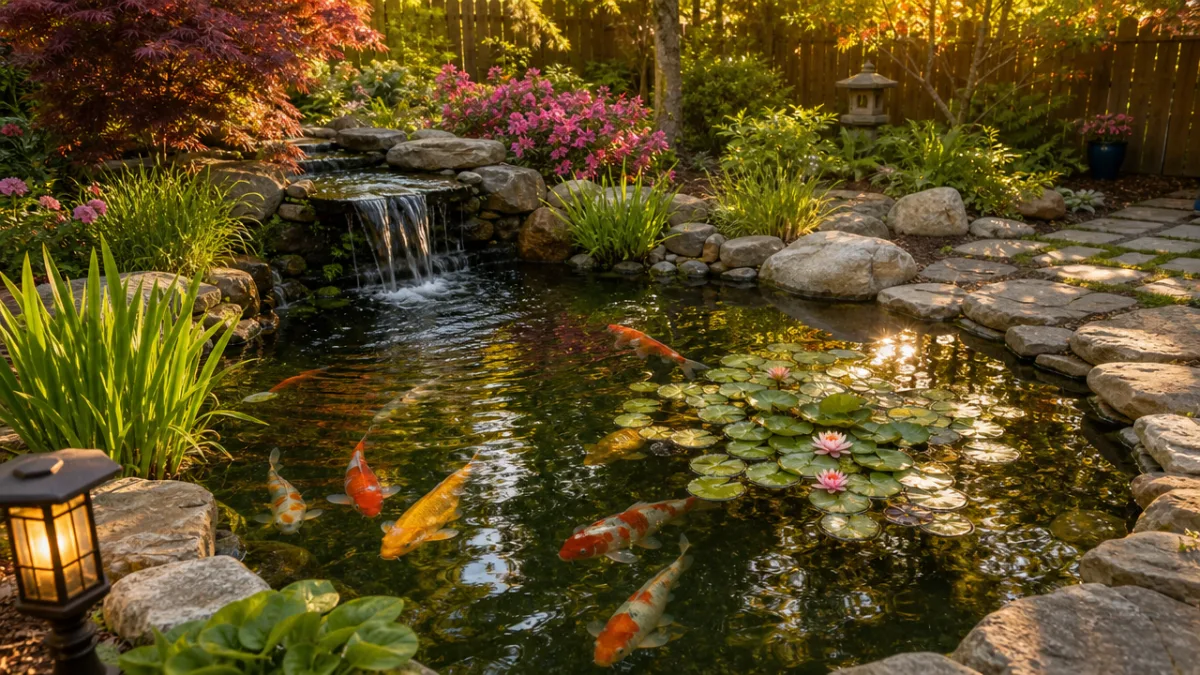
The first question to ask yourself is what purpose the pond will serve. Are you envisioning a serene koi pond where ornamental fish glide through clear water beneath lily pads? Perhaps a naturalistic wildlife pond that attracts frogs, dragonflies, and birds is more aligned with your goals. Alternatively, a formal reflecting pool with clean geometric lines might suit a structured garden design. Each type of pond has different requirements in terms of depth, filtration, planting, and ongoing maintenance, so clarifying your intentions from the outset will guide every subsequent decision.
Location is arguably the single most critical planning decision you will make. A pond needs a balance of sunlight and shade: too much direct sun encourages excessive algae growth, while too much shade prevents aquatic plants from thriving and can leave the water looking dark and uninviting. As a general rule, aim for a spot that receives around four to six hours of sunlight daily. Equally important is avoiding areas beneath large deciduous trees, since falling leaves decompose in the water, consume oxygen, and can become toxic to fish over time.
You should also consider practical factors such as proximity to a power source for pumps and lighting, the natural slope and drainage patterns of your yard, and underground utilities. Always call your local utility notification service before digging. Ponds placed in low-lying areas may collect runoff carrying fertilizers and pesticides, which can devastate aquatic life. Choosing a slight elevation with a natural visual focal point gives the pond both aesthetic prominence and protection from contamination.
Designing Your Pond: Size, Shape, and Depth
Once you have settled on a location, it is time to think seriously about the dimensions and shape of your pond. A common beginner mistake is underestimating how large a pond needs to be. Small ponds of less than 100 square feet are notoriously difficult to maintain because they experience rapid temperature fluctuations, lose water quickly to evaporation, and develop algae problems far more readily than larger bodies of water. Aiming for at least 150 to 200 square feet gives you a much more stable aquatic ecosystem.
Depth varies depending on what you plan to keep in your pond. A basic wildlife or ornamental planting pond needs a minimum depth of around 18 to 24 inches to support healthy aquatic plants and to prevent the entire volume from freezing in winter. If you intend to keep koi, you should plan for a depth of at least 3 feet, and ideally 4 to 5 feet in colder climates, since koi require deep, stable water temperatures to overwinter safely. Deeper zones also provide fish with refuge from predators such as herons.
The shape of your pond should complement the surrounding landscape. Freeform, organic curves work beautifully in cottage gardens, naturalistic settings, and informal yards. Rectangular or circular ponds suit formal, symmetrical garden designs. Whichever shape you choose, creating gradual shelved edges with varying depths adds ecological value: shallow marginal shelves allow bog and marginal plants to root, provide entry and exit points for wildlife, and create attractive planting zones that soften the transition between water and land.
Sketching your design on paper or using a garden planning app before you begin digging will save considerable time and effort. Use a garden hose or rope laid on the ground to outline the pond shape and walk around it from multiple angles to evaluate how it looks from the house, the patio, and the garden paths. This simple exercise frequently reveals that a pond needs to be repositioned, resized, or reshaped before any soil is disturbed.
Gathering Materials and Tools: Everything You Need Before You Dig
Successful pond construction depends on having the right materials assembled before work begins. The liner is the most important component of any garden pond, and choosing the correct one will determine how long your pond lasts and how much ongoing maintenance it requires. Flexible butyl rubber liners are widely regarded as the best choice for freeform ponds. They are durable, UV-resistant, highly elastic, and capable of conforming to complex shapes. High-quality butyl liners carry warranties of 20 years or more and are worth the investment over cheaper alternatives.
EPDM (ethylene propylene diene monomer) liners are another excellent option that share many of butyl rubber’s properties and are often sold at a lower price point. Rigid preformed pond shells made from fibreglass or heavy-duty plastic offer convenience and speed of installation, though they limit you to fixed shapes and sizes. For very large or complex pond designs, concrete construction is an option, though it requires professional expertise, significant expense, and periodic sealing to prevent leaching of lime, which raises pH and can harm fish.
Beyond the liner itself, you will need a generous layer of underlay or geotextile fabric to protect the liner from puncture by sharp stones or roots. Calculate your liner size by measuring the maximum length plus twice the maximum depth, and the maximum width plus twice the maximum depth, then add an extra 18 inches on all sides for overlap and anchoring. Underestimating liner size is a frustrating and expensive mistake. It is always better to have a generous surplus than to fall short mid-installation.
In terms of tools, you will need:
- Spades and shovels for excavation, along with a mattock for breaking compacted or stony soil
- A spirit level and long straight board for checking that pond edges are level throughout the excavation
- A submersible pump rated appropriately for your pond volume, with extra capacity to handle waterfalls or fountains if planned
- Biological filtration unit to maintain water clarity and healthy nitrogen cycle balance
- A UV clarifier to control green water algae, which is particularly important in koi ponds
- Edging materials such as natural stone, slate, cobbles, or wooden sleepers to finish the pond perimeter attractively
Excavation and Installation: Digging and Laying the Liner
With your materials in hand and your design firmly established, excavation can begin. Start by marking out the pond perimeter using sand poured from a bottle or marking spray paint, following your hose or rope template. Remove the turf carefully using a spade, slicing through the root layer cleanly. If the removed turf is in good condition, it can be reused elsewhere in the garden. Set soil aside in a manageable pile; you will likely be surprised by how much soil even a modestly sized pond displaces, so plan where it will go before you start.
Dig to the depth of your first marginal shelf first, usually around 9 to 12 inches below the finished water surface. This shelf, typically 12 inches wide, is where marginal aquatic plants will be positioned in baskets. Continue digging the main body of the pond to your intended maximum depth, creating smooth, slightly sloping walls as you go. Vertical sides are prone to collapse and make liner installation difficult, while a gentle inward slope of around 20 degrees provides structural stability and allows the liner to settle naturally without stress points.
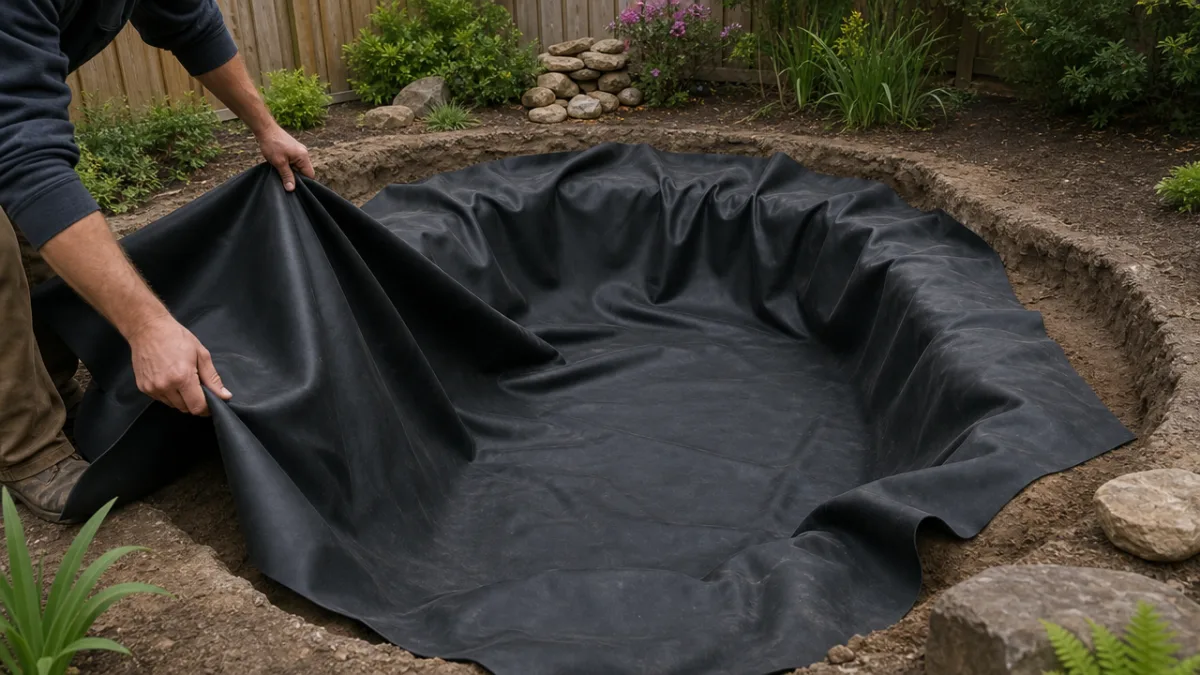
Once excavation is complete, remove all sharp stones, tree roots, and debris from the hole with painstaking care. Even a small sharp stone left beneath the liner can eventually wear through it under the weight of water. Compact the base and walls firmly. Lay your protective underlay or geotextile fabric first, draping it generously into every contour and shelf, then unfold your liner on a warm day (warmth makes rubber liners far more pliable and easier to work with). Ease the liner into the hole, pressing it gently into the contours and creating careful pleats at corners rather than pulling the material taut.
Begin filling the pond slowly with water. As the water weight increases, the liner will settle naturally into the excavated shape. Resist the urge to anchor the liner edges until the pond is at least two-thirds full, as the water weight needs to pull the liner down evenly first. Once full, trim the liner to leave a 12-inch overlap all around the edge, then secure it under your chosen edging material. Ensure that all edging stones or timber slightly overhang the water to conceal the liner and create a natural-looking finish.
Filtration, Planting, and Establishing a Healthy Ecosystem
A newly filled pond is essentially a blank slate, and establishing a healthy, balanced aquatic ecosystem is the process that transforms it from a glorified hole filled with water into a thriving, self-sustaining environment. Filtration is the backbone of any healthy pond, especially one containing fish. The nitrogen cycle is the biological process by which beneficial bacteria convert toxic fish waste and decaying organic matter first into nitrite and then into relatively harmless nitrate. Without adequate filtration housing these bacteria colonies, ammonia builds to lethal levels remarkably quickly.
Install your submersible pump at the deepest point of the pond, ensuring it will always remain submerged. Run the outlet pipe to your chosen filtration unit, which should be positioned at the pond edge or slightly above water level so that filtered water returns to the pond either via a waterfall, a stream, or a pipe entry point below the surface. A waterfall or moving water return is highly recommended, as it oxygenates the water continuously, which is vital for fish health and supports the aerobic bacteria in your filter. Run the pump and filter continuously; turning them off even for a day can kill the beneficial bacteria colony and crash your water quality.
Planting is both the aesthetic and ecological heart of your pond. Aquatic plants fall into several functional categories, each playing a different role. Oxygenating plants such as hornwort and water starwort grow submerged and release oxygen directly into the water while competing with algae for nutrients. Floating plants such as water hyacinth and water lettuce shade the surface, reducing light penetration and suppressing algae. Marginal plants including iris, rushes, and pickerel weed grow in the shallow shelves, providing structural interest and wildlife habitat. Water lilies anchor in deeper baskets and provide invaluable surface coverage.
As a general guideline, aim to cover approximately 50 to 60 percent of the pond surface with plant coverage during peak summer. This level of coverage shades the water enough to discourage algae while still allowing some direct sunlight to penetrate. Avoid introducing too many plants at once; a gradual approach over the first growing season allows you to assess what thrives in your specific conditions and prevents any single species from overwhelming the system before the ecological balance is established.
Introducing Fish and Wildlife: Stocking Responsibly
If you plan to keep fish, patience is essential. A brand-new pond has no established bacterial colony in its filter, which means that even a modest fish load will generate ammonia faster than the system can process it. Allow the pond to run for a minimum of two to four weeks before adding any fish, and during this period introduce a beneficial bacteria starter product to seed the filter media. Test the water regularly using a liquid test kit covering ammonia, nitrite, nitrate, and pH levels. Only begin stocking fish once ammonia and nitrite both read zero.
Koi are the most popular choice for ornamental garden ponds and for good reason: they are hardy, long-lived, available in breathtaking colour varieties, and become remarkably tame with regular feeding. However, koi produce significantly more waste than smaller fish and require correspondingly larger, deeper ponds and more powerful filtration. Goldfish, including commons, comets, and shubunkins, are a more forgiving and equally beautiful option for smaller ponds. Whatever species you choose, stock conservatively. The traditional guideline of one inch of fish per 10 gallons of water is a sensible starting point.
Even if you do not intend to introduce fish manually, wildlife will find your pond with impressive speed. Frogs and toads typically discover a new pond within a single season and may begin spawning by the following spring. Dragonflies and damselflies will use the pond for their aquatic larval stage. Hedgehogs, foxes, and birds will visit to drink. Swallows skim the surface to drink on the wing. By avoiding chemical treatments, using only wildlife-safe products, and leaving at least one gently sloping area for animals to enter and exit the water safely, you create not just a garden feature but a genuine conservation habitat.
Ongoing maintenance keeps the pond healthy and visually appealing throughout the seasons. In autumn, stretch a fine mesh net over the pond to catch falling leaves before they sink and decompose. Trim back dying plant growth to prevent it from rotting in the water over winter. In summer, top up water levels lost to evaporation using rainwater wherever possible, as tap water contains chlorine and phosphates that stress fish and fuel algae growth. Periodically remove blanketweed by hand or with a specialised tool, and carry out partial water changes of around 10 to 15 percent monthly to dilute accumulated nitrates and keep water quality consistently high.
Finishing Touches: Edging, Lighting, and Making Your Pond Shine
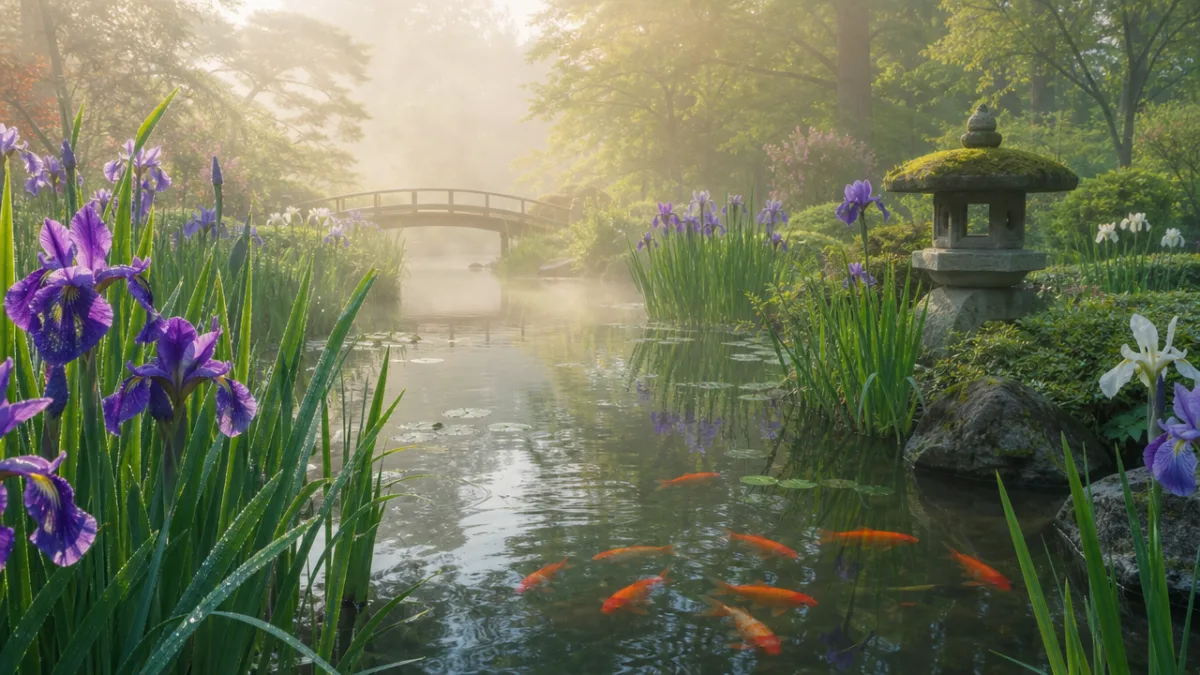
The way you finish the edges and surround of your pond determines how naturally it integrates with the rest of the garden. Natural stone such as sandstone, limestone, or slate works beautifully with informal, naturalistic ponds. Lay larger stones first to anchor the liner, then build up layers of varying sizes to create a natural, irregular appearance. Tuck plants such as creeping thyme, mind-your-own-business, and various sedges into the gaps between rocks to soften the stonework and blur the boundary between garden and water.
Lighting transforms a pond from a daytime feature into a year-round spectacle that can be enjoyed from indoors on winter evenings as much as during summer barbecues. Submersible LED spotlights placed beneath the water create an ethereal, glowing effect that illuminates the fish and plants from below. Directional spotlights mounted at the water’s edge can highlight waterfalls or fountains with dramatic effect. Solar-powered floating lights are an easy, cable-free option for smaller ponds. Whatever lighting system you choose, use only products specifically designed and rated for pond use, as safety and longevity depend entirely on appropriate specification.
Consider adding complementary features that enhance the pond environment and extend the sensory experience. A small waterfall constructed from carefully arranged flat stones not only looks and sounds wonderful but significantly improves water oxygenation and circulation. A bog garden positioned at one end of the pond, where the liner extends slightly beyond the water’s edge and moisture-loving plants such as astilbe, rodgersia, and marsh marigold are planted in consistently wet soil, creates a seamless transition between pond and garden. Seating positioned to face the pond, perhaps a simple wooden bench or a curved stone seat, transforms the pond into an invitation to sit, watch, and listen.
Building a pond is a project that rewards patience, careful planning, and a willingness to learn. The first season is often the most challenging as the ecosystem finds its balance, algae fluctuates, and plants establish themselves. By the second and third year, most well-built ponds stabilise into beautifully self-regulating systems that require less intervention and deliver more pleasure with each passing season. The birdsong, the flash of a goldfish, the croak of a frog at dusk, and the reflection of clouds on still water are rewards that make every hour of planning and labour entirely worthwhile.








What do you think?
It is nice to know your opinion. Leave a comment.