










Discover the Beauty of Small Garden Ponds and How to Make One Yourself
The Timeless Appeal of Garden Ponds
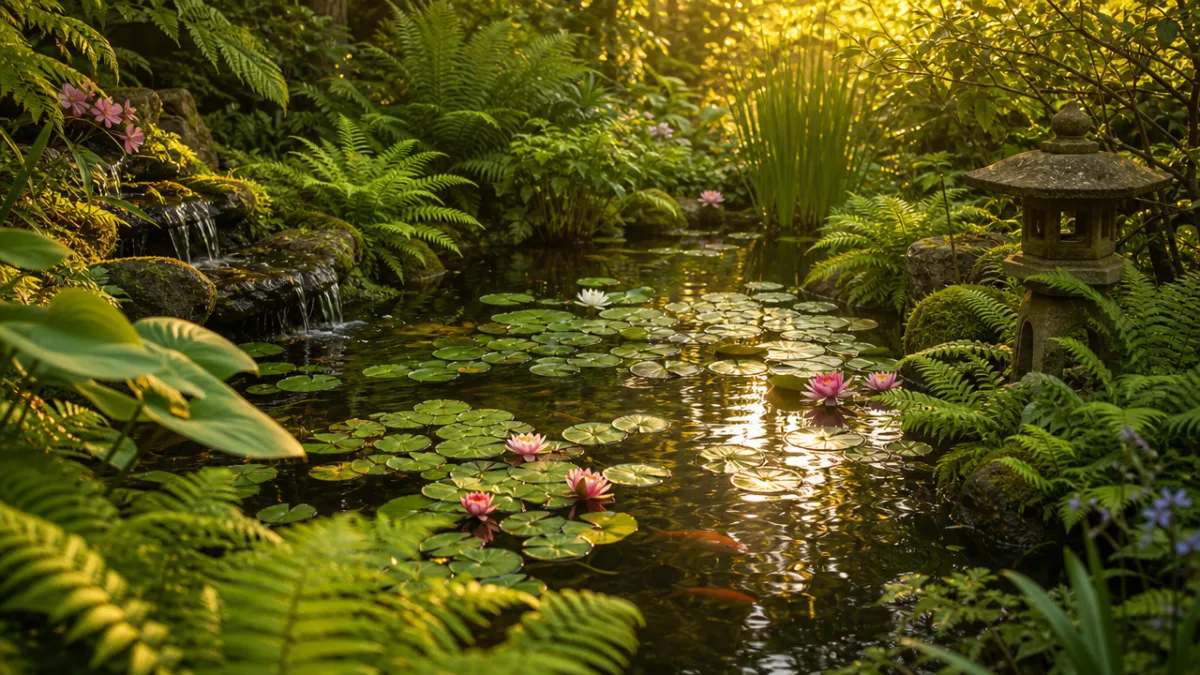
There is something profoundly calming about the presence of water in a garden. Small garden ponds have been cherished features of outdoor spaces for centuries, from the ornate water features of ancient Persian gardens to the tranquil koi ponds of Japanese landscapes. Today, homeowners around the world are rediscovering the joy of incorporating a pond into even the most modest of garden spaces, finding that a thoughtfully placed water feature can completely transform the atmosphere of an outdoor environment.
A small garden pond does far more than add visual interest. It creates a living ecosystem that attracts wildlife, supports biodiversity, and introduces a sensory dimension to your garden that no other feature can replicate. The gentle sound of water, the shimmer of light on the surface, and the sight of dragonflies hovering above the water all contribute to a sense of peace and natural beauty that is difficult to achieve through planting alone. Many garden designers consider a pond to be the single most impactful addition a homeowner can make.
What makes small garden ponds particularly appealing in the modern era is their accessibility. You no longer need a sprawling estate or a professional landscaping team to enjoy a beautiful water feature. With the right planning, some basic tools, and a weekend of dedicated work, almost anyone can create a stunning pond that will become the centerpiece of their garden for years to come. Whether you have a compact urban courtyard or a generous suburban garden, there is a pond design that will suit your space perfectly.
Understanding the Ecosystem Benefits of a Garden Pond
One of the most compelling reasons to add a pond to your garden is the remarkable ecological impact such a small body of water can have. Garden ponds are among the most valuable habitats you can create for local wildlife. Within just a few weeks of filling a new pond, you are likely to notice the arrival of water boatmen, pond skaters, and other invertebrates that colonise new water sources rapidly. These creatures form the base of a complex food web that will continue to develop and enrich your garden over time.
Amphibians such as frogs, toads, and newts are particularly dependent on garden ponds for their survival and reproduction. As natural wetlands disappear due to urban development and agricultural changes, garden ponds have become critical refuges for these species. A single well-planted pond can support hundreds of frog tadpoles in spring, and the adult frogs that emerge will spend the rest of the year hunting slugs and other garden pests, providing natural pest control that benefits your entire garden. The relationship between a healthy pond and a healthy garden is deeply symbiotic.
Birds are also drawn to garden ponds, using them as drinking stations and bathing spots. Hedgehogs, foxes, and other mammals will visit at dusk to drink, and if you watch carefully on warm summer evenings, you may be lucky enough to observe bats swooping low over the water to catch the insects that gather there. Beyond individual species, a garden pond helps to support connectivity between green spaces, allowing wildlife to move through urban environments in ways that isolated gardens cannot facilitate. The ecological value of even a very small pond is genuinely extraordinary.
Planning Your Small Garden Pond
Good planning is the foundation of a successful garden pond, and taking time to think through the key decisions before you lift a single spade will save you considerable time, effort, and expense in the long run. The first and most important consideration is location. Your pond should ideally receive at least six hours of sunlight per day, as this will support the healthy growth of aquatic plants and maintain a balanced ecosystem. However, you should avoid positioning your pond directly beneath trees, as falling leaves will decompose in the water and create a nutrient imbalance that encourages excessive algae growth.
Size is another critical factor to consider carefully. While even a half-barrel water feature can support some wildlife, a pond with a surface area of at least four square metres and a depth of at least sixty centimetres will be significantly more resilient and will support a much wider range of species. Greater depth is particularly important in regions with cold winters, as it ensures that the water at the bottom of the pond will not freeze solid, allowing aquatic creatures to survive through the coldest months. When planning your pond, it is always better to go slightly larger than you think you need.
Before you begin digging, there are several practical matters to address. Check whether your chosen location contains any underground pipes or cables by contacting your local utility companies or using a cable detection device. Consider the slope of your garden and whether water will drain toward your pond after heavy rain, potentially causing overflow issues. Think about how the pond will look from your main viewing points, such as windows and seating areas, and how it will integrate with the surrounding planting scheme. A rough sketch or scale drawing at this stage can be enormously helpful in visualising the finished result.
Essential Materials and Tools for Pond Construction
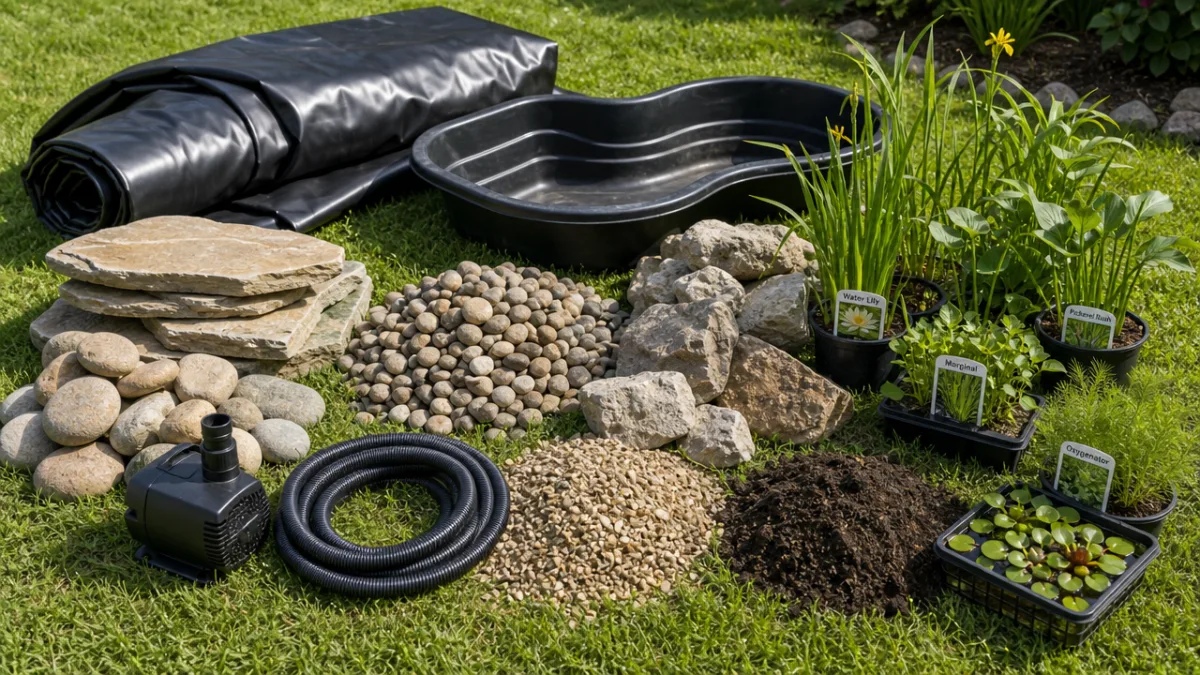
Building a garden pond requires a relatively modest investment in materials and equipment, and many of the tools you will need are likely already in your possession. The most fundamental choice you will need to make is between a flexible pond liner and a preformed rigid pond shell. Flexible butyl rubber liners are the preferred choice of most pond experts because they can be shaped to fit any design and tend to last for many decades when properly installed. Preformed shells, while easier to install, are limited in terms of shape and size and can be more difficult to disguise within a naturalistic planting scheme.
When selecting a flexible liner, opt for butyl rubber rather than cheaper PVC alternatives. Butyl rubber is far more durable, resistant to UV degradation, and less likely to develop punctures over time. To calculate the size of liner you will need, measure the maximum length and width of your pond and add twice the maximum depth to each measurement, plus an additional fifty centimetres on all sides for overlap and anchoring. For example, a pond measuring two metres by one and a half metres with a depth of seventy centimetres would require a liner approximately four metres by three metres.
In addition to the liner, you will need the following materials and tools to complete your pond construction successfully:
- Underlay or old carpet offcuts to protect the liner from sharp stones and roots
- A spade and fork for excavation
- A spirit level and long straight edge to ensure the pond edges are level
- Sand for smoothing the base and sides of the excavation
- Rocks, stones, and gravel for edging and creating wildlife access points
- Aquatic planting baskets and specialist aquatic compost
- A hosepipe and access to a water supply
- A submersible pump if you wish to add a fountain or waterfall feature
It is worth investing in good quality materials from the outset, as the cost of replacing a failed liner or repairing a leaking pond far exceeds any savings made by purchasing cheaper products initially. Seek advice from a reputable water gardening supplier who can help you select materials appropriate for the size and style of pond you are planning. Many suppliers offer comprehensive starter kits that include everything you need for a basic pond construction, which can simplify the purchasing process considerably.
Step-by-Step Guide to Building Your Pond
With your materials gathered and your design finalised, you are ready to begin the most satisfying part of the process: the actual construction of your pond. Start by marking out the shape of your pond on the ground using a length of rope or a hosepipe, which can be easily adjusted until you are happy with the outline. Once you are satisfied with the shape, mark it more permanently using sand or spray paint. Take a final look from different angles and from the windows of your house to ensure the position and shape look right before you start digging.
Excavation should proceed in stages, beginning with the removal of the topsoil across the entire pond area to a depth of around twenty centimetres. As you dig deeper, create shelves at different levels around the edges of the pond to accommodate plants of different depths. A shallow shelf approximately twenty to thirty centimetres deep around part of the perimeter will support marginal plants and provide a gentle gradient that allows wildlife to enter and exit the water safely. The deepest section of the pond should be in the centre, away from the edges, to create a stable zone that maintains an even temperature throughout the year.
Once excavation is complete, remove any sharp stones, roots, or debris from the base and sides of the hole, then line the entire excavation with a five centimetre layer of damp sand. Lay your underlay over the sand, pressing it carefully into all the contours of the hole. Then unfold your pond liner over the underlay, allowing it to drape naturally into the excavation without stretching. Weigh down the edges temporarily with stones and begin filling the pond slowly with water. As the water level rises, the weight of the water will push the liner into the shape of the hole, and you should periodically adjust the liner to minimise creasing and ensure it fits smoothly.
The process of finishing and planting your pond is equally important and should be approached with care and creativity. Once the pond is filled and the liner is neatly trimmed and secured around the edges, you can begin arranging the edging materials. Lay flat stones or rocks over the liner edges to disguise them and create a natural-looking surround. Leave at least one area with a gently sloping stone ramp leading into the water, as this is essential for allowing hedgehogs, frogs, and other small animals to escape if they fall in.
Planting is the step that will truly bring your pond to life, and it is worth taking time to select a diverse range of species that will support wildlife throughout the seasons. A well-planted pond should include oxygenating plants that grow beneath the surface and help to keep the water clear, floating plants such as water lilies that provide shade and reduce algae, marginal plants for the shallow shelves around the edges, and moisture-loving plants in the boggy soil surrounding the pond. Aim to cover no more than two thirds of the water surface with plants in the first year, as the pond will need access to light to establish its ecosystem.
Maintaining Your Garden Pond Through the Seasons
A well-designed garden pond is a remarkably self-sufficient environment that requires relatively little intervention once it is established. However, some seasonal maintenance tasks will help to keep your pond healthy and looking its best throughout the year. In spring, as water temperatures begin to rise, aquatic plants will start into growth and the pond will become increasingly active with wildlife. This is a good time to divide and replant any aquatic plants that have outgrown their baskets, and to check that any pumps or filters are working correctly after the winter period.
Summer is the season when your pond will look at its most spectacular, with water lilies in full bloom and the surface alive with insects and other wildlife. However, it is also the time when algae growth can become a problem, particularly in ponds that receive a great deal of sunlight or that have an excess of nutrients in the water. If blanket weed or green water algae becomes troublesome, remove it manually using a garden fork or net, twisting the weed around the tines to pull it out in large quantities. Always leave any removed weed at the side of the pond for twenty four hours before composting it, to allow any trapped creatures to make their way back to the water.
Autumn brings the most significant maintenance tasks of the pond year. As trees begin to shed their leaves, protect your pond from leaf fall by stretching a fine net over the surface, as decomposing leaves can cause serious water quality problems. Cut back any marginal plants that are beginning to die down, but leave some seed heads and stems standing as these provide valuable winter habitat for insects and overwintering invertebrates. In late autumn, move any tender aquatic plants into a frost-free location if necessary, and consider reducing or stopping any pumps if night temperatures are dropping consistently below freezing.
Winter care for your pond focuses primarily on preventing the water from freezing completely, which can trap harmful gases beneath the ice and prove fatal to any fish or hibernating creatures in the pond. Rather than breaking ice violently, which creates shockwaves that can harm wildlife, place a pan of hot water on the surface to melt a hole gently. A small pond heater or floating ball can help to keep a small area of the surface ice-free throughout cold spells. Resist the temptation to conduct significant cleaning or disturbance of the pond during winter, as many creatures will be in a state of dormancy and should not be disturbed until spring returns.

Creative Design Ideas for Small Pond Spaces
One of the most exciting aspects of building a garden pond is the creative freedom it offers in terms of design and styling. A naturalistic wildlife pond, designed to blend seamlessly into an informal garden setting, is perhaps the most ecologically valuable approach. This style favours irregular, organic shapes, gently sloping margins, and an abundance of native aquatic and marginal plants. Rocks and pebbles are used generously around the edges, and the surrounding planting transitions naturally from moisture-loving species through to the broader garden, creating a sense that the pond has always been part of the landscape.
For those with more formal gardens or contemporary outdoor spaces, a geometric pond with clean lines and minimalist planting can be a stunning design choice. Square or rectangular raised ponds, constructed from timber sleepers, rendered brick, or corten steel, bring a sophisticated architectural quality to a garden and can work beautifully in combination with decking, gravel, and structural plants such as ornamental grasses and bamboo. A simple fountain or water spout adds movement and sound without disrupting the clean aesthetic, and elegant water lilies or single specimen plants provide botanical interest without visual clutter.
Container ponds offer another wonderful option for those with very limited space or for gardeners who rent their properties and cannot make permanent changes to the garden. A large ceramic pot, a half barrel, or even a galvanised metal trough can be transformed into a charming miniature pond that supports surprising amounts of wildlife. Even a container pond can accommodate a small water lily, a few stems of oxygenating weed, and a marginal plant or two, and will attract insects, birds, and perhaps even the occasional frog. Container ponds can be placed on a balcony, patio, or terrace, bringing the beauty and ecological value of a pond to virtually any outdoor space.
Lighting is another design element that can dramatically enhance the beauty of a garden pond, particularly during the evening hours. Submersible LED lights placed beneath the water surface create a magical, glowing effect that is especially striking when reflected around the surrounding garden. Solar-powered spotlights positioned among the surrounding planting can highlight the textures of rocks and foliage while gently illuminating the water. When planning pond lighting, opt for warm white or amber tones rather than harsh blue-white lights, as these are less disruptive to nocturnal wildlife and create a far more atmospheric and inviting ambience for human visitors too.








What do you think?
It is nice to know your opinion. Leave a comment.