










The Rise of Raised Garden Beds: A Modern Gardening Revolution
Raised garden beds have transformed the way home gardeners, urban farmers, and horticultural enthusiasts approach growing food and flowers. What was once considered a niche solution for gardeners with poor soil or physical limitations has evolved into one of the most popular and versatile gardening methods in the world. From humble backyard plots to rooftop installations and community garden spaces, the raised bed has become a symbol of intentional, productive, and beautiful growing. The appeal is simple: by elevating your growing space, you take control of nearly every variable that affects plant health and yield.
The history of raised bed gardening stretches back centuries, with evidence of mounded growing practices found in ancient Aztec chinampas and medieval European monastery gardens. However, the modern raised garden bed movement gained serious momentum in the 1970s when gardeners like Mel Bartholomew popularized the “Square Foot Gardening” method, which relied entirely on constructed, contained growing spaces. Since then, the concept has expanded dramatically in scope and sophistication. Today, you can find raised beds crafted from cedar, galvanized steel, recycled composite materials, natural stone, and even repurposed furniture, each offering its own blend of aesthetics and practicality.
Whether you have a sprawling suburban backyard, a compact urban balcony, or a community plot shared with neighbors, raised garden beds offer a genuinely scalable solution. A single 4×8 foot cedar bed can produce an impressive harvest of vegetables, herbs, and edible flowers throughout a growing season. Multiply that across five or ten beds of varying sizes and configurations, and you have a serious food production system capable of supplementing a family’s diet significantly. The flexibility of raised beds is one of their greatest strengths, allowing gardeners to expand incrementally as their skill, confidence, and space allow.
Why Raised Beds Outperform Traditional In-Ground Gardening
One of the most frequently cited advantages of raised bed gardening is the ability to completely customize your growing medium. Traditional in-ground gardening requires working with whatever soil your property happens to have, which might be heavy clay, sandy loam, nutrient-depleted subsoil, or contaminated urban fill. With a raised bed, you fill the structure with a precisely blended mix of topsoil, compost, and amendments tailored to the specific needs of what you plan to grow. This control over soil composition is transformative, particularly for gardeners dealing with rocky terrain or compacted ground that would otherwise require years of amendment to become productive.
Drainage is another critical factor where raised beds consistently outperform traditional gardens. Standing water and waterlogged roots are among the leading causes of plant failure in home gardens, contributing to root rot, fungal disease, and nutrient deficiencies. A well-constructed raised bed with a quality growing mix allows excess water to drain freely while retaining the moisture plants need between waterings. This is especially valuable during periods of heavy rainfall or in regions where spring soils take weeks to dry out enough for planting. The elevated position also means raised beds warm up significantly faster in spring, often allowing gardeners to begin planting two to four weeks earlier than in-ground counterparts.
Weed management in raised beds is dramatically simplified compared to traditional row gardens. Because you are working with fresh, weed-seed-free growing medium in a defined, enclosed space, the weed pressure during the first growing season is minimal. Over time, some weed seeds will inevitably arrive via wind and birds, but the contained nature of a raised bed makes weeding a quick and manageable task rather than an ongoing battle. Many gardeners further reduce weed intrusion by lining the bottom of their beds with landscape fabric or cardboard before filling, creating a barrier that prevents both weeds from below and burrowing pests like voles from accessing the root zone.
Choosing the Right Materials for Your Raised Garden Beds
The material you choose for your raised garden bed will influence its longevity, aesthetics, cost, and environmental footprint, so it is worth taking the time to evaluate your options carefully before committing. Cedar remains the gold standard for wooden raised beds, prized for its natural resistance to decay, insects, and moisture. A well-built cedar raised bed can last anywhere from ten to twenty years without treatment, and it weathers beautifully over time, developing a soft silver-gray patina that looks wonderful in both formal and cottage-style gardens. The cost of cedar is higher than other lumber options, but the investment pays off over the long lifespan of the structure.
Galvanized steel raised beds have surged in popularity over the past decade, and for good reason. They offer an industrial-chic aesthetic that complements modern landscape design, and they are virtually indestructible under normal gardening conditions. High-quality galvanized or powder-coated steel beds can last thirty years or more with minimal maintenance, and they are available in a wide range of sizes, heights, and configurations. Some gardeners express concern about zinc leaching from galvanized metal into the soil, but research suggests the amounts involved are negligible and well below levels that would affect plant health or human consumption. For those who prefer absolute peace of mind, powder-coated steel versions offer an additional protective layer.
For gardeners prioritizing sustainability and environmental responsibility, composite lumber and recycled plastic lumber boards offer compelling alternatives to virgin wood or metal. These materials are typically manufactured from recycled plastic waste, often combined with wood fiber, and they are designed to mimic the appearance of traditional lumber while offering superior resistance to rot, moisture, and insect damage. They require no sealing or treatment, never splinter, and will not leach chemicals into the soil. Natural stone and concrete block raised beds represent the most permanent option, suitable for situations where a truly long-term installation is desired, though their weight and cost make them less practical for most residential gardens.
Height Considerations and Accessibility Design
The height of your raised garden bed is a decision that deserves careful thought, as it affects both the growing conditions inside the bed and the ergonomics of working with it. Standard raised beds range from six to twelve inches in height, which is sufficient for most annual vegetables and herbs. At this depth, plant roots have adequate room to develop, and the soil volume is large enough to maintain consistent moisture and temperature throughout the growing season. Six-inch beds are economical to build and fill, making them a practical starting point for new gardeners who want to experiment before committing to a larger installation.
Taller raised beds, typically eighteen inches to thirty-six inches in height, are increasingly popular for a variety of reasons beyond simple accessibility. Deeper beds can accommodate root vegetables like carrots, parsnips, and potatoes that require significant depth to develop properly. They also create a more substantial buffer against soil temperature fluctuations, keeping roots cooler during summer heat waves and warmer during early spring cold snaps. Beds raised to countertop height, around thirty to thirty-six inches, are particularly valuable for gardeners with mobility limitations, back problems, or disabilities, allowing them to tend their plants while seated or standing without bending. These accessible designs have opened gardening to populations who might otherwise be excluded from the practice.
The width of a raised bed is as important as its height from a practical standpoint. The universal recommendation is to keep the bed no wider than four feet when it can be accessed from both sides, or two feet when it is positioned against a wall or fence. This limitation ensures that every part of the growing surface can be reached comfortably without stepping into the bed, which would compact the soil and defeat one of the key advantages of the raised bed system. Length is far more flexible, with beds commonly ranging from four to sixteen feet or beyond, limited primarily by the space available and the structural integrity of the materials used.
Soil Composition and the Science of the Perfect Growing Mix
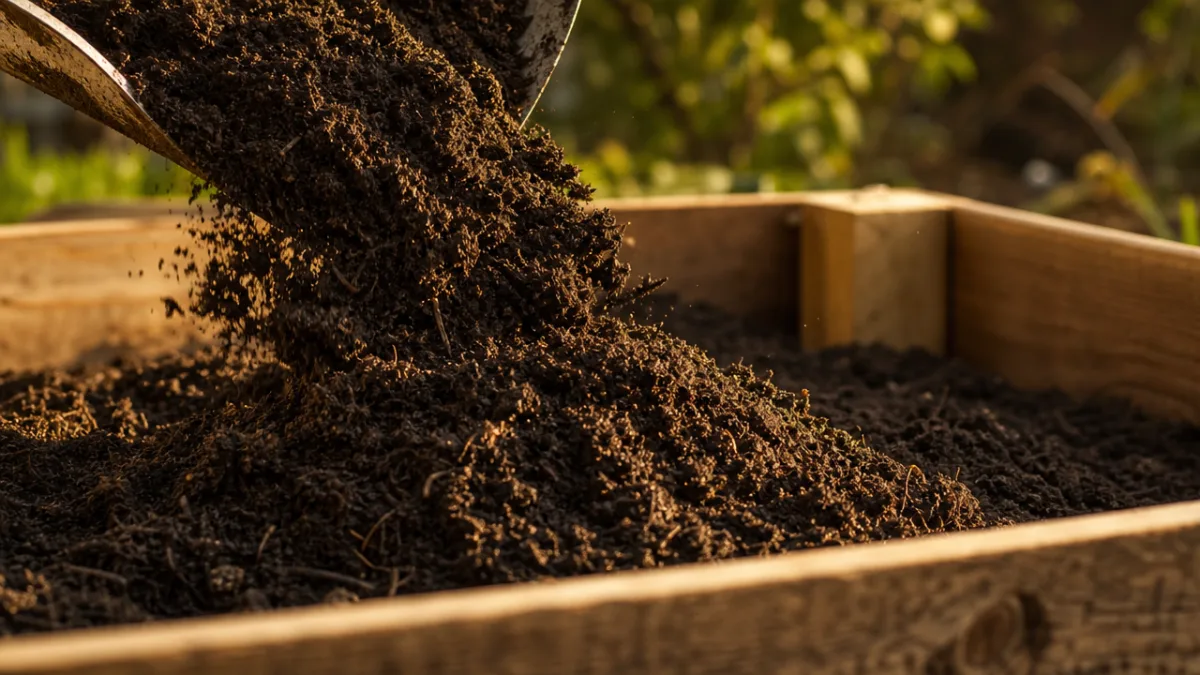
The soil you put inside your raised garden bed is arguably more important than the structure itself, and getting the composition right can make the difference between a mediocre harvest and an extraordinary one. The most widely recommended starting formula for raised bed soil is a blend of roughly one-third high-quality topsoil, one-third compost, and one-third of an aerating material such as perlite, coarse vermiculite, or aged bark fines. This combination creates a growing medium that is rich in nutrients, well-draining, lightweight, and biologically active. The topsoil provides mineral content and body, the compost supplies organic matter and microbial life, and the aerating component prevents the mixture from compacting over time.
Compost is the single most impactful amendment you can add to any raised bed, and the more diverse its source, the better. Homemade compost made from kitchen scraps, garden waste, and yard trimmings is ideal, but bagged compost from garden centers, municipal leaf compost, mushroom compost, and worm castings all contribute different nutrient profiles and microbial communities. Many experienced raised bed gardeners layer different types of compost to create a richer, more diverse soil ecosystem. Topdressing beds with an inch or two of fresh compost at the beginning of each growing season replenishes nutrients consumed by plants the previous year and maintains the light, fluffy texture that makes raised bed soil such a pleasure to work with.
Over time, the soil in a raised bed will naturally settle and compact, losing some of its initial volume and structural quality. Annual additions of compost and organic matter counteract this process and keep the growing medium in peak condition. Many gardeners also incorporate slow-release organic fertilizers, rock phosphate, kelp meal, or biochar into their annual soil refresh to address specific nutrient needs. Testing the pH of your raised bed soil every few years is a worthwhile investment, as the ideal range for most vegetables sits between 6.0 and 7.0, and drifts outside this range can lock up nutrients even when they are present in adequate quantities. A simple home test kit or soil lab analysis can guide targeted amendments.
Companion Planting Strategies for Maximum Productivity
One of the most exciting aspects of raised bed gardening is the opportunity to experiment with intensive planting methods that would be impractical in traditional row gardens. Companion planting, the practice of growing mutually beneficial plants in close proximity, is ideally suited to the concentrated growing environment of a raised bed. Classic companions like tomatoes and basil are well known, but the science and folklore of companion planting encompass hundreds of plant combinations. Marigolds planted along the edges of a vegetable bed repel nematodes and aphids while attracting pollinators. Tall corn provides shade for heat-sensitive lettuce in midsummer, while nitrogen-fixing beans planted at the corn’s base enrich the soil for the entire guild.
The “Three Sisters” planting method, developed by Indigenous farmers across North America, translates beautifully into the raised bed context. Corn, beans, and squash are planted together in a mutually supportive arrangement: the corn provides a trellis for the beans to climb, the beans fix atmospheric nitrogen that feeds the corn and squash, and the sprawling squash leaves shade the soil, suppressing weeds and conserving moisture. This ancient polyculture system demonstrates that companion planting is not merely about pest deterrence but about creating resilient, self-supporting plant communities that reduce the need for external inputs like fertilizer, irrigation, and pesticides.
Succession planting is another productivity strategy that pairs exceptionally well with raised beds. Rather than planting an entire bed with a single crop all at once, succession planting involves making smaller, staggered plantings every two to three weeks throughout the season, ensuring a continuous harvest rather than a single overwhelming flush of produce. Fast-maturing crops like radishes, salad greens, and cilantro are perfect candidates for succession planting, as they can be grown and harvested in the gaps between larger, slower-maturing plants. As one crop is harvested, that section of the bed is immediately replanted with the next succession, maximizing the productivity of every square foot throughout the entire growing season.
Creative Design Ideas for 45 Raised Garden Beds
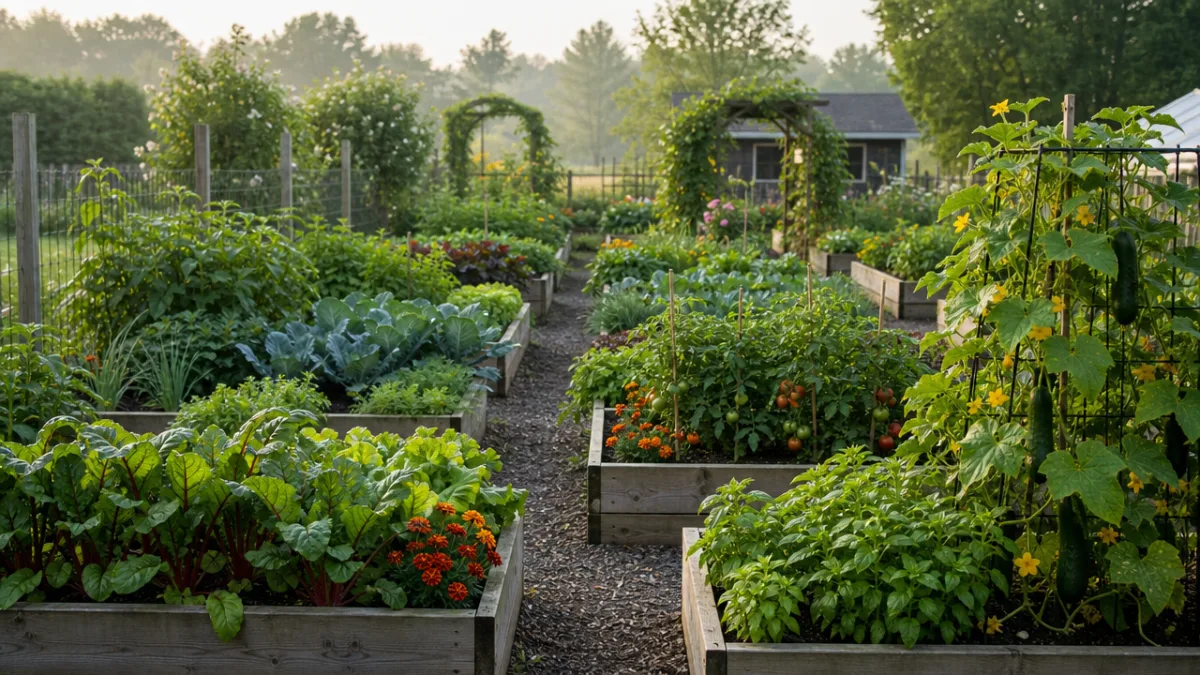
When planning a garden installation of forty-five raised beds, the design possibilities move well beyond simple rows of rectangular boxes. This scale of raised bed gardening represents a genuine landscape design project, one that demands thoughtful attention to pathways, sight lines, water access, and visual cohesion. A popular approach is to organize beds into clusters or “rooms,” each dedicated to a specific category of production such as culinary herbs, salad greens, root vegetables, tomatoes and peppers, or cut flowers. This organizational framework makes the garden easier to manage, simplifies crop rotation, and creates distinct visual zones within the larger growing space.
Incorporating vertical growing elements into a raised bed installation of this scale dramatically expands the productive capacity without requiring additional ground space. Trellises, obelisks, cattle panel arches, and pergola structures positioned within or between raised beds support climbing crops like cucumbers, pole beans, peas, squash, and flowering vines. A row of arched cattle panel tunnels connecting adjacent beds creates a stunning structural element that is as attractive as it is functional, providing a shaded walkway in summer while supporting heavy yields of cucurbits overhead. Vertical growing also improves air circulation around plants, reducing disease pressure and making harvest easier.
Water management at the scale of forty-five raised beds calls for a thoughtful irrigation strategy. Hand watering becomes impractical at this volume, making drip irrigation or soaker hose systems a worthwhile investment. Drip irrigation delivers water directly to the root zone of each plant, dramatically reducing water waste through evaporation and ensuring consistent moisture delivery regardless of rainfall. Connecting beds to an automated timer system further reduces labor and prevents the feast-or-famine watering cycles that stress plants and reduce yields. Rainwater harvesting through strategically placed collection barrels or cisterns can supplement municipal water supplies and reduce the environmental footprint of a large garden installation considerably.
- Cedar and redwood beds offer natural rot resistance and a warm, classic aesthetic that suits cottage and farmhouse garden styles equally well, with lifespans of fifteen to twenty-plus years when properly constructed.
- Galvanized steel beds provide modern industrial appeal, exceptional durability, and minimal maintenance requirements, making them ideal for contemporary landscapes and high-traffic community gardens.
- L-shaped and U-shaped raised bed configurations maximize planting surface while minimizing pathway length, an efficient layout choice for large installations where bed-to-bed access is important.
- Keyhole garden designs, featuring a narrow access notch cut into one end of a circular or rectangular bed, allow a single gardener to reach the center of a much wider bed than would otherwise be possible.
- Stacking or tiered raised beds create visual drama and can be used to accommodate slopes or uneven terrain, with each tier potentially growing different crops suited to varying sun exposures.
- Integrating seating into raised bed borders, through wide capboards or attached benches, encourages time spent in the garden and makes hand-weeding and harvesting more comfortable and enjoyable.
The aesthetic dimension of a forty-five-bed installation should never be an afterthought, as a well-designed garden space provides psychological benefits that extend far beyond the practical value of its harvests. Consistent materials, cohesive color schemes for bed finishes and pathway surfaces, and thoughtful integration of ornamental elements like flowering perennials, fruit trees, and decorative containers transform a productive garden into a genuinely beautiful outdoor living space. Pathways surfaced with gravel, wood chips, permeable pavers, or mown grass paths contribute significantly to the finished look of the garden, defining the structure of the space and making it comfortable to navigate in all weather conditions. The interplay between structure and abundance, between the clean lines of the beds and the exuberant growth within them, is one of the most satisfying visual experiences a garden can offer.
Seasonal Management and Long-Term Garden Maintenance
Managing a large raised bed garden through all four seasons requires planning and consistent attention, but the rewards in terms of year-round productivity and soil health are substantial. In late summer and fall, as primary crops are harvested, the priority shifts to soil replenishment and preparation for the following year. Cover cropping, the practice of sowing fast-growing plants like winter rye, crimson clover, or mustard into vacant beds, protects bare soil from erosion, suppresses weeds, adds organic matter, and in the case of legumes, fixes atmospheric nitrogen. Cover crops are turned into the soil in spring several weeks before planting, contributing a burst of fertility as they decompose.
Winter protection of raised bed soil is an often-overlooked aspect of garden management that pays dividends in spring planting quality. Bare soil left exposed through winter loses structure, nutrients, and microbial populations to rain, freeze-thaw cycles, and wind. Mulching vacant beds with a thick layer of straw, shredded leaves, or wood chips insulates the soil biome, prevents compaction from rainfall, and reduces the erosion of topsoil. In colder climates, this mulch layer also moderates soil temperature, preventing the repeated freeze-thaw cycles that damage soil structure. Come spring, this mulch is either incorporated into the soil or pushed aside to allow the bed to warm quickly before planting.
The long-term success of a raised bed garden ultimately rests on a commitment to continuous soil improvement. Unlike field agriculture, which covers vast acreage and relies heavily on synthetic inputs to maintain productivity, a raised bed system rewards attentive organic management. Each season’s additions of compost, cover crops, mulch, and organic amendments build on the progress of previous years, creating a growing medium that becomes richer, more biologically active, and more productive over time. Gardeners who have maintained the same raised beds for ten or fifteen years often describe their soil as something remarkable: dark, sweet-smelling, teeming with earthworms, and capable of growing plants of astonishing health and vigor with minimal intervention. This gradual transformation of growing medium into living soil is one of the deepest satisfactions that raised bed gardening has to offer.








What do you think?
It is nice to know your opinion. Leave a comment.