










27 Garden Decor Ideas: DIY, Rustic, Outdoor, and Creative Inspirations
Introduction: Transforming Your Outdoor Space into a Personal Sanctuary
Your garden is more than just a patch of land surrounding your home — it is an extension of your living space, a place where creativity meets nature and personal expression takes root. Whether you have a sprawling backyard, a modest suburban lawn, or even a compact balcony, the right decor choices can turn any outdoor area into a breathtaking retreat. Garden decor has evolved far beyond simple flower beds and garden gnomes, embracing a wide range of styles, materials, and artistic approaches that reflect the personality and passions of the homeowner.
The beauty of garden decorating lies in its accessibility. You do not need a professional landscape designer or an enormous budget to create something truly special. With a little imagination, some basic tools, and a willingness to experiment, even the most inexperienced decorator can achieve stunning results. From upcycled furniture pieces to hand-painted stepping stones, the DIY movement has made garden transformation a rewarding and deeply personal endeavor that anyone can pursue with confidence and enthusiasm.
This article explores 27 inspiring garden decor ideas spanning DIY projects, rustic aesthetics, creative outdoor installations, and timeless design principles. Each idea is designed to spark your imagination and offer practical guidance for bringing your garden vision to life. Whether you prefer a wildly eclectic cottage garden overflowing with color or a serene, minimalist zen space, you will find inspiration here to help you cultivate the outdoor environment of your dreams.
Understanding Your Garden’s Potential
Before diving into specific decor ideas, it helps to take a step back and assess what your garden already offers. Consider the natural features of your space — existing trees, slopes, sun patterns, and soil conditions — as these elements can inform and even inspire your decorating choices. A large old tree, for example, becomes an anchor for a rustic swing or a fairy light installation. A sloped section of yard can be terraced with stone retaining walls to create visual interest and functional planting zones that add architectural depth to the landscape.
Think about how you want to use your garden. Do you envision it as a peaceful reading nook, a lively entertaining space, a productive vegetable patch, or some combination of all three? Defining the purpose of your outdoor area helps narrow down the decor choices that will serve you best. A dining area benefits from durable weather-resistant furniture and atmospheric lighting, while a meditation corner calls for soft textures, calming water features, and privacy screening created through strategic planting or decorative trellises.
DIY Garden Decor: Budget-Friendly Projects with Big Impact
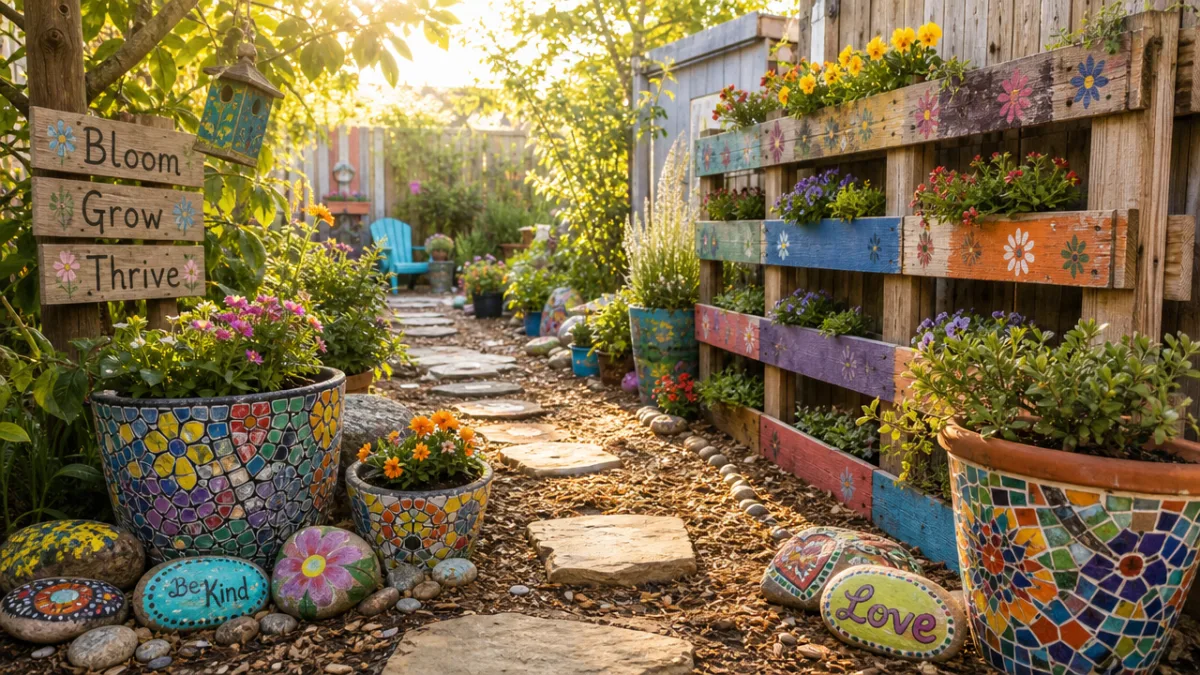
DIY garden projects are among the most satisfying ways to personalize your outdoor space, and they offer a level of customization that store-bought items simply cannot match. One of the most popular and versatile DIY ideas is creating painted rock art. Smooth river stones gathered from a local landscape supplier or a natural stream bed can be painted with intricate patterns, inspirational words, animals, or abstract designs. Grouped together along garden borders or nestled among plantings, these decorative stones add color and whimsy without costing more than a few dollars in craft paint.
Another beloved DIY project involves upcycling old wooden pallets into a wide variety of garden features. Pallets can be transformed into vertical herb gardens mounted on a fence or wall, providing both functional planting space and a striking visual display. They can also be repurposed as low garden coffee tables, rustic planter boxes, compost bin enclosures, or even outdoor sofas when stacked, sanded, and fitted with weather-resistant cushions. The rough-hewn texture of reclaimed wood lends a naturally weathered appearance that harmonizes beautifully with garden plantings.
Mosaic projects represent another rich area of DIY creativity that elevates garden spaces with color and artistic flair. Broken tiles, old crockery, colored glass pieces, and ceramic shards can be arranged into stunning mosaic designs on stepping stones, birdbaths, flower pots, or garden walls. The process is accessible to beginners using simple tile adhesive and grout, yet the results can look remarkably professional and sophisticated. Mosaic work also gives new life to items that might otherwise be discarded, embodying the sustainable spirit that defines the best garden decorating practices.
Easy Weekend Projects for Beginners
For those new to garden DIY, starting with small, manageable projects builds confidence and skill. Creating a simple bottle border by pressing old glass bottles neck-down into the soil along a garden path produces a charming, light-catching edging that costs nothing beyond the bottles themselves. Similarly, painting terracotta pots in ombre color schemes or geometric patterns using outdoor-rated acrylic paint is a beginner-friendly project that takes only an afternoon and dramatically refreshes tired containers. These small wins encourage further creative exploration and experimentation with more ambitious projects over time.
Wind chimes made from collected natural materials or salvaged kitchen items make for another rewarding beginner project. Driftwood pieces, seashells, old cutlery, copper pipe offcuts, and even smooth pebbles with drilled holes can be assembled on a dowel or branch using nylon cord to create uniquely musical garden ornaments. Each gentle breeze brings movement and sound to the garden, creating a multisensory experience that enriches time spent outdoors. Hanging several wind chimes at different heights creates an even more dynamic and layered effect that visitors invariably find enchanting.
Rustic Garden Decor: Embracing Natural Materials and Timeless Charm
The rustic garden aesthetic celebrates imperfection, natural materials, and the beauty of things that have aged gracefully. This style draws heavily from farmhouse traditions, cottage gardens, and woodland settings, combining weathered wood, rough stone, wrought iron, and vintage finds into compositions that feel simultaneously nostalgic and deeply inviting. Rustic decor tends to look as though it has always belonged in the garden, growing more beautiful as seasons pass and natural patinas develop on surfaces exposed to sun, rain, and frost.
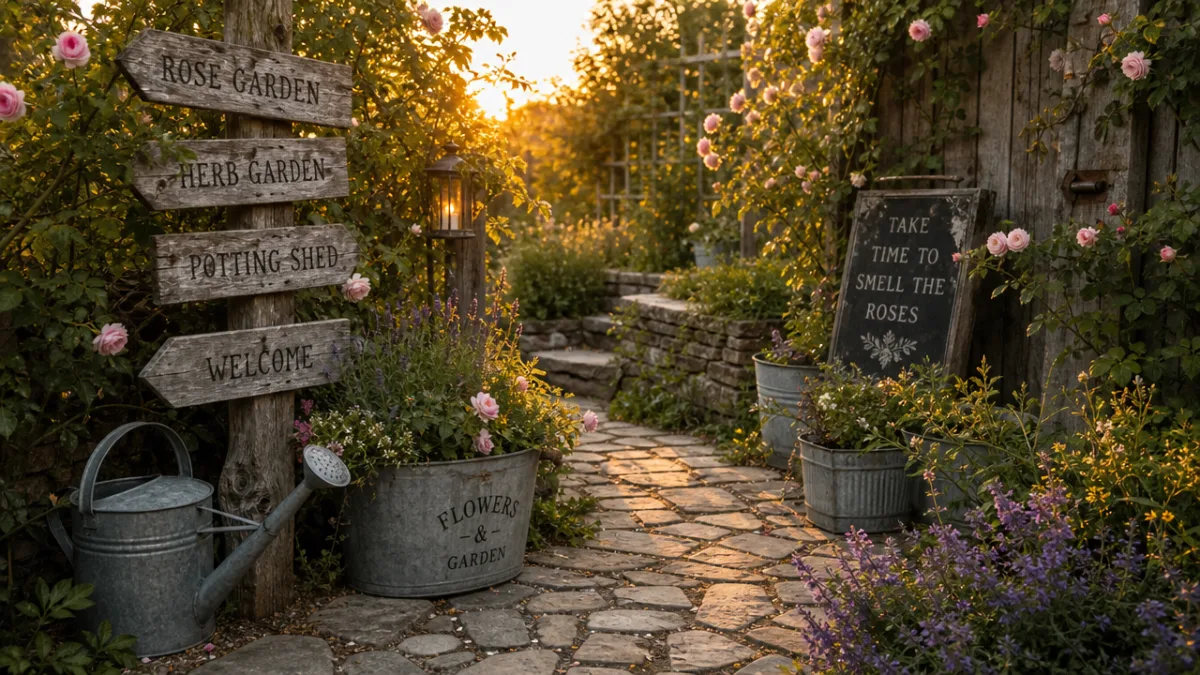
Weathered wooden signs are a hallmark of rustic garden style, and making your own adds a personal touch that no mass-produced version can replicate. Using reclaimed barn wood or aged fence boards, you can cut and sand planks to size before applying hand-painted lettering with botanical themes, garden quotes, or simply the names of different planting zones. A distressed finish achieved with diluted white paint and light sanding gives new wood a convincingly aged appearance. These signs work beautifully as plant markers, pathway indicators, or purely decorative wall hangings on garden fences and sheds.
Old wagon wheels, vintage milk churns, antique water pumps, and salvaged farm implements serve as powerful rustic focal points when thoughtfully placed in the garden. These objects carry a sense of history and story that modern garden ornaments rarely achieve. A cluster of galvanized metal buckets planted with lavender, thyme, and rosemary evokes an old-fashioned kitchen garden while providing both fragrance and culinary herbs. Antique bird cages repurposed as hanging planters for trailing succulents or ivy create romantic focal points that draw the eye upward and add vertical interest to flat garden beds.
Stone and Wood Elements for Rustic Authenticity
Natural stone is perhaps the most enduring material in rustic garden design, offering both practical function and timeless visual appeal. Dry-stacked stone walls require no mortar and can be built by patient gardeners willing to learn the craft, creating boundaries, raised beds, and retaining walls that improve with age as mosses and ferns colonize the crevices. Flagstone paths laid in irregular patterns with creeping thyme or chamomile planted in the gaps are both practical underfoot and extraordinarily beautiful, blending the boundary between hardscape and planting in an organic, naturalistic way.
Salvaged wooden stumps and log slices serve multiple rustic decorating purposes. A large, stable stump becomes an instant side table beside an outdoor chair, perfect for holding a lantern and a book. Smaller log slices work as stepping stones or path edging, and when sealed with outdoor varnish they remain functional and attractive for many years. Collecting fallen branches during winter storms and arranging them as decorative bundles tied with twine adds texture and a sense of woodland atmosphere to a rustic garden corner at zero cost beyond a little effort.
Creative Outdoor Installations: Statement Pieces That Define Your Space
Beyond individual decorative objects, truly memorable gardens often feature one or more bold creative installations that serve as the defining visual anchor of the entire space. A garden installation might be a sculptural focal point, an immersive sensory experience, or a cleverly functional structure that doubles as art. These statement pieces give the garden a sense of intentional design and narrative, communicating the homeowner’s aesthetic vision with clarity and confidence. Planning at least one strong focal point per major garden zone is a principle used by professional garden designers the world over.
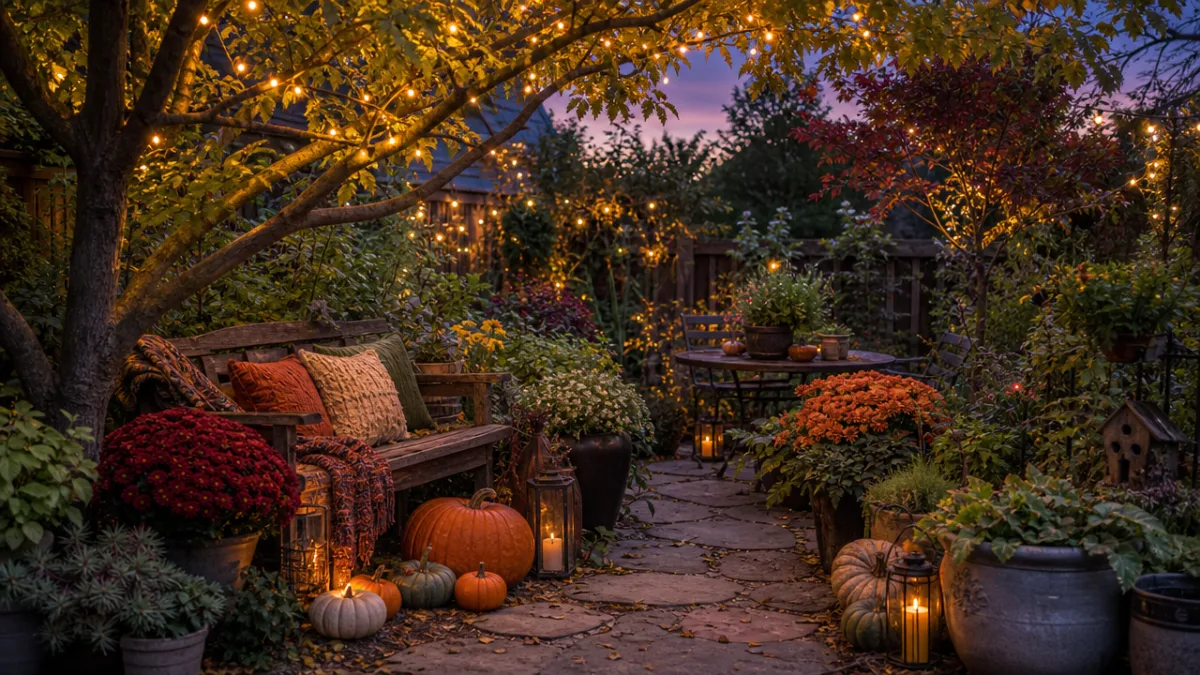
Fairy light installations have become one of the most popular creative outdoor trends in recent years, and for excellent reason. Strings of warm white or soft amber LED lights draped through tree canopies, wound around pergola posts, or suspended in geometric patterns overhead create a magical, otherworldly atmosphere after dark that transforms the garden into an enchanting evening destination. Solar-powered fairy lights have made this effect entirely energy-efficient and easy to install without any electrical expertise. For a more structured look, lights wound through wire forms shaped into stars, spheres, or botanical silhouettes create sculptural daytime interest as well as nighttime illumination.
Water features represent perhaps the most transformative category of garden installation. The sound of moving water has a profoundly calming effect on the nervous system, making even a modest fountain or small recirculating stream an extraordinarily valuable addition to a garden intended for relaxation. DIY water features can be created from salvaged stone troughs, old ceramic pots sealed with waterproof sealant, or preformed pond liners sunk into the ground and surrounded with natural stone edging and aquatic planting. Adding a simple submersible pump keeps the water circulating, preventing stagnation while creating the gentle sounds associated with natural spring water.
Vertical Gardens and Living Walls
Vertical gardens have revolutionized small-space gardening by turning walls, fences, and even freestanding frames into productive and decorative planting surfaces. A simple vertical garden can be created from a wooden pallet with landscape fabric stapled to the back, filled with potting mix, and planted with herbs, strawberries, succulents, or trailing flowers. More elaborate living wall systems use modular pocket planters or custom-built wooden frames with individual planting cells arranged in a grid pattern. Either approach creates a lush, textured green surface that dramatically softens hard architectural elements and provides insulating benefits to nearby walls.
Trellises, obelisks, and arches covered in climbing plants serve a dual purpose as both functional support structures and striking garden ornaments. A wrought iron arch draped in climbing roses creates a romantic gateway between garden rooms. A simple wooden trellis painted in a contrasting color before being clothed in clematis or sweet peas becomes a living wall of color and fragrance. Even a rustic teepee structure made from bamboo canes and twine becomes a charming and productive feature when runner beans, nasturtiums, or black-eyed Susan vines are trained up its supporting poles throughout the growing season.
Seasonal and Themed Garden Decor: Keeping Your Space Fresh Year-Round
One of the joys of garden decorating is the ability to evolve and refresh your outdoor space in response to the changing seasons, holidays, and your own shifting aesthetic interests. A garden that looks spectacular in summer but bleak and bare in winter represents a missed opportunity for year-round enjoyment. Thoughtful seasonal decorating keeps the garden visually engaging and emotionally resonant throughout the entire year, ensuring that it remains a place you want to spend time in regardless of the weather or the calendar month.
Spring garden decorating naturally emphasizes renewal, fresh color, and the joy of emerging life. Painted Easter eggs nestled in moss-filled baskets, pastel-hued bunting strung between posts, and clusters of blooming bulbs planted in decorative containers by the entrance announce the season’s arrival with cheerful exuberance. As summer arrives, the focus shifts to creating comfortable outdoor living areas with weather-resistant cushions, outdoor rugs in bold patterns, and shade structures that allow for extended time spent enjoying the garden’s peak beauty. Lanterns, citronella candles, and solar lights extend usable evening hours well into the warm summer nights.
Autumn offers some of the richest decorating opportunities of the garden year. Arrangements of pumpkins and gourds in varied sizes, colors, and textures create effortlessly beautiful seasonal displays that require no artistic skill beyond an eye for composition. Dried corn stalks, bales of straw, and bundles of ornamental grasses tied with jute twine add further autumnal texture. As winter approaches, bare branches become opportunities for decoration themselves — twisting willow stems in large pots, frosted pinecone garlands, and berry-laden holly branches maintain visual interest through the coldest months while providing valuable food resources for garden wildlife.
Creating a Cohesive Garden Theme
Choosing a unifying theme for your garden decor provides a framework that makes decorating decisions easier and results more coherent. Popular garden themes include the Mediterranean patio garden, characterized by terracotta, blue-painted pots, olive trees, and lavender; the Japanese zen garden, featuring raked gravel, smooth stones, bamboo, and restrained planting; and the English cottage garden, overflowing with roses, foxgloves, hollyhocks, and charming vernacular details like sundials and birdbaths. Each theme has its own palette of materials, plants, and ornamental conventions that guide purchasing and DIY decisions alike.
A themed approach does not mean rigidity or the exclusion of personal touches. The most successful themed gardens always incorporate unexpected or personal elements that prevent them from feeling like mere imitations of a catalog image. A Japanese-inspired garden might include a handmade wind chime crafted from materials significant to the owner, or a Mediterranean space might feature a mosaic table made from tiles collected during travels abroad. These personal details transform a themed space from a style exercise into a genuine reflection of the people who live there, imbuing the garden with the authentic warmth and character that makes outdoor spaces truly beloved.
Practical Tips for Implementing Your Garden Decor Vision
Having a wealth of garden decor ideas is only the beginning of the journey; translating inspiration into reality requires practical planning, realistic budgeting, and a sensible approach to implementation. One of the most common mistakes garden decorators make is attempting too much at once, spreading effort and budget too thin to achieve satisfying results in any single area. A far more effective approach involves identifying your highest-priority garden zones and investing fully in those spaces before moving on to secondary areas. This focused strategy delivers faster visible results and maintains your motivation through what can otherwise become an overwhelming project.
Material selection deserves careful consideration, particularly for items that will be exposed to the elements throughout the year. Not all woods, metals, paints, and fabrics are created equal in terms of weather resistance, and using inappropriate materials leads to rapid deterioration and the frustration of frequently replacing items. Teak, cedar, and black locust are among the most naturally weather-resistant woods for outdoor use, while galvanized or powder-coated metals resist rust far better than bare iron or steel. Always check that paints, stains, and sealants are explicitly rated for exterior use, and reapply protective finishes as recommended by the manufacturer to ensure maximum longevity.
Sustainability should be a guiding principle in garden decorating decisions whenever possible. Choosing locally sourced materials reduces transportation emissions and often produces more contextually appropriate results. Upcycling and repurposing existing items rather than buying new reduces waste and frequently produces more characterful outcomes than new purchases could achieve. Selecting decor items that support wildlife — bee hotels, bird boxes, insect-friendly planting schemes, and water sources — transforms aesthetic decorating into an act of genuine ecological stewardship that benefits the broader natural environment surrounding your home.
Maintaining Your Garden Decor Throughout the Seasons
Creating a beautiful garden is one achievement; maintaining it through seasonal changes, storms, and the inevitable wear of time is another. Establishing a simple seasonal maintenance routine for garden decor prevents the gradual decline that can make even the most beautifully decorated gardens look tired and neglected. Each spring, inspect all wooden structures, painted surfaces, and metal items for damage, rot, or rust, addressing problems early before they become irreversible. Refresh painted finishes as needed, re-tighten any loose fixings, and replace items that have genuinely reached the end of their useful life rather than persisting with decor that detracts from the overall aesthetic.
Storage solutions for seasonal decorative items protect your investment and make seasonal changeovers far simpler and more enjoyable. A dedicated garden storage bench, a shed shelf system organized by season, or even clearly labeled weatherproof boxes stored in a garage make it easy to rotate decor items in and out as the year progresses. Keeping an inventory of what you own prevents unnecessary duplicate purchases and helps you identify genuine gaps in your decorating toolkit. Photographs taken each season also provide an invaluable visual record that informs future improvements and helps you track how your garden style evolves over time.
Ultimately, the most important principle in garden decorating is to pursue what brings you genuine joy. Trends come and go, styles evolve, and the perfect Pinterest garden may not be the garden that makes you happiest in the lived reality of daily life. Allow your garden to grow and change organically as your tastes develop and your relationship with the space deepens. The most beautiful gardens in the world are invariably those that reflect their owners’ authentic personalities, passions, and ways of engaging with the natural world — and that kind of beauty is entirely within your reach, whatever your budget, skill level, or available space.








What do you think?
It is nice to know your opinion. Leave a comment.