










Tomato ‘Chocolate Cherry’ – Lycopersicon lycopersicum
Introduction to Chocolate Cherry Tomato
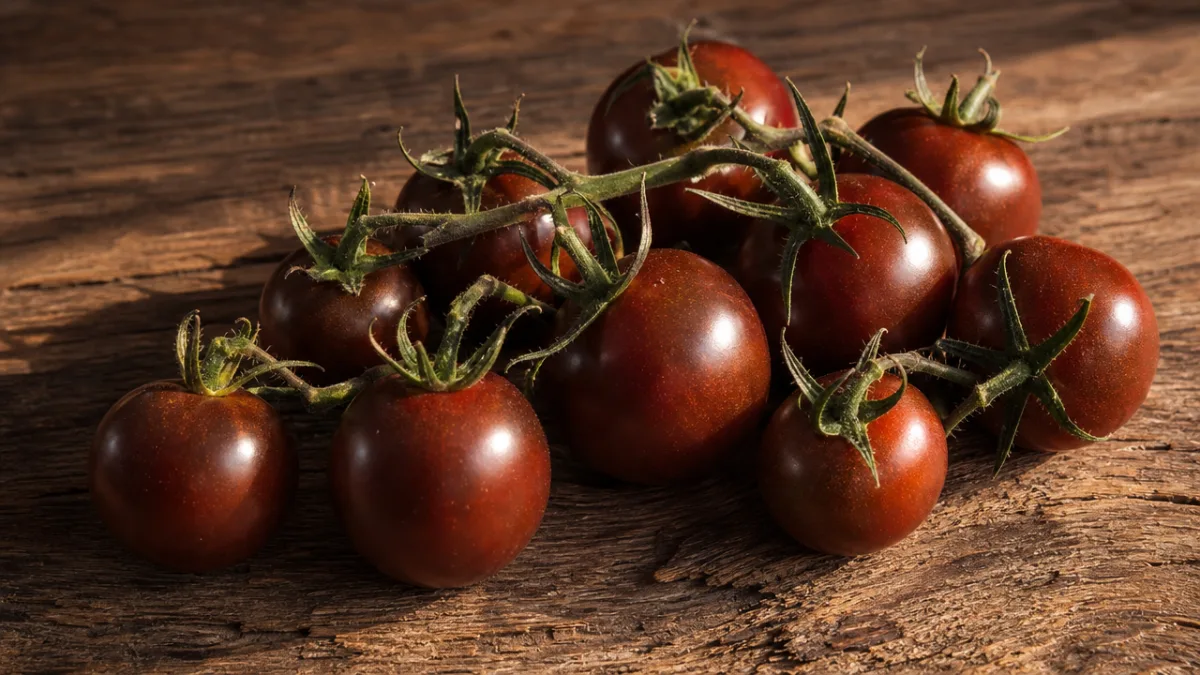
The Chocolate Cherry tomato is one of the most visually striking and flavor-rich varieties available to home gardeners and market growers alike. Known botanically as Lycopersicon lycopersicum, this indeterminate cherry tomato cultivar produces small, round fruits that ripen to a deep mahogany-brown hue with a rich burgundy interior. The name “Chocolate Cherry” perfectly captures the dual essence of this tomato — its luscious dark coloring and the complex, almost confectionery sweetness of its flavor profile.
Unlike many modern tomato varieties that have been bred primarily for shelf life and uniformity, the Chocolate Cherry was developed with taste at the forefront. Gardeners who grow this variety often describe it as producing one of the most intensely flavored cherry tomatoes they have ever encountered, with a sweetness balanced by a subtle earthiness that makes it stand out from red and yellow cherry varieties. It has become a beloved fixture in heirloom and specialty tomato collections across North America and Europe.
Whether you are an experienced kitchen gardener looking to expand your harvest palette or a beginner searching for a rewarding and productive first tomato, the Chocolate Cherry deserves serious consideration. Its vigorous growth habit, prolific fruiting, and exceptional flavor make it a joy to cultivate from seedling to harvest. This article explores every aspect of this remarkable cultivar, from its origins and growing requirements to its culinary uses and storage tips.
History and Origins of the Variety
The Chocolate Cherry tomato traces its lineage through the broader tradition of dark tomato breeding, a practice that gained momentum in the twentieth century as plant breeders sought to introduce anthocyanin-rich pigments and complex flavor compounds into popular tomato types. While the precise origin of the Chocolate Cherry cultivar is not attributed to a single breeder or institution, it is widely regarded as part of the heirloom and open-pollinated tomato renaissance that swept through the gardening community in the 1980s and 1990s, when seed-saving enthusiasts worked to preserve and develop flavorful alternatives to supermarket tomatoes.
Dark or “black” tomatoes as a category have roots in Eastern European and Russian breeding traditions, where varieties such as ‘Black Krim’ and ‘Cherokee Purple’ were cultivated for generations before being introduced to Western markets. The Chocolate Cherry draws on this heritage, combining the rich pigmentation associated with these heirloom lines with the productivity and compact fruit size of cherry tomatoes. This hybridization of traits resulted in a plant that appeals equally to those who prize aesthetic beauty in their garden and those who demand exceptional flavor in the kitchen.
Today, the Chocolate Cherry is carried by numerous heirloom seed companies and is consistently listed among the top recommended cherry tomato varieties by gardening publications and horticultural organizations. Its open-pollinated status means that dedicated gardeners can save seeds from year to year, maintaining their own supply of this beloved variety without dependence on commercial seed stocks. This characteristic has helped cement its place in the living heritage of vegetable gardening.
Growing Conditions and Soil Requirements
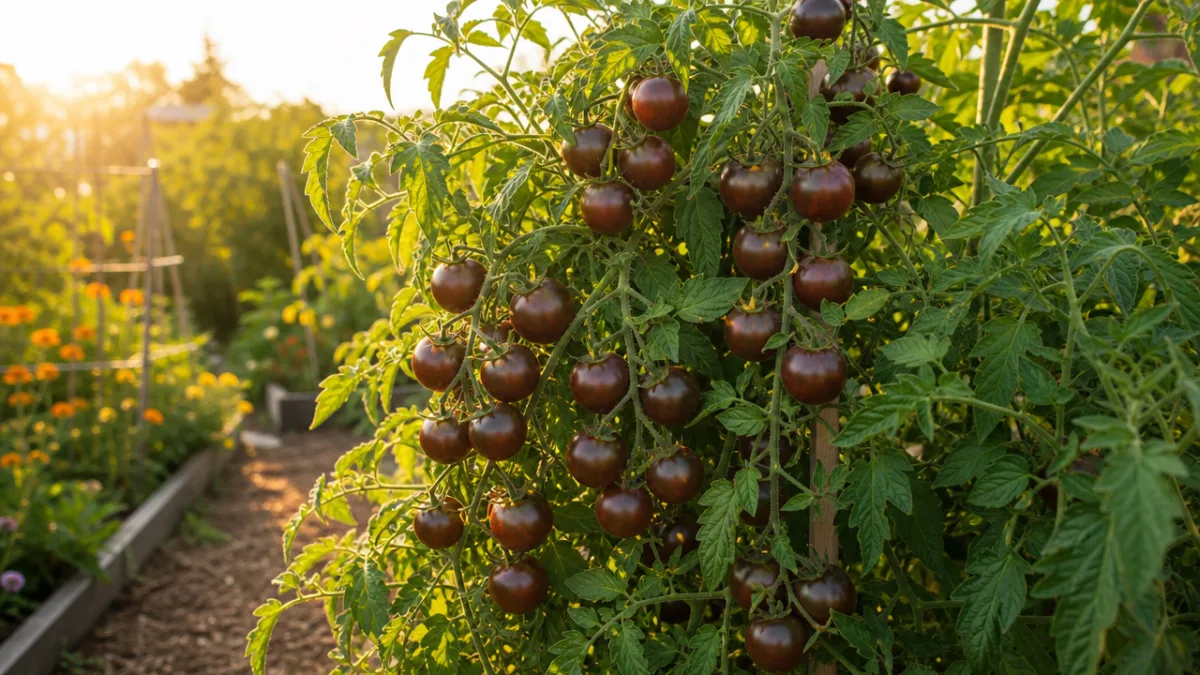
Chocolate Cherry tomatoes thrive in conditions typical of most warm-season vegetable crops, but paying close attention to their specific needs will reward you with a dramatically more productive and healthier plant. They require a full-sun position, meaning at least six to eight hours of direct sunlight per day. In cooler climates, choosing the warmest, most sheltered spot in the garden — ideally against a south-facing wall or fence — can make a meaningful difference in both the speed of ripening and the concentration of sugars in the fruit.
Soil preparation is critical for success with this variety. Chocolate Cherry tomatoes perform best in deep, well-draining loam enriched with generous quantities of organic matter. Before planting, work in several inches of well-rotted compost or aged manure to improve both fertility and moisture retention. The ideal soil pH for tomatoes falls between 6.0 and 6.8. If your soil is overly acidic, garden lime can be incorporated to raise the pH, while sulfur-based amendments can help lower it if alkalinity is the problem. A soil test before planting season is always worthwhile.
Consistent moisture is essential to preventing common tomato disorders such as blossom end rot and fruit cracking, both of which can be triggered by irregular watering. Mulching around the base of the plant with straw, wood chips, or shredded leaves helps regulate soil moisture levels and temperature, suppresses competing weeds, and reduces the risk of soil-borne diseases splashing up onto lower leaves. Drip irrigation is ideal for tomatoes, as it delivers water directly to the root zone while keeping foliage dry and less susceptible to fungal disease.
Raised beds are an excellent option for growing Chocolate Cherry tomatoes, particularly in gardens with heavy clay soil or poor drainage. Raised beds warm up more quickly in spring, allowing for earlier planting, and their elevated structure makes it easier to achieve the loose, deeply cultivated soil that tomato roots need to reach their full potential. Container growing is also feasible, provided you select a container of at least fifteen to twenty gallons and use a high-quality potting mix supplemented with slow-release fertilizer and regular liquid feeding throughout the growing season.
Planting, Propagation, and Care
Chocolate Cherry tomatoes are typically grown from seed started indoors six to eight weeks before the last expected frost date in your region. Sow seeds approximately a quarter inch deep in a quality seed-starting mix, maintaining a germination temperature of around 70 to 80 degrees Fahrenheit. Under these conditions, germination usually occurs within five to ten days. Once seedlings emerge, they should be moved to a bright location or placed under grow lights for fourteen to sixteen hours per day to prevent them from becoming leggy and weak-stemmed.
Transplant seedlings into larger pots when they develop their first set of true leaves, and continue potting up as necessary until outdoor planting conditions are right. Tomatoes are frost-sensitive and should not be moved outside permanently until all danger of frost has passed and nighttime temperatures consistently remain above 50 degrees Fahrenheit. A period of hardening off — gradually exposing seedlings to outdoor conditions over seven to ten days — is essential to reduce transplant shock and help young plants adapt to wind, fluctuating temperatures, and direct sun.
As an indeterminate variety, Chocolate Cherry will continue to grow and set fruit throughout the season until killed by frost. Plants can reach heights of five to eight feet or more and require sturdy staking or caging from an early stage. Many experienced growers use the single-stem or cordon training method, removing lateral shoots known as suckers to direct the plant’s energy into fruit production. While this approach requires more frequent attention, it typically results in larger individual fruit clusters and improved air circulation through the canopy, reducing disease pressure.
Fertilizing consistently throughout the growing season ensures sustained productivity. At planting, incorporate a balanced granular fertilizer with equal parts nitrogen, phosphorus, and potassium. Once the first flowers appear, transition to a fertilizer with lower nitrogen and higher phosphorus and potassium to encourage fruiting rather than excessive leaf growth. Liquid tomato feeds applied weekly during the fruiting period provide readily available nutrients that keep the plant producing steadily. Watch for signs of nutrient deficiency, including yellowing leaves or poor fruit set, and adjust your feeding programme accordingly.
Pest and Disease Management
Like all members of the Solanaceae family, Chocolate Cherry tomatoes are susceptible to a range of pests and diseases that can compromise plant health and reduce yields if left unaddressed. Among the most common insect pests are aphids, whiteflies, and tomato hornworms. Aphids tend to cluster on new growth and the undersides of leaves, sucking sap and excreting sticky honeydew that encourages sooty mold. Regular inspection of plants, particularly in warm weather, allows for early intervention. A strong jet of water is often sufficient to dislodge aphid colonies, while insecticidal soap spray is effective for more persistent infestations.
Tomato hornworms are the larval stage of the five-spotted hawkmoth and can cause dramatic defoliation if populations go unchecked. These large caterpillars are masters of camouflage, blending seamlessly with the foliage they consume. Hand-picking is the most straightforward control method for small gardens, while the naturally occurring soil bacterium Bacillus thuringiensis (Bt) offers an organic option for more severe infestations. Encouraging parasitic wasps and other beneficial insects by planting companion flowers such as dill, fennel, and marigolds near your tomatoes also provides significant biological control.
Fungal diseases including early blight, late blight, and septoria leaf spot are perennial concerns for tomato growers in humid climates. These diseases typically begin on lower leaves and progress upward through the plant if conditions remain wet and warm. Cultural practices are your first line of defense: maintaining good air circulation through pruning, avoiding overhead watering, removing affected leaves promptly, and rotating tomatoes to a different bed each year all significantly reduce disease incidence. Copper-based fungicides provide organic protection when applied preventatively before disease symptoms appear or at the very earliest stages of infection.
- Aphids: Control with water jets, insecticidal soap, or neem oil; encourage ladybirds and lacewings as natural predators.
- Tomato Hornworm: Hand-pick from plants or apply Bt spray; look for eggs on leaf undersides.
- Whiteflies: Use yellow sticky traps, reflective mulches, or insecticidal soap spray.
- Early Blight: Remove affected leaves, improve airflow, and apply copper fungicide preventatively.
- Blossom End Rot: Not a disease but a calcium-deficiency disorder; prevent with consistent watering and soil pH management.
- Fusarium and Verticillium Wilt: No cure once established; prevent through crop rotation and use of disease-resistant varieties where possible.
Harvesting and Flavor Profile
One of the great pleasures of growing Chocolate Cherry tomatoes is the extended harvest window that indeterminate plants provide. Once the first fruits begin to ripen — typically sixty to seventy days after transplanting under ideal conditions — the harvest continues steadily until frost puts an end to the season. Fruits are ready to pick when they have developed their characteristic deep mahogany-brown color and give slightly when gently squeezed. A ripe Chocolate Cherry will detach from its truss with minimal effort, often coming away with a clean, satisfying snap.
The flavor of Chocolate Cherry tomatoes is frequently described as among the finest of any cherry variety. The sweetness is pronounced but not cloying, underscored by a complex, earthy depth that some describe as smoky or even wine-like. This complexity is attributable in part to the high concentration of lycopene, anthocyanins, and other phytonutrients that give the fruit its dark pigmentation. The balance of sugar and acid in these tomatoes is excellent, producing a flavor that stands up well to cooking while remaining exceptional when eaten raw directly from the vine.
For the richest flavor, allow fruits to ripen fully on the vine rather than picking them early. Tomatoes harvested before full ripeness never quite reach the same depth of flavor, even when allowed to ripen off the plant at room temperature. If a sudden frost threatens before all your fruit has ripened, pull the entire plant and hang it upside down in a cool, frost-free space such as a garage or shed; remaining fruits will continue to ripen gradually over several weeks, extending your enjoyment of the harvest well into autumn.
Culinary Uses and Nutritional Value
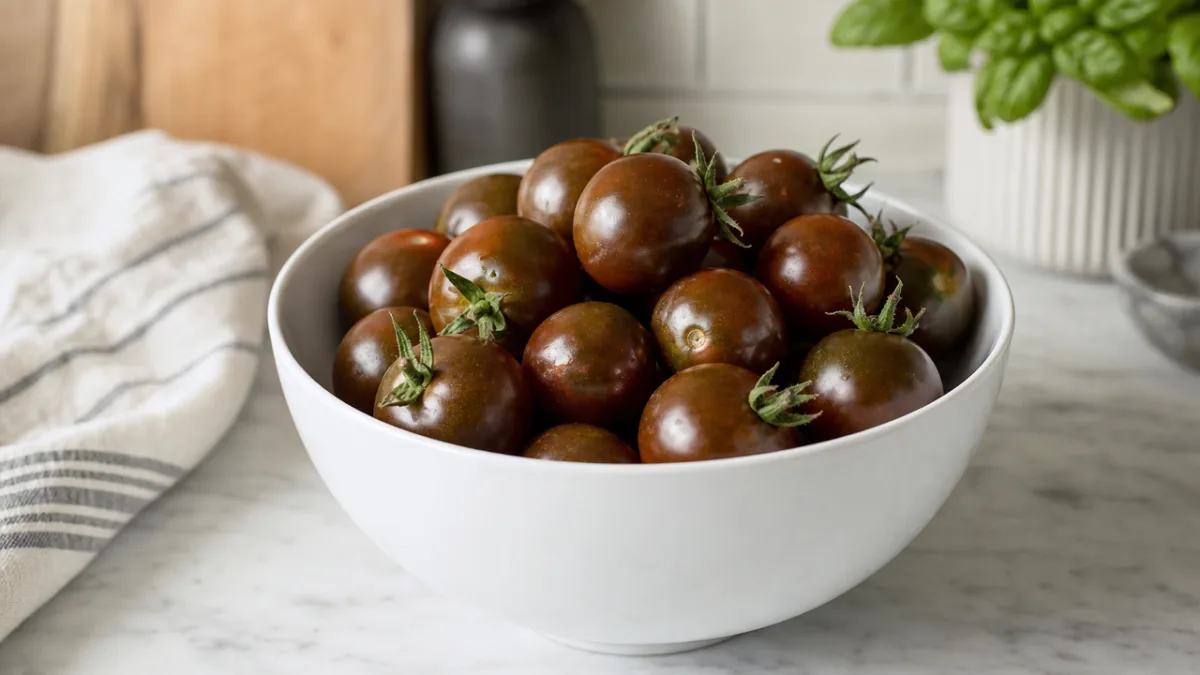
Chocolate Cherry tomatoes are extraordinarily versatile in the kitchen, lending themselves to a wide spectrum of preparations from the simplest raw applications to complex cooked dishes. Their most celebrated use is as a fresh eating tomato — popped whole into the mouth or halved and tossed into salads, they deliver an immediate burst of complex, sweet-savory flavor. Their dark skin and flesh create a visually dramatic contrast against green salad leaves, pale cheeses, and golden croutons, making them as appealing aesthetically as they are gastronomically.
When roasted, Chocolate Cherry tomatoes concentrate and caramelize, intensifying their natural sweetness and developing rich, jammy flavors that are deeply satisfying. Halved and roasted at high heat with olive oil, garlic, and fresh herbs, they make an outstanding topping for bruschetta, pasta, or pizza. They also blend beautifully into sauces, where their color contributes a deep russet tone and their complexity enriches the overall flavor of the dish. Their relatively low water content compared to some cherry varieties means they break down into a thick, flavorful sauce without requiring extended cooking times.
From a nutritional standpoint, Chocolate Cherry tomatoes offer all the benefits associated with tomatoes generally, with some additional advantages related to their high anthocyanin content. Anthocyanins are powerful antioxidants linked to reduced inflammation and cardiovascular protection. Tomatoes are also a well-known source of lycopene, a carotenoid antioxidant associated with reduced risk of certain cancers, particularly prostate cancer. They provide meaningful quantities of vitamins C and K, potassium, and folate, making them a genuinely nutritious addition to any diet alongside their considerable culinary merits.
- Toss halved Chocolate Cherry tomatoes with fresh mozzarella, basil, and a drizzle of aged balsamic for an elegant caprese variation.
- Roast whole with thyme and garlic until blistered, then serve over creamy polenta or ricotta toast.
- Skewer with olives, marinated feta, and fresh basil leaves for vibrant antipasto skewers.
- Blend into a rich, deep-colored gazpacho for a sophisticated summer soup.
- Fold into pasta with anchovies, capers, and chili flakes for a quick, intensely flavored puttanesca-style sauce.
- Dry in a low oven or dehydrator to concentrate flavors for use in winter salads and antipasti boards.
Storage, Seed Saving, and Variety Selection Tips
Proper storage of Chocolate Cherry tomatoes begins with resisting the impulse to refrigerate them. Cold temperatures below 55 degrees Fahrenheit cause the cell walls of tomato fruit to break down, resulting in a mealy texture and significant loss of flavor complexity. Store freshly harvested tomatoes at room temperature, ideally between 60 and 70 degrees Fahrenheit, away from direct sunlight. Arranged in a single layer stem-side down on a countertop or flat tray, they will remain in peak condition for up to a week and will continue to develop flavor as they complete their ripening.
For longer-term preservation, Chocolate Cherry tomatoes respond exceptionally well to freezing, drying, and canning. To freeze, simply spread rinsed and dried whole fruits on a baking sheet and freeze until solid before transferring to airtight bags. Frozen cherry tomatoes can be added directly to cooked dishes from frozen, releasing their concentrated juices into sauces, soups, and stews. Sun-drying or oven-drying produces intensely flavorful, chewy morsels that store well in olive oil or in sealed containers in a cool, dry cupboard for several months.
Because Chocolate Cherry is an open-pollinated variety, seed saving is both straightforward and highly rewarding. Select the finest, most flavorful fruits from your healthiest plants for seed saving, choosing examples that represent the ideal size, color, and flavor of the variety. The fermentation method is recommended for processing tomato seeds: squeeze seeds and gel into a small container of water and allow to ferment at room temperature for two to three days. Viable seeds will sink to the bottom; rinse, drain, and dry them thoroughly on a non-stick surface before storing in a cool, dark location in labelled paper envelopes. Properly stored tomato seeds remain viable for four to six years.
When selecting Chocolate Cherry plants or seeds for your garden, purchase from reputable heirloom seed suppliers who maintain rigorous standards of variety purity and seed quality. Look for suppliers who provide germination rate data and grow-out trial information. If you are purchasing transplants from a nursery rather than growing from seed, inspect plants carefully for signs of disease, root-bound growth, or pest damage before buying. A compact, deep-green transplant with a sturdy stem and no yellowing or spotting on the leaves will establish far more readily than a stressed or overgrown specimen, setting the stage for the abundant, flavorful harvest that makes the Chocolate Cherry tomato so deeply worth growing.








What do you think?
It is nice to know your opinion. Leave a comment.