










Grasses: The Unsung Heroes of the Plant Kingdom
When most people think of plants, they picture towering trees, wildflowers, or lush tropical leaves. Grass rarely gets a second thought. But grasses — the family Poaceae — are actually one of the most ecologically important, economically essential, and visually varied groups of plants on the planet. From the sweeping savannas of Africa to the front lawns of suburbia, grasses shape our landscapes and sustain life in ways that are honestly pretty remarkable.
There are over 12,000 species in the grass family, which puts it among the largest and most successful plant families on Earth. Grasses grow on every continent — including Antarctica, where a few stubborn species hang on in the harsh sub-Antarctic islands. They show up in deserts, mountain meadows, freshwater marshes, and coastal dunes, with an adaptability that most plant groups can only dream of. That flexibility is exactly why grasses have become the dominant vegetation across such enormous stretches of the globe.
To really appreciate grasses, you have to look past the plain exterior. Underneath that simple appearance is some surprisingly sophisticated biology — specialized cell structures, efficient photosynthetic pathways, and reproductive strategies refined over tens of millions of years. This article digs into what makes grasses tick: their biology, their ecological role, their place in human history, their use in gardens, and where they fit in a world that’s rapidly changing.
The Biology and Structure of Grasses
A single blade of grass looks about as simple as a plant can get — just a thin green strip poking out of the ground. But look a little closer and you’ll find a surprisingly elegant design. Each grass leaf has two main parts: the blade, which is the flat part that does the photosynthesizing, and the sheath, which wraps around the stem like a snug sleeve. Right where those two parts meet, there’s a small structure called the ligule — not much to look at, but botanists rely on it heavily to tell species apart.
The stems of grasses are called culms, and they’re typically hollow with solid joints spaced along them called nodes. That hollow-stem design isn’t a coincidence — it gives the plant real structural strength without using up a lot of material, a bit like an engineer’s hollow beam. The nodes double as growth points, which means the plant can bounce back quickly after being grazed or mowed. This is actually a big part of why grasses and large herbivores have coexisted so well throughout evolutionary history, almost like each one shaped the other.
Grasses can reproduce sexually through flowers and seeds, but also vegetatively through tillers, rhizomes, and stolons. Grass flowers are about as no-frills as it gets in the plant world — tiny, wind-pollinated structures bundled into inflorescences with names like panicles, spikes, and racemes. Since they don’t need to attract bees or butterflies, they’ve ditched petals and fragrance entirely, putting that energy into churning out massive quantities of lightweight pollen that can drift for miles. Very efficient — though not great news if you suffer from hay fever every spring.
Ecological Importance of Grasslands
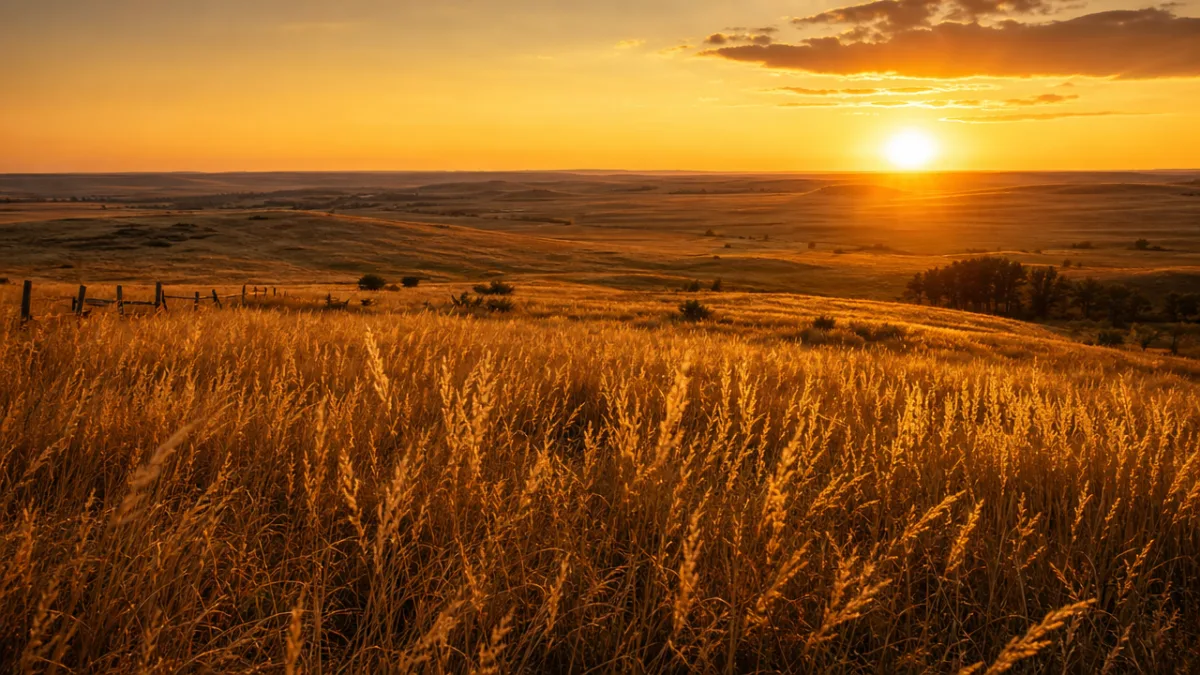
Grasslands cover roughly 40 percent of Earth’s ice-free land, making them the most widespread land ecosystem on the planet. They go by different names depending on where you are — prairies in North America, pampas in South America, steppes across Eurasia, and savannas in Africa and Australia — but wherever you find them, they’re teeming with life. These vast grassy expanses support thousands of species of insects, birds, and mammals, all connected through food webs that depend on grasses growing and renewing themselves constantly.
One of the things grasslands do best — and one of the least-talked-about — is store carbon. Grassland soils are incredibly rich, holding enormous amounts of organic carbon built up over thousands of years. Unlike forests, where most of the carbon sits in the trees themselves, grassland carbon is locked deep underground, which actually makes it more resistant to being released by wildfires. Scientists are increasingly making the case that protecting and restoring grasslands matters just as much for the climate as saving forests does, even if grasslands don’t get nearly as much attention in conservation conversations.
Grasses also do a lot of quiet work for the water cycle. Their deep root systems — some species send roots down ten feet or more — hold soil in place and help rainwater soak in rather than running off the surface. That’s crucial for keeping rivers, streams, and aquifers healthy. Grasses along riverbanks are especially valuable: they stabilize the banks and filter agricultural runoff before it reaches the water. Take those grasses away, and you often end up with real problems for water quality and flood control.
Grasses as the Foundation of Human Civilization
If you had to pick one plant family that made human civilization possible, it would be the grasses — and it’s not a close contest. The domestication of grain crops, every one of them grasses, is the foundation almost every major human civilization was built on. Wheat, rice, maize, barley, sorghum, millet, oats, rye — these crops fed the populations that built cities, raised armies, and generated enough agricultural surplus to allow people to specialize, to create art and science and systems of government. Without grasses, none of that happens.
The domestication of wheat in the Fertile Crescent around 10,000 years ago is one of the pivotal moments in human history. Early farmers gradually selected for plants with larger seeds, seed heads that didn’t shatter on the stalk, and grain that was easier to thresh. They didn’t know they were doing artificial selection, but the cumulative effect was to transform a wild grass into one of the world’s most important crops. The same thing played out independently in China with rice, in Mesoamerica with maize, and across Africa with sorghum and millet — each one sparking an agricultural revolution that reshaped entire regions.
And it goes well beyond grains. Sugarcane, a tropical grass, became one of the most economically powerful crops of the colonial era — and one of the most devastating, given its central role in driving the transatlantic slave trade. Bamboo, the giant of the grass family, has been used across Asia for millennia as a building material, food source, writing surface, and musical instrument. Thatched grass roofs are still common across much of the world today. The list of ways grasses have shaped human culture is genuinely endless.
Ornamental Grasses in Garden Design
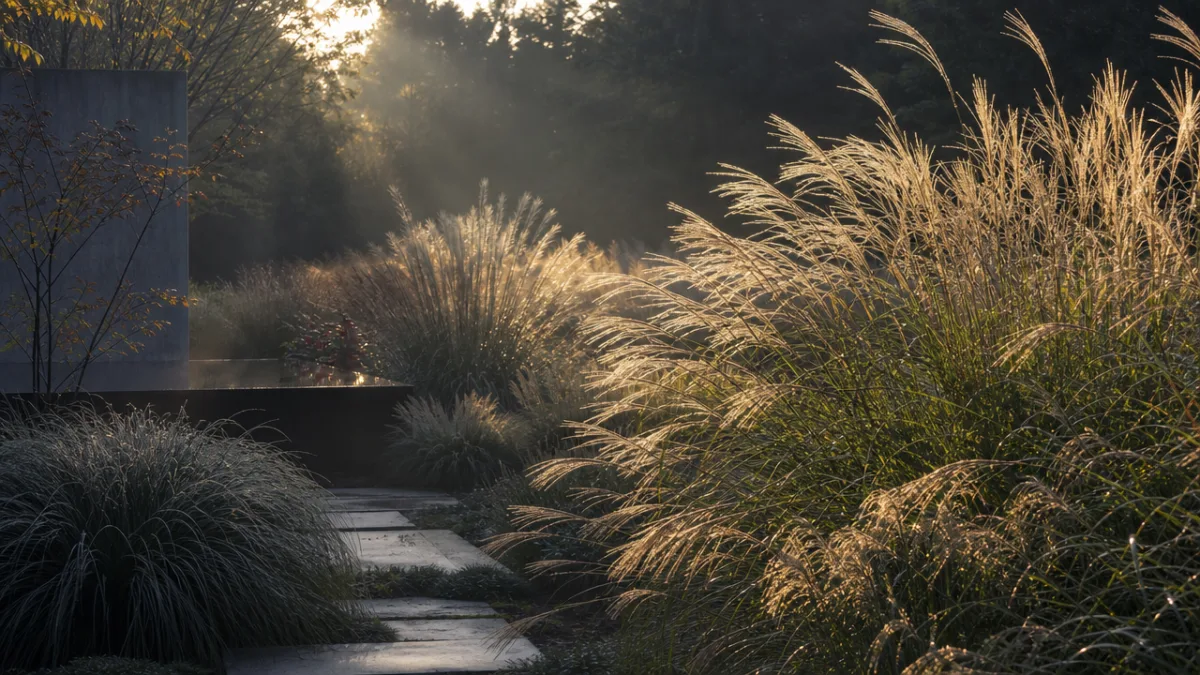
Ornamental grasses have had quite a comeback in recent decades. They used to be treated as weedy filler or pushed to the edges of naturalistic plantings, but today they’re genuine stars in contemporary garden design. The way they move in a breeze, the texture they bring next to flowering plants, the way they hold their dried seed heads all through winter — these qualities have made ornamental grasses something landscape designers genuinely reach for rather than settle for.
The range of ornamental grasses available today is staggering, with good options for almost every climate, soil type, and style preference. Some of the most popular choices include:
- Miscanthus sinensis (Japanese Silver Grass): A tall, dramatic grass with feathery plumes that emerge in late summer and hang on through winter, growing four to eight feet high. Cultivars like ‘Gracillimus’ offer fine texture, while ‘Zebrinus’ has distinctive striped foliage.
- Pennisetum (Fountain Grass): Named for its arching stems and bottlebrush flower spikes that give it a fountain-like shape. The purple-leaved ‘Rubrum’ has become one of the most popular annual ornamental grasses in temperate gardens.
- Panicum virgatum (Switchgrass): A native North American prairie grass that’s earned a loyal following for its airy seed heads, beautiful fall color, and ecological value. The cultivar ‘Shenandoah’ goes a brilliant red in autumn.
- Calamagrostis x acutiflora (Feather Reed Grass): Loved for its upright, architectural structure and early bloom time. ‘Karl Foerster’ is probably the most widely planted ornamental grass in the world, showing up in public and private gardens across the northern hemisphere.
- Festuca glauca (Blue Fescue): A compact, mound-forming grass with eye-catching blue-gray foliage — great for edging, rock gardens, or containers in a sunny spot.
Using ornamental grasses well comes down to understanding how they grow, how they behave through the seasons, and how they interact with the plants around them. Tall grasses like Miscanthus work naturally as structural anchors or soft privacy screens. Low growers like blue fescue are better suited as ground covers or textural accents. Pairing grasses with late-season perennials — sedums, echinacea, rudbeckia, asters — gives you combinations that really hit their stride in late summer and fall, right when most ornamental grasses look their best anyway.
Lawn Grasses and Turf Management
The lawn is one of those deeply ingrained features of suburban life — and it’s essentially a cultural institution built around a handful of grass species selected and bred to handle mowing, foot traffic, and a fair amount of neglect. In North America alone, turfgrass covers an estimated 40 to 50 million acres, which makes it one of the most widely cultivated plant types on the continent. Knowing a bit about how turf works helps homeowners keep their lawns healthy without going overboard on inputs.
Lawn grasses fall into two broad camps: cool-season and warm-season. That distinction tells you when they grow, when they go dormant, and where they’re best suited. Cool-season grasses — Kentucky bluegrass, tall fescue, perennial ryegrass — do well across the northern U.S., Canada, and Europe, pushing hard in spring and fall but slowing down or browning out in summer heat. Warm-season grasses like Bermuda, zoysia, St. Augustine, and centipede grass are built for the South, the Mediterranean, and tropical regions, thriving in the heat and going dormant and brown once winter arrives.
Sustainable lawn care is getting more attention as people become more aware of the real costs of conventional turf management — the water use, the chemical fertilizers and pesticides, the gas-powered mowers. A lot of homeowners are rethinking their approach: shrinking lawn areas in favor of native plants and groundcovers, choosing lower-maintenance grass varieties that need less water and less frequent mowing, and switching to organic fertilization with compost and slow-release amendments. Clover is also making a quiet comeback — once considered a weed after decades of being targeted by herbicide companies, it’s now appreciated again for fixing nitrogen in the soil and feeding pollinators.
Grasses in a Changing Climate
As the climate shifts, grasses are showing up both as a subject of serious scientific interest and as a genuine part of the toolkit for addressing environmental challenges. Their toughness — the ability to bounce back from drought, fire, grazing, and temperature swings that would finish off most plants — makes them strong candidates for ecological restoration in a world where extreme weather is becoming the norm rather than the exception. Figuring out how grass communities will respond to changing temperature and rainfall patterns is now a real research priority for ecologists and conservation scientists.
Perennial energy grasses like Miscanthus x giganteus and switchgrass have attracted a lot of interest as potential bioenergy crops. They can produce large amounts of biomass on marginal land that isn’t suitable for food production, and they need far less water, fertilizer, and pesticide than conventional crops. Whether they’re being converted to cellulosic ethanol or burned directly for heat and electricity, they can deliver meaningful reductions in greenhouse gas emissions compared to fossil fuels. Breeding programs worldwide are working on improved varieties with higher yields and better local adaptability.
Grassland restoration is another growing area where grasses are central to the climate picture. Vast stretches of grassland have been degraded by agriculture or overgrazed to the point of desertification, releasing enormous amounts of carbon that had been locked in the soil for centuries. Restoring those lands to healthy, grass-dominated ecosystems can pull a lot of that carbon back out of the atmosphere — while also rebuilding biodiversity, improving water infiltration, and supporting local communities. The people doing this work have come to understand that they’re not just maintaining landscapes; they’re actively contributing to climate stability.
Cultural and Artistic Significance of Grasses
Grasses have meant something to people across cultures for a very long time, in ways that go well beyond food and ecology. In East Asian traditions, bamboo — the towering giant of the grass family — has been a central image in poetry, painting, and philosophy for more than two thousand years. Chinese and Japanese artists have long been drawn to bamboo’s combination of strength and flexibility, the way it grows fast and hollow, the way it bends dramatically in a storm without snapping. Those qualities made it a powerful symbol of resilience, humility, and integrity in Confucian thought.
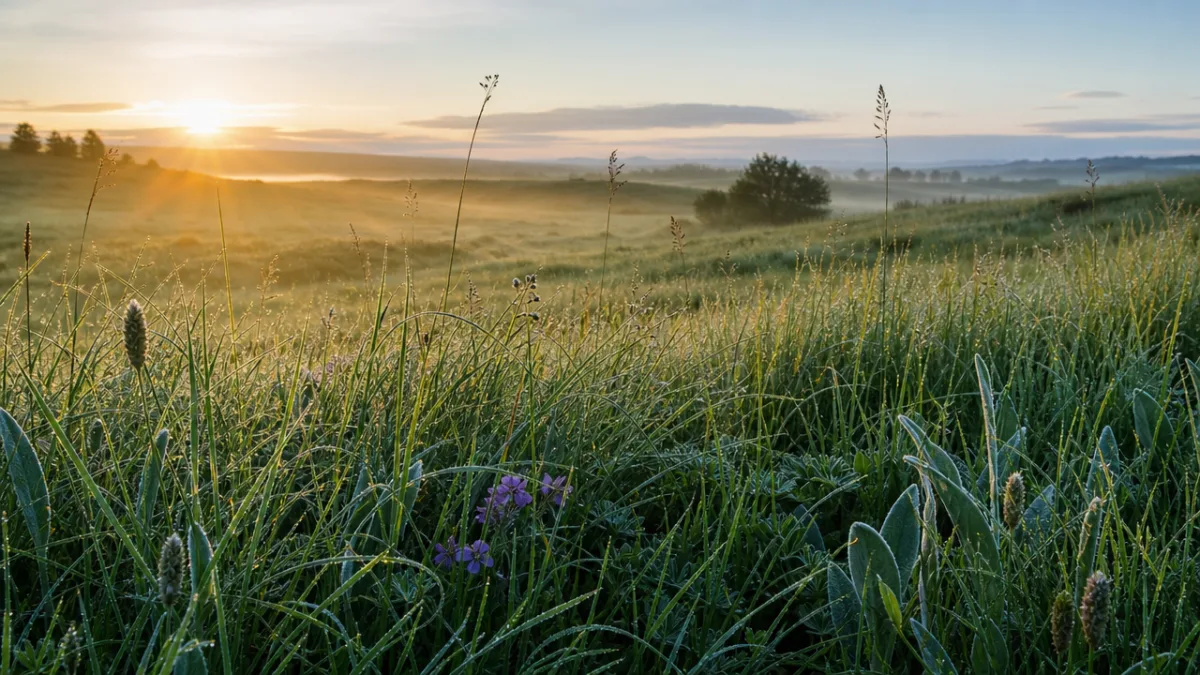
In Western art, grasses and grassland landscapes have had a quieter but real presence, particularly in the Dutch Golden Age and later in the Romantic and Barbizon painting movements. Artists like John Constable paid close attention to meadow grasses and reeds, understanding that these modest plants gave texture and life to landscapes that might otherwise look flat and empty. In the twentieth century, American regionalist painters found genuine drama in the Great Plains, where seas of native grass rolling to the horizon became a symbol of national identity and the deep, often complicated relationship between people and the land.
Grass has also found its way into some of literature’s most celebrated work. Walt Whitman’s Leaves of Grass — still one of the most important books in American literature — uses grass as its core metaphor, standing in for democracy, mortality, and the way all living things are connected. The image worked perfectly for Whitman: grass is humble and universal, growing everywhere, available to everyone, belonging to no one. Music has drawn on grasslands too — the pastoral tradition in European classical composition, from Beethoven’s Pastoral Symphony to the folk-tinged works of Vaughan Williams and Bartók, returns again and again to images of open meadows and swaying grass, translating something visual and tactile into pure sound.








What do you think?
It is nice to know your opinion. Leave a comment.