










Grapefruit & Spearmint: The Ultimate Guide to a Refreshing Aromatic Pairing
The Story Behind This Iconic Flavor and Fragrance Combination
Few pairings in the world of aromatherapy, culinary arts, and natural wellness feel as instinctively right as grapefruit and spearmint. There is something almost architecturally perfect about the way these two scents and flavors meet — the bold, tangy brightness of grapefruit sweeping in first, followed by the cool, clean lift of spearmint that lingers like a breath of mountain air. Together, they create a sensory experience that feels simultaneously energizing and grounding, a rare combination that explains why this pairing has become a staple across so many different industries and applications.
The history of both botanicals is rich and deeply intertwined with human culture. Grapefruit, a relatively modern citrus fruit that likely emerged as a natural hybrid of the pomelo and sweet orange sometime in the 18th century in Barbados, quickly spread across tropical and subtropical regions. Its sharp, slightly bitter zest became prized in perfumery and food alike. Spearmint, on the other hand, has roots stretching back thousands of years, used by ancient Greeks, Romans, and Egyptians for its medicinal and culinary properties. When these two ancient and modern botanical worlds collide, the result is something extraordinary.
Understanding why this pairing works requires a brief look at the chemistry. Grapefruit’s dominant aromatic compound is limonene, a bright, citrusy terpene that also carries subtle floral and woody undertones. Spearmint is largely defined by carvone, a compound that delivers that distinctive cool, herbal freshness without the sharp menthol edge of peppermint. These two chemical profiles complement each other beautifully — the limonene provides the high, singing top notes while carvone grounds the experience with a soft, enduring freshness. The result is a fragrance and flavor profile that is complex, layered, and endlessly appealing.
Aromatherapy and Wellness Benefits You Need to Know
In the realm of aromatherapy, the grapefruit and spearmint combination is considered something of a powerhouse duo. Grapefruit essential oil is widely recognized for its uplifting and mood-enhancing properties. Research has suggested that inhaling citrus aromas can stimulate the production of serotonin in the brain, contributing to feelings of happiness, optimism, and reduced anxiety. For those who struggle with low energy, seasonal mood dips, or mental fatigue, diffusing grapefruit oil can offer a natural, accessible form of emotional support that requires no complicated protocols or preparations.
Spearmint essential oil brings its own impressive therapeutic credentials to the table. Unlike peppermint, which can sometimes feel overwhelming or overly medicinal, spearmint operates with a gentler touch. It is known for its ability to support mental clarity and focus while simultaneously easing tension and headaches. Many aromatherapists recommend spearmint specifically for situations that require calm concentration — studying, creative work, or processing difficult emotions. Its cooling properties also make it a favorite for physical applications, particularly in massage blends designed to soothe tired muscles and reduce inflammation.
When combined in a diffuser blend or personal inhaler, grapefruit and spearmint create a synergy that addresses both mental and physical wellness simultaneously. A simple but highly effective blend consists of three drops of grapefruit essential oil to two drops of spearmint, diffused in a well-ventilated room for thirty to sixty minutes. Users consistently report feeling more alert, less anxious, and more emotionally centered after sessions with this combination. It has become particularly popular as a morning ritual, used in place of or alongside caffeine to initiate a productive and positive start to the day.
- Mood elevation: Grapefruit’s limonene content supports serotonin activity, helping to lift low moods and combat seasonal affective symptoms naturally.
- Mental clarity: Spearmint’s carvone stimulates cognitive function, improving focus and reducing mental fog without causing overstimulation.
- Stress reduction: The combined aroma has been shown in several small studies to lower cortisol markers and reduce self-reported feelings of anxiety and tension.
- Physical refreshment: Both oils carry anti-inflammatory properties that make them valuable in topical applications for sore muscles and joint discomfort.
- Respiratory support: Spearmint in particular has expectorant properties that, when inhaled, can support easier breathing and clearer airways.
It is important to note that while essential oils offer genuine benefits, they should always be used responsibly. Both grapefruit and spearmint oils are potent and should be diluted properly before any skin application — a carrier oil such as sweet almond, jojoba, or fractionated coconut oil is essential. Grapefruit oil is also photosensitive, meaning skin treated with it should not be exposed to direct sunlight for at least twelve hours to avoid irritation or discoloration. When used with appropriate care, however, this pairing can be a genuinely transformative addition to any wellness routine.
Culinary Applications: From Cocktails to Cuisine
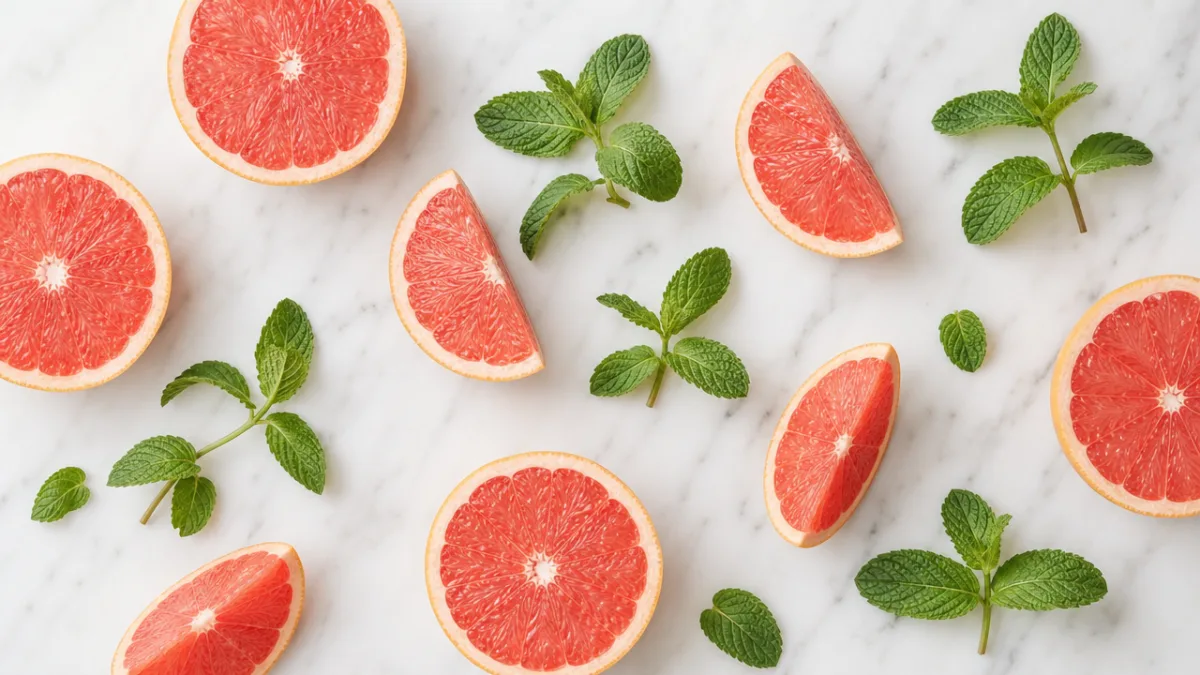
The kitchen and the bar are where grapefruit and spearmint truly get to shine in their most accessible and democratic forms. This pairing has become enormously popular in the craft cocktail world, where bartenders have discovered that the combination creates drinks with extraordinary depth and drinkability. The grapefruit provides a structural backbone of citrus acidity and natural sweetness, while spearmint adds a layer of herbal brightness that elevates a drink from merely refreshing to genuinely sophisticated. It is a combination that works across alcoholic and non-alcoholic applications with equal success.
One of the most beloved expressions of this pairing is the grapefruit spearmint mocktail or agua fresca. To make this at home, simply combine freshly squeezed grapefruit juice with a spearmint simple syrup — made by simmering equal parts water and sugar with a generous handful of spearmint leaves until the mint flavor has fully infused — and top with sparkling water and ice. A sprig of fresh spearmint and a thin wheel of grapefruit as garnish complete the presentation. The result is a drink that looks as good as it tastes, bright pink or golden depending on your grapefruit variety, with a fragrance that announces itself before the first sip.
Beyond beverages, this pairing finds wonderful expression in savory and sweet culinary applications. A grapefruit and spearmint vinaigrette makes a revelatory dressing for salads featuring bitter greens like arugula, endive, or radicchio — the citrus cuts through the bitterness while the mint adds an herbal note that bridges the dressing to the greens. In desserts, a spearmint-infused grapefruit granita or sorbet is a study in sophisticated simplicity, with a clean flavor that cleanses the palate beautifully after a rich meal. The pairing also works superbly in marinades for seafood and light poultry, where grapefruit’s acidity acts as a natural tenderizer while spearmint contributes aromatic complexity.
Chefs and home cooks exploring this combination should experiment with both the fresh and dried forms of each ingredient, as the flavor profiles shift meaningfully between preparations. Fresh grapefruit zest is intensely aromatic and slightly bitter, while fresh juice is brighter and more straightforwardly citrusy. Fresh spearmint leaves carry a vivid, almost sweet minty quality, while dried spearmint becomes more subdued and earthy. Understanding these distinctions allows for precise flavor-building, whether you are crafting a delicate dessert or a bold marinade. The most important rule is to let both elements speak — avoid overwhelming the pairing with competing flavors, and trust the natural chemistry between them to do the heavy lifting.
Beauty, Skincare, and Personal Care Applications
The beauty and personal care industry has embraced grapefruit and spearmint with enormous enthusiasm, and for very good reason. Both ingredients bring specific and well-documented benefits to skin, hair, and body care formulations. Grapefruit is rich in Vitamin C, a potent antioxidant that helps to brighten the complexion, stimulate collagen production, and protect against environmental damage from free radicals. Its natural alpha-hydroxy acid content makes it mildly exfoliating, helping to remove dead skin cells and reveal fresher, more radiant skin beneath. These properties have made grapefruit extract a staple in serums, toners, and brightening treatments.
Spearmint brings its own impressive skin care benefits to any formulation it enters. Its natural antiseptic and anti-inflammatory properties make it particularly valuable for oily, acne-prone, or congested skin types. Unlike harsher acne-fighting ingredients that can strip and irritate the skin barrier, spearmint offers a gentler approach — calming redness and reducing bacterial activity without compromising the skin’s natural moisture balance. Spearmint oil has also been studied for its ability to reduce excess sebum production, making it a thoughtful ingredient for those who struggle with persistent shine or enlarged pores. Its cooling sensation adds a sensorial dimension that makes any product containing it feel luxurious and spa-like.
DIY beauty enthusiasts have discovered that creating home formulations with this pairing is both accessible and rewarding. A simple grapefruit and spearmint body scrub can be made by combining coarse sea salt or sugar with a carrier oil, several drops each of grapefruit and spearmint essential oils, and fresh grapefruit zest for additional fragrance and exfoliation. Applied to damp skin in the shower and rinsed thoroughly, this scrub leaves skin feeling silky, refreshed, and subtly fragrant. Similarly, a grapefruit and spearmint facial toner — made by infusing spearmint in witch hazel and adding fresh grapefruit juice — makes an excellent pore-tightening and brightening treatment for oily or combination skin types.
- Brightening face serum: Combine grapefruit Vitamin C extract with spearmint hydrosol as the aqueous phase of a DIY serum for a radiance-boosting daily treatment.
- Refreshing foot soak: Add grapefruit slices and spearmint leaves to warm water with Epsom salts for a deeply relaxing and deodorizing foot treatment.
- Clarifying shampoo boost: Add two drops each of grapefruit and spearmint essential oils to your regular shampoo to support scalp health and add a refreshing sensation.
- Invigorating body oil: Blend both essential oils into a lightweight carrier such as jojoba or rosehip for a post-shower body treatment that moisturizes and uplifts simultaneously.
- Lip balm enhancement: Spearmint flavor extract added to a simple beeswax and coconut oil lip balm with a touch of grapefruit oil creates a beautifully scented and functional lip treatment.

Home Fragrance and Creating an Atmosphere
One of the most transformative ways to experience the grapefruit and spearmint combination is through home fragrance. The ability of scent to shape mood, memory, and atmosphere is well-established in both neuroscience and practical interior design philosophy. A home that smells clean, bright, and herbal communicates a sense of vitality and intention that influences both the residents and their guests on a subconscious level. Grapefruit and spearmint, with their association with freshness, energy, and natural cleanliness, are an ideal choice for anyone looking to create a home environment that feels alive and welcoming.
Candle making with this combination has become a popular hobby and a thriving cottage industry. When blended into soy or coconut wax, grapefruit and spearmint fragrance oils create candles with excellent scent throw — meaning the fragrance diffuses powerfully throughout a room as the wax melts. The recommended fragrance load for most natural waxes is between six and ten percent of the total wax weight, and a blend of roughly sixty percent grapefruit to forty percent spearmint fragrance tends to produce the most balanced result. Adding a small amount of lemon or bergamot fragrance to the mix can add additional citrus complexity that enhances the grapefruit note without overwhelming the spearmint.
For those who prefer non-flame options, reed diffusers and room sprays made with these two scents are wonderfully effective. A simple room spray can be created with distilled water, a small amount of alcohol to act as a dispersant, and a blend of grapefruit and spearmint essential oils. Stored in a dark glass spray bottle and used liberally on textiles, in bathrooms, or as a general room freshener, this spray transforms spaces instantly. Kitchen areas particularly benefit from this combination, as both scents are associated with cleanliness and they help neutralize cooking odors without smelling artificial or chemical the way many commercial air fresheners do.
The psychology of scenting a home intentionally is a practice sometimes called olfactory design, and it is gaining serious attention among interior designers, hospitality professionals, and wellness practitioners. Hotels and spas have long understood that a signature scent creates emotional memories and associations that bring guests back. For homeowners, adopting a personal signature scent based on a combination as distinctive and appealing as grapefruit and spearmint means that every time someone walks through your front door, they experience an immediate, positive sensory greeting. It is a simple and cost-effective way to profoundly elevate the experience of being in your home, requiring nothing more than a diffuser, some essential oils, and the willingness to be intentional about your environment.
Sustainability, Sourcing, and Making Conscious Choices
As with any botanical ingredient, the full picture of grapefruit and spearmint use includes an important conversation about sustainability, ethical sourcing, and environmental responsibility. Grapefruit cultivation, concentrated largely in Florida, California, South Africa, and parts of the Mediterranean, is subject to many of the same pressures facing global agriculture — water usage, pesticide application, soil health, and the vulnerability of monocultures to disease and climate disruption. Florida’s grapefruit industry in particular has faced serious challenges from citrus greening disease, a bacterial infection that has devastated orchards across the state and driven up prices for domestic grapefruit and its derivatives.
Spearmint presents its own sourcing considerations. The majority of the world’s spearmint oil comes from the United States, with Washington state and Indiana being primary production regions, though significant quantities also come from India and China. Organic spearmint cultivation is widely available and represents a meaningfully more sustainable choice, as conventional mint farming can be chemically intensive. When purchasing spearmint products — whether fresh leaves, dried herb, or essential oil — looking for certified organic sources ensures that you are supporting farming practices that protect soil health, waterways, and the health of farmworkers.
For essential oil consumers specifically, quality and ethical sourcing are closely linked. The essential oil market contains significant variation in purity and production standards, with adulteration and mislabeling being genuine concerns. Reputable essential oil companies will provide Gas Chromatography/Mass Spectrometry (GC/MS) test results for their oils, confirming purity and the natural presence of expected chemical compounds. Supporting brands that are transparent about their sourcing, that pay fair prices to producers, and that invest in sustainable agricultural practices is both an ethical choice and a practical one — sustainably grown and carefully extracted oils consistently deliver superior aromatic quality and therapeutic efficacy compared to cheaply produced alternatives.
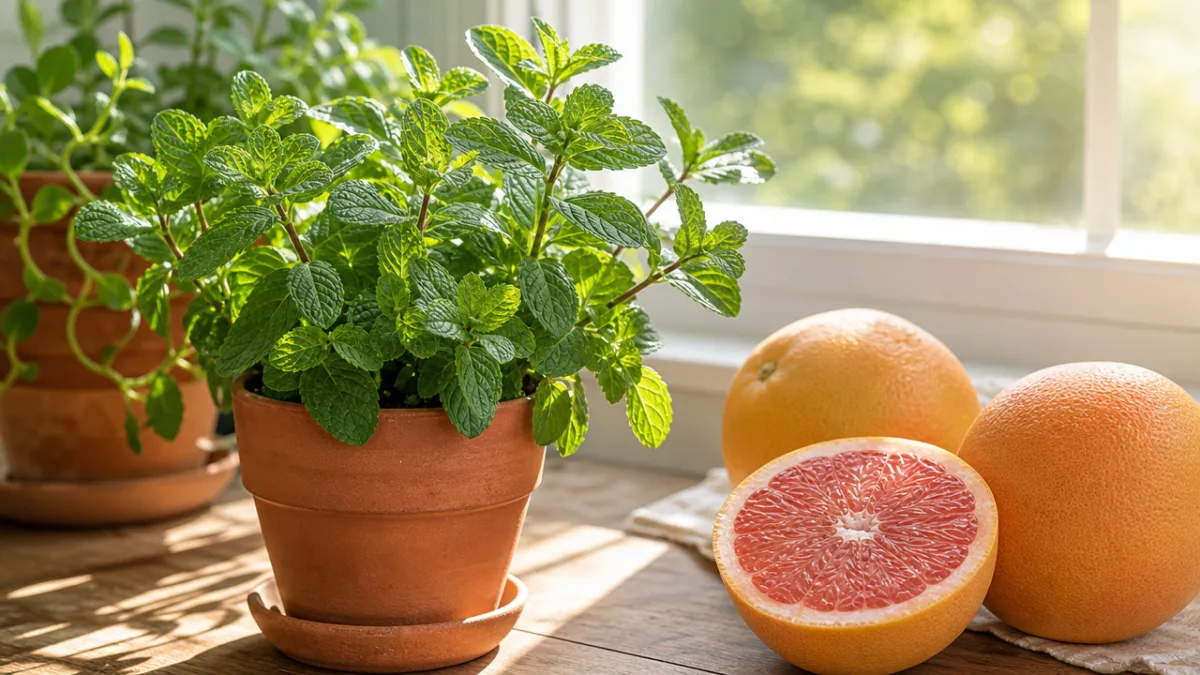
At the individual level, embracing the grapefruit and spearmint combination thoughtfully means growing your own spearmint whenever possible — it is famously vigorous and easy to cultivate, thriving in containers on a balcony or in a small garden bed — and choosing whole, seasonal grapefruit from your region over processed derivatives when freshness is the goal. It means composting your spent citrus peels, using every part of the fruit, and buying only what you will genuinely use. These small, mindful choices accumulate into a relationship with these beautiful botanicals that honors their full journey from the earth to your home, ensuring that the pleasure they bring is both personally nourishing and globally responsible.








What do you think?
It is nice to know your opinion. Leave a comment.