










22 Gorgeous Crochet Décor Pieces to Elevate Your Home Style
The Timeless Appeal of Crochet in Modern Home Décor
Crochet has been woven into the fabric of human creativity for centuries, but today it is experiencing a remarkable renaissance in interior design. What was once considered a purely traditional or grandmotherly craft has transformed into a sophisticated design medium embraced by contemporary decorators, interior stylists, and homeowners who crave warmth, texture, and handmade authenticity in their living spaces. The resurgence of crochet décor speaks to a broader cultural shift toward slow living, artisanal craftsmanship, and the desire to surround ourselves with objects that carry human touch and intention.
Modern crochet décor pieces have evolved far beyond the doilies and afghans of previous generations. Today’s crochet artists and home décor designers are producing wall hangings, plant hangers, throw blankets, pillow covers, table runners, lamp shades, baskets, and even room dividers that hold their own alongside high-end furniture and designer accessories. These pieces add dimension, visual interest, and a handcrafted quality that mass-produced items simply cannot replicate, making them uniquely valuable in a world saturated with identical, factory-made goods.
The beauty of incorporating crochet into your home lies in its extraordinary versatility. Whether your aesthetic leans toward bohemian maximalism, Scandinavian minimalism, coastal cottage charm, or earthy naturalism, there is a crochet décor piece that can be seamlessly integrated into your existing style. The range of yarn weights, fiber types, colors, and stitch patterns available to modern crochet artisans means that no two pieces are exactly alike, ensuring that what you bring into your home is genuinely one of a kind. This uniqueness is precisely what makes crochet décor such a compelling and emotionally resonant choice for today’s design-conscious homeowner.
Why Texture Matters in Interior Design
Texture is one of the most underappreciated elements of interior design, yet it plays an enormously powerful role in how a room feels to its occupants. A space filled with flat, smooth surfaces can feel cold, sterile, and unwelcoming no matter how carefully the color palette or furniture arrangement has been curated. Crochet introduces a rich tactile dimension to any room, creating depth and visual interest that draws the eye and invites the hand. The raised loops, intricate knots, and open lacework of crocheted pieces create a play of light and shadow across surfaces that fundamentally transforms the atmosphere of a space.
When designers talk about layering textures, they mean the deliberate combination of materials with different surface qualities — smooth wood, soft fabric, rough stone, shiny metal. Crochet fits brilliantly into this layering strategy because its open, looped structure creates a texture unlike anything else. A crocheted throw draped over a leather sofa, a macramé-adjacent wall hanging above a sleek console table, or a set of crocheted cushion covers piled onto a linen sofa all demonstrate how this one material can bridge and harmonize seemingly disparate design elements within a room.
Research in environmental psychology consistently shows that people feel more comfortable and relaxed in rooms that offer a variety of sensory experiences, including textural variety. The presence of soft, handmade items like crocheted décor signals safety, warmth, and care — qualities that transform a house into a home. As open-plan living has become increasingly common, the challenge of making large, airy spaces feel intimate and cozy has grown more pressing, and crochet décor proves to be one of the most elegant solutions available to both professional designers and DIY decorators alike.
Statement Wall Hangings and Fiber Art
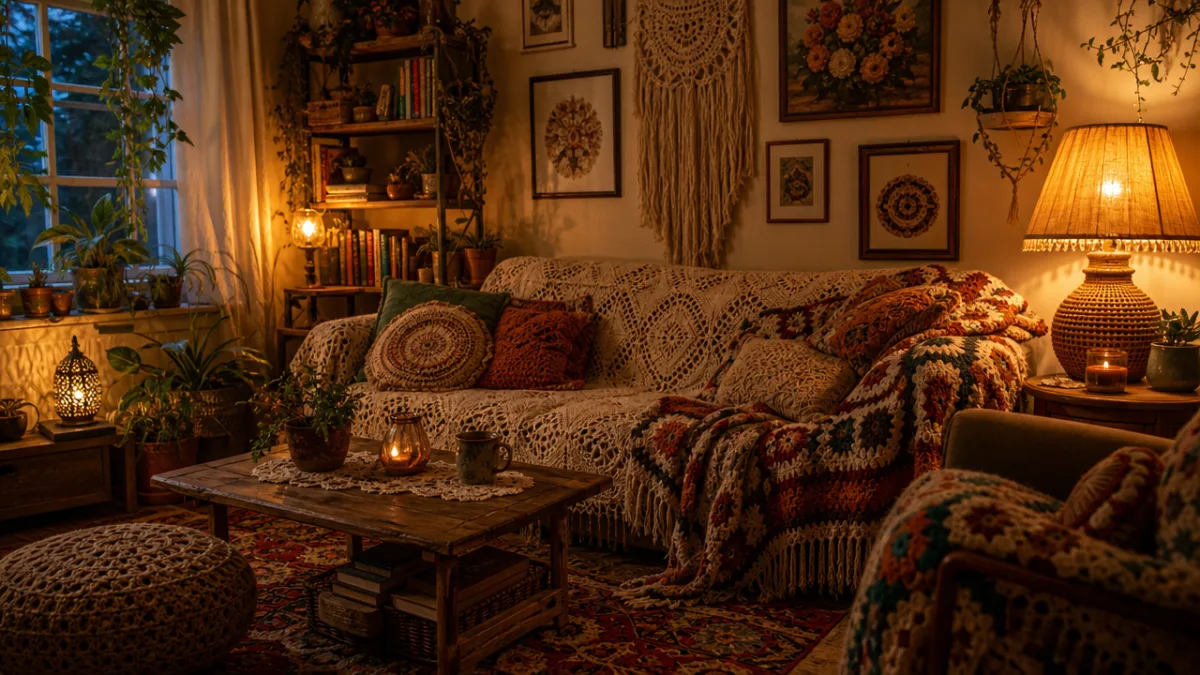
Among the most impactful ways to incorporate crochet into your home, wall hangings stand in a category of their own. A large, well-crafted crochet wall hanging functions as true art — capable of anchoring an entire room’s design scheme and serving as the conversation-starting focal point that every memorable interior needs. Unlike framed prints or canvas paintings, fiber art wall hangings bring dimension off the wall into the room, their tassels, fringe, and looping forms casting delicate shadows that shift with the light throughout the day, creating a living, breathing quality that static artwork cannot achieve.
The range of crochet wall hanging styles available today is staggering in its breadth and creativity. Large geometric pieces in neutral earth tones work beautifully in minimalist or Japandi-inspired spaces where they add warmth without overwhelming the calm, uncluttered aesthetic. Intricate mandala-style hangings in bohemian colors suit eclectic, globally influenced rooms. Coastal-inspired pieces made from natural jute or cotton rope evoke relaxed seaside living, while more sculptural, three-dimensional fiber creations push the boundaries of what wall art can be. Whether store-bought or handmade, these pieces have the power to completely redefine a blank wall.
Arranging crochet wall hangings effectively requires a bit of thoughtful consideration about scale, placement, and composition. A single large piece works best centered over a bed headboard, sofa, or console table, creating a visual anchor that ties the furniture grouping together. For a more dynamic arrangement, a gallery wall mixing crochet hangings of different sizes with framed art, wooden objects, and plants creates a rich, layered display that reflects the personality and creative spirit of the homeowner. The key is to allow each piece enough breathing room to be fully appreciated while maintaining a cohesive visual flow throughout the arrangement.
Decorative Pillows and Throw Blankets
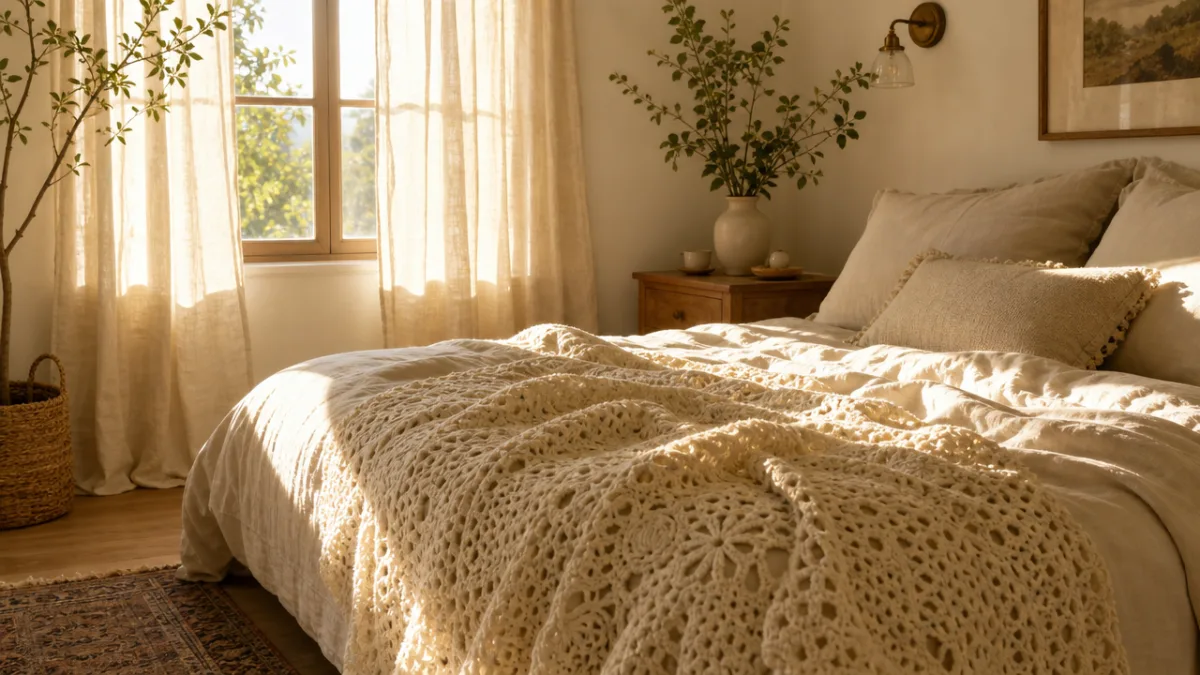
Crochet pillows and throw blankets represent perhaps the most accessible entry point into crochet home décor, offering immediate, transformative impact with minimal commitment or investment. A set of crocheted cushion covers in warm terracotta, sage green, or natural cream can completely refresh a sofa or bed, instantly shifting the mood of a room from flat and forgettable to layered and inviting. The tactile pleasure of running your fingers over a crocheted pillow cover — feeling the raised stitches, the openwork patterns, the soft give of the yarn — is a sensory experience that synthetic alternatives simply cannot match.
Crochet throw blankets are among the most beloved and functional items in home décor, prized equally for their aesthetic appeal and their practical comfort. Draped artfully over the arm of a reading chair, folded at the foot of a bed, or spread across a sofa as casual, cozy seating supplement, a crochet throw adds a layer of warmth both literal and visual to any room. The choice of yarn fiber makes an enormous difference to both the look and feel of a crochet throw: chunky merino wool creates a luxurious, cloud-like effect perfect for cold-climate cozy aesthetics, while cotton or bamboo blends produce lightweight, breathable throws ideal for warmer rooms or summer styling.
The styling potential of crocheted soft furnishings is genuinely limitless. Mixing different crochet textures — a tight, dense stitch cushion alongside an open-weave lacy pillow — creates visual contrast that keeps the eye interested. Combining crocheted pieces with other soft furnishings in complementary fabrics like velvet, linen, and boucle builds a layered, sophisticated look that feels intentional and expertly curated. Color coordination matters too: a considered palette where crochet pieces echo or contrast with other colors in the room creates harmony and cohesion, while a deliberate pop of unexpected color in a single crocheted piece can inject personality and playfulness into an otherwise neutral scheme.
Crochet Baskets, Organizers, and Functional Décor
One of the most exciting developments in contemporary crochet design is the explosion of functional décor pieces that are as beautiful as they are useful. Crochet baskets, bowls, trays, and organizers have become hugely popular as homeowners discover that storage and organization do not have to be hidden away in utilitarian containers that detract from a room’s aesthetic. A set of neatly stacked crocheted baskets in a living room corner, a crocheted bowl filled with fruit on a kitchen counter, or a row of crochet-covered storage boxes on a shelf demonstrate how practical necessity and thoughtful design can coexist harmoniously and beautifully.
The structural qualities of crochet make it surprisingly well-suited for functional storage applications, particularly when worked in natural fibers like jute, cotton rope, or seagrass. These stiffer, more durable materials can be crocheted into shapes that hold their form beautifully, creating baskets and bowls that are genuinely robust enough for everyday use. Jute baskets work particularly well in living rooms and bedrooms for storing throws, toys, and accessories, while smaller cotton crochet bowls and trays are perfect for corralling keys, jewelry, candles, and other small items on dressing tables, entryway consoles, and bathroom countertops.
Beyond storage, crochet has found its way into other functional home objects that bring craftsmanship and beauty into daily routines. Crocheted pot holders and trivets add artisanal charm to kitchens. Crochet-covered coat hangers keep delicate clothing safe while transforming a closet or open wardrobe into something worth displaying. Plant pot covers crocheted from natural fibers are among the most popular functional crochet items, allowing homeowners to dress up plain plastic nursery pots and coordinate their plant display with the rest of the room’s color palette and texture story. These small but meaningful details are what elevate a home from merely furnished to truly styled.
Plant Hangers and Botanical Display Pieces
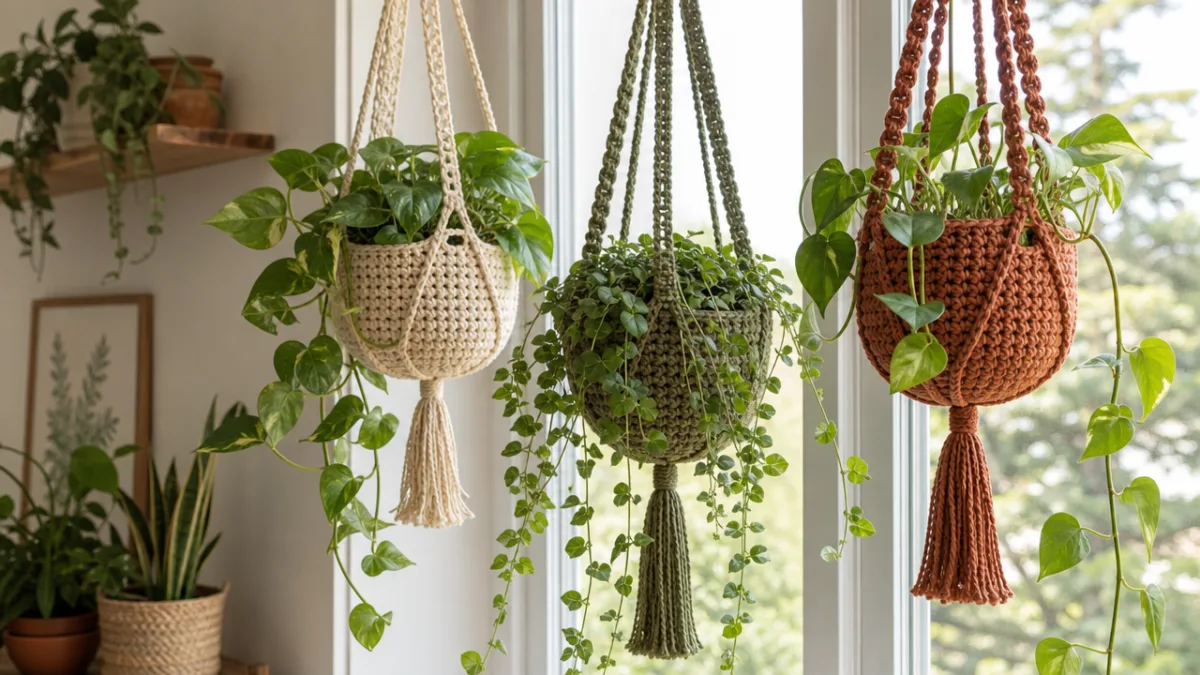
The marriage of crochet and houseplants is one of the most photogenic and beloved trends in contemporary home styling. Crochet plant hangers — intricate rope-like constructions that suspend potted plants at varying heights from the ceiling or wall — create vertical green displays that draw the eye upward, add life and movement to a room, and make the most of limited floor space. In apartments and smaller homes especially, crochet plant hangers offer an ingenious way to incorporate the biophilic design benefits of indoor plants without sacrificing precious surface area or floor space.
The visual effect of multiple crochet plant hangers clustered at different heights near a bright window is nothing short of spectacular. The interplay between the earthy, natural tones of jute or cotton rope, the verdant green of trailing pothos, ferns, or spider plants, and the dappled light filtering through both foliage and open lacework creates a scene of extraordinary natural beauty that no manufactured product could replicate. Many interior designers now consider a well-curated group of crochet plant hangers to be as significant a design element as a piece of furniture or art, precisely because of the dynamic, living quality they bring to a space.
Beyond traditional hanging planters, crochet has inspired a whole range of botanical display accessories. Crocheted wreath bases layered with dried flowers, eucalyptus, and seed pods create stunning wall-mounted botanical displays perfect for entryways, kitchens, and living rooms. Crocheted terracotta pot cozies transform simple clay pots into styled décor objects. Even crocheted table centrepieces incorporating preserved botanicals, candles, and natural objects have become popular for both everyday styling and special occasion tablescaping. The common thread running through all these applications is crochet’s unique ability to frame and complement the natural world in a way that feels organic, warm, and genuinely beautiful.
Room Dividers, Curtains, and Architectural Crochet
Among the most ambitious and architecturally significant applications of crochet in home décor are room dividers, curtains, and other large-scale fiber installations that have the power to transform the spatial experience of a room. In open-plan living spaces — where kitchen, dining, and living areas flow together without walls — a large crocheted room divider can define zones, create a sense of intimacy, and add extraordinary visual drama while maintaining the airy, connected quality of the open plan. Unlike solid partitions or curtains, the open lacework of a crocheted divider allows light and sight lines to pass through, maintaining visual connection between spaces while establishing a gentle sense of separation.
Crochet curtains represent another breathtaking application of fiber art at an architectural scale. Panel curtains crocheted from fine cotton thread in delicate lace patterns filter light beautifully, casting intricate shadow patterns across walls and floors that shift and dance as the sun moves throughout the day. These light-filtering qualities make crochet curtains particularly magical in rooms where privacy is less of a concern than atmosphere — a sunroom, a home studio, a romantic bedroom where soft, diffused light is preferred over total darkness. The sheer abundance of crochet patterns available for curtain panels means that there is a design to suit every taste, from the simplest geometric grid to the most ornate Victorian-inspired lace.
The growing interest in crochet as an architectural element has pushed some designers and artists to explore truly immersive fiber installations that go beyond individual objects into full environmental experiences. Crocheted ceiling installations — large-scale canopies or cloud-like clusters of fiber art suspended above a dining table or bed — create a cocoon-like sense of enclosure and drama that permanently transforms a room. While these more ambitious projects typically fall within the realm of professional installation art, they have inspired homeowners to think more expansively about where crochet can live in their homes and how fiber art can reshape not just the surfaces of a room but its entire spatial character and emotional atmosphere.
Kitchen and Dining Crochet Accents
The kitchen and dining room offer some of the most rewarding opportunities for integrating crochet décor, combining functionality with aesthetic appeal in spaces that are central to home life, hospitality, and daily ritual. Crocheted table runners are among the most elegant and practical additions to a dining table, their textured surface adding visual warmth and definition to the table setting while protecting the surface beneath. A natural cotton or linen crochet runner down the center of a farmhouse dining table, dressed with candles, fresh flowers, and simple ceramic tableware, creates a tableau of effortless, natural beauty that feels equally suited to an everyday family dinner and a special gathering with friends.
Beyond table runners, the kitchen offers many opportunities for small crochet accents that add charm and character to the heart of the home. Consider the following pieces that work particularly well in kitchen and dining spaces:
- Crocheted dishcloths and cleaning cloths in cotton, which are eco-friendly, durable, and far more attractive than their synthetic counterparts, adding a small but meaningful note of handcraft to everyday kitchen tasks.
- Crocheted napkin rings that elevate even simple cloth napkins into a considered, styled table detail worthy of a restaurant or boutique hotel dining experience.
- Fruit bowl covers or food storage covers made from fine cotton crochet, a beautiful and sustainable alternative to plastic wrap or silicone covers for protecting food.
- Crocheted chair seat covers or cushions tied onto dining chairs, which soften the look of harder chairs and add a pop of color or texture to a dining set.
- Herb pot cozies that dress up terracotta or plastic herb pots on a kitchen windowsill, integrating them visually with the rest of the room’s décor.
Styling crochet pieces in the kitchen requires the same thoughtfulness as styling any other room in the home. The best results come from consistency in color palette and fiber choice, ensuring that crocheted pieces harmonize rather than compete with each other. A kitchen styled primarily around natural, earthy tones — warm whites, soft creams, terracotta, sage green — benefits enormously from crochet pieces made in matching or complementary natural fiber colors. The goal is always cohesion: a sense that every element in the room has been chosen with care and intention, working together to create a space that is not only beautiful to look at but genuinely wonderful to live and cook and gather in.
Getting Started: Tips for Incorporating Crochet Décor Into Your Home
If the world of crochet home décor feels overwhelming in its breadth and possibility, the best approach is simply to begin with one piece and let it guide the rest. Choose a single crochet item that genuinely appeals to you — perhaps a wall hanging in a color that complements your existing scheme, or a plant hanger that will show off a beloved trailing houseplant — and live with it for a few weeks before adding more. This incremental approach allows you to develop an intuitive sense of how crochet works in your specific space with its particular light conditions, existing furniture, and overall aesthetic, rather than purchasing a collection of pieces only to discover they overwhelm or clash with what was already there.
When shopping for crochet décor, it is worth understanding the difference between handmade artisan pieces and machine-produced imitations. Genuine handmade crochet carries the slight variations, imperfections, and irregularities that are the hallmark of human craftsmanship and are, in fact, a significant part of crochet’s aesthetic appeal. Machine-made crochet-look items, while often more affordable, lack this quality and frequently look flat and lifeless compared to the real thing. Supporting independent crochet artists through platforms like Etsy, local craft markets, or artisan design shops not only guarantees a higher quality product but also contributes to the livelihood of skilled makers who keep this ancient craft alive and evolving.
For those with the inclination and time to explore crochet as a personal creative practice, learning to make your own home décor pieces is an extraordinarily rewarding endeavor. Beginning with simple projects like dishcloths, pot holders, or small baskets allows new crocheters to develop fundamental skills before progressing to more ambitious pieces like wall hangings or plant hangers. The investment of time and learning is repaid many times over in the deep satisfaction of living with objects you have made yourself — objects that carry the memory of every stitch worked, every evening spent creating, and the specific love and care that went into making your house a home that is truly and entirely your own.
Caring for Crochet Décor Pieces
To ensure that your crochet décor pieces retain their beauty and integrity for years to come, understanding how to care for different fiber types is essential. Natural fibers like cotton and linen are generally the most robust and easiest to care for, typically tolerating gentle machine washing on a cold cycle and air drying flat to maintain their shape. Wool and wool-blend pieces require more careful handling, as heat and agitation can cause felting and shrinkage; hand washing in cool water with a gentle wool wash and drying flat away from direct sunlight is the safest approach for these more delicate pieces.
Crochet wall hangings and other decorative pieces that are not regularly handled or washed benefit from occasional gentle dusting with a soft brush or a low-power vacuum attachment to prevent dust accumulation in the textured loops and fibres. Keeping these pieces away from direct sunlight will prevent the gradual fading and fiber degradation that UV exposure causes over time, particularly in natural plant-dyed or delicate yarns. A little preventive care goes a long way in preserving the vibrancy and structural integrity of handcrafted crochet pieces, ensuring that they remain as beautiful and meaningful a part of your home décor in ten years as they are on the day you first bring them home.
Storing crochet pieces that are not currently in use requires some care to prevent damage, compression, and pest issues. Natural fiber crochet items should be stored clean, as any residual oils or food traces can attract moths and other fiber-eating insects. Folding pieces gently and storing them in breathable cotton storage bags or pillowcases — rather than sealed plastic containers that can trap moisture — prevents both pest damage and the mustiness that develops when natural fibers are stored without adequate air circulation. Lavender sachets placed near stored crochet items are a gentle, fragrant, and effective natural deterrent against moths, making them a favorite storage companion among experienced crochet collectors and enthusiasts the world over.








What do you think?
It is nice to know your opinion. Leave a comment.