










Columbine Flowers: Growing, Planting and Caring For Aquilegia Plants
Introduction to Columbine Flowers
Columbine flowers, known botanically as Aquilegia, are among the most enchanting and distinctive perennials a gardener can cultivate. With their uniquely spurred blooms that seem to dance in the breeze, these plants have captivated gardeners and nature lovers for centuries. Native to meadows and woodlands across the Northern Hemisphere, columbines bring an effortless, cottage-garden charm that few other flowers can match. Their delicate appearance belies a surprisingly resilient nature, making them an excellent choice for both beginner and experienced gardeners alike.
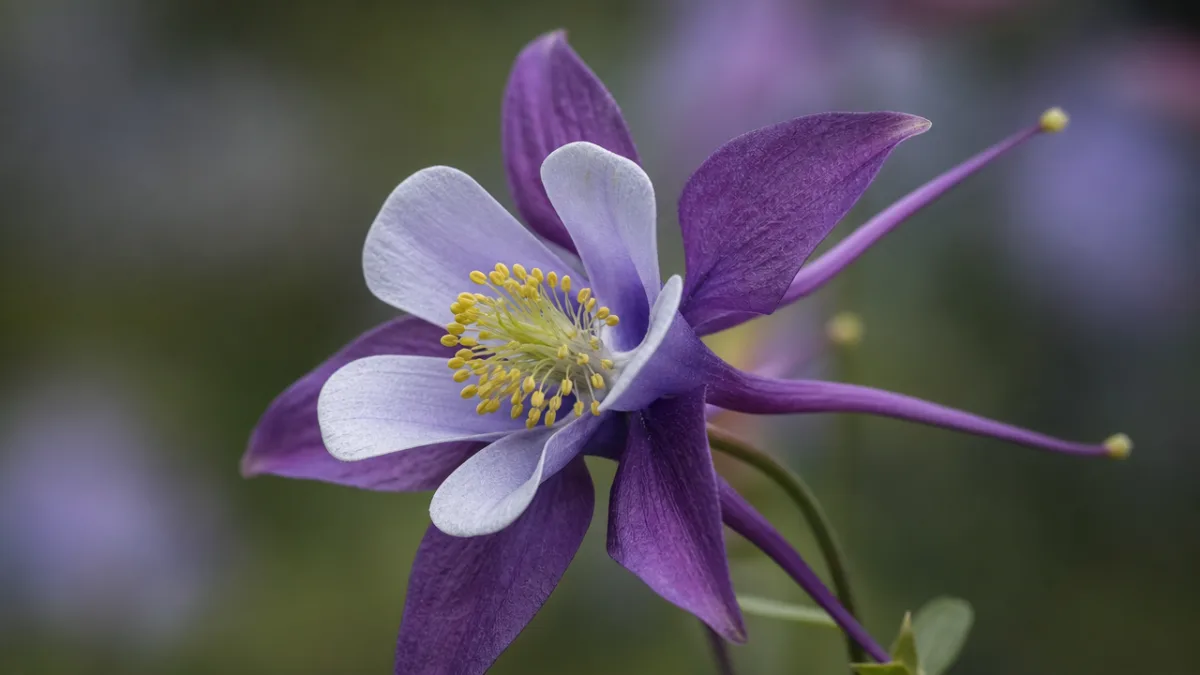
The genus Aquilegia encompasses over 70 species, ranging from compact alpine varieties to tall, stately cultivars that can reach heights of three feet or more. Colors span an extraordinary spectrum, from pure white and soft pastels to vivid reds, deep purples, and bicolored combinations that seem almost too beautiful to be real. This remarkable diversity means there is almost certainly an Aquilegia suited to every garden style, climate, and planting situation. Many modern hybrid cultivars have been developed to extend the color range and improve the plant’s performance in garden settings.
Beyond their visual appeal, columbines play an important ecological role in the garden. Their long nectar spurs evolved alongside specific pollinators, with different species attracting hummingbirds, long-tongued bumblebees, and hawk moths depending on the spur length and flower orientation. This ecological relationship makes columbines not just beautiful ornamentals but genuine contributors to local biodiversity. Planting them in your garden creates a welcoming habitat for pollinators at a time in spring when many other nectar sources are not yet available.
Understanding Aquilegia Varieties and Species
The world of Aquilegia is wonderfully diverse, offering gardeners an almost overwhelming selection of species and cultivars to explore. Among the most popular is Aquilegia vulgaris, the common European columbine, which has been cultivated in gardens for hundreds of years and forms the genetic foundation for many of today’s hybrid varieties. Its nodding, bonnet-shaped flowers typically come in shades of blue, purple, and white, and it naturalizes beautifully in informal garden settings, self-seeding generously to create naturalistic drifts over time.
North American species bring their own distinct character to the garden. Aquilegia canadensis, the Eastern red columbine, produces striking red and yellow blooms that are particularly beloved by ruby-throated hummingbirds. Aquilegia caerulea, the Colorado blue columbine and the state flower of Colorado, offers large, sky-blue and white blooms with exceptionally long spurs. These native species are invaluable for wildlife gardens and tend to be very well adapted to local conditions, often requiring less supplemental care than their European or hybrid counterparts.
For gardeners interested in a more dramatic display, the modern hybrid series such as the McKana Giants and the Songbird Series offer blooms of exceptional size and color range. These hybrids frequently display the bicolored patterns that columbines are famous for, with contrasting sepals and petals creating layered, jewel-like effects. Dwarf varieties like Aquilegia flabellata ‘Nana’ are perfectly suited to rock gardens, container planting, and the front edges of borders, where their compact form and charming blooms can be appreciated up close without overwhelming neighboring plants.
How to Grow Columbine from Seed
Growing columbines from seed is one of the most rewarding and economical ways to establish these plants in your garden. The process requires a little patience, as Aquilegia seeds benefit greatly from a period of cold stratification to break dormancy and encourage uniform germination. You can sow seeds directly outdoors in autumn, allowing winter temperatures to naturally provide this stratification period, or you can simulate the process indoors by placing moistened seeds in a sealed bag with some damp sand and refrigerating them for four to six weeks before sowing in late winter or early spring.
When sowing indoors, use a well-draining seed-starting mix and sow seeds thinly on the surface, pressing them gently into the medium without covering them deeply, as they require light for germination. Maintain consistent moisture and a temperature of around 65 to 70 degrees Fahrenheit. Germination can take anywhere from three to four weeks and may be somewhat erratic, so patience is essential. Once seedlings develop their second set of true leaves, they can be carefully pricked out and transplanted into individual cells or small pots to continue growing on before transplanting outdoors after the last frost date has passed.
Direct sowing in the garden is often the simplest approach and takes advantage of the columbine’s natural tendency to self-seed. Prepare a seedbed by raking the soil to a fine tilth, scatter the seeds thinly across the surface, and tamp them down lightly. Keep the area consistently moist until germination occurs. Plants started from seed in the current season will typically produce their first blooms the following spring, as columbines are biennials in their first growing cycle before establishing as true perennials. This delay is well worth the wait for the long-lasting display they provide.
Planting Columbines in Your Garden
Choosing the right location is fundamental to the long-term success of your columbine plants. Aquilegia thrives in a position that receives full sun to partial shade, making it one of the more versatile perennials for the garden. In warmer climates, afternoon shade is particularly beneficial, protecting the foliage from scorching and extending the flowering season considerably. In cooler regions, a sunnier position will encourage stronger growth and more prolific blooming. A spot that receives dappled light filtering through the canopy of deciduous trees is often ideal, mimicking the woodland edge habitat where many species naturally occur.
Soil preparation before planting will set your columbines up for long-term success. These plants prefer a moist but well-drained soil enriched with organic matter. Heavy clay soils should be improved by incorporating generous quantities of garden compost or well-rotted leaf mold to improve drainage and prevent root rot, which can be a significant problem in waterlogged conditions. Conversely, very sandy soils benefit from the addition of compost to improve moisture retention. Columbines are generally tolerant of a range of soil pH levels but perform best in slightly acidic to neutral conditions, roughly between pH 6.0 and 7.0.
When transplanting young columbines, handle the roots gently as they have a taproot system that dislikes disturbance. Space plants approximately 12 to 18 inches apart to allow for good air circulation and to accommodate their mature spread. Firm the plants in well and water thoroughly after planting to eliminate air pockets around the roots. A layer of mulch applied around but not directly against the crown of the plant will help retain soil moisture, suppress competing weeds, and moderate soil temperature fluctuations, all of which contribute to a healthier, more vigorous plant. Avoid deep planting, as burying the crown can lead to crown rot.
Columbines are excellent plants for layered planting schemes. Consider these ideal companion plants that thrive under similar conditions:
- Bleeding heart (Dicentra spectabilis) — shares a preference for partial shade and blooms at a similar time, creating a beautiful woodland tableau
- Hostas — their bold foliage provides an excellent contrast to the delicate columbine blooms and fills space after flowering is complete
- Ferns — create a lush, naturalistic backdrop and help disguise the columbine’s tendency to look tatty after blooming
- Forget-me-nots (Myosotis) — make excellent ground-level companions in blue shades that complement most columbine colors beautifully
- Salvia nemorosa — provides complementary vertical interest and continues flowering after columbines have finished their display
Caring for Aquilegia Throughout the Growing Season
Once established, columbines are remarkably undemanding plants that reward minimal attention with generous seasonal displays. Watering requirements are moderate; established plants have reasonable drought tolerance thanks to their deep taproot system, but they perform best with consistent moisture throughout the growing season, particularly during dry spells in spring and early summer when they are actively growing and flowering. A deep watering once or twice a week during dry periods is preferable to frequent shallow watering, as this encourages the roots to grow downward and makes the plant more self-sufficient over time.
Feeding columbines does not need to be complicated. A balanced, slow-release granular fertilizer applied in early spring as new growth emerges is usually sufficient to fuel a strong flowering season. Alternatively, a light top-dressing of well-rotted compost around the plants in spring serves the dual purpose of feeding the soil and improving its structure. Avoid applying high-nitrogen fertilizers, as these tend to encourage lush leafy growth at the expense of flower production. If your soil is naturally rich, supplemental feeding may not be necessary at all, as columbines are not heavy feeders.
Deadheading spent blooms can extend the flowering period and prevent the plant from setting excessive seed, which can be useful for controlling where columbines self-seed in your garden. However, leaving some seedheads to mature and drop their seeds naturally is a wonderful way to allow the plants to naturalize and spread, creating the charming informal drifts that columbines are known for. Be aware that if you grow several different varieties in close proximity, cross-pollination will occur and the resulting seedlings may not come true to the parent plant, though the unexpected hybrid results are often very attractive in their own right.
Managing Common Pests, Diseases, and Problems
While columbines are relatively trouble-free plants, they are susceptible to a handful of pests and diseases that gardeners should be aware of. Leaf miners are arguably the most common and visible problem, with the larvae of small flies tunneling through the leaf tissue and leaving pale, winding trails across the foliage. While unsightly, leaf miner damage is rarely serious enough to threaten the health of the plant. The simplest management strategy is to remove and dispose of badly affected leaves promptly, and to cut back the entire plant after flowering, which removes the overwintering pupae and encourages fresh, clean new growth.
Powdery mildew can affect columbines, particularly during periods of warm days and cool nights combined with dry soil conditions and poor air circulation. The white powdery coating affects the appearance of the foliage but rarely causes serious harm to the plant. Improving air circulation by ensuring adequate spacing between plants, avoiding wetting the foliage when watering, and keeping the soil consistently moist rather than allowing it to dry out completely are all effective preventive measures. Severely affected plants can be cut back to the ground after flowering, and they will typically regenerate with healthy new foliage.
Aphids may occasionally cluster on new growth and flower stems, but natural predators such as ladybirds and lacewings usually keep populations in check in a healthy garden ecosystem. A strong jet of water from the hose is often sufficient to dislodge them. Crown rot can occur in poorly drained soils or where plants are set too deep; ensuring proper drainage and correct planting depth is the best prevention. Vine weevil grubs can damage roots in containers, so inspect the root ball of potted plants regularly. The following preventive practices will help keep your columbines in excellent health:
- Cut plants back hard after flowering to remove pest and disease habitat and encourage fresh foliage
- Ensure adequate plant spacing for good air circulation throughout the growing season
- Water at the base of plants rather than overhead to reduce foliar disease pressure
- Keep the garden clear of plant debris where pests can overwinter
- Rotate new plantings if you have experienced significant disease problems in the same location previously
Propagation, Division, and Long-Term Garden Management
Understanding the lifecycle of columbines is key to managing them successfully over the long term. As short-lived perennials, individual plants typically remain vigorous for three to five years before their performance begins to decline. Rather than viewing this as a problem, experienced gardeners embrace it as an opportunity, using the plant’s generous self-seeding habit to maintain a constant supply of vigorous young plants. Allowing selected plants to set seed and self-sow naturally is the simplest and most effective long-term management strategy, ensuring a continuous succession of fresh plants without the need for deliberate propagation efforts.
For gardeners who wish to propagate named varieties or maintain specific color forms, division offers a more controlled approach, though it is somewhat more challenging with columbines than with many other perennials due to their taproot system. Division is best attempted in early spring or early autumn, when the plant is not under heat stress. Dig the entire plant carefully and use a sharp, clean knife to divide the crown into sections, ensuring each division has a good portion of root and several growth buds. Replant divisions promptly at the correct depth, water them thoroughly, and keep them consistently moist until they are re-established in their new positions.
Collecting seed from your favorite columbines is straightforward and deeply satisfying. As the seedpods begin to brown and dry toward the end of summer, cut the stems and place the seedheads upside down into a paper bag. Leave the bag in a warm, dry location for a week or two and the seeds will drop naturally into the bag as the pods fully ripen and open. Store the collected seeds in labeled paper envelopes in a cool, dry place until you are ready to sow them. Remember that seeds from hybrid varieties will produce variable offspring, which is part of the joy of growing columbines, as you may discover unexpectedly beautiful new color combinations among the seedlings.
Over time, a well-managed planting of columbines can become one of the most characterful and self-sustaining elements of the garden. The combination of their ethereal spring flowers, their ecological value to pollinators, their tolerance of partial shade, and their easygoing nature in terms of care requirements makes them an outstanding choice for gardens of all sizes and styles. Whether you choose to grow a single treasured species in a pot or allow a diverse mix of hybrids to naturalize freely through a woodland border, Aquilegia will repay your investment of time and attention many times over with seasons of incomparable beauty.








What do you think?
It is nice to know your opinion. Leave a comment.