










How to Grow and Care for ‘Silver Mound’ Artemisia
Introduction to Silver Mound Artemisia
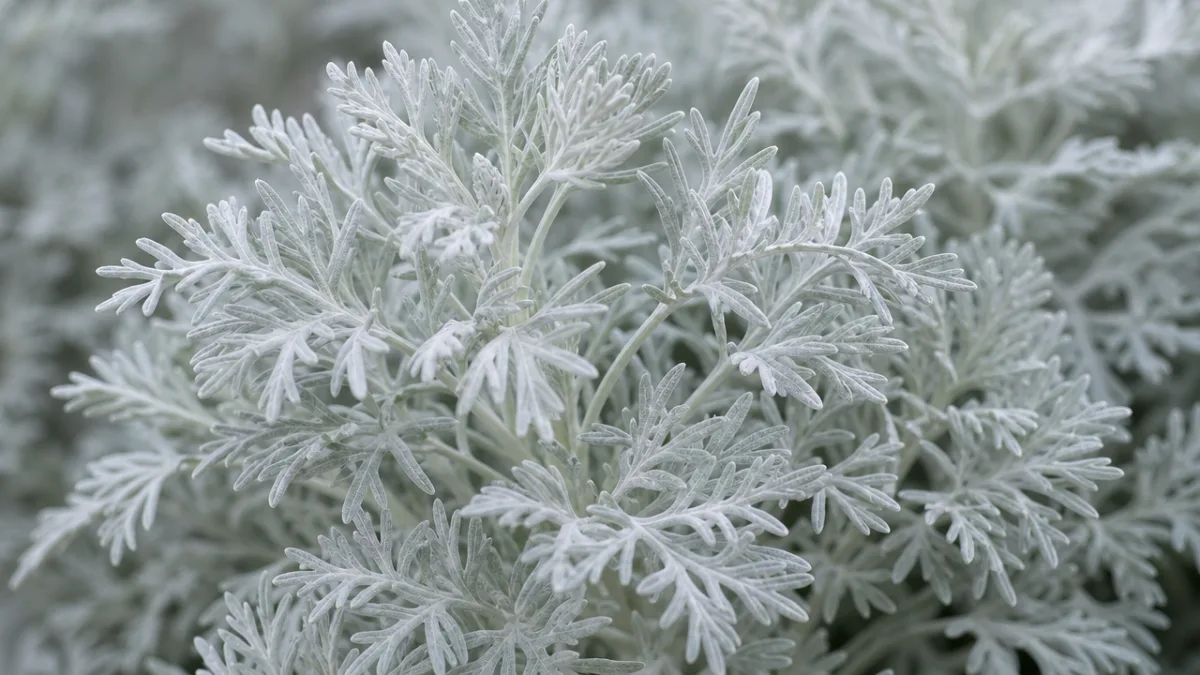
Silver Mound Artemisia, known botanically as Artemisia schmidtiana ‘Silver Mound’, is one of the most beloved ornamental foliage plants in temperate gardens. Prized primarily for its soft, feathery silver-gray leaves and its distinctive mounding habit, this perennial brings a luminous, almost ethereal quality to any planting scheme. Whether used as a border edging, a contrast plant among bold-colored flowers, or a standalone specimen in a rock garden, Silver Mound earns its place through sheer visual elegance and remarkable adaptability to challenging growing conditions.
Native to the mountains of Japan, Silver Mound Artemisia belongs to the large and diverse Asteraceae family, which includes sunflowers, daisies, and chrysanthemums. The genus Artemisia itself encompasses hundreds of species, many of which have been used historically for culinary, medicinal, and aromatic purposes. While Silver Mound is grown almost exclusively for ornamental reasons, it carries the characteristic pungent, slightly medicinal scent that is the hallmark of the artemisia clan, making it moderately deer and rabbit resistant — a welcome bonus in gardens where wildlife browsing is a persistent problem.
The plant forms a tidy, symmetrical dome of finely divided, silver-white foliage typically reaching eight to twelve inches tall and spreading twelve to eighteen inches wide. Its compact, cushion-like form makes it an exceptional textural contrast in mixed borders, where its softness beautifully offsets the bold shapes of ornamental grasses, sedums, or upright perennials. Understanding the conditions that allow Silver Mound to thrive is the first step toward growing a specimen that maintains its signature neat, mounded shape year after year without becoming leggy or splitting open at the center.
Ideal Growing Conditions and Site Selection
Choosing the right location is arguably the single most important factor in the long-term success of Silver Mound Artemisia. This plant is a child of the mountains, adapted to open, sunny slopes with excellent drainage and relatively lean soils. It performs best in full sun, requiring a minimum of six hours of direct sunlight each day. In shadier conditions, the plant tends to become loose and open, losing its characteristic tight mound shape and producing fewer of the silver trichomes that give its foliage its brilliant metallic sheen. A south- or west-facing bed that receives abundant sunshine is typically ideal.
Soil drainage is perhaps even more critical than sunlight. Silver Mound Artemisia will not tolerate wet feet under any circumstances. Heavy clay soils that remain waterlogged after rain are almost certain to cause root rot, leading to the rapid decline and death of the plant. Well-draining sandy or loamy soils are strongly preferred. If your garden soil is predominantly clay, consider amending it generously with coarse sand, perlite, or fine gravel before planting, or raise the planting bed by six to eight inches to ensure water moves away from the root zone quickly. Raised beds and slopes are naturally excellent sites for this plant.
One of the more counterintuitive aspects of growing Silver Mound successfully is that it actually prefers poor to moderately fertile soil. Rich, heavily amended soils or those regularly fertilized with nitrogen-heavy products encourage rapid, lush growth that undermines the plant’s compact form, leading to the dreaded “open center” problem where the mound splits apart and collapses in the middle. For this reason, Silver Mound thrives in conditions where many other perennials would struggle — gravelly borders, rock gardens, dry slopes, and xeriscape plantings are all environments where it excels without the need for significant soil improvement or ongoing fertilization.
Planting Silver Mound Artemisia
Silver Mound Artemisia can be planted in spring or fall, though spring planting after the last frost gives young plants the longest possible growing season to establish their root systems before facing the stresses of summer heat or winter cold. When purchasing plants from a nursery, look for specimens with firm, well-filled-out mounds and a healthy silver color throughout. Avoid plants that already show signs of center die-out or browning, as these may be stressed and less likely to establish vigorously in your garden.
Prepare the planting hole to approximately the same depth as the nursery container and about twice as wide. If your native soil drains well and is not overly rich, you can backfill with the same soil without amendment. Place the plant at the same level it was growing in its container — planting too deeply can invite crown rot, while planting too shallowly may expose roots and reduce establishment. After settling the plant in the hole, firm the soil gently around the root ball and water thoroughly to eliminate air pockets and initiate root-to-soil contact.
Spacing is an important consideration when planting Silver Mound in a border or mass planting. Allow at least twelve to eighteen inches between plants to accommodate their mature spread and to ensure adequate air circulation around each specimen. Good airflow is essential for reducing foliar disease pressure, particularly in humid climates where powdery mildew and fungal issues can sometimes arise. Mulching around plants with a light layer of gravel or pea stone rather than organic mulch helps keep the crown dry, reflects heat away from the root zone, and complements the silver foliage aesthetically.
Watering, Fertilizing, and Ongoing Maintenance
Once established — typically after the first full growing season — Silver Mound Artemisia is impressively drought tolerant and requires very little supplemental irrigation. During the establishment phase, however, consistent moisture is important to help the root system develop. Water newly planted specimens deeply once or twice per week, allowing the soil to dry out partially between waterings. Avoid light, frequent watering that keeps the soil surface perpetually moist, as this encourages shallow rooting and increases the risk of fungal disease at the crown level.
After establishment, reduce watering significantly. In most temperate climates with regular rainfall, mature Silver Mound plants need little to no supplemental irrigation except during prolonged dry spells. When you do water, do so at the base of the plant rather than overhead, as wetting the foliage in humid conditions can promote fungal issues and may temporarily diminish the silver appearance of the leaves. Drip irrigation or a soaker hose is ideal. Always allow the soil to dry thoroughly between watering sessions — this plant is far more likely to be harmed by overwatering than by underwatering.
Fertilization should be minimal or avoided entirely for most garden situations. As noted earlier, excessively fertile soil undermines the plant’s compact form. If your soil is exceptionally poor and plants show signs of nutrient deficiency such as pale, undersized foliage, a single light application of a balanced, slow-release granular fertilizer in early spring is sufficient. Beyond that, Silver Mound does not require or benefit from routine feeding programs. Resist the temptation to treat it like more demanding perennials; less intervention generally yields better results with this plant.
The primary maintenance task for Silver Mound Artemisia is trimming to maintain its shape and prevent it from opening up at the center. Many gardeners shear plants back by one-third to one-half in midsummer, just as or slightly before the small, inconspicuous yellow flowers begin to form. This hard shearing reinvigorates the foliage, tightens the mound, and prevents the plant from putting energy into seed production. The following key practices will help keep your plant looking its best throughout the season:
- Shear plants back by one-third to one-half in midsummer to maintain compact form and encourage fresh silver growth.
- Remove any dead or brown foliage from the center of the mound promptly to improve air circulation and appearance.
- Avoid overhead watering and crowding, which promote the humid conditions that can lead to crown rot or foliar fungal issues.
- Cut plants back to within a few inches of the ground in late fall or early spring to remove winter-damaged growth and stimulate new development.
- Divide established clumps every two to three years in spring to reinvigorate plants that have developed persistent open centers.
Dealing with Common Problems and Pests
Silver Mound Artemisia is generally a robust, trouble-free plant when grown in appropriate conditions, but a handful of problems can arise when site conditions are less than ideal. The most frequently encountered issue is the splitting or collapsing of the mound — an aesthetic problem rather than a health crisis, but one that significantly diminishes the plant’s ornamental appeal. This occurs when the plant grows too rapidly due to rich soil or excess moisture, when it is planted in too much shade, or when it is not sheared back during the growing season. The remedy is a combination of better site management and timely pruning.
Root rot caused by poorly draining soil or overwatering is the most serious health problem Silver Mound commonly faces. Affected plants may suddenly wilt and fail to recover even when watered, or they may show brown, mushy tissue at the base of the stems. Unfortunately, once root rot is advanced, the plant is typically beyond saving. The best approach is prevention: choose a well-draining site, avoid overwatering, and consider planting on a slight slope or in a raised bed if your native soil is heavy. If you suspect root rot is beginning, reduce irrigation immediately and improve drainage around the affected plant.
In terms of pest pressure, Silver Mound is quite resistant to most common garden insects. The aromatic compounds in its foliage deter deer, rabbits, and many insect pests. However, aphids may occasionally colonize new growth, particularly in spring when tender shoots are emerging. A strong blast of water from a garden hose is usually sufficient to dislodge aphid populations, and established plants recover quickly from minor infestations without requiring chemical intervention. Spider mites can sometimes be a problem in hot, dry conditions, but good garden hygiene and occasional light irrigation of the foliage during dry spells generally keeps populations in check.
Propagation and Landscape Uses
Propagating Silver Mound Artemisia is a straightforward process that most gardeners can accomplish successfully through division or stem cuttings. Division is the most reliable method and has the added benefit of reinvigorating older clumps that have become woody or developed persistent open centers. In early spring, just as new growth begins to emerge, use a sharp spade or garden fork to lift the entire clump from the ground. Divide it into sections, each containing several healthy shoots and a portion of the root system, and replant the divisions immediately at the same depth they were previously growing. Water well and keep divisions consistently moist until new growth confirms successful establishment.
Stem cuttings taken in early summer are another effective propagation method, particularly useful for producing larger quantities of plants. Take cuttings of four to six inches from non-flowering shoot tips, remove the lower leaves, and dip the cut ends in rooting hormone powder. Insert the prepared cuttings into a tray or pot filled with a well-draining medium such as coarse sand mixed with perlite. Keep the medium moist but not wet, provide bright indirect light, and roots should form within three to four weeks. Once rooted, gradually acclimatize young plants to outdoor conditions before transplanting them to their permanent garden location.
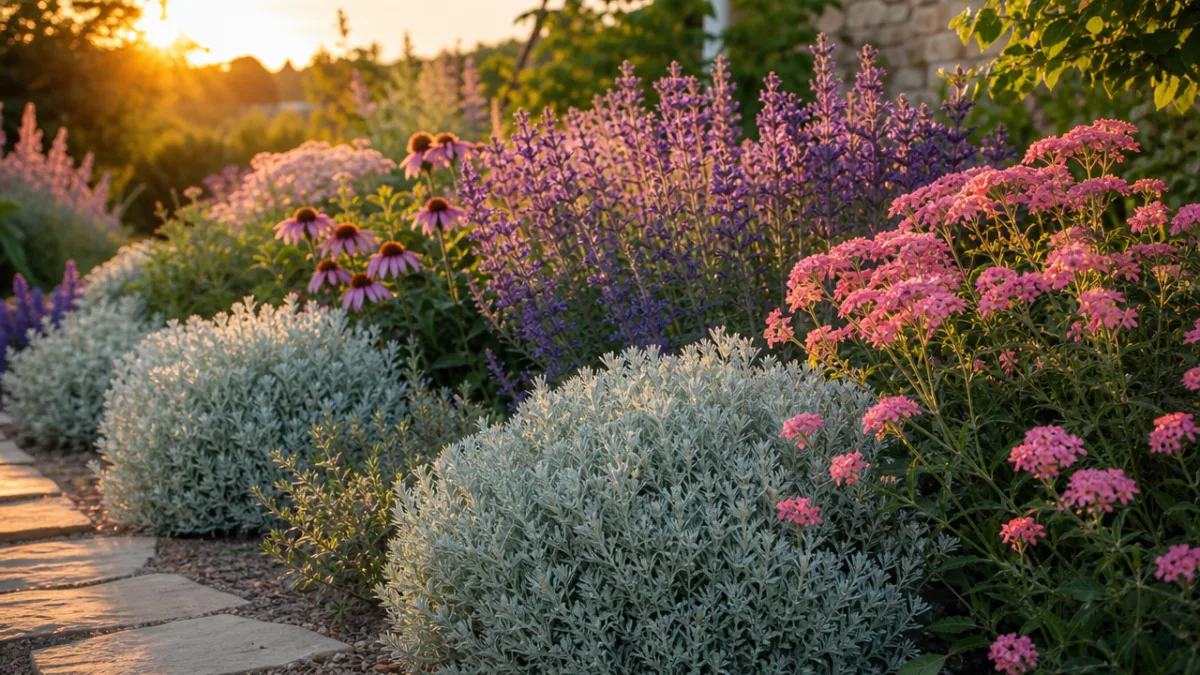
In the landscape, Silver Mound Artemisia is extraordinarily versatile. Its silver-white foliage acts as a natural bridge between plants of different colors, harmonizing bold combinations that might otherwise clash. Consider pairing it with deep purple ornamental salvias, vivid orange or red daylilies, or soft pink catmint for stunning color contrasts. It is equally effective planted en masse as a low-maintenance ground cover on sunny slopes, or used as a formal edging along pathways and borders. The following are some of the most popular and effective landscape applications for this outstanding plant:
- Border edging: Plant in a continuous row along the front of a mixed border to create a clean, softening silver edge that defines the planting bed and ties together diverse plantings behind it.
- Rock gardens: Silver Mound’s preference for lean, well-draining soil makes it a natural companion for alpine plants, sedums, and ornamental grasses in rock garden settings.
- Xeriscape plantings: Its drought tolerance once established makes it an ideal candidate for water-wise garden designs, particularly when combined with lavender, Russian sage, and ornamental alliums.
- Container gardening: Planted in a large terracotta pot with excellent drainage, Silver Mound creates a striking focal point on a sunny patio or deck, especially when combined with trailing plants that drape over the container’s edges.
- Moon gardens: The luminous silver foliage reflects ambient and moonlight beautifully, making Silver Mound a standout choice for white and silver-themed garden rooms designed to be enjoyed in the evening.
Whatever role you assign it in your garden, Silver Mound Artemisia consistently delivers elegance, textural interest, and a cool, calming quality that few other plants can match. Its ease of care, pest resistance, drought tolerance, and exceptional foliage make it one of the most rewarding perennials a gardener can grow. With the right site conditions and a modest amount of seasonal attention, a single Silver Mound plant can provide years — even decades — of beautiful, low-maintenance ornamental value in the landscape.
Winter Care and Seasonal Considerations
Silver Mound Artemisia is a hardy perennial, typically rated for USDA hardiness zones 3 through 8, making it suitable for a remarkably wide range of climates. In colder zones, the plant dies back to the ground in late autumn and re-emerges from its root crown in spring with reliable consistency. Understanding how to manage the plant through its seasonal transitions ensures it enters each new growing season in the best possible condition and maintains vigor over many years without the need for frequent replacement.
In late fall, after the first hard frosts have killed back the foliage, you have two options: cut the plant to within two to three inches of the ground immediately, or leave the dried stems standing through winter and cut them back in early spring. In colder climates, leaving some stem structure through winter provides a small degree of insulation for the crown and can help trap beneficial snow cover. In milder zones or areas with wet winters, cutting back in fall and allowing the crown to remain dry and open to airflow may reduce the risk of fungal problems developing at the base of the plant during the dormant period.
In spring, as soon as the danger of hard frost has passed and soil temperatures begin to warm, new silver growth will emerge from the crown. This is an excellent time to perform any necessary division, apply a light dressing of gravel mulch if desired, and assess the overall health and form of the plant. Some gardeners apply a very light, single application of a balanced slow-release fertilizer at this stage if plants appear weak or if the soil is known to be particularly nutrient-poor, though in most cases, healthy Silver Mound plants need no such encouragement. Embrace the natural rhythm of this plant’s seasons, provide the simple care it requires, and it will reward you with season after season of incomparable silver beauty.








What do you think?
It is nice to know your opinion. Leave a comment.