










Calceolaria: The Enchanting Pouch Flower — A Complete Guide
Introduction to Calceolaria: Nature’s Living Purse
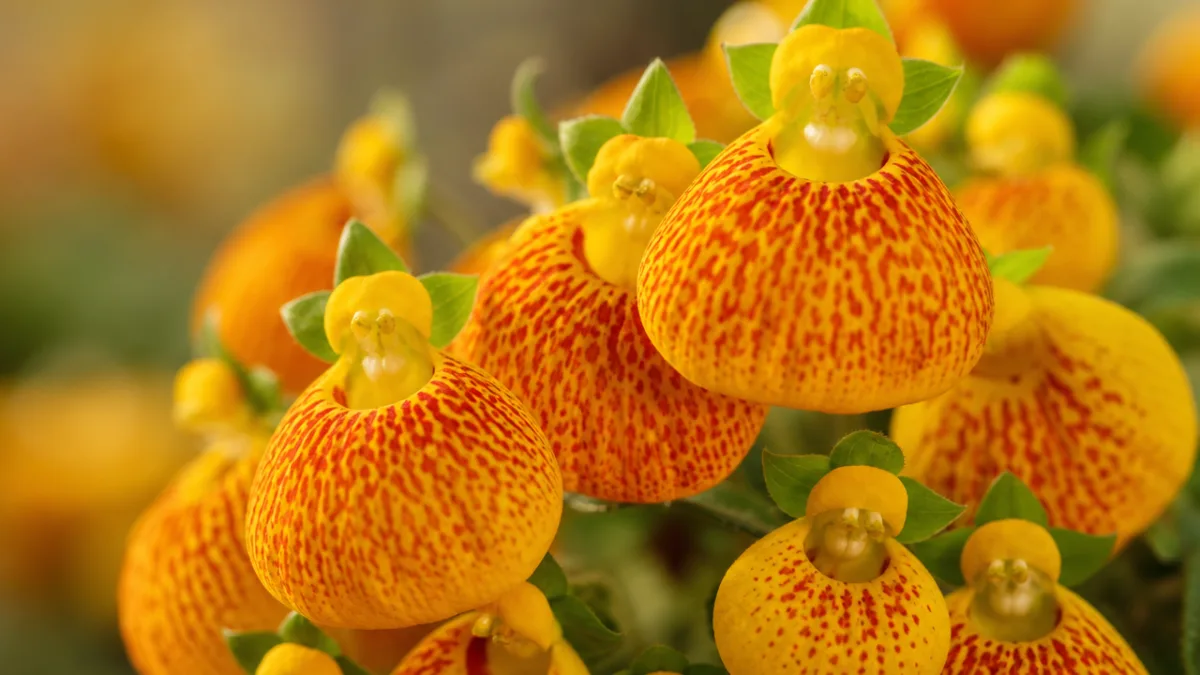
Calceolaria, commonly known as the Pouch Flower or Slipper Flower, is one of the most visually distinctive and captivating flowering plants in the horticultural world. Its name derives from the Latin word calceolus, meaning “little shoe” or “slipper,” a reference to the plant’s extraordinary inflated, pouch-like blooms that immediately catch the eye and spark curiosity. These remarkable flowers appear almost too perfect to be natural, resembling tiny purses or shoes crafted from the finest silk, and they come in a dazzling array of colors ranging from vivid yellows and oranges to deep reds and purples, often splashed with contrasting spots and freckles.
Native primarily to Central and South America, with the greatest concentration of species found in Chile and Colombia, Calceolaria encompasses a surprisingly diverse genus of over 300 recognized species. These plants have adapted to a wide range of natural environments, from high-altitude Andean meadows to temperate coastal regions, which partly explains the variation in cultivation requirements observed across different varieties. The genus belongs to the family Calceolariaceae, which was previously classified under Scrophulariaceae, and its taxonomic history reflects the ongoing scientific effort to better understand relationships among flowering plants.
The appeal of Calceolaria extends far beyond its unusual flower shape. Gardeners and plant enthusiasts around the world prize these plants for their long blooming season, their suitability for container gardening, and their ability to transform any space — whether an indoor windowsill or an outdoor patio — into a colorful, eye-catching display. Despite a reputation for being somewhat challenging to grow, especially in warmer climates, the rewards of successfully cultivating a thriving Calceolaria plant are immense, and with the right knowledge and care, these plants can be both accessible and deeply satisfying to grow.
Botanical Characteristics and Varieties
The defining characteristic of Calceolaria is undoubtedly its flower, which features a dramatically enlarged lower lip that forms the distinctive inflated pouch from which the plant takes its common names. This pouch is actually a highly evolved adaptation designed to attract specific pollinators, particularly oil-collecting bees of the genus Centris in its native South American habitat. The upper lip of the flower is much smaller and often serves as a landing platform for visiting insects, while the pouch itself stores floral oils rather than nectar, making it uniquely specialized in the pollination strategies of the plant kingdom.
Among the most popular and widely cultivated groups is Calceolaria × herbeohybrida, a complex hybrid group developed through centuries of selective breeding from several wild South American species. These hybrids, often sold simply as “Calceolaria” or “Pocketbook Plant” in garden centers, are typically grown as annuals or cool-season potted plants and are celebrated for their enormous, richly colored flower clusters. The blooms of these hybrids can range from solid bright yellow or orange to richly bicolored combinations featuring bold spots, streaks, or contrasting blotches that give each plant an almost painterly quality.
Beyond the popular hybrids, the genus includes several species of particular interest to collectors and botanical enthusiasts. Calceolaria integrifolia is a shrubby perennial species from Chile that produces masses of small, bright yellow flowers over an exceptionally long season and is more tolerant of warmer conditions than many of its relatives. Calceolaria uniflora, known as Darwin’s Slipper Orchid, is a fascinating alpine species that produces solitary flowers with a white patch bearing dark spots — an adaptation that attracts the bird species that pollinates it in its Patagonian homeland. Each species tells a story of remarkable evolutionary adaptation tailored to specific ecological niches.
- Calceolaria × herbeohybrida: Popular florist hybrid with large, showy pouched flowers in mixed colors; ideal as a short-term indoor display plant in cool rooms.
- Calceolaria integrifolia: Shrubby perennial producing abundant small yellow flowers; more heat-tolerant and suited to outdoor gardens in mild climates.
- Calceolaria uniflora: Alpine species with distinctive single flowers; a collector’s gem adapted to high-altitude conditions.
- Calceolaria biflora: A low-growing perennial with cheerful yellow flowers, native to southern South America and suitable for rock gardens.
- Calceolaria crenatifolia: One of the wild ancestors of many modern hybrids, with graceful yellow blooms and attractive foliage.
Growing Conditions and Environmental Requirements
Understanding the natural habitat of Calceolaria is the key to providing it with the right growing conditions in a cultivated setting. Most species and hybrids originate from cool, mountainous regions with moderate humidity, and they therefore perform best in environments that replicate these conditions as closely as possible. The critical factor for most Calceolaria is temperature: these plants strongly prefer cool conditions, typically thriving in daytime temperatures between 10°C and 18°C (50°F to 65°F), and they will deteriorate rapidly if subjected to prolonged heat above 24°C (75°F). This makes them ideal for late winter and spring cultivation in temperate regions, or for use as cool-season annuals in areas with mild winters.
Light requirements vary somewhat between species and growing situations, but as a general rule, Calceolaria prefers bright, indirect light rather than harsh direct sun. Indoors, a north- or east-facing windowsill that receives good ambient light without intense afternoon rays is typically ideal. Outdoors, a position with dappled shade or morning sun and afternoon shade tends to produce the best results, protecting the flowers from fading and the leaves from scorching. In their native Andean habitats, many species grow in positions that receive high-altitude sunlight filtered through cloud cover for much of the day, giving us a useful guide to their natural light preferences.
Humidity is another factor that significantly influences the health and longevity of Calceolaria plants. These plants appreciate moderate to moderately high humidity levels, particularly when grown indoors in heated rooms where the air can become very dry. However, it is important to ensure that good air circulation accompanies any increased humidity, as stagnant moist conditions can quickly lead to fungal diseases such as botrytis, which can devastate a plant rapidly. Grouping plants together, using humidity trays filled with pebbles and water, or gently misting the surrounding air (rather than the foliage directly) are all effective strategies for maintaining appropriate moisture levels.
Soil and Potting Media
Calceolaria performs best in a well-draining, slightly acidic potting medium that retains enough moisture to prevent the roots from drying out while never becoming waterlogged. A high-quality peat-based or coir-based potting mix enriched with perlite or coarse sand in a ratio of approximately three parts mix to one part drainage material provides an excellent growing medium for potted specimens. The slightly acidic pH that these amendments create — ideally between 5.5 and 6.5 — mirrors the naturally acidic soils of many South American highland environments and encourages optimal nutrient uptake by the plant’s root system.
When planting Calceolaria in containers, choosing a pot of the appropriate size is important for both aesthetics and plant health. These plants prefer to be somewhat snug in their containers, and an excessively large pot can lead to waterlogging and root rot as the excess soil retains moisture far beyond the plant’s ability to absorb it. A container with ample drainage holes is absolutely essential, and placing a layer of coarse gravel or broken terracotta pieces at the bottom of the pot further improves drainage. Repotting is rarely necessary for the hybrid varieties grown as annuals, but perennial species benefit from being moved into fresh growing medium each spring.
Watering Practices
Watering Calceolaria correctly is one of the most important aspects of successful cultivation and one of the areas where many growers encounter difficulties. The golden rule is to keep the growing medium consistently moist but never saturated, allowing the top centimeter or two of soil to dry slightly between waterings. Overwatering is by far the most common cause of failure with these plants, quickly leading to root rot and the collapse of the entire plant. When watering, it is best to apply water to the base of the plant or from below by standing the pot in water briefly, rather than pouring water directly onto the rosette of leaves, which can cause rotting at the crown.
Planting, Propagation, and Cultivation Techniques
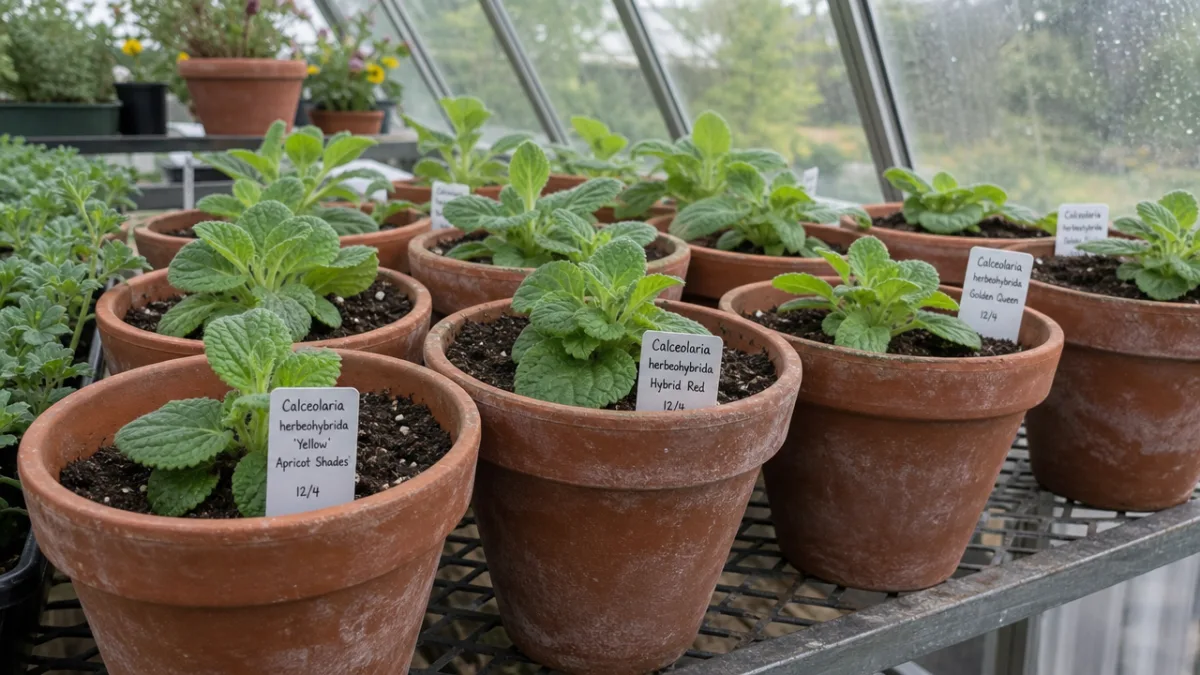
Calceolaria can be propagated from seed or cuttings, though the method chosen depends on the type being grown and the grower’s goals. Growing from seed is the traditional approach for the large-flowered hybrid varieties, which are typically started in late summer or early autumn for winter and spring flowering displays. The seeds are extremely fine — almost dust-like — and require careful handling to ensure even distribution during sowing. They should be scattered on the surface of a fine, moistened seed-starting medium without being covered, as they require light to germinate. Maintaining a consistent temperature of around 18°C (65°F) during germination, which typically occurs within two to three weeks, produces the best results.
Vegetative propagation through stem cuttings is the preferred method for perennial species such as Calceolaria integrifolia, as it allows exact replication of desirable parent plants and tends to produce flowering plants more quickly than seed propagation. Softwood cuttings of approximately 7 to 10 centimeters taken in spring or early summer root readily in a mixture of perlite and moist coir when kept in a humid environment at temperatures between 15°C and 20°C (59°F to 68°F). Once rooted, the young plants should be gradually acclimatized to lower humidity levels before being potted on into their final growing containers. This method is particularly useful for maintaining a collection of named varieties with specific color forms.
Pinching out the growing tips of young Calceolaria plants when they reach about 10 to 15 centimeters in height encourages bushier growth and a more abundant flower display. This simple technique redirects the plant’s energy from vertical growth into lateral branching, resulting in a more compact, floriferous specimen that is better suited to container display. As the plant matures and begins to set flower buds, feeding with a high-potassium fertilizer at half the recommended strength every two weeks will support prolific flowering and help maintain the deep, saturated colors that make Calceolaria blooms so striking.
- Sow seeds on the surface of fine, moist seed-starting medium in late summer, ensuring good light without direct sun.
- Maintain germination temperature at approximately 18°C and keep the medium consistently moist but not waterlogged.
- Prick out seedlings carefully once they develop their second set of true leaves, handling only by the leaves to avoid damaging delicate stems.
- Pot seedlings individually into small containers filled with well-draining acidic potting mix and grow on in cool, bright conditions.
- Begin feeding with a balanced liquid fertilizer once established, switching to a high-potassium formula as flower buds appear.
- Display in a cool, bright location away from heat sources and drafts for maximum bloom longevity.
Pest Management, Common Problems, and Plant Health
Like many ornamental plants, Calceolaria is susceptible to a range of pests and diseases that can undermine its health and reduce its ornamental value if not promptly identified and addressed. Aphids are among the most frequently encountered pests, often clustering on new growth, flower buds, and the undersides of leaves where they feed on plant sap and can transmit viral diseases. Regular inspection of plants, particularly during the active growing season, is the best early-warning system. Small aphid infestations can often be controlled by gently washing the affected areas with a stream of water or treating with a solution of insecticidal soap, while more severe infestations may require the use of systemic insecticides.
Whitefly is another common pest of Calceolaria, particularly on plants grown in greenhouse environments or warm indoor spaces. These tiny, moth-like insects rise in clouds from the foliage when disturbed and rapidly reproduce under warm conditions, producing large populations that can cause significant damage through sap-feeding and the deposition of honeydew on leaves, which subsequently encourages the growth of sooty mold fungi. Yellow sticky traps are useful both as a monitoring tool and as a physical control measure, while biological controls such as the parasitic wasp Encarsia formosa can provide effective long-term management in enclosed growing environments without the need for chemical pesticides.
Botrytis blight, caused by the fungus Botrytis cinerea, is perhaps the most serious disease threat to Calceolaria, particularly in cool, humid conditions with poor air circulation. Infected plant parts develop a soft, brown rot covered with grey, powdery fungal sporulation that can spread rapidly through an entire plant or a collection of plants. Prevention is far more effective than treatment and involves maintaining good air circulation around plants, avoiding wetting the foliage during watering, removing dead or dying plant material promptly, and ensuring that temperatures do not drop too low for extended periods. Fungicide applications containing iprodione or thiram can help manage established infections but should be considered a secondary measure rather than a substitute for good cultural practices.
Troubleshooting Common Issues
One of the most frequently reported problems with Calceolaria is wilting and collapse of the plant despite apparently adequate watering — a symptom that often indicates root rot caused by overwatering or poorly draining growing media. When this occurs, removing the plant from its container to inspect the roots is the first diagnostic step. Healthy roots should be white or light tan and firm, while rotted roots appear brown, black, and mushy. Affected roots should be trimmed away with a clean, sharp tool, and the remaining healthy root mass should be dusted with a fungicidal powder before being repotted into fresh, well-draining medium and watered sparingly until new growth resumes.
Yellowing of the lower leaves is a common occurrence in Calceolaria and can have several causes, including overwatering, underwatering, nutrient deficiency, or natural senescence as the plant ages and redirects resources to flowering. Determining the correct cause requires consideration of the overall growing conditions and recent care practices. If yellowing is accompanied by wet, heavy soil, overwatering is the likely culprit; if the soil is very dry and the leaves feel papery, insufficient water is the probable cause. A general-purpose, balanced liquid fertilizer applied at half strength can address mild nutrient deficiencies, while adjusting watering frequency usually resolves moisture-related yellowing within a week or two.
Uses in Garden Design and Interior Decoration
Calceolaria occupies a special place in both garden design and interior decoration owing to the extraordinary visual impact of its flowers and the versatility it offers as a display plant. In outdoor garden settings, the shrubby perennial species such as Calceolaria integrifolia and its cultivars make excellent additions to cottage-style borders, rock gardens, and mixed container plantings, where their long season of bright yellow flowers harmonize beautifully with blues, purples, and whites from companion plants such as salvias, lobelias, and petunias. Their compact habit and profuse flowering also make them excellent choices for hanging baskets and window boxes, where they create a cascading effect of cheerful color.
The large-flowered hybrid varieties are primarily used as indoor potted plants and are a staple of the late winter and spring florist trade in many countries. These plants make magnificent temporary display specimens for cool rooms, hallways, and conservatories, where their exotic blooms can be appreciated at close range. A single well-grown hybrid Calceolaria in full bloom, with dozens of richly colored, spotted pouches emerging from a mound of soft, crinkled foliage, creates a visual spectacle that few other potted plants can rival at the same time of year when outdoor color is still limited. They make thoughtful and unusual gifts that stand out from the more conventional options typically found in florists.
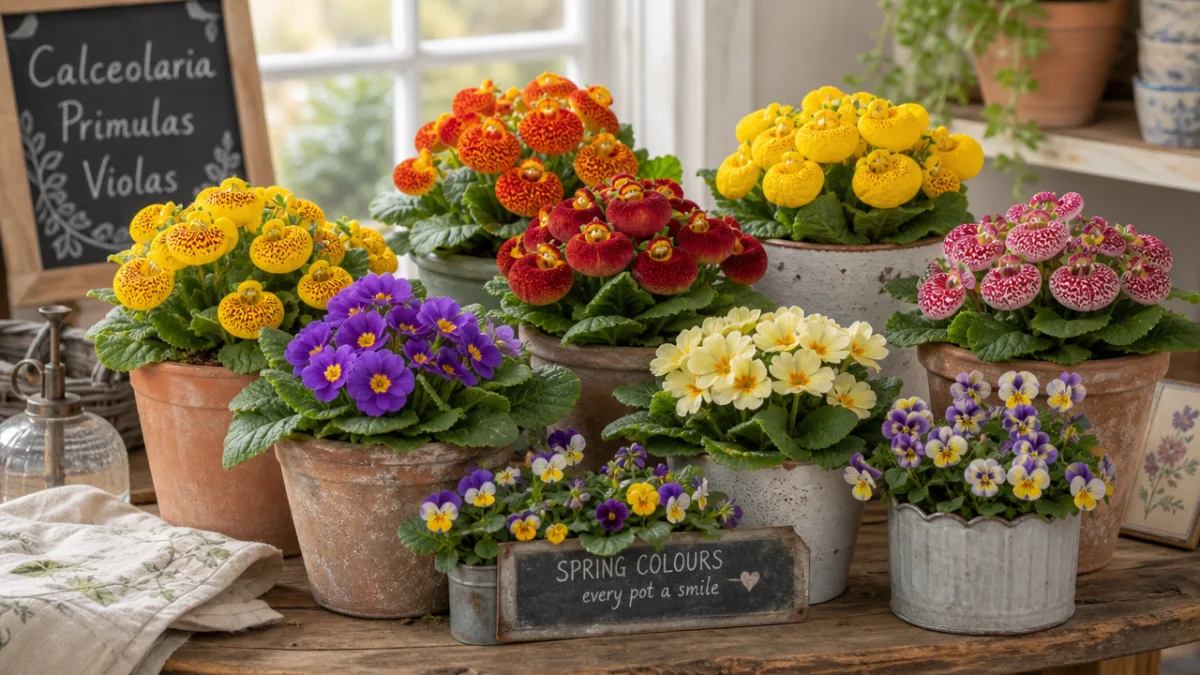
From a design perspective, the bold colors and unusual form of Calceolaria flowers invite creative combinations with complementary or contrasting plants and vessels. A yellow and brown spotted variety planted in a rich terracotta pot alongside dark-leaved Ajuga or deep purple violas creates a sophisticated, jewel-toned arrangement that feels both natural and deliberately composed. Alternatively, grouping several Calceolaria plants in different color forms within a single large decorative container produces a riotous, maximalist display that celebrates the full chromatic range of the genus. The plants’ relatively compact size also makes them ideal for small-space gardening, including apartment balconies, narrow windowsills, and tabletop arrangements where space is at a premium.
Companion Planting Suggestions
Selecting the right companion plants for Calceolaria enhances the visual impact of both the featured plant and its neighbors, and can also contribute to a healthier growing environment. Cool-season annuals and perennials that share similar temperature and moisture preferences make the most practical companions, ensuring that all plants in a mixed arrangement can be cared for under a consistent watering and fertilizing regime. Primulas, cyclamens, and violas are classic companions for indoor Calceolaria displays, sharing its preference for cool, bright conditions and providing complementary flower forms and colors that collectively create a rich, layered tapestry of bloom during the winter and early spring months.
For outdoor mixed plantings featuring the shrubby perennial species, ornamental grasses such as Festuca glauca provide an excellent textural contrast to Calceolaria’s soft, velvety foliage and rounded flower masses. The fine, silvery-blue blades of the fescue complement the bright yellows and oranges of the Calceolaria flowers without competing for visual attention, and both plants share preferences for well-drained growing conditions. Trailing plants such as Bacopa or Dichondra planted at the edges of containers can soften the overall composition and add a sense of natural abundance that makes even a relatively simple planting feel lush and fully realized.
Cultural History and Scientific Significance
The history of Calceolaria in Western horticulture stretches back to the eighteenth century, when European botanical explorers and collectors first encountered these extraordinary flowers during expeditions to South America. The Spanish botanist Juan Ignacio Molina described and named several Chilean species in his 1782 work Saggio sulla storia naturale del Chili, bringing systematic scientific attention to a genus that local indigenous peoples had long observed and used in their own ways. Subsequent plant hunters, including those sponsored by the great European botanical gardens at Kew, Paris, and Madrid, collected seeds and specimens that were transported to Europe and cultivated with fascination, eventually leading to the breeding programs that produced the spectacular hybrid varieties familiar to gardeners today.
The genus attracted the attention of no less a figure than Charles Darwin during his famous voyage on HMS Beagle, and the alpine species Calceolaria uniflora is sometimes referred to as Darwin’s Slipper Orchid in recognition of his observations of it in Tierra del Fuego. Darwin noted the unusual structure of this species’ flower, which bears a distinctive white, spotted patch that functions as an elaiosome — a food body offering nutritional rewards to the bird species that act as its pollinators in that remote, windswept environment. This observation contributed to the broader understanding of plant-pollinator coevolution that was central to Darwin’s thinking about the mechanisms driving natural selection and adaptation in living organisms.
In more recent decades, Calceolaria has become a subject of significant scientific interest in the field of pollination ecology, particularly regarding its unique oil-flower syndrome. Unlike the vast majority of flowering plants, which offer nectar as the primary reward for pollinating insects, oil-producing Calceolaria species synthesize and secrete floral oils — complex mixtures of fatty acids and terpenes — that are harvested by specialist bees and used as larval food provisions and as waterproofing agents for their nest cells. This specialized pollination system represents a fascinating example of coevolution between plant and pollinator, and the study of these interactions has contributed importantly to our understanding of the diversity of mutualistic relationships that drive plant reproductive success in natural ecosystems.
The cultural significance of Calceolaria also extends into folklore and traditional botanical medicine in parts of South America, where various species have historically been used by indigenous communities for medicinal and practical purposes. While the specific applications vary considerably among different cultural groups and geographic regions, some species have been used in traditional herbal preparations associated with wound treatment and skin complaints. It is important to note that none of these traditional uses have been rigorously validated through modern clinical research, and Calceolaria plants should not be consumed or applied medicinally without professional guidance, as several species contain compounds that may be harmful if ingested. Their true legacy lies not in pharmacology but in the joy and wonder they bring to all who encounter their extraordinary blooms.








What do you think?
It is nice to know your opinion. Leave a comment.