










Allium Jackpot: The Ultimate Guide to Growing and Enjoying These Spectacular Ornamental Onions
What Is Allium Jackpot and Why Every Gardener Should Know It
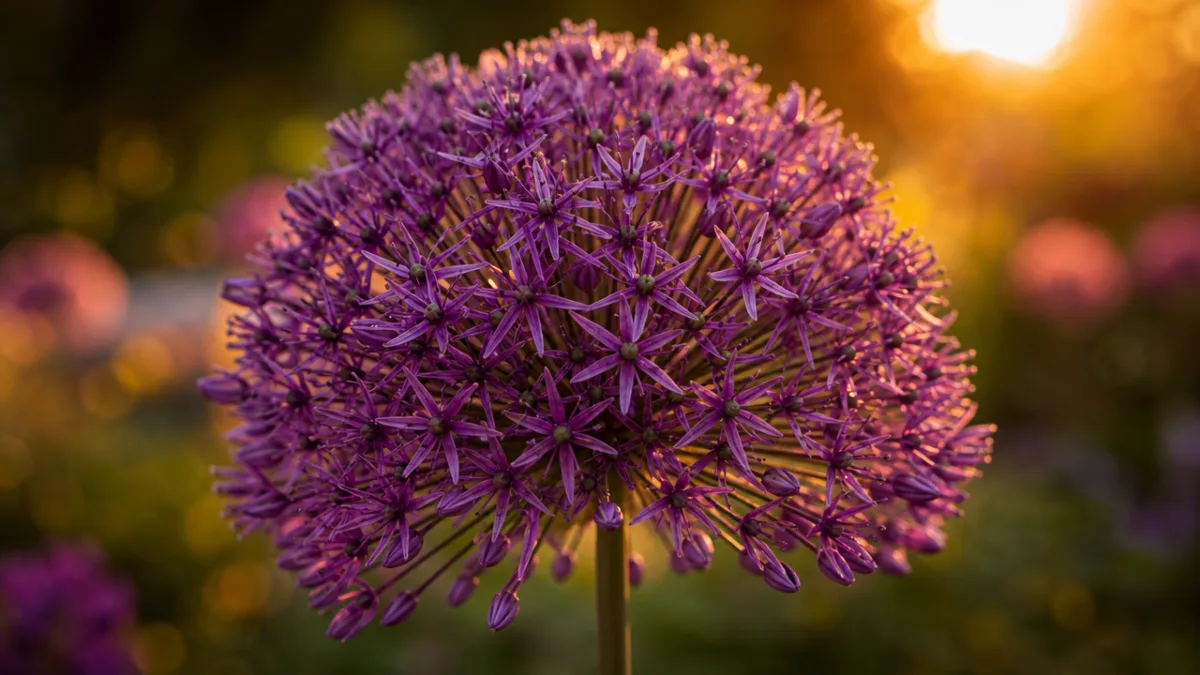
Allium Jackpot is one of the most visually striking ornamental onions available to home gardeners and landscape designers alike. Belonging to the genus Allium, which encompasses hundreds of species including culinary favorites like garlic, chives, and onions, Jackpot stands apart as a purely ornamental cultivar bred for maximum visual impact. With its enormous spherical flower heads composed of dozens of tiny individual star-shaped blossoms, it creates a display that stops visitors in their tracks and commands attention in any garden setting.
The name “Jackpot” is entirely fitting for this cultivar, because planting it truly feels like hitting the gardening lottery. Rising on tall, sturdy stems that can reach up to three feet in height, the deep violet-purple globes of Allium Jackpot measure several inches across and float above lower-growing perennials like botanical fireworks frozen in time. The blooms appear in late spring to early summer, bridging the gap between spring bulbs and summer perennials with effortless elegance and reliable seasonal performance that gardeners can count on year after year.
Unlike many showy plants that require constant coddling, Allium Jackpot is remarkably self-sufficient once established. It thrives in USDA hardiness zones 4 through 8, tolerates a range of soil conditions, and is naturally resistant to deer and most common garden pests, largely because of the mild sulfurous compounds present throughout the plant. This combination of spectacular beauty and low-maintenance growing requirements makes it an exceptional choice for both beginner gardeners and seasoned horticulturalists looking to add reliable drama to their outdoor spaces.
The Botanical Background of Ornamental Alliums
The genus Allium is ancient, with origins tracing back to Central Asia, and it has been cultivated by humans for thousands of years primarily as a food source. However, the ornamental potential of the genus has been increasingly recognized and developed over the past century, with plant breeders selecting and hybridizing varieties for maximum flower size, color intensity, and stem strength. Allium Jackpot represents the pinnacle of these breeding efforts, combining robust vigor with the kind of floral architecture that makes it an instant focal point in any mixed planting scheme.
Botanically speaking, what appears to be a single large flower on an Allium Jackpot plant is actually an umbel — a compound flower head consisting of many individual florets all radiating outward from a central point on the stem. Each one of these tiny flowers is complete in itself, with petals, stamens, and the capacity to produce seed. This arrangement is part of what gives the globe its remarkable three-dimensional texture and depth, catching and scattering light in a way that changes throughout the day and gives the plant an almost jewel-like quality in bright sunlight.
Allium Jackpot is classified as a bulbous perennial, meaning it grows from a true bulb that stores energy underground during the plant’s dormant period. This biological strategy allows the plant to survive cold winters, drought periods, and other environmental stresses, then re-emerge with stored vitality in the following growing season. Properly planted and cared for, a single Allium Jackpot bulb can persist and bloom reliably for many years, naturalizing gradually over time and creating increasingly impressive clumps that grow more spectacular with every passing season.
Planting Allium Jackpot: Timing, Location, and Soil Preparation
Successful cultivation of Allium Jackpot begins with thoughtful planting decisions, and the most important of these is timing. Like most spring-flowering bulbs, Allium Jackpot bulbs should be planted in the autumn, after the soil has cooled but before it freezes solid. In most temperate climates, this means a planting window from late September through November. Planting during this period allows the bulbs to undergo a natural cold stratification process over winter, which is essential for triggering proper spring growth and ensuring the best possible flower development in the seasons ahead.
When choosing a location for your Allium Jackpot planting, sunlight is the primary consideration. These plants are true sun-lovers that perform best in a position receiving at least six hours of direct sunlight each day. Partial shade will result in weaker stems, smaller flower heads, and a reduced tendency to return reliably in subsequent years. A south or west-facing border is ideal in the Northern Hemisphere, and the planting spot should also offer good air circulation, which helps prevent the fungal issues that can occasionally affect bulbous plants in overly humid conditions.
Soil preparation is another critical factor in setting your Allium Jackpot bulbs up for long-term success. These plants have a strong preference for well-draining soil and will not tolerate waterlogged conditions, which can cause the bulbs to rot before they even have a chance to establish. If your garden soil tends to hold moisture, amend it generously with coarse grit, perlite, or horticultural sand before planting. Incorporating organic matter such as well-rotted compost will improve soil structure and provide a slow-release source of nutrients, giving the bulbs everything they need to produce those magnificent flowering stems.
Step-by-Step Planting Instructions
Planting Allium Jackpot correctly is straightforward, but attention to a few specific details will make a significant difference in the quality and longevity of the display you enjoy. Begin by preparing your planting area thoroughly, removing weeds and loosening the soil to a depth of at least twelve inches. This depth is important because it allows the roots to penetrate freely and access moisture and nutrients from a large volume of soil, supporting the vigorous growth needed to produce those tall, strong flowering stems that make Allium Jackpot so impressive.
- Plant bulbs at a depth of approximately three times their diameter, which for large Jackpot bulbs typically means a planting depth of six to eight inches from the base of the bulb.
- Space individual bulbs at least eight to ten inches apart to allow for airflow and future naturalization, though planting in tighter clusters of three to five bulbs creates more immediate visual impact.
- Position each bulb with the pointed end facing upward and the flat, root-producing base facing down, pressing it gently but firmly into the bottom of the planting hole.
- Backfill the hole with the amended soil, firming it gently around the bulb to eliminate air pockets that could lead to drying out or root instability.
- Water thoroughly after planting to help settle the soil and initiate root development, then apply a two to three inch layer of mulch over the planting area to regulate soil temperature through winter.
After the initial planting and watering, Allium Jackpot bulbs require very little attention until spring. Resist the temptation to water repeatedly during autumn and winter, as bulbs sitting in consistently moist soil during cold weather are far more prone to fungal rot. The goal is to provide enough moisture to encourage root growth while allowing the soil to drain freely between rain events. In exceptionally dry autumns, a single supplementary watering may be beneficial, but in most regions natural rainfall will be entirely sufficient to sustain the newly planted bulbs through their establishment phase.
Caring for Allium Jackpot Through the Growing Season
Once your Allium Jackpot plants begin emerging in spring, they reward minimal care with maximum performance. The first signs of growth — typically narrow, strap-like leaves pushing up through the soil — appear several weeks before the flowering stems emerge, and this early foliage period is an important time for the plant to gather solar energy and direct it toward producing its spectacular blooms. During this phase, ensure the plants have adequate moisture if spring rainfall is below average, and consider applying a balanced, slow-release granular fertilizer around the base of each emerging clump to support vigorous development.
One of the few aesthetic challenges of growing Allium Jackpot is managing the foliage, which tends to look somewhat untidy as it begins to yellow and die back around the time the flowers are at their peak. This is a perfectly natural and necessary process — the leaves are transferring their stored sugars and nutrients back into the bulb for future seasons — but it can be visually distracting. The traditional solution is to plant lower-growing perennials or ornamental grasses in front of or among the alliums, allowing their foliage to naturally screen the dying allium leaves while letting the tall flowering stems rise freely above the companion planting.
Watering requirements for established Allium Jackpot plants are modest. During active growth and flowering, regular watering during dry spells will support the best performance, but once the flowers have faded and the foliage begins to die back, watering should be reduced significantly. In their summer dormancy, allium bulbs actually prefer dry conditions, and overwatering dormant bulbs is one of the most common causes of failure in subsequent growing seasons. In regions with dry summers, this natural seasonal dryness is actually ideal; in wetter climates, raised beds or very free-draining soils help replicate the bulb’s preferred resting conditions.
Fertilization and Long-Term Bulb Health
Feeding Allium Jackpot appropriately is one of the simplest ways to ensure it continues performing brilliantly for many years. The most effective feeding regime involves two applications per year: one in early spring as growth begins, and a second application of a high-potassium fertilizer after flowering is complete and while the foliage is still green. Potassium is particularly important for bulbous plants because it supports the development and storage of carbohydrates within the bulb, directly influencing the energy reserves available for next year’s flowering performance and overall plant vigor.
Avoid high-nitrogen fertilizers, which promote lush leafy growth at the expense of flower production and can make plants more susceptible to pests and diseases. A fertilizer formulated specifically for bulbs or one designed for flowering plants will typically have the correct nutrient balance. Organic options such as bone meal worked into the soil at planting time provide a slow, steady supply of phosphorus that benefits root and bulb development, while seaweed-based liquid feeds applied as foliar sprays during active growth provide a range of trace minerals that support overall plant health and disease resistance.
Every few years, when you notice that your Allium Jackpot clumps have become very dense or flowering appears to be declining, it is worth lifting and dividing the bulbs. This is best done during summer dormancy, when the foliage has completely died back. Carefully dig up the clump with a fork, separate the individual bulbs and offsets, discard any that appear soft, diseased, or damaged, and replant the healthy bulbs at the correct spacing in freshly amended soil. This simple maintenance procedure reinvigorates established plantings and can actually increase the number of flowering stems in subsequent seasons, turning an aging clump into multiple thriving new plantings across your garden.
Design Ideas: Using Allium Jackpot in Garden Landscapes
The architectural quality of Allium Jackpot makes it an exceptionally versatile design element that can enhance almost any style of garden. In cottage gardens, its tall stems and globular blooms add vertical interest and a touch of theatrical drama among the soft, flowing plantings of roses, hardy geraniums, and foxgloves. In contemporary or minimalist landscapes, a mass planting of Allium Jackpot bulbs in a single species group creates bold, graphic impact — a sea of identical purple spheres hovering above the ground plane like a living sculpture installation that changes with the light and breeze.
One of the most effective ways to use Allium Jackpot in garden design is in combination with grasses and perennials that complement both its vertical form and its color palette. The feathery, movement-filled texture of grasses like Stipa tenuissima or Pennisetum alopecuroides provides a perfect foil for the rigid geometry of the allium globes, creating a dynamic interplay of form and texture that is visually compelling from multiple angles and distances. Purple-flowered alliums also combine beautifully with yellow or golden companions — think Achillea, Rudbeckia, or ornamental fennel — for high-contrast planting combinations that are both energetic and sophisticated.
For cut flower enthusiasts, Allium Jackpot is a genuine treasure. The blooms are long-lasting in a vase, often remaining attractive for two weeks or more when cut at the correct stage of development and given regular water changes. Harvest stems when approximately half to two-thirds of the individual florets within the umbel have opened for the longest vase life. It is worth noting that freshly cut allium stems have a mild onion scent that typically dissipates within a day or two, so initial conditioning of stems in water outdoors or in a well-ventilated space is a worthwhile precaution before bringing arrangements indoors.
Companion Planting Recommendations
Thoughtful companion planting not only enhances the visual appeal of an Allium Jackpot display but can also solve the practical challenge of the dying foliage that accompanies peak flowering. Perennials that emerge and spread their foliage in late spring are ideal partners, filling the space at ground level while the alliums perform above. Hardy geraniums such as Geranium ‘Rozanne’ or Geranium pratense are among the most reliable and beautiful companions, their spreading mounds of deeply cut foliage effectively concealing untidy allium leaves while their blue or purple flowers create harmonious color echoes of the allium’s own hue.
- Salvia nemorosa varieties offer complementary purple spikes that bloom simultaneously and create rich, tonal planting combinations with significant wildlife value.
- Catnip (Nepeta x faassenii) provides soft, aromatic mounds of silvery foliage and lavender-blue flowers that perfectly bridge the visual gap between allium stems.
- Achillea in shades of yellow or white creates bold color contrast and provides a flat, horizontal flower form that beautifully offsets the allium’s spherical heads.
- Ornamental grasses of medium height, such as Calamagrostis or Molinia, add movement and textural contrast while sharing the allium’s preference for sunny, well-drained conditions.
- Allium Jackpot planted through low spreading sedums or thymes creates a tapestry effect at ground level while allowing the dramatic flowering stems to rise freely above.
In vegetable gardens and kitchen gardens, Allium Jackpot can play a dual functional and decorative role. The sulfurous compounds that deter deer and rabbits from browsing the flowers also appear to discourage certain aphid species and other soft-bodied pests when the plants are grown in close proximity to vulnerable crops. Planting clumps of Allium Jackpot at the corners or along the edges of raised vegetable beds provides year-round pest deterrence along with spectacular late-spring floral displays, uniting the productive and the ornamental in a genuinely satisfying way that honors the long horticultural tradition of growing alliums for multiple purposes simultaneously.
Allium Jackpot After Flowering: Seedheads, Propagation, and Winter Care
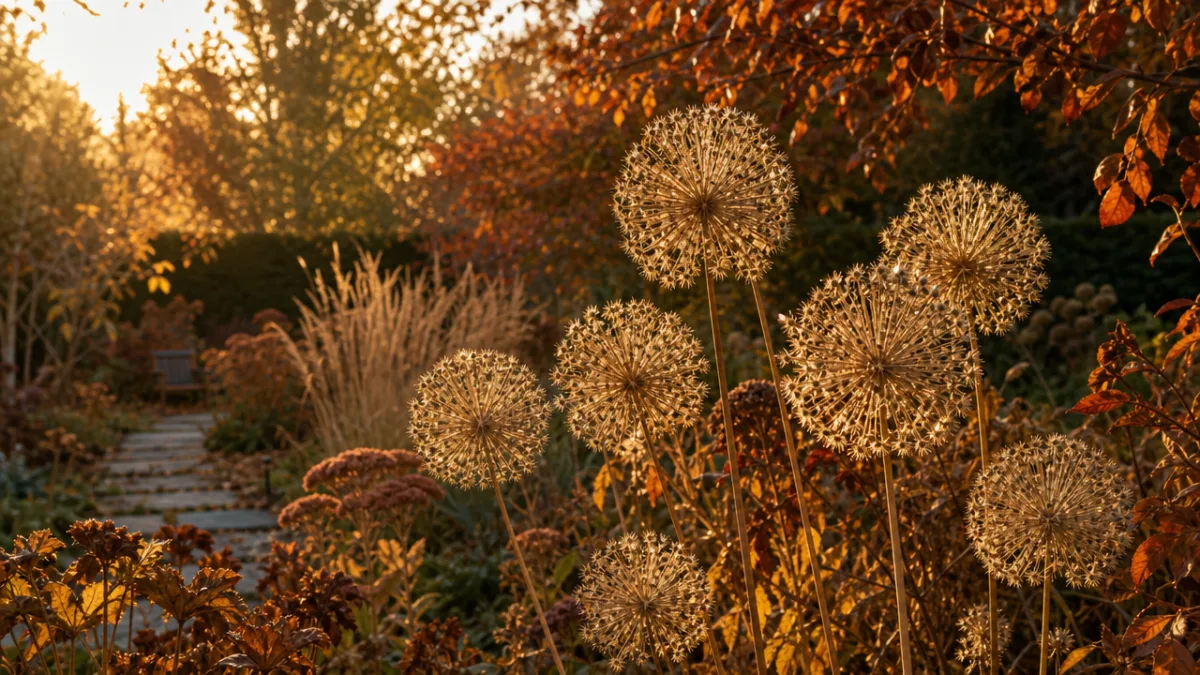
One of the most underappreciated qualities of Allium Jackpot is its extended season of interest, which continues long after the flowers have faded. As the purple blooms age, they transition into skeletal, papery seedheads that are architecturally beautiful in their own right and remain attractive on the plant well into autumn and sometimes through winter. These dried globe structures catch the low-angle light of late summer and autumn with a delicate, almost translucent quality, and they are equally beautiful in dried arrangements, requiring no additional treatment beyond harvesting and allowing them to air dry completely before using them in floral displays.
If you wish to allow some Allium Jackpot plants to self-seed, leave a portion of the seedheads in place through late summer. The seeds will ripen and disperse naturally, and while seedlings grown from seed will take several years to reach flowering size, this is a cost-free method of gradually increasing your stock. However, be aware that seedlings from hybrid cultivars like Jackpot may not breed entirely true to the parent plant, so propagation by division of the offsets that form naturally around established bulbs is the more reliable method for maintaining the specific characteristics that make Allium Jackpot so desirable.
Winter care for established Allium Jackpot plants is refreshingly minimal in most temperate climates within the recommended hardiness range. Once the foliage has completely died back, the dormant bulbs require no active protection in zones 5 through 8, as they are naturally cold-hardy and well-adapted to frozen ground conditions. In zone 4 or colder, or in gardens with very exposed, windswept positions, applying a generous layer of dry mulch over the planting area in late autumn will provide additional insulation that prevents the soil from freezing as deeply, protecting the bulbs from extreme temperature fluctuations that could cause damage to their outer scales and growing points.
Common Problems and How to Solve Them
While Allium Jackpot is notably resilient and problem-resistant compared to many ornamental bulbs, a small number of issues can occasionally arise that are worth knowing about. Bulb rot caused by fungal pathogens is the most serious problem, but it is almost entirely preventable through good cultural practices. Ensuring excellent soil drainage, avoiding overwatering, and not planting in areas where water regularly pools after rain will eliminate the conditions under which rotting fungi proliferate. If you do discover soft or rotting bulbs when dividing established clumps, remove and destroy them immediately to prevent the spread of pathogens to healthy neighboring bulbs.
Allium leaf miner, a relatively recently arrived pest in many parts of Europe and North America, can occasionally target ornamental alliums, causing distinctive pale streaking on the foliage and sometimes leading to distorted growth. While the damage is rarely severe enough to kill established plants, it can reduce the vigor of flowering. Where allium leaf miner is known to be active in your area, using fine insect mesh to cover plantings during the adult fly’s active periods in spring and autumn provides effective physical exclusion. Encouraging natural predators such as parasitic wasps by growing a diverse range of flowering plants nearby also helps keep populations of this pest in check over time.
Occasionally, gardeners report that their Allium Jackpot plants fail to flower reliably after the first season, a phenomenon sometimes called “blindness” in bulb growing terminology. This can result from several different causes including insufficient sunlight, planting that is too shallow, premature removal of foliage before it has naturally senesced, or overcrowded bulbs competing too intensely for nutrients. Diagnosing which factor is responsible and addressing it directly — by relocating plants to a sunnier spot, adjusting planting depth, committing to allowing the foliage to die back naturally, or lifting and dividing congested clumps — will typically restore reliable flowering within one to two growing seasons, bringing back the spectacular display that makes Allium Jackpot such a beloved garden plant.








What do you think?
It is nice to know your opinion. Leave a comment.