










How to Prune Coreopsis: A Complete 3-Step Guide for Thriving, Blooming Plants
Understanding Coreopsis and Why Pruning Matters
Coreopsis, commonly known as tickseed, is one of the most cheerful and resilient perennials you can grow in a home garden. With its daisy-like blooms in shades of yellow, gold, orange, pink, and red, coreopsis brings weeks — even months — of vibrant color to borders, meadow gardens, and containers. Native to North America, this sun-loving plant is celebrated for its hardiness and low-maintenance reputation, but that does not mean it thrives without any care at all. Strategic pruning is one of the most important tasks you can perform to keep your coreopsis plants looking their best season after season.
Pruning is far more than an aesthetic exercise. When you remove spent blooms, damaged stems, or overgrown foliage, you are actively redirecting the plant’s energy. Instead of pouring resources into seed production, a pruned coreopsis channels its vitality into producing fresh flower buds, stronger roots, and healthier overall growth. Gardeners who skip pruning often find that their plants become leggy, flop over in summer heat, or produce fewer and fewer flowers as the years go by. A little intentional cutting at the right moments makes an enormous difference in the plant’s long-term health and productivity.
Another important reason to understand coreopsis pruning is that different varieties have slightly different needs. Thread-leaf coreopsis (Coreopsis verticillata), for example, responds beautifully to a hard mid-season cutback, while grandiflora types benefit most from consistent deadheading throughout the blooming period. Knowing which type of coreopsis you are growing will help you tailor your approach and get the best possible results. Regardless of variety, however, the three-step framework outlined in this guide applies broadly and will set your plants up for abundant, long-lasting blooms.
Step One — Deadheading Spent Blooms Regularly
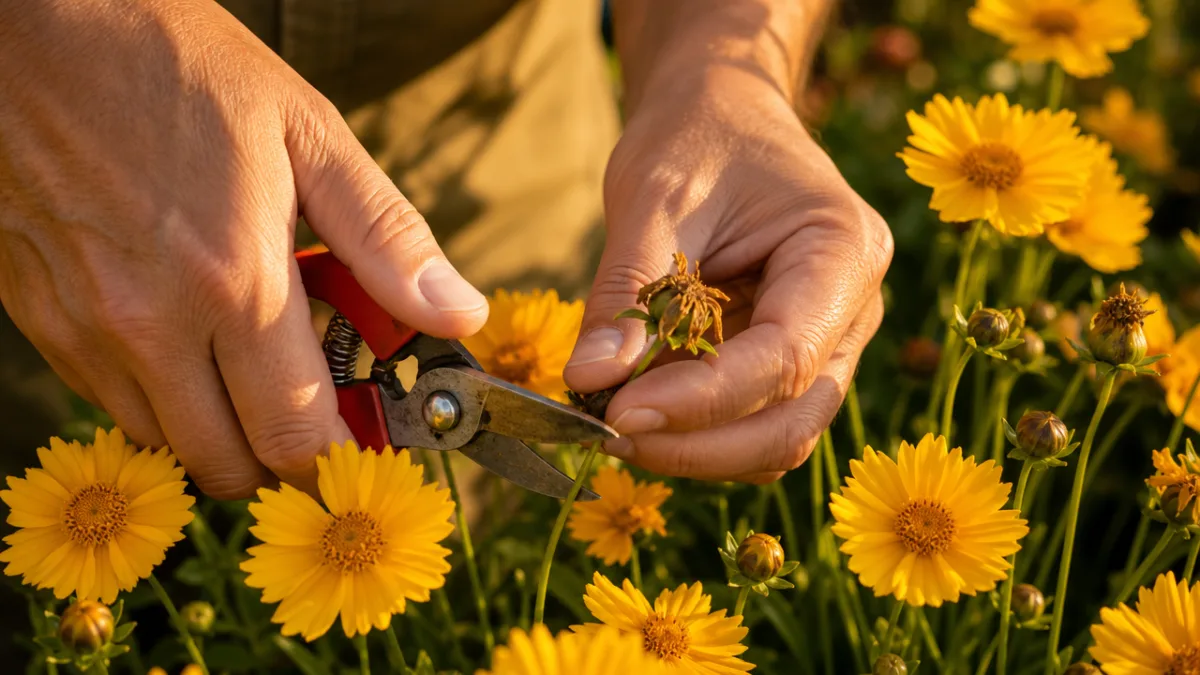
The first and most frequently performed pruning task for coreopsis is deadheading, which simply means removing flowers that have faded, wilted, or gone to seed. Deadheading is best done throughout the entire blooming season, which for many coreopsis varieties stretches from late spring all the way through fall. By removing spent blooms before they fully develop seeds, you prevent the plant from entering a natural decline and encourage it to keep producing new flower buds in their place. This single habit can dramatically extend your plant’s flowering period by several weeks or even months.
The technique is straightforward. Using a pair of clean, sharp scissors or lightweight pruning shears, trace each spent flower stem down to the nearest set of healthy leaves or a lateral bud. Cut just above that point, at a slight angle if possible, to prevent water from pooling on the cut surface. Avoid tearing or breaking stems by hand, as this creates ragged wounds that are more susceptible to disease and pest damage. Keeping your cutting tools clean by wiping the blades with rubbing alcohol between plants also helps prevent the accidental spread of fungal spores or bacterial pathogens from one plant to another.
Consistency is key when it comes to deadheading. Ideally, you should walk through your garden every few days during peak blooming season and remove any flowers that are past their prime. Many gardeners find this task meditative and enjoyable — a chance to spend a few quiet minutes observing their plants up close. As you deadhead, you will also notice other issues early, such as aphid infestations, powdery mildew, or signs of drought stress, giving you the opportunity to address problems before they become serious. Think of deadheading not as a chore but as a conversation with your garden.
- Use clean, sharp scissors or shears to avoid crushing delicate stems.
- Cut back to the nearest healthy leaf node or lateral bud.
- Deadhead every few days during the main blooming season for best results.
- Discard spent blooms rather than leaving them on the soil to reduce disease risk.
- Wipe cutting tools with isopropyl alcohol between plants to prevent disease spread.
Step Two — The Mid-Season Cutback for Renewed Growth
Even with diligent deadheading, coreopsis plants often reach a point in midsummer — typically around July — where they become leggy, floppy, or noticeably less productive. The foliage may look tired, the stems may sprawl outward in an untidy way, and the number of new buds may drop significantly. This is the moment to perform what gardeners call a mid-season cutback, sometimes referred to as “shearing back” or “rejuvenation pruning.” This more aggressive step involves cutting the entire plant back by roughly one-third to one-half its current height, prompting it to produce a fresh flush of growth and blooms.
To perform the mid-season cutback, use a pair of clean hedge shears or sturdy pruning scissors and work systematically across the plant. Rather than cutting individual stems one by one, you can shear the entire mound back at once to create a more uniform, rounded shape. After cutting, the plant will temporarily look a bit bare and disheveled — this is completely normal and no cause for alarm. Within one to two weeks, assuming the plant is receiving adequate water and sunlight, you will begin to see fresh green growth emerging from the base and along the remaining stems. Within three to four weeks, new flower buds should begin to appear.
Timing the mid-season cutback correctly is important. If you cut back too early in the season, you may sacrifice the peak of the first bloom cycle. If you wait too long — say, into late August or early September in most climates — the plant may not have enough time to fully recover and bloom again before frost arrives. The ideal window in most temperate climates is mid- to late July, right after the first major bloom flush begins to fade. Gardeners in warmer zones with longer growing seasons may be able to perform two mid-season cutbacks per year, getting three distinct waves of bloom from a single plant.
After the cutback, it is a good practice to give your coreopsis a light feeding to support its recovery. A balanced, slow-release granular fertilizer or a diluted liquid fertilizer applied to moist soil will provide the nutrients the plant needs to push out new stems and buds. Avoid high-nitrogen fertilizers, which promote leafy growth at the expense of flowers. Water the plant consistently for the first week or two following the cutback, especially if your area is experiencing summer heat or dry spells. With proper aftercare, the mid-season cutback reliably produces one of the most rewarding sights in the garden: a coreopsis plant that looks fresher, fuller, and more floriferous than it did before.
Step Three — Fall Cleanup and Preparing for Next Year
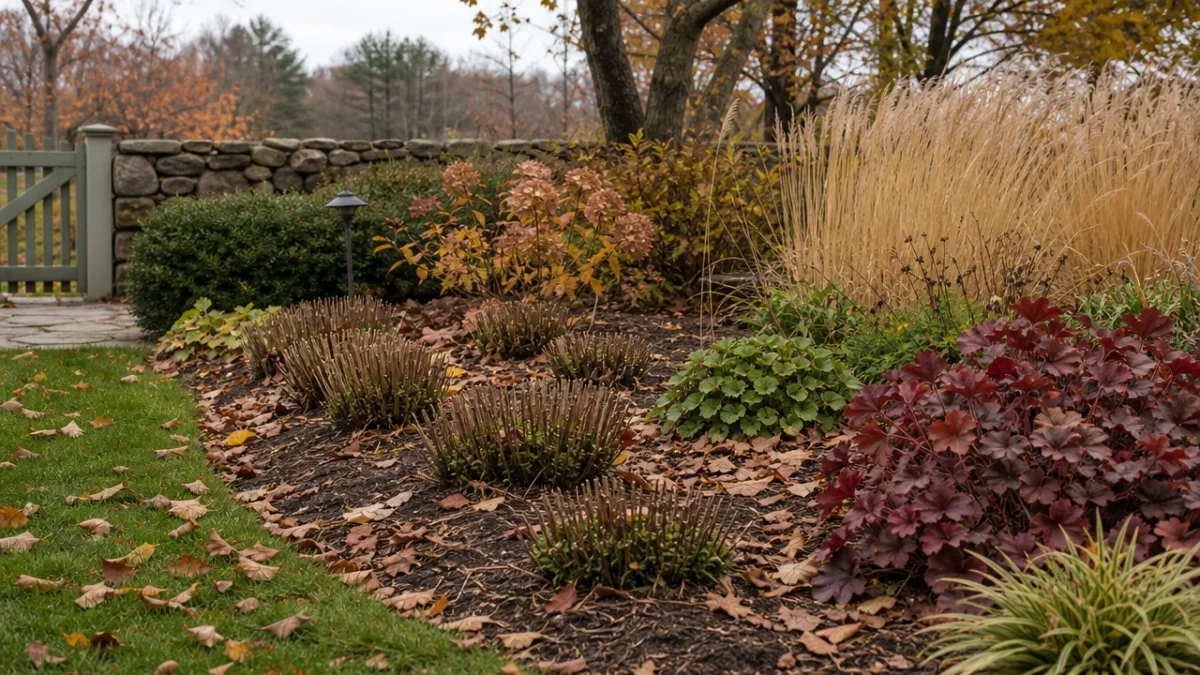
The third and final step in the coreopsis pruning cycle happens at the end of the growing season, as temperatures begin to drop and the plant prepares for winter dormancy. Fall cleanup pruning serves several important purposes. It removes diseased or pest-damaged foliage that could harbor problems through the winter and re-emerge to infect your plants in spring. It also tidies up the garden’s appearance during the off-season and, in some climates, can reduce the risk of crown rot by improving air circulation around the base of the plant. Done thoughtfully, fall pruning sets the stage for a vigorous, healthy return in spring.
The approach to fall cleanup depends on your climate and personal preference. In areas with cold winters and hard frosts, you can cut coreopsis back to within two to four inches of the ground after the first killing frost has caused the foliage to die back naturally. Leaving a short stub rather than cutting flush with the soil helps protect the crown of the plant from freeze damage and gives you a visible marker in the garden so you do not accidentally disturb the plant while doing other tasks. In milder climates where frost is light or infrequent, you may choose to leave more foliage in place over winter, cutting back in late winter or early spring instead.
One consideration worth keeping in mind is whether to leave seed heads standing through the winter. Coreopsis seed heads are modest but provide a small food source for birds such as goldfinches, which are known to feed on them during lean winter months. If supporting wildlife is a priority in your garden, consider leaving a portion of the plants uncut and allowing the seed heads to persist until late winter. You can still perform cleanup on the most damaged or disease-prone stems while leaving some structure in place. This approach balances good garden hygiene with ecological generosity, making your garden a more dynamic and welcoming habitat year-round.
- Wait for the first killing frost before performing fall pruning in cold climates.
- Cut stems back to two to four inches above the soil line, leaving a protective stub.
- Remove and dispose of any foliage showing signs of disease or pest damage.
- Consider leaving some seed heads in place over winter to feed songbirds.
- In mild climates, delay cutting back until late winter or early spring if preferred.
Tools, Timing, and Best Practices for Pruning Success
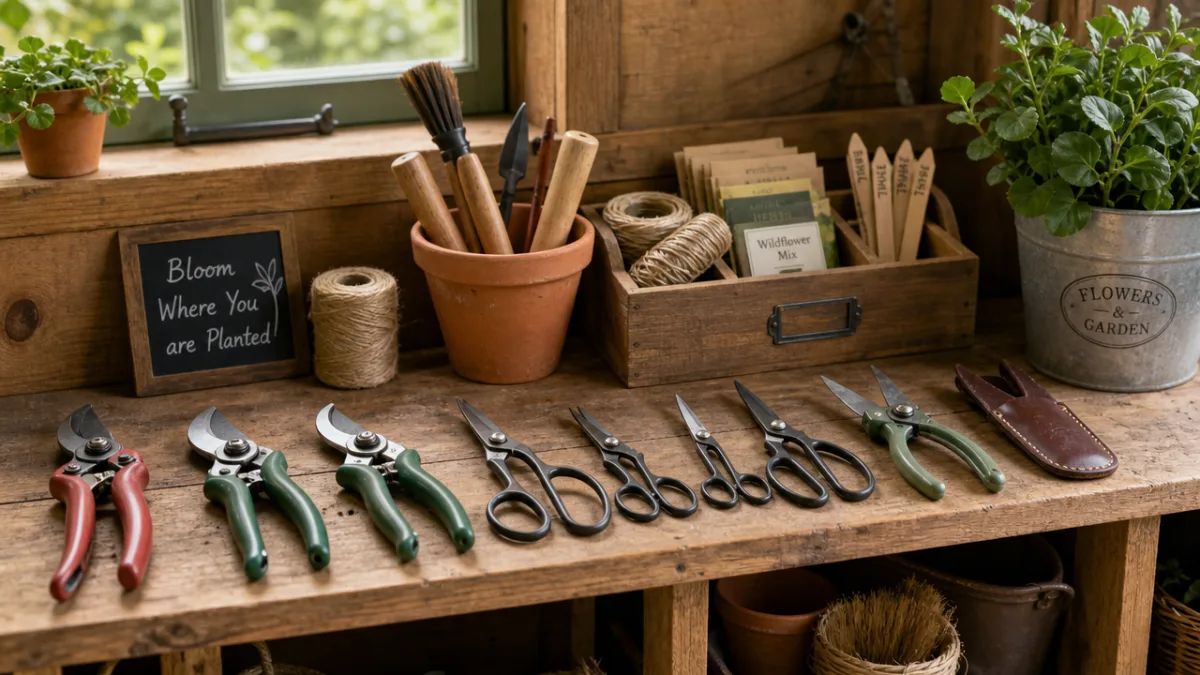
Having the right tools on hand makes every aspect of coreopsis pruning easier, cleaner, and more effective. For deadheading and detail work, a pair of small, sharp scissors or micro-tip pruning snips are ideal because they allow you to work precisely between stems without accidentally damaging adjacent foliage. For the mid-season cutback and fall cleanup, a pair of lightweight garden shears or bypass pruners is more efficient. Bypass pruners, which work like scissors with two curved blades, create cleaner cuts than anvil pruners, which press one blade against a flat surface and can crush soft stems. Investing in quality tools and keeping them sharpened and clean will pay dividends across many seasons of gardening.
Timing your pruning sessions to cooler parts of the day — early morning or late afternoon — reduces stress on the plant, particularly during hot summer periods. Pruning in the heat of midday causes cut stems to lose moisture rapidly before they have a chance to begin healing, and it can also be uncomfortable for the gardener. After any pruning session, especially the more aggressive mid-season cutback, avoid fertilizing with high-nitrogen products and be cautious with overhead watering, which can increase the risk of fungal disease when foliage is already under the stress of recovery. Water at the base of the plant whenever possible to keep foliage dry.
It is also worth noting that coreopsis pruning is one area where the “less is more” principle does not fully apply. Unlike some perennials that resent being cut back hard, coreopsis is remarkably tolerant of aggressive pruning and bounces back with impressive speed. New gardeners sometimes hesitate to cut their plants back significantly out of fear of harming them, but in reality, coreopsis rewards bold pruning with vigorous regrowth. If your plant has become extremely overgrown or neglected, do not be afraid to cut it back more severely than you might think necessary. The plant’s natural resilience will carry it through.
Common Mistakes to Avoid When Pruning Coreopsis
One of the most common mistakes gardeners make with coreopsis is failing to deadhead consistently during the blooming season. It is tempting to let a few spent flowers go to seed, especially if you are hoping to collect seeds for propagation or let the plant self-sow in the garden. While allowing some seed production is fine, if the majority of spent blooms are left on the plant, it will shift its energy decisively toward seed maturation and stop producing new flower buds. The result is a plant that looks tired and sparse by midsummer when it should still be in its prime. Make deadheading a regular ritual rather than an occasional afterthought.
Another frequent error is pruning with dirty or dull tools. Dull blades crush and tear plant tissue rather than cutting cleanly through it, creating larger wounds that take longer to heal and are more vulnerable to infection. Similarly, tools that have not been cleaned between uses can transfer soil-borne pathogens, fungal spores, or bacterial diseases from one plant to another. Before each pruning session, take a moment to wipe your blades with a cloth dampened with isopropyl alcohol or a diluted bleach solution. Sharpen your pruners at least once per season, or more frequently if you notice them requiring extra pressure to cut through stems cleanly.
Skipping the mid-season cutback out of concern about losing blooms is another mistake that many gardeners make, particularly those new to growing coreopsis. It can feel counterintuitive to cut back a plant that still has some flowers on it, but waiting until the plant is completely bare before performing the cutback actually slows recovery. The mid-season cutback works best when the plant still has some vitality and stored energy to draw from as it pushes out new growth. Think of it as resetting the clock on the blooming cycle while the plant still has momentum, rather than waiting until it has exhausted itself completely before intervening.
- Never skip deadheading — inconsistency leads to early bloom decline and seed-focused growth.
- Always use clean, sharp tools to prevent disease spread and promote clean healing cuts.
- Do not wait until the plant is completely spent before performing the mid-season cutback.
- Avoid over-fertilizing with nitrogen after pruning, which promotes foliage over flowers.
- Do not prune during the hottest part of the day to minimize stress on the plant and gardener.
Encouraging Long-Term Health Beyond Pruning
Pruning is a powerful tool for maintaining coreopsis health and beauty, but it works best as part of a broader approach to plant care. Coreopsis thrives in full sun, requiring at least six hours of direct sunlight per day to bloom at its best. Plants grown in too much shade tend to produce fewer flowers, develop weak and floppy stems, and become more susceptible to fungal diseases. If your coreopsis is underperforming despite regular pruning, consider whether it is receiving adequate sunlight and whether nearby trees or structures may have begun shading it as they have grown over time.
Soil health is another foundational factor. Coreopsis prefers well-drained soil and is notably tolerant of poor, sandy, or rocky conditions — in fact, overly rich soil can cause excessive vegetative growth at the expense of flowers. However, soil that is completely compacted or waterlogged will quickly stress and eventually kill even the most resilient coreopsis. If you are gardening on heavy clay soil, amending the planting area with coarse grit or perlite before planting will dramatically improve drainage and long-term plant health. Raised beds are an excellent option for gardeners dealing with persistently wet or poorly draining ground.
Division is another maintenance practice that complements pruning and becomes important every three to five years for most coreopsis varieties. Over time, clumps of coreopsis can become crowded, with older woody growth in the center of the plant dying out and leaving a hollow, ring-like appearance. Dividing the clump in early spring or early fall — digging it up, separating it into smaller sections, and replanting the youngest, most vigorous outer portions — reinvigorates the plant and gives you the bonus of new plants to fill other spots in the garden or share with fellow gardening enthusiasts. Combined with the three-step pruning approach outlined in this guide, regular division will keep your coreopsis plants productive, attractive, and thriving for many years to come.








What do you think?
It is nice to know your opinion. Leave a comment.