










16+ Stunning Zinnia Flower Bed Ideas to Transform Your Garden
Why Zinnias Are the Ultimate Garden Flower
Zinnias have earned their reputation as one of the most beloved and versatile annuals in the gardening world, and for excellent reason. These vibrant, sun-loving flowers offer an extraordinary range of colors, sizes, and forms that can suit virtually any garden style or design goal. Whether you are a seasoned horticulturist or a first-time gardener, zinnias provide the kind of generous, reliable bloom that makes every growing season feel like a reward. Few plants deliver as much visual impact with as little effort required from the grower.
Beyond their stunning appearance, zinnias are remarkably practical plants that thrive in conditions many other flowers find challenging. They adore full sun and warm temperatures, making them ideal for summer gardens that bake under long, hot days. They are also drought-tolerant once established, which means they hold their own during dry spells without demanding constant irrigation. This resilience makes them a go-to choice for gardeners who want beautiful results without devoting every spare hour to maintenance and watering schedules.
Perhaps most impressively, zinnias are prolific bloomers that respond enthusiastically to cutting. The more you cut them, the more flowers they produce, which makes them perfect for gardeners who love fresh-cut arrangements as well as those who simply want beds that stay thick and full all season long. From midsummer through the first frost, a well-tended zinnia bed can remain a riot of color that anchors the entire garden landscape and draws the eye from across the yard.
Choosing the Right Zinnia Varieties for Your Flower Bed
Selecting the right zinnia varieties is the foundation of any successful flower bed design. The genus Zinnia offers an astonishing range of cultivated varieties, each with its own personality, growth habit, and color palette. Giant varieties like the ‘Benary’s Giant’ series can reach heights of three to four feet, producing large, dahlia-like blooms that create dramatic focal points in a border or bed. Meanwhile, dwarf varieties like ‘Thumbelina’ stay compact and tidy, making them ideal for edging pathways or filling containers placed near the bed’s perimeter.
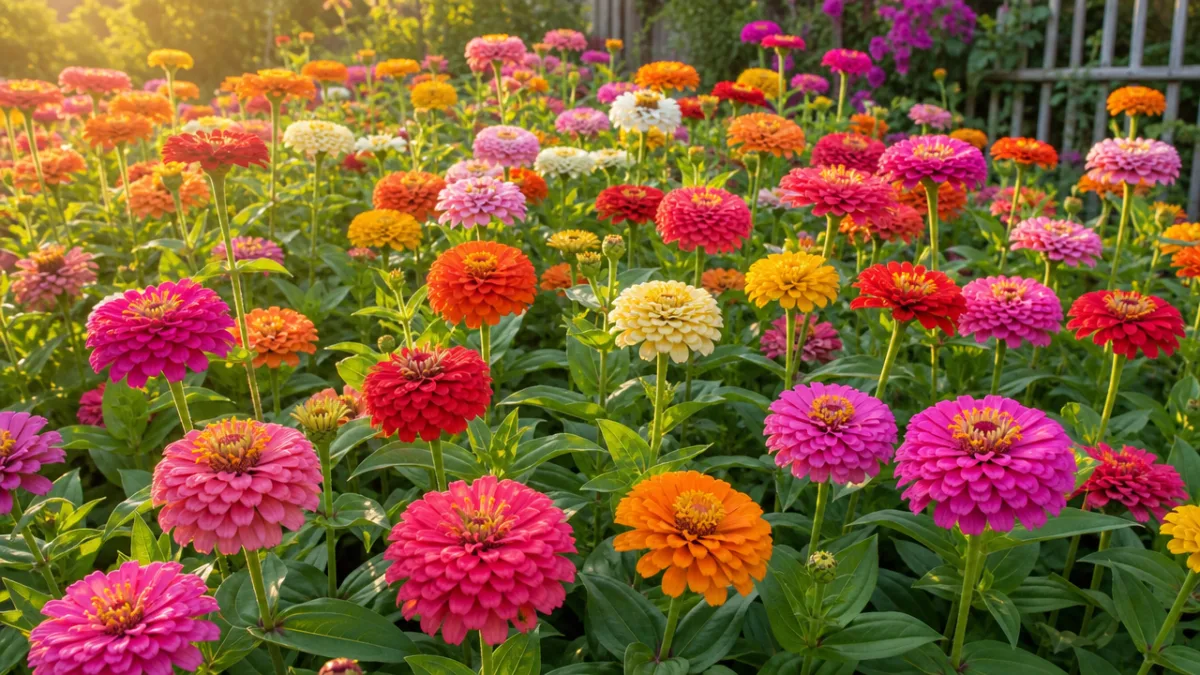
Color selection is another critical consideration when planning your zinnia flower bed. Many gardeners prefer mixed seed packets, which yield a spontaneous explosion of color that changes day by day as new blooms open. Others prefer a more curated approach, choosing single-color varieties or complementary color combinations to achieve a specific aesthetic. A bed planted entirely in shades of coral, peach, and cream, for instance, can evoke a romantic cottage garden feeling, while a bold combination of scarlet, gold, and deep purple creates a vibrant, high-energy display that demands attention.
Some standout varieties worth considering for your flower bed include the following options, each offering unique strengths for different design goals.
- Benary’s Giant Series: Large double blooms in rich, saturated colors; excellent for cutting and back-of-border placement.
- Profusion Series: Compact plants covered in smaller blooms; highly disease-resistant and perfect for edging.
- Queen Red Lime: Unique bicolor blooms in rosy red and lime green; a conversation-starting accent plant.
- Zinderella Peach: Ruffled, cactus-flower style blooms in warm peach tones; adds texture and softness to any bed.
- Oklahoma Series: Tall, branching plants with long, strong stems; ideal for cutting gardens integrated into flower beds.
- Zahara Series: Heat and humidity tolerant with excellent powdery mildew resistance; a reliable workhorse for hot climates.
When assembling your variety selections, think carefully about mature plant heights and stagger them accordingly, placing taller varieties toward the back of the bed and shorter ones toward the front. This layered approach ensures that every plant receives adequate sunlight and that the bed looks full and intentional from the viewer’s perspective rather than jumbled or accidental. Taking time during the planning phase to map out your selections will pay dividends throughout the entire growing season.
Designing Your Zinnia Flower Bed Layout
A thoughtful layout is what separates a truly stunning zinnia bed from a simple scattering of plants. Before you sow a single seed or set a single transplant in the ground, take time to sketch out your design on paper, considering the overall shape of the bed, the color flow you want to achieve, and how the planting will look from your home’s primary viewing angles. A bed that looks beautiful from the kitchen window or the back patio will provide daily enjoyment throughout the season, making the planning effort entirely worthwhile.
One of the most popular and visually effective layouts is the wave or gradient planting, in which colors are arranged in sweeping bands that flow from one end of the bed to the other. You might begin with white and cream zinnias on one end, transition through soft pinks and corals in the middle, and end with deep reds and burgundies on the opposite end. This arrangement creates a sense of movement and intentionality that elevates the bed from a simple mass planting to something that feels artistically composed and professionally designed.
Another compelling approach is the color block layout, which divides the bed into distinct sections of single colors. This method works particularly well in formal or contemporary garden settings, where clean lines and bold contrasts are part of the overall aesthetic. Pairing a block of bright orange zinnias next to a block of deep purple creates a striking complementary color relationship that draws the eye and creates visual excitement. Alternating warm and cool color blocks throughout the bed can produce a rhythm that feels dynamic and intentional across the entire planting area.
For gardeners who prefer a more relaxed, naturalistic appearance, a cottage-style random planting that mimics the spontaneous beauty of a meadow can be incredibly charming. Simply scatter mixed seeds across the prepared bed, thin them as they emerge, and allow the plants to grow in an organic, unplanned arrangement. Adding a few taller accent plants at irregular intervals prevents the planting from looking flat while maintaining that carefree, effortless aesthetic that cottage gardeners love. The key is to embrace the beautiful imperfection that comes with this approach rather than fighting the tendency toward informality.
Companion Planting with Zinnias
Zinnias rarely perform best in complete isolation, and thoughtful companion planting can dramatically enhance both the beauty and the ecological function of your flower bed. Pairing zinnias with plants that have contrasting textures, forms, and foliage types creates depth and visual interest that a monoculture planting simply cannot achieve. Ornamental grasses, for instance, bring a graceful, airy quality that contrasts beautifully with the bold, flat-faced blooms of zinnias, adding movement to the bed every time a breeze passes through the garden.
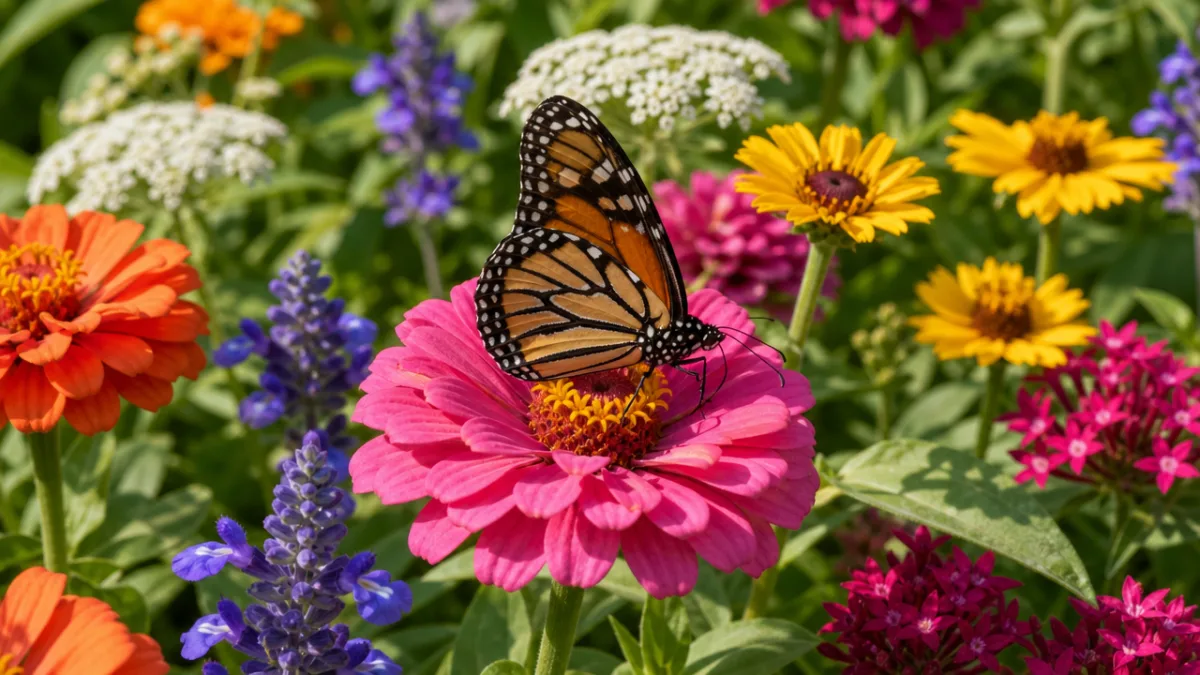
From a practical ecological standpoint, zinnias are extraordinary pollinator magnets, and companion planting can amplify this benefit even further. Planting zinnias alongside other nectar-rich flowers like cosmos, marigolds, and lantana creates a pollinator paradise that attracts butterflies, native bees, and hummingbirds in impressive numbers. This biodiversity benefit extends beyond the flower bed itself, supporting the health of your entire garden by increasing pollination rates for vegetable plants and fruit trees located nearby.
Some excellent companion plants to consider integrating into your zinnia flower bed include the following.
- Cosmos: Feathery foliage and delicate blooms provide a beautiful textural contrast to zinnia’s bold, structured flowers.
- Marigolds: Share zinnia’s love of heat and sun while adding pest-deterrent properties and complementary warm tones.
- Celosia: Velvet-textured plume or cockscomb blooms create exciting textural contrast and thrive in similar conditions.
- Verbena bonariensis: Tall, airy stems topped with tiny purple clusters add vertical interest without blocking zinnia blooms.
- Sweet alyssum: Low-growing ground cover with a honey scent that fills spaces between taller zinnias beautifully.
- Ornamental basil: Deep purple foliage provides striking color contrast and is a functional herb as well.
When planning companion combinations, pay attention to the cultural requirements of each plant you select, ensuring that they share zinnia’s preference for full sun and well-drained soil. A beautiful pairing that requires incompatible growing conditions will result in one plant thriving at the expense of the other, ultimately diminishing rather than enhancing the bed’s overall appearance. Compatibility in both aesthetics and growing needs is the golden rule of successful companion planting.
Soil Preparation and Planting Techniques for Spectacular Results
The difference between a mediocre zinnia bed and a truly spectacular one often comes down to soil preparation. Zinnias are adaptable plants that tolerate a range of soil types, but they perform at their absolute best in loose, fertile, well-drained soil with a pH between 5.5 and 7.0. Before planting, invest time in amending your bed with generous quantities of compost or aged organic matter, which improves drainage in clay soils, increases water retention in sandy soils, and supplies a steady source of nutrients as it continues to break down throughout the growing season.
Timing your planting correctly is equally important for achieving maximum bloom performance. Zinnias are true warm-season plants that germinate poorly in cold soil and suffer if exposed to late frosts, so patience during spring is essential. Wait until soil temperatures have consistently reached at least 60 degrees Fahrenheit before direct seeding, and until all frost danger has passed before transplanting seedlings. In most temperate climates, this means waiting until late May or early June, though gardeners in warmer zones can often begin as early as April. The plants will grow so rapidly in warm conditions that the wait is always worth it.
Direct seeding is generally preferred over transplanting for zinnias, as these plants develop a taproot that resents disturbance. Sow seeds at a depth of approximately one quarter inch and thin seedlings to appropriate spacing once they reach several inches in height. Proper spacing is critical and often overlooked by eager gardeners who want maximum impact immediately. Crowding plants together invites powdery mildew, reduces air circulation, and ultimately produces weaker, less floriferous plants. For most standard varieties, spacing plants 12 to 18 inches apart produces the healthiest, most robust results over the full season.
Ongoing Care and Maintenance to Keep Beds Blooming
Zinnias are often described as low-maintenance plants, and while this is largely accurate, a modest investment of ongoing care makes an enormous difference in their longevity and bloom quality. Regular deadheading, the practice of removing spent blooms before they set seed, is the single most impactful maintenance task you can perform throughout the growing season. When zinnias are allowed to go to seed, they receive the biological signal that their reproductive purpose has been fulfilled, which causes bloom production to slow dramatically. Consistent deadheading keeps plants in a continuous state of vigorous flowering from midsummer straight through to frost.
Watering practices significantly influence both plant health and disease incidence in zinnia beds. These drought-tolerant plants prefer deep, infrequent watering over frequent light applications, as deep watering encourages roots to grow downward into cooler, moister soil layers, making plants more resilient during hot, dry periods. When watering, always direct water at the soil level rather than overhead, as wet foliage is the primary contributing factor to powdery mildew, the most common disease affliction of zinnias in humid climates. Drip irrigation or soaker hoses placed beneath the plant canopy represent the ideal watering solution for zinnia beds.
Fertilization requirements for zinnias are moderate, and over-fertilizing with high-nitrogen products can actually be counterproductive, producing lush green foliage at the expense of bloom production. A balanced, slow-release granular fertilizer worked into the soil at planting time provides a steady foundation of nutrition throughout the early growing period. Supplementing with a bloom-promoting liquid fertilizer, one with a higher phosphorus ratio relative to nitrogen, every three to four weeks during peak growing season can help sustain prolific flowering during the hottest, most demanding months of summer.
- Deadhead spent blooms every three to five days to encourage continuous new flower production throughout the season.
- Water deeply once or twice per week at soil level, avoiding wetting foliage to minimize disease risk.
- Apply a two to three inch layer of organic mulch around plants to regulate soil temperature and retain moisture.
- Monitor plants regularly for signs of powdery mildew and treat early with neem oil or a baking soda solution if detected.
- Feed with a balanced fertilizer at planting and supplement with bloom-boosting fertilizer every three to four weeks through summer.
- Stake taller varieties in exposed locations where wind might cause plants to lean or topple over the season.
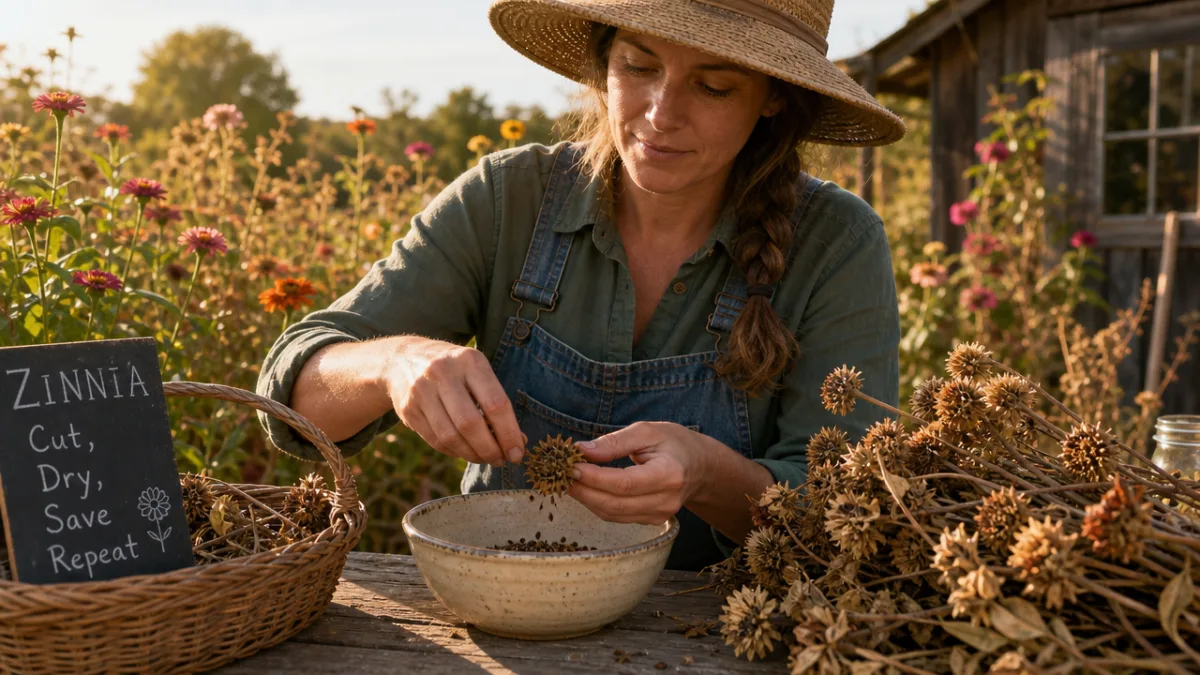
Toward the end of the growing season, consider allowing a portion of your zinnia plants to go to seed naturally rather than deadheading every bloom. Zinnia seeds are easy to collect, dry, and store for replanting the following year, making these already economical plants even more cost-effective over time. Allow selected seed heads to dry completely on the plant before harvesting, then store the seeds in a cool, dry location in labeled paper envelopes until the following spring. Many gardeners find that saved zinnia seeds produce vigorous plants that are beautifully adapted to their specific garden microclimate.
Creative Theme Ideas for Zinnia Flower Beds
Once you have mastered the basics of growing zinnias successfully, the real creative fun begins in designing themed flower beds that tell a story or evoke a particular mood or aesthetic. A sunset-themed bed, for example, might feature zinnias exclusively in shades of deep gold, burnt orange, fiery red, and warm magenta, colors that mirror the spectacular hues of an evening sky and create a warm, glowing atmosphere in the garden that intensifies as the afternoon light shifts toward dusk. This type of themed approach transforms a simple flower bed into a carefully considered artistic installation within your landscape.
A butterfly garden theme represents another inspired approach that combines aesthetic beauty with genuine ecological purpose. Select zinnia varieties in the colors that butterfly species in your region find most irresistible, which typically include bright orange, vivid red, hot pink, and rich purple. Combine these with other proven butterfly attractors, and design the bed in a shape or arrangement that allows butterflies to move freely among the blooms. Positioning a flat decorative stone or shallow water dish nearby gives resting and puddling opportunities that make the garden even more hospitable to your winged visitors throughout the season.
For gardeners who love to bring fresh flowers indoors, a dedicated cutting garden bed designed around zinnia varieties selected specifically for their long, strong stems and extended vase life is an extraordinarily practical and beautiful option. Arrange the bed in straight, accessible rows rather than traditional ornamental curves, making it easy to move through the planting with scissors or shears without disturbing neighboring plants. Include a diverse selection of bloom forms, from single-petaled to fully double dahlia types, to ensure variety in your arrangements, and plan for succession planting by sowing new seeds every two to three weeks to maintain a continuous supply of fresh blooms throughout the entire season.








What do you think?
It is nice to know your opinion. Leave a comment.