










The Book Stack Oil Burner: A Statement Piece for Literary Lovers
In the world of home décor, few accessories manage to combine functionality with personality as elegantly as the book stack oil burner. This charming and cleverly designed piece has been quietly capturing the hearts of book lovers, interior design enthusiasts, and aromatherapy devotees alike. Rather than settling for a plain ceramic dish or a generic diffuser, the book stack oil burner presents itself as a miniature sculpture that tells a story before it even releases a single drop of fragrance into the air.
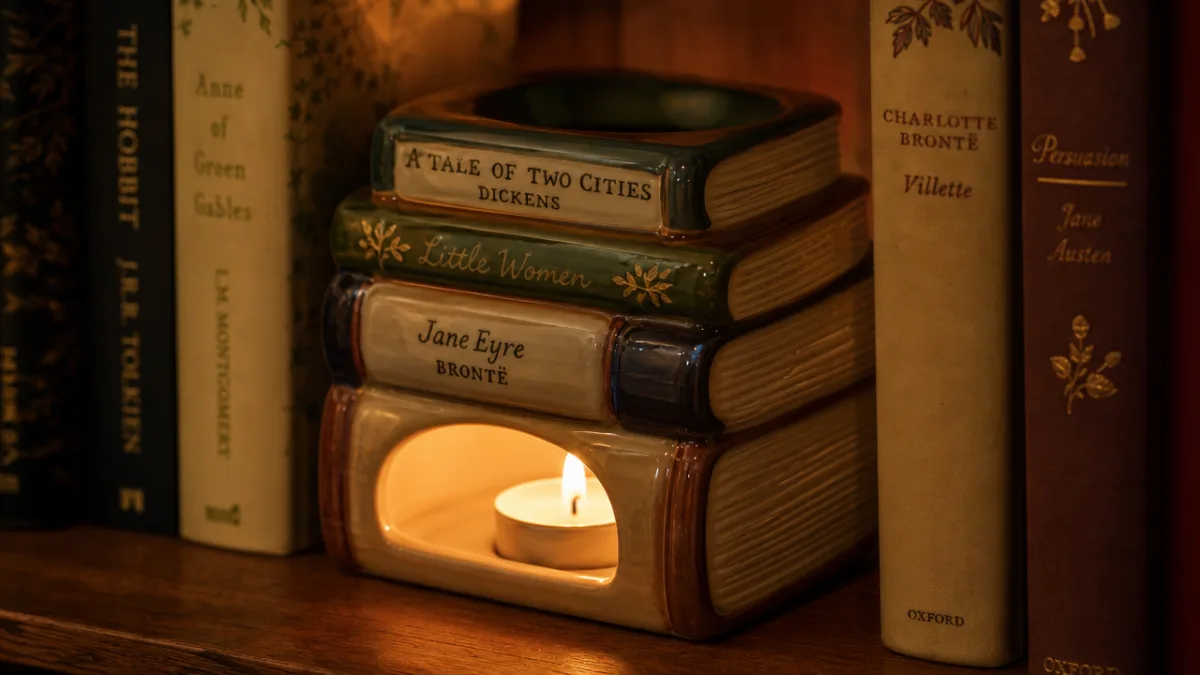
The concept is beautifully simple yet undeniably clever: a stack of miniature books, rendered in ceramic or resin, forms the base and body of a functional oil burner. The books are often painted in rich, earthy tones or pastel hues, with tiny faux titles along their spines, giving the piece the appearance of a beloved personal library compressed into a pocket-sized form. At the top of the stack sits a small dish or bowl where essential oils or wax melts are placed, and a tea light candle nestled within the stack provides the heat needed to release the fragrance.
What makes this piece truly special is its ability to occupy two worlds simultaneously. It is both decorative art and a practical aromatherapy tool. Whether placed on a reading nook shelf, a bedroom windowsill, a home office desk, or a bathroom vanity, the book stack oil burner draws the eye and sparks conversation. It speaks to a lifestyle built around reading, curiosity, and the quiet pleasures of a well-curated home environment. For anyone who has ever considered themselves a bibliophile, this piece feels less like a purchase and more like a self-expression.
Origins and the Rise of Novelty Home Fragrance
The novelty home fragrance market has grown dramatically over the past decade, driven by consumers who no longer want their functional household items to look purely utilitarian. The rise of platforms like Pinterest and Instagram has accelerated this trend considerably, as users seek out objects that photograph beautifully and communicate something about their personality and aesthetic sensibilities. The book stack oil burner sits at the precise intersection of these desires, offering a piece that is as photogenic as it is purposeful.
Ceramic artisans and small-batch manufacturers began producing book-themed home accessories in earnest during the mid-2010s, coinciding with a broader cultural resurgence of interest in reading, cozy lifestyle aesthetics, and the so-called “cottagecore” and “dark academia” design movements. These movements celebrate the tactile pleasures of physical books, warm lighting, worn wooden furniture, and the scent of old paper and burning candles. The book stack oil burner fits perfectly within these aesthetics, serving almost as a mascot object for people who want their homes to feel like literary sanctuaries.
Novelty oil burners and wax melt warmers have been produced in dozens of shapes and themes, from animals to seasonal motifs, but the book stack design has demonstrated unusual staying power. Unlike trend-driven novelty items that fade quickly, the appeal of books as a decorative motif is enduring. Books have been culturally associated with wisdom, comfort, aspiration, and leisure for centuries, meaning that a book-themed decorative object carries a depth of symbolic resonance that a Halloween ghost burner or a seasonal pumpkin simply cannot match. The book stack burner is, in this sense, timeless.
Design Details That Make All the Difference
The quality and craftsmanship of a book stack oil burner can vary significantly depending on the maker and the materials used. The finest examples are hand-painted, with individual attention given to each tiny book spine. Titles might be whimsical inventions, gentle nods to famous literary works, or entirely abstract, but in every case the goal is to create the impression of a real, beloved library in miniature. Some artisan versions include worn edges on the book spines, subtle variations in color wash, and even tiny illustrated details on the covers that reward close inspection.
The dish at the top of the stack is a critical functional element that also needs to be aesthetically integrated. On the best designs, the dish emerges organically from the top of the book stack, as though the uppermost volume has been hollowed out to create a natural bowl. This seamless integration means that the eye reads the whole piece as a single sculptural object rather than a functional dish awkwardly perched on a decorative base. The depth and diameter of the dish also matters practically, as it determines how much oil or wax melt the burner can hold and how efficiently the heat from the candle below will warm the contents.
Color palettes in available designs run from the classic and neutral — creamy whites, sage greens, dusty blues, and warm terracottas — to the bold and maximalist, with jewel tones and metallic accents. Many buyers choose their book stack burner to complement an existing room palette, treating it as they would any other considered décor purchase. The range of styles available means that the book stack burner works equally well in a minimalist Scandinavian-influenced interior as it does in a richly layered maximalist space filled with antiques and curiosities. This versatility is one of the key reasons the design has maintained such broad appeal.
Choosing the Right Essential Oils and Wax Melts
The fragrance choices you pair with your book stack oil burner matter enormously, both for the quality of the aromatherapy experience and for the way the scent interacts with the visual character of the piece itself. Because the book stack burner evokes literary culture, cozy domesticity, and intellectual warmth, certain fragrance profiles feel naturally harmonious with it. Woody, earthy, and resinous scents tend to complement the aesthetic beautifully, reinforcing the association with old libraries, leather-bound volumes, and rain-streaked study windows.
Some of the most popular essential oil combinations for use with a book-themed burner include sandalwood and cedarwood blended with a touch of vanilla, which creates a warm and enveloping atmosphere that feels both grounding and luxurious. Another beloved combination is bergamot, black pepper, and patchouli, which delivers a more complex and sophisticated fragrance profile with citrus brightness balanced against deep, dark base notes. For those who prefer something lighter and more refreshing, eucalyptus and mint with a hint of lemon creates a clean, invigorating scent that works well in home offices and study spaces.
When using wax melts rather than liquid essential oils, it is worth noting that the quality of the wax melt will significantly affect both the scent throw and the longevity of the fragrance. Soy-based wax melts tend to offer a cleaner burn and a more consistent fragrance release than paraffin-based alternatives, and they are also the more environmentally conscious choice. Many small-batch candle and wax melt makers now produce literary-themed wax melts with names like “Old Library,” “Rainy Afternoon,” and “Pages and Tea,” which are specifically designed to complement book-themed décor accessories and create a fully immersive reading environment.
How to Style a Book Stack Oil Burner in Your Home
Styling a book stack oil burner effectively is about understanding the principle of purposeful grouping, sometimes called the “rule of three” in interior design. Rather than placing the burner in isolation on an empty surface, the most visually satisfying arrangements incorporate it into a small curated vignette of complementary objects. A tall pillar candle, a small potted plant, a favourite mug, or a stack of actual books can all serve as companions that reinforce the cozy, literary mood the burner establishes. The key is to vary the heights of the objects in the group so that the eye travels naturally across the arrangement.
Lighting context matters significantly for how the book stack oil burner reads in a space. Because the piece is designed to be used with a lit tea light candle inside, it genuinely glows when in use, casting a warm, amber light through any apertures in the ceramic body and reflecting off the painted book spines. This means the burner is most effective and most beautiful when used in spaces with warm, low lighting — reading lamps, string lights, or the soft illumination of table lamps with warm-toned bulbs. In harsh overhead lighting, much of the magic is lost, and the piece reverts to being simply a decorative object rather than an atmospheric one.
Consider the following placement ideas to get the most out of your book stack oil burner in different rooms throughout the home:
- Reading nook or armchair corner: Place the burner on a small side table beside your favourite reading chair, paired with a reading lamp and a small stack of current reads. When lit, it transforms the corner into a genuinely immersive sensory environment for reading.
- Home office desk: Position the burner at the corner of your desk, away from papers and electronics, to introduce fragrance and visual warmth into a work space that might otherwise feel purely functional.
- Bedroom windowsill or bedside table: Use the burner as part of a bedtime wind-down ritual, pairing it with a lavender or chamomile essential oil blend to signal to the body and mind that it is time to relax.
- Bathroom shelf: A book stack burner on a bathroom shelf adds an unexpected and delightful touch of personality to a space that is often overlooked in terms of decorative investment.
- Living room bookshelf: Nestle the burner among real books on a bookshelf, allowing it to blend in and surprise visitors who look closely enough to realise it is not simply another volume on the shelf.

Safety Considerations for Tea Light Oil Burners
As with any item involving an open flame and heated liquid, the book stack oil burner requires sensible safety awareness. Tea light candles should always be placed on the designated holder within the burner base, and the burner should only ever be used on a stable, heat-resistant surface. Never leave a lit oil burner unattended, and always extinguish the candle before leaving the room or going to sleep. This is standard practice for any candle-based aromatherapy product, but it bears repeating because the decorative charm of the book stack design can sometimes cause users to treat the piece as purely ornamental and forget that it contains a live flame.
The oil dish at the top of the burner should be filled with a small amount of water first, with essential oils added on top of the water rather than filling the dish with undiluted oil alone. Using water as a carrier medium serves two important functions: it prevents the essential oil from overheating and degrading too rapidly, and it acts as a buffer that protects the ceramic dish from direct, prolonged heat exposure. Allowing the dish to run completely dry while the candle is still burning can cause the ceramic to crack, which would render the piece both non-functional and potentially unsafe.
Keep the burner away from flammable materials, including books — which is an irony worth noting, given the design theme. A clearance of at least thirty centimetres from curtains, paper, fabric, and other combustible items is a sensible minimum. It is also worth checking that the tea light candles you use are unscented, particularly if you are adding your own essential oils. Using a scented tea light with an additional essential oil blend can result in a confusing and unpleasant fragrance clash that undermines the whole point of the exercise.
The Book Stack Oil Burner as a Gift
Few decorative items make as universally appreciated a gift as the book stack oil burner, and this is one of the key reasons it has become such a popular pin on visual social media platforms. The piece communicates that the giver has thought carefully about the recipient’s personality and interests, selecting something that speaks directly to their love of reading and their investment in creating a beautiful home environment. It avoids the impersonality of generic gifts while also being tasteful enough to suit a wide range of recipients, from close friends and romantic partners to colleagues and extended family members.
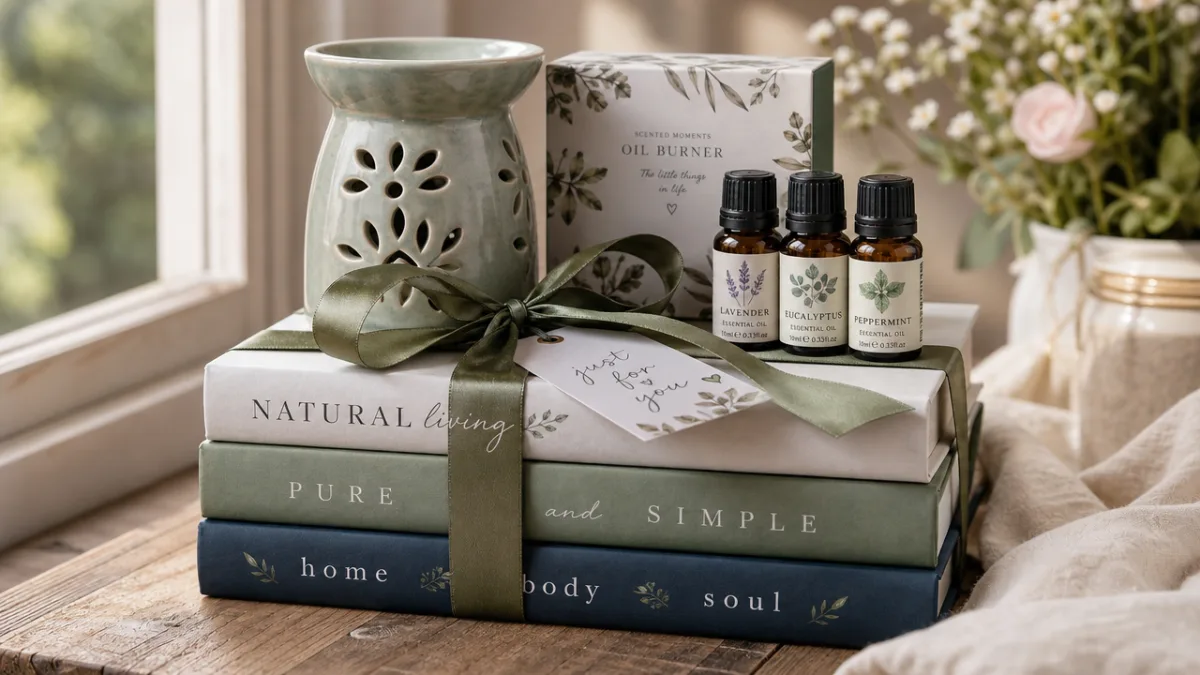
The price point of most book stack oil burners falls within the range that feels genuinely generous without being extravagant, typically between fifteen and forty-five pounds or dollars depending on the quality and maker. This positions the piece perfectly as a birthday gift, a housewarming present, a teacher appreciation gift, a holiday stocking filler, or a thoughtful end-of-year thank-you. Pairing the burner with a small selection of complementary essential oils or a set of literary-themed wax melts elevates the gift further and gives the recipient everything they need to enjoy it immediately.
For those who enjoy supporting independent makers and small businesses, purchasing a book stack oil burner from an artisan ceramic artist or a small homeware brand adds another layer of meaning to the gift. Platforms dedicated to handmade goods frequently feature beautiful, one-of-a-kind versions of the design, each painted individually and carrying the subtle variations and personality that distinguish handmade work from mass-produced alternatives. Giving a handmade piece also aligns well with the literary and independent-spirited values that the book stack aesthetic represents, making the gift coherent and thoughtful on multiple levels.
Where to Find the Best Book Stack Oil Burners
The book stack oil burner is widely available across a range of retail channels, from large online marketplaces to specialist homeware boutiques and independent gift shops. The quality and character of available designs varies enormously, however, and it is worth knowing where to look for the best examples. Online marketplaces that focus on handmade and vintage goods are consistently the best source for unique, high-quality versions of the design, as they connect buyers directly with the ceramic artists and small-batch makers who produce the most beautifully crafted pieces.
Independent homeware shops and gift boutiques — particularly those with a literary or arts-and-crafts focus — frequently stock curated selections of book stack burners alongside complementary products like literary candles, book-scented room sprays, and reading-themed stationery. Shopping in these environments offers the advantage of being able to see and handle the piece before purchasing, assessing the quality of the paintwork, the weight and solidity of the ceramic, and the depth and finish of the oil dish. It also supports local businesses and the broader independent retail ecosystem that tends to champion this kind of creative, design-led product.
When shopping online, look for the following quality indicators to ensure you are getting a piece worth having:
- Clear, high-resolution product photography that shows the piece from multiple angles, including a close-up of the painted book spines and the oil dish from above.
- Detailed material descriptions specifying whether the piece is ceramic, resin, or another material, and whether the paintwork is hand-applied or printed.
- Positive customer reviews that specifically mention the quality of the finish, the accuracy of the colours compared to the product images, and the experience of using the piece with a lit candle.
- Clear dimensions so you can assess whether the piece will fit comfortably in your intended space without overwhelming or being dwarfed by surrounding objects.
- Responsive seller communication, particularly important when purchasing from independent makers, as it indicates a seller who takes pride in their products and their customer relationships.
The book stack oil burner is, ultimately, the kind of object that rewards careful selection. A well-chosen piece will become a genuine fixture of your home environment, sitting comfortably alongside your actual books and contributing meaningfully to the atmosphere of the spaces where you rest, read, and think. It is a small thing, but small things chosen well have an outsized impact on how a home feels — and how the people within it feel about being there.








What do you think?
It is nice to know your opinion. Leave a comment.