










21 Trending Free Sewing Patterns of 2026: Your Complete Guide to the Year’s Most Popular Designs
Why Free Sewing Patterns Are Dominating the Crafting World in 2026
The sewing community has experienced a remarkable renaissance over the past few years, and 2026 has proven to be the most exciting year yet for home sewists of every skill level. What was once considered a niche hobby practiced by a dedicated few has exploded into a mainstream creative pursuit embraced by millions of people around the world. Social platforms like Pinterest, Instagram, and dedicated sewing forums have transformed how patterns are discovered, shared, and celebrated, making it easier than ever for talented designers to offer their work to the community at no cost.
Free sewing patterns have democratized the craft in ways that were difficult to imagine even a decade ago. Experienced designers are increasingly choosing to offer high-quality, professionally drafted patterns at no charge, either as a way to build their brand, share their love of the craft, or simply give back to a community that has given so much to them. This generosity has created an almost overwhelming abundance of excellent options for sewists who want to create beautiful garments, accessories, and home goods without spending a fortune on pattern purchases before they even buy fabric.
The patterns trending most heavily in 2026 reflect broader shifts in fashion and lifestyle, including a strong preference for comfortable silhouettes, sustainable construction techniques, and versatile pieces that transition easily from one setting to another. Whether you are a complete beginner picking up a needle and thread for the first time or an experienced sewist looking to expand your repertoire, this year’s most popular free patterns have something genuinely exciting to offer. The diversity of styles, techniques, and garment types available for free has never been greater, making 2026 a landmark year in the history of home sewing.
The Rise of Digital Pattern Distribution
One of the most significant factors driving the popularity of free sewing patterns in 2026 is the continued refinement of digital pattern distribution. Designers can now offer beautifully illustrated, multi-size PDF patterns that sewists can download instantly and print at home or at a local print shop. The days of waiting for a pattern envelope to arrive in the mail are long gone for most modern sewists, replaced by an immediate and deeply satisfying process of discovery, download, and creation that fits neatly into busy contemporary schedules.
Digital distribution has also made it possible for independent designers who might never have been able to break into traditional pattern publishing to share their work with enormous audiences. A talented sewist in a small town can now design a pattern, offer it for free on their website or through a platform like Etsy or Seamwork, and watch it become a global phenomenon within days. This has resulted in a much more diverse and representative range of pattern styles and size offerings, with many independent designers prioritizing inclusive sizing, diverse fit models, and construction methods that work for bodies of all shapes.
The community aspect of digital pattern sharing has also evolved beautifully. When a pattern is released for free, hundreds or even thousands of sewists make it simultaneously and share their results online, creating a rich ecosystem of inspiration, troubleshooting, and adaptation. Hashtags dedicated to specific patterns gather tens of thousands of posts, forming vibrant virtual sewing circles where tips are shared, variations are celebrated, and the collective knowledge of the community makes every sewist more successful. This communal energy is part of what makes free patterns so appealing in 2026.
Top Trending Garment Patterns for Women in 2026
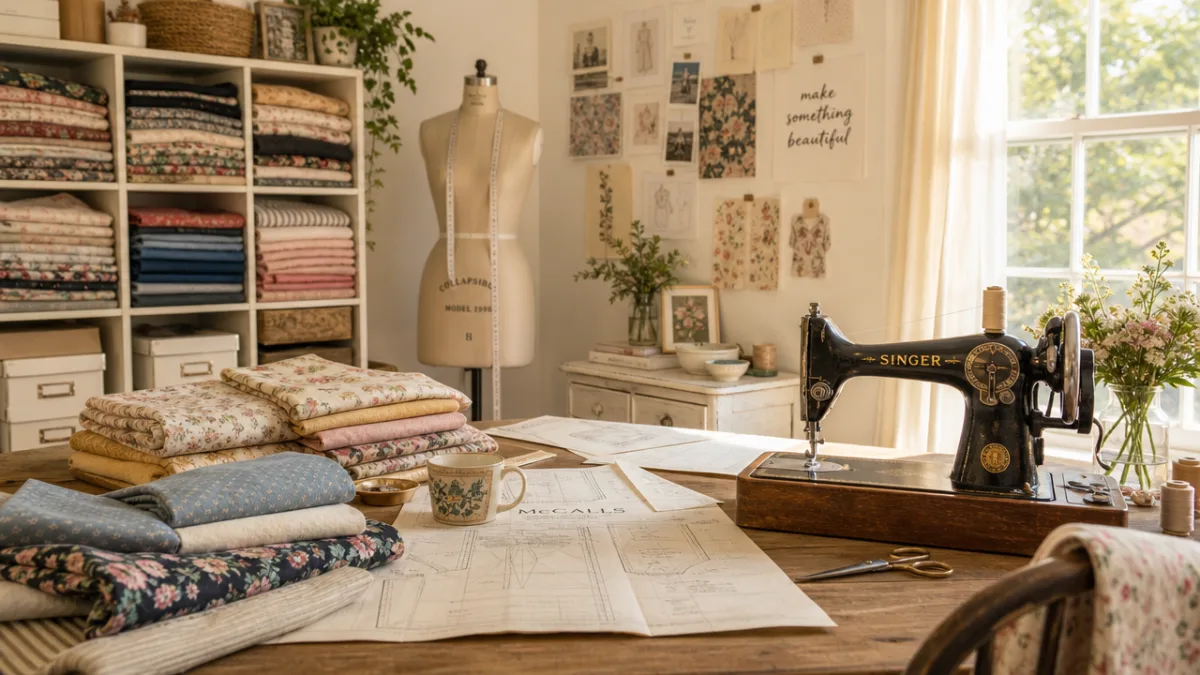
Women’s garment patterns are dominating the trending lists this year, with a clear preference for designs that balance style and practicality. The oversized linen shirt dress has emerged as perhaps the single most-sewn pattern of 2026, beloved for its simple construction, flattering silhouette, and extraordinary versatility. Free versions of this pattern are available from multiple designers, each offering slight variations in collar style, sleeve length, and pocket placement that allow sewists to personalize their finished garment. The pattern suits a wide range of fabrics, from crisp cotton shirting to flowing viscose, making it endlessly adaptable.
Wide-leg trousers have also maintained their dominant position in the sewing community’s consciousness, with several excellent free patterns available for styles ranging from casual pull-on lounge pants to more tailored high-waisted designs suitable for office or evening wear. The appeal of sewing your own trousers lies partly in the fit customization that home sewing allows, since off-the-rack trousers rarely accommodate the full diversity of body shapes and proportions. Free trouser patterns in 2026 tend to be drafted with generous seam allowances and clear guidance on how to adjust the rise, inseam, and waist measurements to suit individual figures.
Wrap skirts, tiered midi skirts, and elasticated waist designs round out the most popular women’s garment patterns of the year. These styles appeal to sewists at every experience level because they require minimal fitting and can be completed in an afternoon or weekend, providing the immensely satisfying experience of wearing something you made yourself without requiring weeks of labor. Many of the most popular free wrap skirt patterns in 2026 include options for multiple lengths, adjustable ties, and optional pockets, acknowledging the universal desire for functional, beautiful clothing that actually meets the wearer’s needs.
Sustainable and Slow Fashion Influences
The slow fashion movement has had a profound influence on which patterns trend most heavily in 2026. Sewists are increasingly choosing patterns that prioritize quality construction, longevity, and the use of sustainable or ethically sourced fabrics. This has elevated patterns for classic, enduring styles over trend-driven fast fashion replicas, with designs for well-constructed blazers, sturdy denim pieces, and heirloom-quality linen garments all performing particularly well in the trending charts. The philosophy of making fewer, better things has found its natural home in the sewing community.
Many of the most popular free patterns of 2026 include detailed guidance on fabric selection that specifically addresses sustainability, pointing sewists toward natural fibers, deadstock fabrics, and upcycled materials. Some designers have gone further, offering patterns specifically designed to be made from repurposed garments or fabric scraps, minimizing waste while creating something genuinely new and beautiful. These zero-waste and low-waste approaches resonate strongly with a generation of crafters who care deeply about their environmental impact and want their creative practices to align with their values.
The slow fashion influence has also elevated the importance of skill development within the trending pattern landscape. Patterns that teach useful techniques, such as bound buttonholes, flat-felled seams, or French seams, tend to attract considerable attention because they offer not just a finished garment but a lasting improvement in the sewist’s abilities. Free patterns accompanied by comprehensive video tutorials, illustrated step-by-step guides, and active online communities where questions are welcomed have become particularly sought after, representing a holistic approach to pattern design that respects the learner’s journey.
Children’s and Baby Sewing Patterns Leading the Trends
Children’s and baby sewing patterns consistently rank among the most downloaded free patterns in any given year, and 2026 is no exception. There is something uniquely compelling about sewing for the small people in our lives, whether they are our own children, grandchildren, nieces and nephews, or the babies of beloved friends. The scale of children’s garments makes them relatively quick to complete, and the forgiving nature of children’s sizing means that even imperfect work tends to produce adorable results. The joy on a child’s face when they receive a handmade garment is, by most sewist’s accounts, one of the most rewarding experiences the craft offers.
The most trending children’s patterns of 2026 include a range of styles that reflect both the practical needs of active kids and the aesthetic preferences of style-conscious parents. Relaxed jogger pants with elastic waists and generous leg room have been downloaded hundreds of thousands of times from various free pattern sources, appreciated for their ease of construction and the endless fabric possibilities they offer. Oversized graphic tees, simple A-line dresses with smocked bodices, and classic dungaree overalls are also performing exceptionally well, giving sewists a diverse palette of options for building a handmade children’s wardrobe.
Baby patterns occupy their own special corner of the trending landscape, with heirloom-style garments experiencing a notable resurgence in popularity. Delicate smocked rompers, classic bishop dress patterns, and beautifully constructed christening or naming ceremony outfits have all seen significant upticks in engagement on sewing platforms in 2026. These patterns often require more technical skill than their simplicity might suggest, but the results are genuinely breathtaking and create garments that can be passed down through generations. The emotional weight of creating something so precious and lasting resonates deeply with the values driving the broader sewing renaissance.
Gender-Neutral and Inclusive Children’s Pattern Design
A particularly welcome trend in children’s free sewing patterns for 2026 is the strong movement toward gender-neutral designs that can be made for and worn by any child regardless of gender identity or presentation. Many of the year’s most popular children’s patterns deliberately avoid the pink-blue binary that has historically dominated children’s fashion, instead offering designs in versatile silhouettes that suit all children and can be made in any fabric or color palette the sewist chooses. This shift reflects broader cultural changes and the desire of many families to raise children in environments free from rigid gendered expectations.
Inclusive sizing has also become a priority in children’s pattern design, with more designers offering extended size ranges that accommodate children of all body types and growth patterns. Patterns that include options for adjustable waistbands, lengthening and shortening lines, and customizable proportions are particularly popular because they extend the wearable life of each garment and reduce the pressure of sewing precisely to a specific size. This practical approach to design makes the investment of time and fabric more worthwhile and results in clothing that children can actually grow into rather than out of almost immediately.
The community of sewists who make for children has developed its own rich culture of sharing and adaptation, with dedicated online groups, hashtags, and annual sew-alongs organized around specific children’s patterns. These communities are extraordinarily welcoming to beginners, recognizing that many people come to sewing specifically because they want to create something for a child they love. The encouragement, practical advice, and cheerful celebration of completed garments that characterizes these spaces makes them among the most positive corners of the broader sewing internet, and their energy has undoubtedly contributed to the continued popularity of children’s patterns in 2026.
Home Décor and Accessories Patterns Making Waves
Not all the trending free sewing patterns of 2026 are for wearable garments. Home décor and accessories patterns have carved out a substantial and enthusiastic following, attracting sewists who want to extend their craft beyond clothing and into every corner of their living spaces. The appeal of handmade home goods is both aesthetic and practical, since sewn items like cushion covers, table runners, storage baskets, and wall hangings can be customized in ways that mass-produced alternatives simply cannot match. When you sew your own home décor, you can match your exact color palette, choose fabrics with specific textures or prints, and create pieces that reflect your unique personality and taste.
The most popular free home décor patterns of 2026 include several standout designs that have achieved remarkable reach across the sewing community. Gathered linen cushion covers with hidden envelope closures have become ubiquitous in the handmade home interior space, loved for their simplicity, elegance, and the way they transform immediately when made in different fabrics. Reversible table runners, pleated fabric storage bins, and gathered fabric lampshade covers have all seen significant trending moments this year, each representing a project that is manageable for sewists of moderate experience while producing results that look genuinely professional.
Accessories patterns have shown particularly strong growth in 2026, driven partly by the popularity of handmade gifts and partly by the desire of many sewists to practice new techniques on smaller, lower-stakes projects before committing to a full garment. Tote bags remain perennially popular and the range of free tote bag patterns available has expanded enormously, from simple single-layer styles for absolute beginners to structured designs with interfaced panels, zippered inner pockets, and magnetic snap closures. Pouches, wallets, headbands, scrunchies, and fabric-covered notebooks round out the accessories trending list, offering something appealing for sewists at every experience level.
Quilting Patterns Experiencing a Major Revival
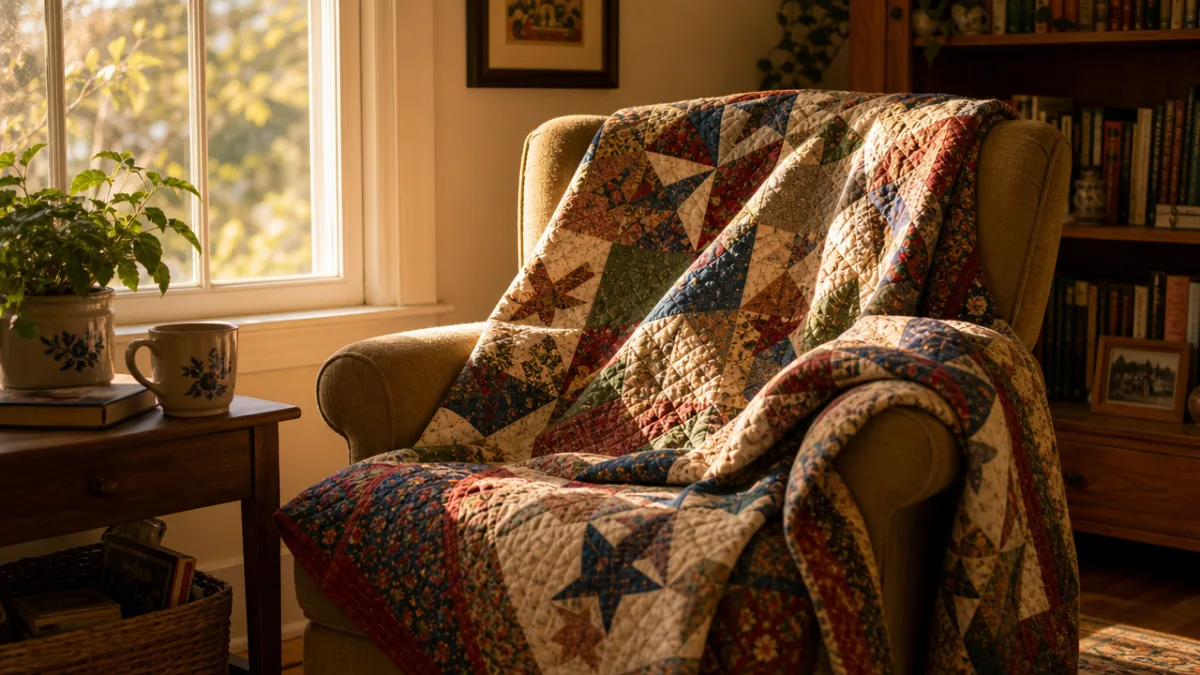
Quilting deserves its own dedicated mention in any survey of trending sewing patterns for 2026, because the ancient art of quilt-making has experienced a dramatic and enthusiastic revival that shows no signs of slowing. Free quilting patterns are among the most generously shared resources in the entire sewing community, with designers, fabric companies, and established quilting educators all offering beautiful designs at no cost as a way of nurturing the next generation of quilters. The range of styles currently trending spans from traditional geometric patterns to bold modern designs that would look at home in any contemporary interior.
The most downloaded free quilting patterns of 2026 tend toward designs that balance visual impact with construction accessibility, recognizing that many people coming to quilting for the first time need patterns that will teach fundamental skills without overwhelming them. Strip quilts, simple nine-patch designs, and modern minimalist patterns using large-scale pieces are performing particularly well, as are scrappy designs that encourage sewists to use their fabric stash rather than purchasing new materials. The stash-busting appeal of quilting resonates strongly with the sustainability values that animate so much of the 2026 sewing community.
Modern quilt designs have also embraced improv quilting techniques, where the traditional rules of precise measurement and perfect points are deliberately relaxed in favor of more organic, expressive construction. Free patterns for improv quilts and wonky log cabin designs have attracted enormous interest from sewists who love the idea of quilting but feel intimidated by the precision traditionally associated with the craft. This more relaxed approach has opened quilting up to a whole new audience and generated some of the most visually interesting and emotionally resonant finished pieces appearing on sewing social media throughout 2026.
Tips for Finding, Downloading, and Using Free Sewing Patterns Successfully
With such an abundance of free sewing patterns available in 2026, knowing how to find the best ones and use them successfully is an increasingly valuable skill. The sheer volume of options can feel overwhelming, and not all free patterns are created equal in terms of their accuracy, instructions, and overall quality. Developing a thoughtful approach to pattern discovery and evaluation will save you time, fabric, and frustration, and help you build a collection of reliable, go-to patterns that you return to again and again. The trending patterns covered in this article represent a curated selection of high-quality options, but the principles for finding good free patterns apply broadly.
When evaluating a free sewing pattern for the first time, several factors are worth considering before you commit your time and fabric to the project. Look for patterns that include multiple sizes with a clear size chart and measurement guidance, since a pattern sized only as small, medium, and large without body measurements provides little useful information. Check whether seam allowances are included or excluded, since this is a common source of confusion that can significantly affect your finished garment’s fit. Read through the instructions completely before beginning, and look for patterns that have been made and reviewed by other sewists, since community feedback is often the most reliable indicator of a pattern’s accuracy and clarity.
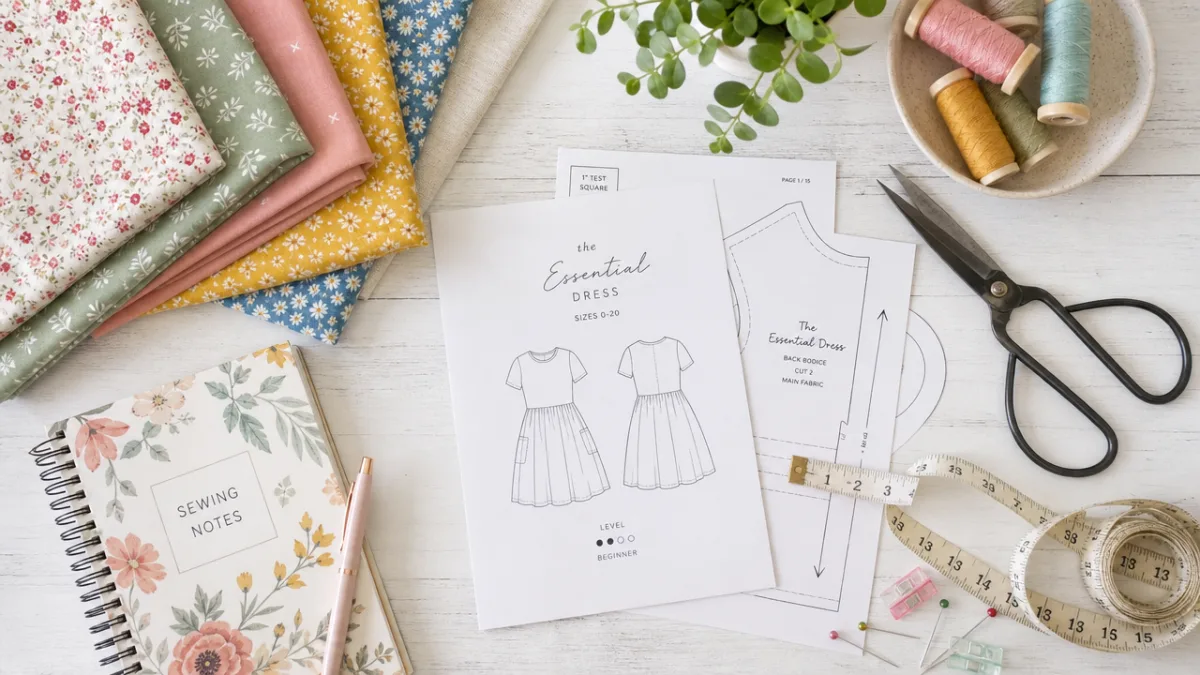
Printing and assembling PDF patterns is a skill in itself that many new sewists underestimate. Most free PDF sewing patterns are formatted as multiple letter or A4 size pages that must be printed, trimmed, and taped together to create the full-size pattern pieces. Always print a test square first and measure it carefully before printing all pages, since printer scaling settings can render a pattern completely unusable if not caught early. Consider investing in a copy of the pattern printed at a print shop on large format paper if the pattern will be used many times, since this creates a much more durable and convenient pattern tissue that does not need to be reassembled each time.
Building a Sustainable Free Pattern Library
One of the most rewarding aspects of engaging with free sewing patterns in 2026 is the opportunity to build a genuinely comprehensive personal pattern library without spending large sums of money. A thoughtful approach to building this library involves downloading patterns in categories that reflect your actual sewing interests and needs rather than accumulating everything available simply because it is free. Organization is key, and many experienced sewists recommend maintaining a digital folder system organized by garment type, a separate folder for patterns that have been made and tested, and a wishlist folder for patterns waiting to be tried.
Noting your modifications and adjustments on pattern pieces or in a sewing journal is a practice that pays enormous dividends over time. When you find that a pattern requires a certain amount of length adjustment, a broader hip curve, or a narrower shoulder seam to fit you well, recording those changes means you never have to rediscover them on a second or third make. Many experienced sewists also trace their patterns onto fresh paper before cutting and making any alterations, preserving the original intact for future use and allowing for experimentation without permanently modifying the pattern tissue.
Engaging with the communities that form around specific free patterns enhances the experience of using them enormously. When you join a dedicated Facebook group, follow a pattern-specific hashtag, or participate in a sew-along organized around a trending design, you gain access to a collective intelligence that can answer your questions, inspire your fabric choices, and help you troubleshoot any problems that arise. The generosity of experienced sewists in these communities is one of the most heartwarming aspects of the craft, and participating actively, sharing your own completed makes, and helping newer sewists with their questions is a meaningful way to contribute to the culture that makes free patterns possible and sustainable for the designers who create them.
- Always check the size chart and compare your measurements carefully before cutting any fabric, since pattern sizing varies significantly between designers and countries.
- Read all pattern instructions from beginning to end before starting your project to identify any steps that may require additional materials, techniques, or preparation time.
- Join online communities dedicated to specific patterns to access tips, modifications, and troubleshooting advice from sewists who have already made the design.
- Keep a sewing journal or annotated pattern copies that record your personal adjustments for each pattern, saving time on future makes of the same design.
- Consider supporting free pattern designers by purchasing their premium patterns, leaving positive reviews, sharing your finished makes online with credit to the designer, and engaging with their social media content.
- Organize your downloaded patterns immediately upon saving them, using a consistent folder structure and naming convention that makes patterns easy to find later.
- Test new patterns in inexpensive fabric before cutting into precious or expensive materials, particularly for fitted garments where the consequences of poor fit are most visible.
The world of free sewing patterns in 2026 is richer, more diverse, and more technically accomplished than it has ever been before. The twenty-one trending patterns represented across this year’s most popular categories, from women’s garments and children’s clothing to home décor, accessories, and quilts, offer a compelling portrait of a community at the height of its creative powers. Whether you are approaching the sewing machine for the first time or celebrating decades of experience with the craft, the patterns trending this year have something genuinely wonderful to offer, and the communities that have formed around them are among the most welcoming and generous spaces in the creative world. Pick a pattern, choose your fabric, and enjoy the extraordinary pleasure of making something beautiful with your own hands.








What do you think?
It is nice to know your opinion. Leave a comment.