










10 Free Stuffed Animal Patterns: Your Complete Guide to Making Adorable Plush Toys
The Joy of Making Stuffed Animals from Scratch
There is something deeply satisfying about creating a stuffed animal with your own two hands. Whether you are a seasoned seamstress or someone just picking up a needle and thread for the first time, free stuffed animal patterns open up a world of creative possibility that store-bought toys simply cannot match. The ability to choose your own fabrics, customize colors, and add personal details transforms a simple sewing project into a deeply meaningful handmade gift or keepsake that can last for generations.
Handmade stuffed animals carry an emotional weight that mass-produced toys lack entirely. When a child receives a lovingly sewn plush companion, they are holding hours of careful work, creative decision-making, and genuine affection all bundled into one soft, huggable form. This is especially true when the maker tailors the toy to the child’s favorite colors or adds embroidered details that make it uniquely theirs. The result is not just a toy but a treasured heirloom that may be passed down through a family for decades to come.
The great news for beginners and experienced crafters alike is that free templates have never been more accessible. Websites like LindaHagans.com have made it possible for anyone with a printer and basic sewing supplies to get started without spending money on expensive commercial patterns. These free resources democratize the craft, inviting makers from all skill levels and budget ranges to experience the pleasure of bringing a charming plush creature to life from a flat piece of fabric and a handful of polyfill stuffing.
Why Free Patterns Are Perfect for Beginners
Starting with free patterns allows new sewers to experiment without the pressure of having invested money in materials they might not yet know how to use correctly. When there is no financial cost attached to a pattern, a beginner can print it out, attempt the project, make mistakes, learn from those mistakes, and try again without any sense of wasted resources. This low-stakes environment is actually ideal for skill development and helps new crafters build confidence quickly and enjoyably.
Free patterns also tend to come with generous communities of other makers who have already worked through the same templates and can offer tips, troubleshooting advice, and encouragement online. Forums, Facebook groups, Pinterest boards, and YouTube tutorials are filled with people sharing their finished versions of popular free patterns, which means any beginner can look at dozens of completed examples before even cutting their first piece of fabric. This visual reference library is invaluable for understanding how a flat template transforms into a three-dimensional stuffed animal.
Many free stuffed animal patterns are also specifically designed with accessibility in mind, using simple geometric shapes, minimal pieces, and straightforward construction methods that do not require advanced techniques like set-in sleeves or complex darts. A beginner who starts with a basic bear or bunny pattern can quickly feel a genuine sense of accomplishment, which naturally fuels the desire to tackle increasingly complex projects over time. Success breeds success, and a good free pattern is often the spark that turns a casual interest into a lifelong sewing hobby.
Essential Materials and Tools for Stuffed Animal Sewing
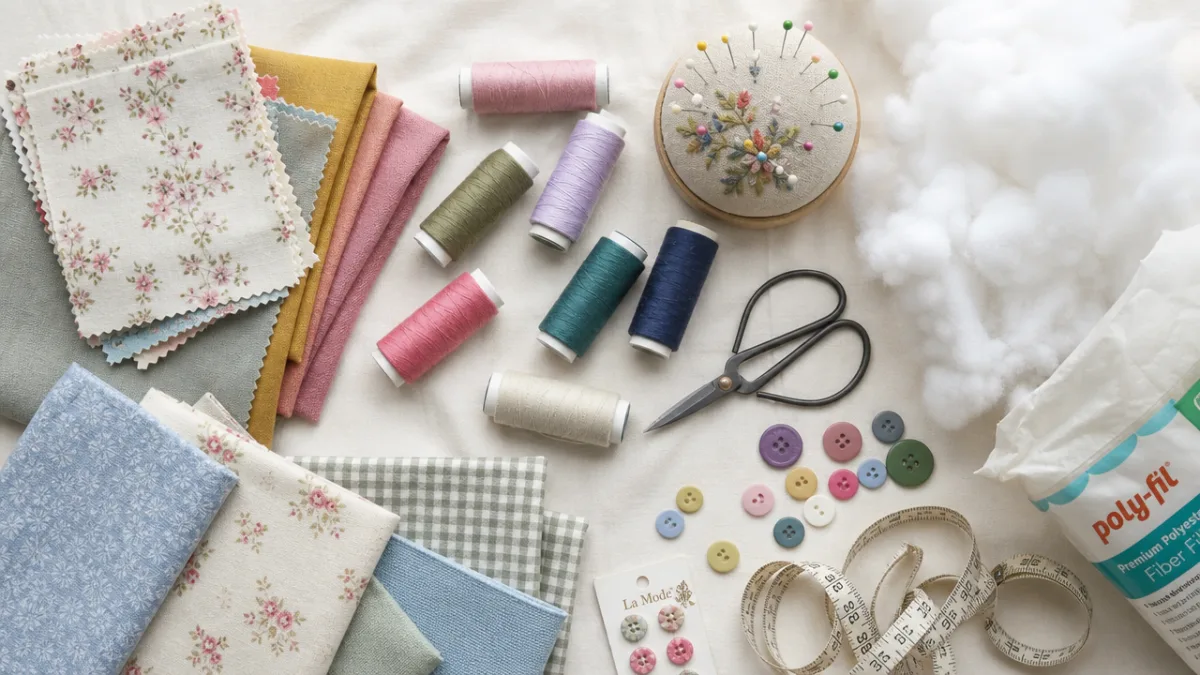
Before diving into any stuffed animal pattern, it is important to gather the right materials and understand what each one contributes to the finished toy. The fabric choice alone can dramatically change the look, feel, and durability of a plush creation. Minky and fleece are perennial favorites because they are soft, stretchy, and forgiving for beginners, while cotton quilting fabric offers a crisper finish and is easier to cut precisely. Each fabric type has its own personality, and experimenting with different materials is part of the fun of the craft.
Beyond fabric, the quality of your stuffing material matters enormously for the final appearance and longevity of a stuffed animal. Polyester fiberfill is the most common choice and is widely available at craft stores in various loft levels. High-loft fiberfill produces a very full, round, plump toy, while lower-loft options create a flatter, more floppy aesthetic. Some makers prefer to use pellets in certain areas like paws and bottoms to add weight and help the animal sit upright naturally, combining fiberfill and pellets for the best of both qualities.
The tools you keep on hand will also significantly affect your sewing experience and the quality of your finished toys. A good pair of fabric scissors that you use exclusively for cutting fabric is essential, as is a rotary cutter and self-healing mat for cutting multiple layers efficiently. Sharp hand-sewing needles for closing seams and attaching safety eyes, quality thread that matches your fabric, and proper pins or wonder clips to hold pieces together all contribute to a smoother, more professional result. Investing in a few quality tools at the outset makes every pattern you attempt more enjoyable and successful.
- Fabric options: Minky, fleece, felt, cotton quilting fabric, faux fur, velvet, and cuddle fabric each create a distinctly different look and texture for finished toys.
- Stuffing materials: Polyester fiberfill, plastic pellets, organic cotton stuffing, and lavender-scented fill are all popular choices depending on the intended use of the toy.
- Essential tools: Fabric scissors, rotary cutter, self-healing mat, turning tools, stuffing forks, sewing machine, hand-sewing needles, and disappearing ink fabric markers.
- Safety components: Safety eyes, safety noses, embroidery floss for facial features, and ribbon or trim for decorative details.
Overview of 10 Popular Free Stuffed Animal Pattern Styles
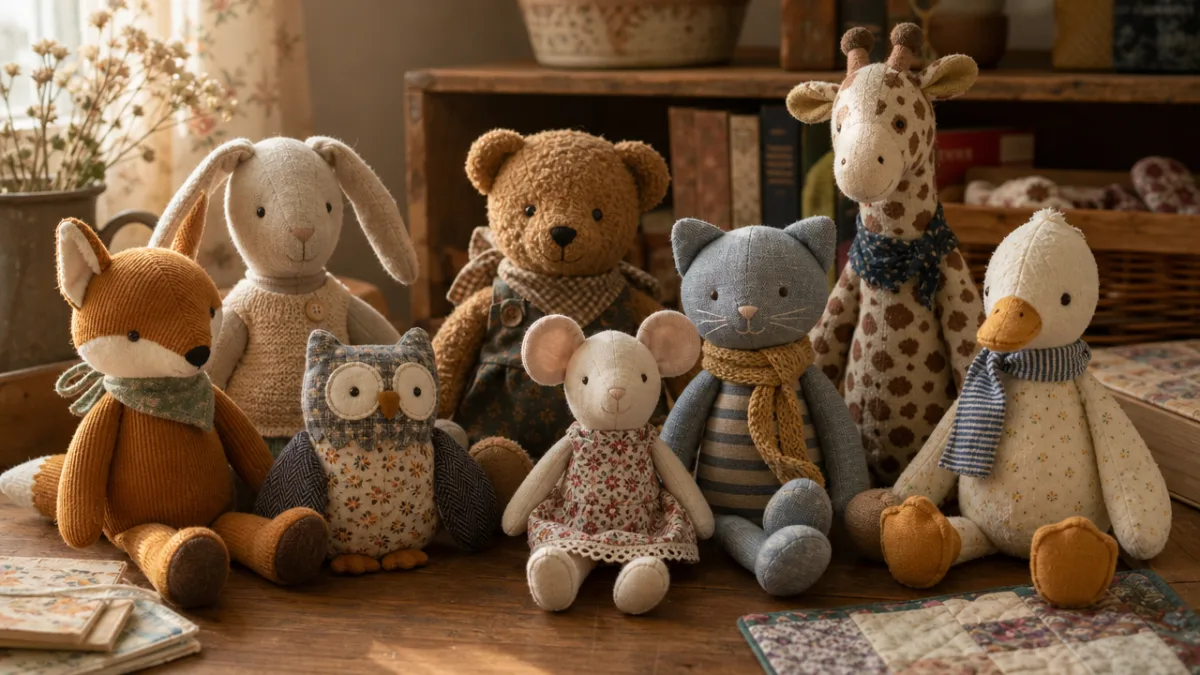
The variety of free stuffed animal patterns available online is genuinely staggering, ranging from classic teddy bears and floppy bunnies to whimsical woodland creatures and fantastical mythical beasts. Understanding the general categories of patterns available helps crafters identify which projects align best with their current skill level and the preferences of whoever they are making the toy for. A simple two-piece bear pattern might take a beginner an afternoon, while an articulated elephant with detailed ears and a poseable trunk could occupy a skilled sewer for several days of focused work.
Classic animal patterns like bears, cats, dogs, and rabbits remain the most searched and downloaded free patterns because they have the broadest appeal and suit the widest range of recipients. These timeless designs often feature simple, rounded body shapes with separate limb pieces and minimal facial detail, making them both approachable for beginners and endlessly customizable for more experienced makers. A basic bear template, for example, can become a polar bear, a panda, a teddy in vintage clothing, or even a whimsical fantasy bear simply by changing the fabric and adding a few embellishments.
More adventurous free patterns venture into the territory of realistic animals, fantasy creatures, and pop culture characters, offering experienced sewers the opportunity to push their skills significantly further. Dragon patterns with layered wings and textured scales, unicorn patterns with carefully constructed horns and flowing mane details, and ocean creatures with intricate color blocking and dimensional fins represent the higher end of what free patterns make possible. These projects often require a broader toolkit and more patience, but the results are extraordinary and deeply impressive to anyone who receives one as a gift.
Beginner-Friendly Patterns to Start With
For those who are brand new to stuffed animal sewing, the wisest strategy is to begin with patterns that have very few pieces, use simple seams, and do not require any advanced techniques like gussets, darts, or curved seams that need careful clipping and notching. A simple elephant made from just four or five pattern pieces, for example, is a popular starting point because the body is largely cylindrical and the construction is straightforward even for someone who has never sewn a three-dimensional object before. Success with a simple first project builds the confidence needed to attempt something more complex next time.
Bear and bunny patterns designed specifically for beginners often include very detailed written instructions alongside the templates themselves, walking makers through each step of the construction process in a logical sequence that prevents common errors like sewing pieces together in the wrong order. These guided patterns are enormously helpful for building an intuitive understanding of how a flat pattern translates into a three-dimensional form, a conceptual leap that can be confusing at first but becomes second nature with practice. Many of these beginner-friendly resources are available completely free with a simple download, no email required.
Felt stuffed animals represent another excellent entry point for absolute beginners because felt does not fray, requires no hemming or finishing, and can be sewn by hand with simple whipstitch or blanket stitch in lieu of a sewing machine. A hand-sewn felt owl or hedgehog can be completed in just an hour or two and makes an adorable finished object despite the minimal investment of time and materials. This makes felt patterns particularly popular for children’s craft projects, classroom activities, and anyone who wants to make something sweet and handmade without committing to a full sewing setup.
Tips for Customizing and Personalizing Your Plush Creations
One of the greatest advantages of working from a pattern rather than purchasing a finished toy is the near-limitless opportunity for customization that the process affords. Every design decision from fabric selection and color palette to embellishments and accessories represents a chance to make a generic template into something completely unique and personal. A standard bunny pattern becomes a one-of-a-kind gift when made in a child’s favorite color with their name embroidered on one paw and a tiny matching bow around its neck that echoes the birthday party’s theme.
Fabric choice is arguably the single most impactful customization decision a maker can make, as it determines the overall mood, texture, and personality of the finished animal. A bear made from soft caramel-colored minky reads as classic and cozy, while the same pattern executed in bold geometric quilting cotton gives a completely different, more graphic and contemporary result. Choosing faux fur for a realistic wolf or rabbit pattern immediately elevates the finished piece to a level of sophistication that is genuinely impressive and often indistinguishable from professional commercial plush at first glance.
Embroidered details offer another rich avenue for personalization that goes far beyond simply choosing a fabric. The style, size, and placement of a stuffed animal’s facial features fundamentally determine its entire personality and emotional expression. A wide-set pair of eyes with a small, slightly curved smile creates an innocent, gentle expression, while closer-set eyes with more arched brows read as spunky or mischievous. Many makers spend considerable time planning facial embroidery before committing it to fabric, using pins or water-soluble markers to experiment with placement until the expression feels exactly right.
- Choose fabric intentionally: Consider the recipient’s age, the toy’s purpose, and the desired aesthetic before selecting your fabric, as this single decision shapes everything else about the finished piece.
- Plan the face carefully: Sketch or use pins to experiment with eye placement and facial expression before committing to embroidery or inserting safety eyes permanently.
- Add accessories: Small sewn outfits, felt hats, ribbon bows, or tiny backpacks can elevate a simple stuffed animal into a complete character with its own story and personality.
- Personalize with embroidery: Adding a name, date, or short phrase in embroidery floss transforms any stuffed animal into a keepsake that commemorates a specific person or occasion.
- Experiment with scale: Many patterns can be enlarged or reduced on a photocopier to create miniature versions or oversized statement pieces from the same basic template.
Safety Considerations for Handmade Stuffed Toys
Safety is a paramount concern whenever making stuffed animals intended for children, particularly infants and toddlers who explore the world through their mouths and can be harmed by small parts that detach unexpectedly. Understanding the distinction between toys appropriate for different age groups is essential for any maker who intends to gift handmade plush items to young children. A beautifully crafted stuffed animal with plastic safety eyes and a button nose might be perfectly appropriate for a five-year-old but poses a genuine choking risk for any child under three years of age.
For toys intended for babies and very young toddlers, embroidered facial features are always the safest choice because they are completely integrated into the fabric of the toy and cannot be pulled loose regardless of how determined the child might be. Safety eyes, despite their name and the locking mechanism behind the fabric, can occasionally be removed by persistent children and should be used with appropriate caution. Many pattern designers specifically note the intended age range for their designs, and following these recommendations is an important step in responsible toy making that protects the children who will use the finished items.
The stuffing material inside a handmade toy should also meet safety standards, particularly if the toy is intended for a young child. Polyester fiberfill sold for toy-making is generally considered safe and is tested to meet relevant standards in most countries, but makers should verify that the specific brand they are using is appropriate for children’s products. Organic and natural stuffing alternatives like organic cotton or wool can be excellent choices for parents who prefer to avoid synthetic materials, and these options are increasingly available at specialty craft retailers and online suppliers who cater to the handmade toy community.
Washing and Care Instructions for Stuffed Animals
Any stuffed animal made as a gift for a child will inevitably need to be washed, and planning for this reality during the construction phase saves considerable frustration later. Choosing fabrics and notions that can withstand machine washing, using colorfast threads and firmly attached embellishments, and constructing seams with generous seam allowances and good-quality thread all contribute to a toy that holds up well through the repeated washing cycles that a beloved stuffed animal inevitably endures over the course of a child’s life.
Including care instructions with any gifted handmade stuffed animal is a thoughtful and practical touch that parents genuinely appreciate. A small tag sewn into a seam or a printed card attached to the toy at the time of gifting can specify the recommended washing temperature, whether machine drying is safe, and whether any special precautions like removing accessories before washing are necessary. This information helps the recipient’s family maintain the toy in the best possible condition, extending its life significantly and preserving the maker’s careful work for as long as possible.
Some fabrics and stuffing materials require hand-washing or spot-cleaning only, and this limitation should be clearly communicated when gifting a toy made from these materials, particularly if the recipient is a young child for whom frequent washing is a practical necessity. Minky and cuddle fabrics, for example, can pill or develop static cling when machine dried and generally look better when air-dried after a gentle machine wash. Being honest and transparent about care requirements ensures that the recipient can maintain the toy properly and that the maker’s efforts are preserved in the best possible way over time.
Building a Stuffed Animal Sewing Practice and Community
Sewing stuffed animals is a craft that rewards consistent practice in ways that become increasingly apparent with each completed project. The first bear or bunny a new maker produces is rarely as polished as they had hoped, and this is entirely normal and expected. Seams may be slightly uneven, stuffing distribution might be imperfect, and the face might not look quite as charming as the reference photos suggested it would. None of these imperfections diminish the accomplishment of having made something three-dimensional and functional from flat pieces of fabric, and each one is a specific lesson that directly improves the next project.
Joining online communities dedicated to stuffed animal making can dramatically accelerate skill development by exposing new makers to a wide variety of techniques, pattern recommendations, and troubleshooting solutions they might never discover on their own. Instagram hashtags, Pinterest boards, Reddit communities, and dedicated Facebook groups are all excellent places to share work in progress, ask questions, and draw inspiration from other makers at every skill level from complete beginner to professional toy designer. The handmade plush community is generally warm, encouraging, and generous with knowledge, making it a particularly welcoming corner of the broader crafting world.
As skills develop and a maker becomes comfortable with a range of free patterns, the natural progression is to begin modifying existing templates or even designing original patterns from scratch. Understanding how pattern pieces relate to one another spatially, how seam allowances affect the finished dimensions of a toy, and how to engineer construction sequences that make assembly logical and efficient are all skills that develop gradually through repeated practice and attentive observation. Many professional plush toy designers began their careers working through free patterns exactly like the ones available on sites like LindaHagans.com, building foundational knowledge that eventually became the basis for original creative work.
Turning a Hobby into a Small Business
For makers who discover a genuine passion for stuffed animal sewing, there is a well-established pathway from hobbyist to small business owner that many crafters have successfully navigated. Platforms like Etsy, local craft fairs, and social media storefronts have made it easier than ever to sell handmade stuffed animals directly to appreciative customers who specifically seek out handcrafted, one-of-a-kind items that cannot be found in mainstream retail environments. The demand for quality handmade plush toys remains strong, particularly for custom orders that produce a toy based on a specific animal, color scheme, or character concept requested by the buyer.
It is important for anyone considering selling stuffed animals to understand the legal and ethical considerations around pattern use, as many pattern designers specifically prohibit the sale of items made from their patterns even when the pattern itself is offered for free. Reading the terms of use carefully for every pattern used in commercially sold work is not optional but essential, and respecting these boundaries is both ethically correct and practically wise since violating pattern copyrights can have real legal consequences. Many designers do offer commercial licenses either as part of their free patterns or for a modest additional fee, and purchasing these licenses is the right way to build a legitimate business on someone else’s creative foundation.
Pricing handmade stuffed animals appropriately is one of the most common challenges new sellers face, as the time investment in creating a high-quality plush toy is often much greater than customers initially expect it to be. A well-constructed stuffed animal that takes four to six hours to complete from cutting to finishing cannot be priced at the same level as a machine-made toy from a large retailer without severely undervaluing the maker’s time and skill. Educating potential customers about the value of handmade work, the quality of materials used, and the uniqueness of a custom or limited-edition piece is part of the ongoing work of running a sustainable handmade business that respects the maker’s labor appropriately.








What do you think?
It is nice to know your opinion. Leave a comment.