










The World of Crochet Vlogs: Your Ultimate Guide to Crafting Content and Community
What Is a Crochet Vlog and Why Should You Start One?
A crochet vlog is basically a video diary where you bring people along for your crocheting life — the projects you’re working on, the techniques you’ve been practicing, the little moments that make up a day spent with hooks and yarn. What makes vlogs so different from tutorials or static photos is that personal, “come hang out with me” energy. Viewers genuinely feel like they’re sitting at the crafting table right next to you. It’s no surprise they’ve taken off on YouTube, TikTok, and Instagram Reels — they’ve opened up a whole new corner of the fiber arts community.
Starting a crochet vlog is honestly one of the best decisions you can make as a crafter. It gives you a creative outlet that goes beyond the yarn itself, and it connects you with people all over the world who get just as excited about hooks and handmade things as you do. There’s also something unexpected about the process — when you film yourself and narrate what you’re doing, you naturally slow down and think more deeply about your craft. You start to articulate things you’d never really put into words before, and it genuinely makes you a better crocheter.
And here’s the thing: you don’t need a fancy setup to get started. Some of the most beloved crochet creators out there began with a smartphone propped against a stack of books and a window for light. What your viewers actually want is you — your passion, your personality, your real enthusiasm for this craft. That authenticity is what builds a loyal audience over time, and no amount of expensive gear can fake it.
Setting Up Your Crochet Vlogging Space
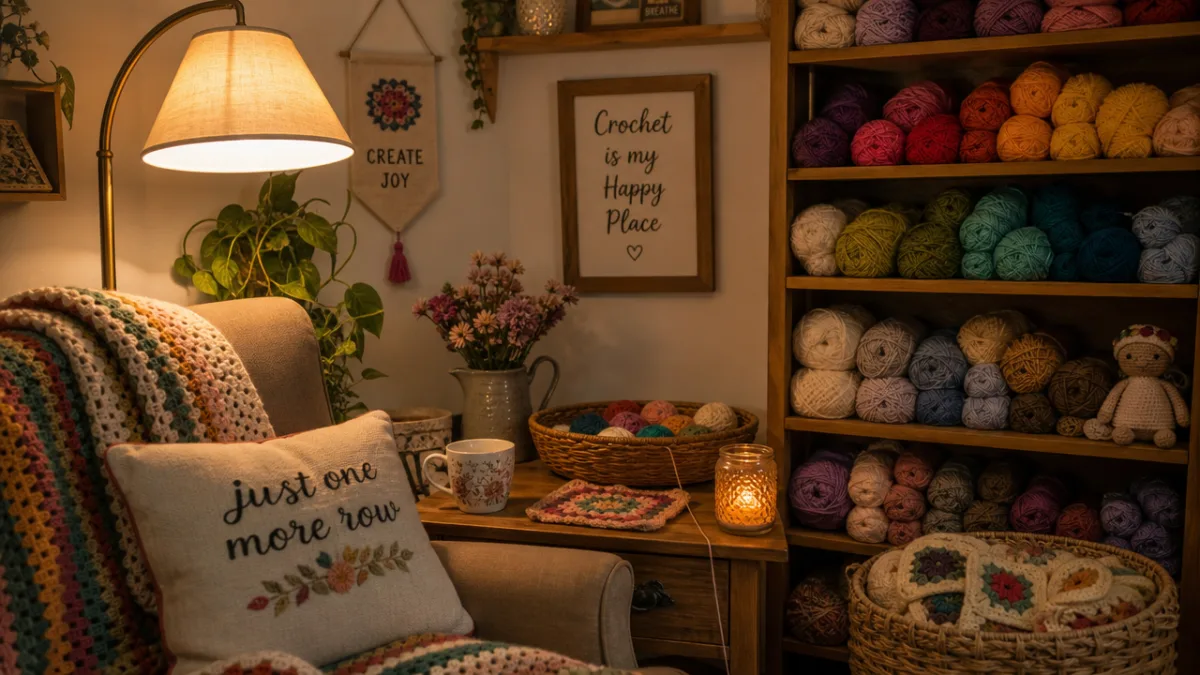
Where you film matters more than you might think. A tidy, visually inviting background makes your videos feel polished and gives people a reason to stay. You don’t need to overhaul your whole home — just carve out a cozy corner that feels like you. Think a comfy armchair, a shelf stocked with colorful yarn, a backdrop that isn’t visually chaotic. Even small, intentional touches can take your filming space from “random room” to something viewers actually want to look at.
If there’s one technical thing worth putting real thought into, it’s lighting. Natural light is the gold standard — filming by a big window during the day gives you soft, flattering illumination that keeps your yarn colors looking true to life. The catch is that natural light isn’t always reliable, especially in winter or during late-night crafting sessions. A ring light or a basic softbox kit is a worthwhile investment that gives you consistent lighting on your own schedule, so your hands and stitches always show up clearly on camera.
Sound is the other thing new vloggers tend to underestimate — and it’s actually more important than video quality. Viewers will forgive slightly shaky footage, but muffled or echoey audio is a quick way to lose someone. A clip-on lavalier mic is inexpensive and makes an immediate difference in how your voice comes across. Try to record somewhere reasonably quiet, and if background noise is unavoidable, most basic editing tools have noise reduction features that can clean things up nicely.
What to Include in Your Crochet Vlogs
One of the best things about the vlog format is that there’s no shortage of things to talk about. At its most basic, you can just document what you’re working on — showing a project evolve from that very first chain stitch all the way to the final weave-in of ends. These ongoing project updates are surprisingly compelling. Viewers get invested in the outcome the same way you’d get hooked on a serialized story, and that “will it turn out?” suspense keeps people coming back episode after episode.
Beyond project documentation, consider mixing in these types of content to keep things fresh and appeal to a wider audience:
- Yarn hauls and reviews: Share what you’ve been buying lately, talk about the fiber content and how it feels to work with, and give your honest take on whether it lives up to the hype.
- Pattern reviews: Walk through patterns you’ve actually tested — what made sense, what was confusing, and whether you’d recommend them to crafters at different skill levels.
- Stitch tutorials: Break down specific stitches or tricky techniques using close-up shots that really show your hand positioning and hook movement.
- Q&A sessions: Ask your viewers to send in their crochet questions and dedicate an episode to answering them — it’s a great way to deepen the conversation with your community.
- Finished object (FO) reveals: Give your completed projects the moment they deserve. Show them off from every angle and share the pattern, yarn details, and any changes you made along the way.
Personal storytelling is honestly where the magic happens in crochet vlogs. People come for the craft, but they stay for you. Sharing why you chose a certain project, how crocheting helps you decompress, or the story behind something you’re making for a loved one — that’s what turns a nice crafting video into something people genuinely feel connected to. Don’t be shy about letting viewers into your life beyond the yarn.
Seasonal and themed content is also worth planning around. Halloween amigurumi in October, a cozy blanket-along in January, spring colorwork in April — these naturally align with what your audience is already in the mood for and actively searching. A loose content calendar helps you stay a step ahead so you’re never scrambling for ideas at the last minute, which is one of the quickest roads to burnout for newer creators.
Building a Community Around Your Crochet Vlog
Community is really the whole point of crochet vlogging. The format naturally creates a sense of closeness that more polished, impersonal content just can’t replicate — and that intimacy is what turns casual viewers into people who genuinely care about your next upload. Responding to comments thoughtfully, asking real questions at the end of your videos, and calling out longtime viewers by name are small things that send a big message: you see your audience as actual people, not just a number on a view counter. That relational quality is what separates channels that grow from ones that stall.
Your other social media accounts are just as important as your main vlogging channel. Pinterest, Instagram, and TikTok each serve a different purpose and help you reach people in different ways. Pinning your thumbnails and project photos to Pinterest is especially useful because it keeps driving traffic to your videos long after the upload date — Pinterest works more like a search engine than a social feed, which means your older content keeps finding new eyes. Posting behind-the-scenes snippets to Instagram Stories or TikTok in between episodes gives your community little touchpoints to look forward to every day.
Collaborating with other crochet creators is one of the most fun and effective ways to grow. Organizing or joining a crochet-along — where a group of creators works through the same pattern together and shares their progress — builds shared excitement and naturally introduces your channel to new audiences. Guest appearances, shoutouts, and joint giveaways with creators whose work complements yours are all ways to cross-pollinate communities and connect with fiber artists who are already going to love what you’re doing.
Choosing Yarns and Projects for Vlog-Worthy Content
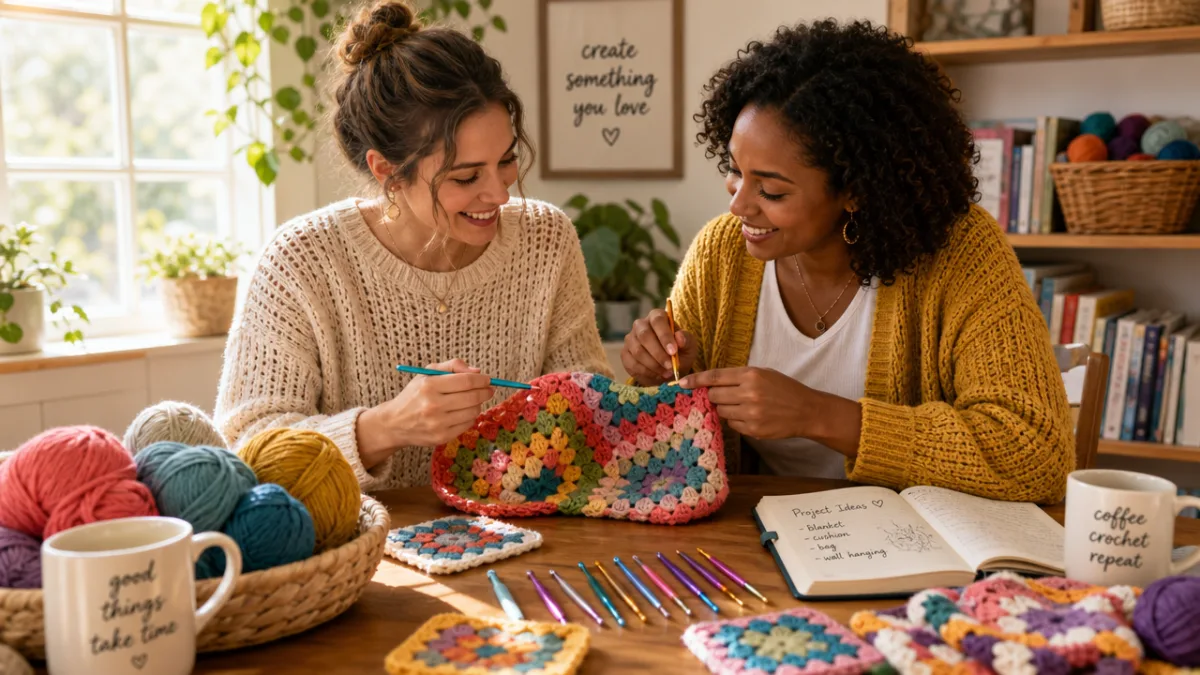
Not every project translates equally well to video, and after a while you start to develop a feel for what’s going to work on screen. Highly textured stitches, colorwork, and projects with satisfying visible progress tend to do really well. Viewers love watching a transformation unfold, so big blankets, intricate shawls, and cute amigurumi figures all make for compelling content throughout the filming process — and a really rewarding reveal at the end.
Yarn choice has a bigger impact on your visuals than you might expect. Rich, saturated colors and beautiful tonal gradients are naturally eye-catching in thumbnails and previews. Variegated, speckled, and hand-dyed skeins are especially good at generating excitement and comment engagement when you feature them in haul videos. That said, it’s just as important to include accessible, budget-friendly options in your content. If newer or more budget-conscious crafters in your audience can’t realistically follow along with your projects, they’re going to feel left out — and keeping them included is worth a lot.
Think about your audience’s skill level when you’re planning projects too. A channel that only ever features advanced techniques can be intimidating for beginners, but one that never ventures beyond basic stitches might not hold the interest of more experienced crafters. Rotating between approachable beginner-friendly projects and more ambitious ones keeps your channel valuable for a wide range of viewers. You might even consider labeling your content by skill level so new subscribers can easily figure out where to start in your library.
Monetizing Your Crochet Vlog and Turning Passion Into Income
Turning your crochet vlog into real income is absolutely doable — it just takes patience and a bit of strategy. The most obvious starting point is platform ad revenue, which kicks in once your channel hits certain subscriber and watch-hour thresholds on YouTube. It probably won’t replace a full-time income right away, but it creates a passive income foundation that grows as your channel does, and honestly, seeing that first check is a pretty great motivator to keep going.
Ad revenue is just one piece of the puzzle though. Most crochet vloggers build income from several different directions:
- Pattern sales: Designing and selling your own patterns on Ravelry, Etsy, or your own website is one of the most scalable things you can do. A well-written pattern can keep earning for years after you publish it.
- Affiliate marketing: Partnering with yarn companies or craft retailers and earning a commission on sales through your links fits naturally into product-heavy vlog content and doesn’t require a huge audience to get started.
- Brand sponsorships: As you grow, yarn brands, craft subscription boxes, and related businesses may reach out about paid sponsorships — either compensating you with payment or product in exchange for featuring them in your videos.
- Membership communities: Platforms like Patreon let your most dedicated fans support you directly in exchange for perks like early pattern access, exclusive behind-the-scenes vlogs, or members-only communities.
- Digital courses and workshops: Packaging your expertise into a structured online course or live virtual workshop creates a high-value product that your audience will actually pay a premium for.
However you approach monetization, your audience’s trust is the most valuable thing you have — and it’s worth protecting. Being upfront about sponsorships and affiliate links, only recommending things you genuinely like, and always putting your community’s interests first will do more for your long-term growth than any short-term deal. The creators who stay authentic consistently build better, more loyal audiences than those who chase income at the expense of that relationship.
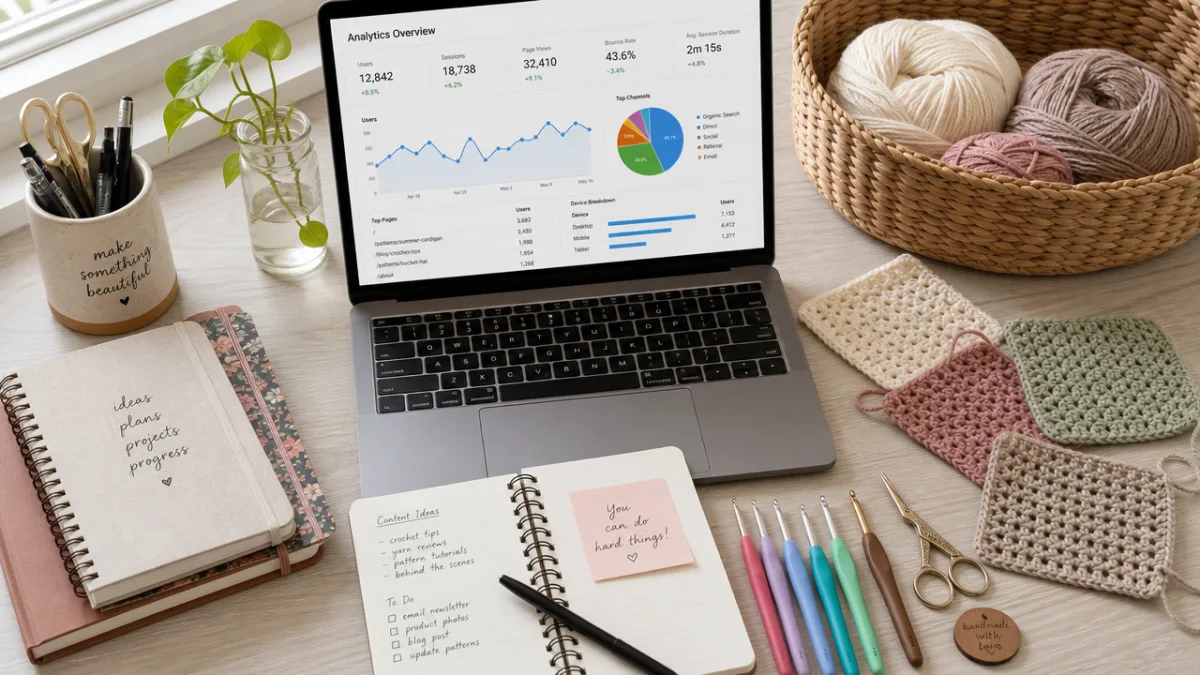
And remember: almost nobody makes meaningful money from their vlog in the first year or two. Many of the most successful and well-compensated fiber arts creators spent years building their audiences before things really clicked financially. Keep tracking your metrics, reinvest what you can into your setup and skills, celebrate the small wins, and stay rooted in your genuine love for the craft. That’s what will carry you through the slow stretches and keep you moving toward something sustainable.
Tips for Staying Consistent and Avoiding Burnout
Consistency is probably the thing crochet vloggers struggle with most — and honestly, it makes sense. Keeping up a regular upload schedule while also crocheting new projects, responding to comments, managing social media, and actually living your life is a lot. Building a sustainable production rhythm right from the start is so much easier than trying to fix an inconsistent posting habit after it’s already started dragging down your momentum and making you dread the camera.
Batch filming is one of the most practical things you can do to stay on schedule without burning yourself out. Instead of filming and editing one video from scratch every single week, try setting aside one afternoon or a weekend morning to film several episodes worth of footage in one go. You’re already dressed for camera, your space is already set up, and you’re in the right headspace — so you might as well make the most of it. That footage can then be edited and scheduled out in advance, which gives you a comfortable buffer for the weeks when life inevitably gets busy.
Knowing how to spot burnout before it gets bad is just as important as any filming strategy. If making videos starts to feel like a chore, or if you catch yourself feeling resentful toward your audience for expecting content, take that seriously — those feelings are telling you something. Give yourself real permission to take a planned break. Be honest with your community about where you’re at. And spend some time just crocheting for the pure pleasure of it, with no camera in sight. That kind of reset usually leads to a fresher perspective and a lot more enthusiasm when you’re ready to come back.








What do you think?
It is nice to know your opinion. Leave a comment.