










The Candle Snuffer with a Golden Handle: A Timeless Tool of Elegance and Function
A Brief History of the Candle Snuffer
The candle snuffer is one of those rare household objects that has managed to retain its essential form across centuries of human history. First appearing in European homes and places of worship during the medieval period, the snuffer was originally a practical necessity rather than a decorative accessory. Before the invention of modern wicking materials, candles required constant attention, and extinguishing them without causing a smoky mess was genuinely difficult. The snuffer solved this problem elegantly, giving household staff and clergy alike a reliable method for managing candlelight safely and cleanly.
By the Renaissance and Baroque periods, candle snuffers had evolved from simple functional tools into objects of considerable artistic ambition. Wealthy European households began commissioning snuffers crafted from silver, brass, and eventually gold-plated metals, often engraved with family crests or intricate floral patterns. The golden handle, in particular, became a mark of social distinction, signaling that a household valued beauty and refinement even in the smallest of daily rituals. Courts across France, England, and the Habsburg Empire kept snuffers as part of their formal candle service, presented on trays alongside matching accessories.
The Victorian era brought a renewed enthusiasm for decorative candle accessories, and the golden-handled snuffer enjoyed particular popularity during this period. As gaslight and eventually electric lighting began to replace candles as primary light sources, candles themselves were increasingly reserved for ceremony, romance, and religious observance — purposes that only heightened the demand for beautiful accompanying tools. The golden handle became not merely ornamental but symbolic, a small gesture of reverence toward the quiet ritual of candlelight itself.
The Anatomy of a Golden-Handled Candle Snuffer
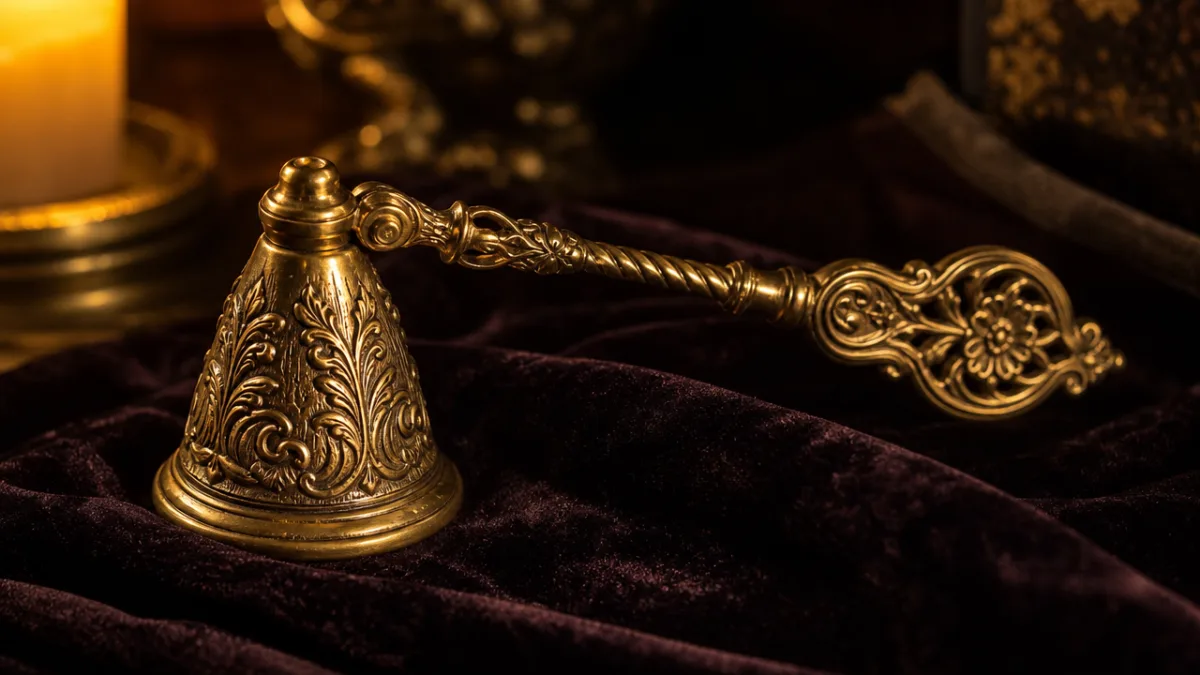
Understanding what makes a candle snuffer with a golden handle truly exceptional begins with a close examination of its physical components. The most important functional element is the cone or bell-shaped cap at the end of the implement, traditionally made from a heat-resistant metal such as brass, stainless steel, or silver-plated alloy. This cone must be perfectly proportioned — wide enough to cover a flame completely, but tapered finely enough to descend cleanly over the wick without disturbing the melted wax pool around it. The quality of this seal determines how effectively the snuffer cuts off oxygen and extinguishes the flame without producing billowing smoke.
The handle itself is where artisanship and aesthetics converge most dramatically. A golden handle may be achieved through several different techniques, each with its own characteristics and price points. Gold plating involves electrochemically depositing a thin layer of real gold over a base metal such as brass or zinc alloy. Gold-filled handles use a thicker layer of gold bonded under heat and pressure, resulting in greater durability. Solid gold handles, while exceedingly rare, do exist in antique examples and high-end bespoke commissions. Each approach produces a different warmth and depth of color, with solid gold displaying the richest, most nuanced hue.
The length of the handle is another critical design consideration. Most snuffers range between eight and fourteen inches in length, with longer handles allowing the user to extinguish tall pillar candles or candelabra without leaning uncomfortably close to the flame. The handle’s cross-section may be round, oval, or faceted, and premium examples often feature decorative elements such as twisted rope motifs, beaded detailing, or acanthus leaf carvings running along the shaft. Some handles are joined to the cone via a simple straight ferrule, while others incorporate an elegant curved or gooseneck transition that lends the piece a more sculptural silhouette.
Why Choose a Golden Handle: Symbolism, Aesthetics, and Lasting Value
Gold has carried profound symbolic weight across virtually every human culture throughout recorded history. Associated with the sun, with divinity, with permanence and incorruptibility, gold has long been used to elevate objects from the merely functional to the ceremonially significant. When a candle snuffer is crafted with a golden handle, it participates in this ancient tradition of consecrating everyday objects through beauty. Using such a tool becomes not just a practical act but a small ceremony in itself — a conscious slowing down and attending to the ritual of ending light, with all the quiet poetry that implies.
From a purely aesthetic standpoint, a golden handle harmonizes beautifully with the warm, amber tones of candlelight. Unlike silver or chrome, which can appear cold or clinical in flickering light, gold seems to absorb and reflect the warmth of the flame, creating a visual coherence between the tool and the element it manages. Interior designers frequently recommend golden candle accessories for rooms decorated in warm palettes — earthy terracottas, deep burgundies, ivory linens — where the metal’s tones reinforce rather than contrast with the surrounding environment. A golden snuffer placed beside a cluster of pillar candles on a dining table creates an effortlessly curated composition.
There is also the question of lasting value. Well-crafted golden-handled snuffers, especially antique or vintage examples, are collectible objects that can appreciate in monetary worth over time. Even contemporary pieces from reputable makers hold their value far better than mass-produced alternatives, because the quality of materials and craftsmanship is evident to any knowledgeable eye. Passing down a beautiful candle snuffer as a family heirloom is a genuinely meaningful gesture — a small but tangible link between generations who shared the same appreciation for candlelight and the implements that attend it.
Practically speaking, gold-plated and gold-filled handles are also more resistant to tarnishing than their silver counterparts, requiring less maintenance and cleaning over time. This resilience makes them particularly well suited to regular, daily use rather than being reserved only for special occasions. A golden snuffer that is used, admired, and cared for grows more beautiful with age, developing the subtle patina that only comes with years of thoughtful handling.
How to Use a Candle Snuffer Correctly
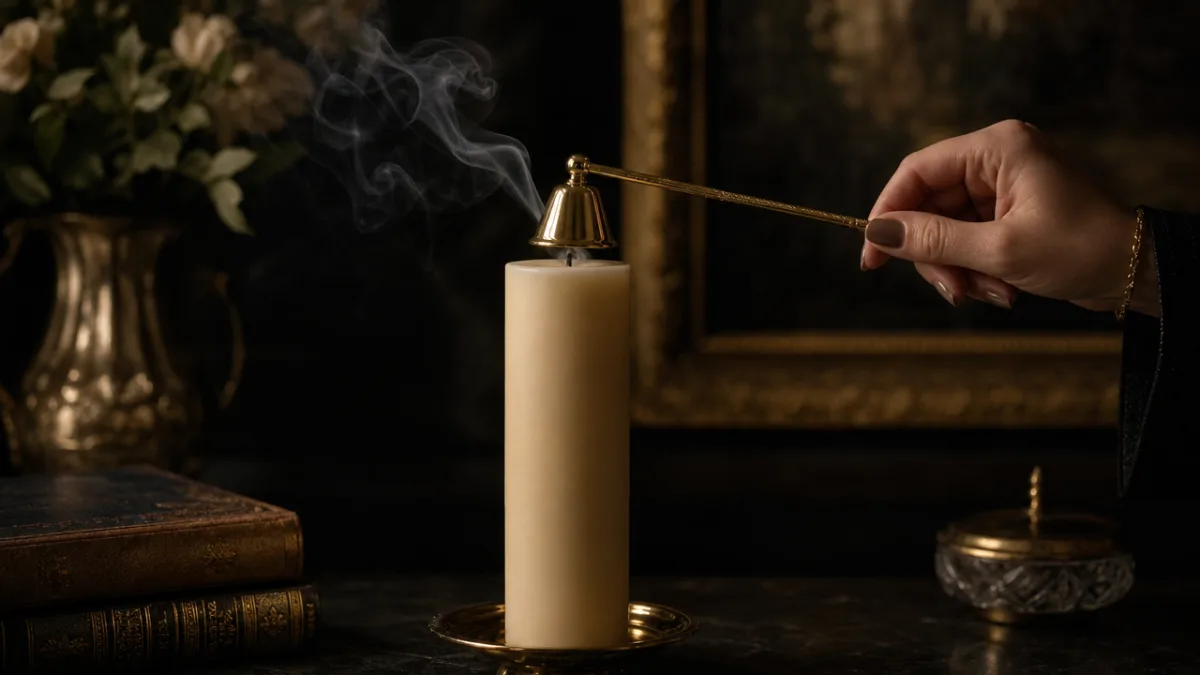
Many people who own a candle snuffer use it less effectively than they might because they have never been taught the proper technique. The most common mistake is hovering the cone too far above the flame, expecting the mere proximity of the cap to extinguish it. In reality, the cone must be lowered gently and deliberately until it fully covers the flame and rests just at the rim of the candle or sits close enough to the wick to cut off the oxygen supply completely. Once the flame is out, it is important to hold the cone in place for two or three seconds rather than immediately lifting it away, as this prevents the wick from reigniting from residual heat.
The angle of approach matters as well. Ideally, the snuffer should come down from directly above the candle in a straight vertical descent, rather than approaching from the side at a sharp angle. A lateral approach risks clipping the wick with the edge of the cone, which can dislodge small fragments of charred wick into the wax pool, diminishing the clarity and cleanliness of the candle for future use. For candles set deep within glass vessels or hurricane lamps, a longer handle is essential, and a slightly angled approach may be necessary — in which case, a slow, controlled movement is even more important.
After use, a well-maintained snuffer should be wiped clean with a soft dry cloth, paying particular attention to the interior of the cone where soot and wax residue can accumulate. Golden handles should never be cleaned with abrasive compounds or harsh chemical polishes, as these can strip the plating or dull the finish. A gentle wipe with a microfiber cloth, and occasional use of a gold-specific jewelry cleaner for deeper cleaning, will keep the handle gleaming for years. Storing the snuffer on a dedicated stand or in a padded box prevents scratches and keeps it ready to display as the decorative object it is.
- Lower the cone slowly and vertically over the flame until it is fully covered and the flame is extinguished.
- Hold the cone in place for two to three seconds after the flame goes out to prevent reignition.
- Avoid blowing on the candle after snuffing — this can scatter wax and produce more smoke than the snuffer alone.
- For candles in deep vessels, ensure the handle is long enough to allow a comfortable, controlled approach.
- Clean the cone and handle with a soft cloth after each use to prevent buildup of soot and residue.
Choosing the Right Golden-Handled Snuffer for Your Home
The market for candle snuffers ranges from mass-produced budget options available at home goods retailers to exquisitely crafted artisan pieces that function as genuine luxury collectibles. When selecting a golden-handled snuffer, the first consideration should be the quality and method of the gold finish. Electroplated pieces from reputable manufacturers can be excellent value and may last many years with proper care, but the layer of gold is thinner and more susceptible to wear in high-contact areas such as the grip zone of the handle. For a piece intended as a long-term heirloom or centrepiece, investing in a gold-filled or solid brass option with a deeper, more durable finish is well worth the additional cost.
The style of the piece should be considered in relation to the interior design of the spaces where it will be used and displayed. A sleekly minimal snuffer with clean lines and a brushed gold handle suits contemporary and Scandinavian-influenced interiors beautifully, sitting comfortably alongside modern candle brands and geometric candleholders. A more ornate piece featuring engraving, acanthus detailing, or a decorative ball finial at the top of the handle will feel at home in traditionally styled rooms, alongside antique furniture and classic candlestick holders. Transitional styles, with a gently curved handle and simple but graceful proportions, offer the most versatility across different design contexts.
Weight and balance are physical qualities that are difficult to assess online but become immediately apparent when a snuffer is held in the hand. A well-balanced piece should feel neither too heavy at the cone end nor so light as to feel insubstantial. The grip should sit comfortably in the palm, and the overall length should allow easy, controlled movement without requiring awkward repositioning of the hand. Whenever possible, handling a snuffer in person before purchasing is ideal — but when buying online, reading detailed customer reviews that address balance and feel can be a useful substitute.
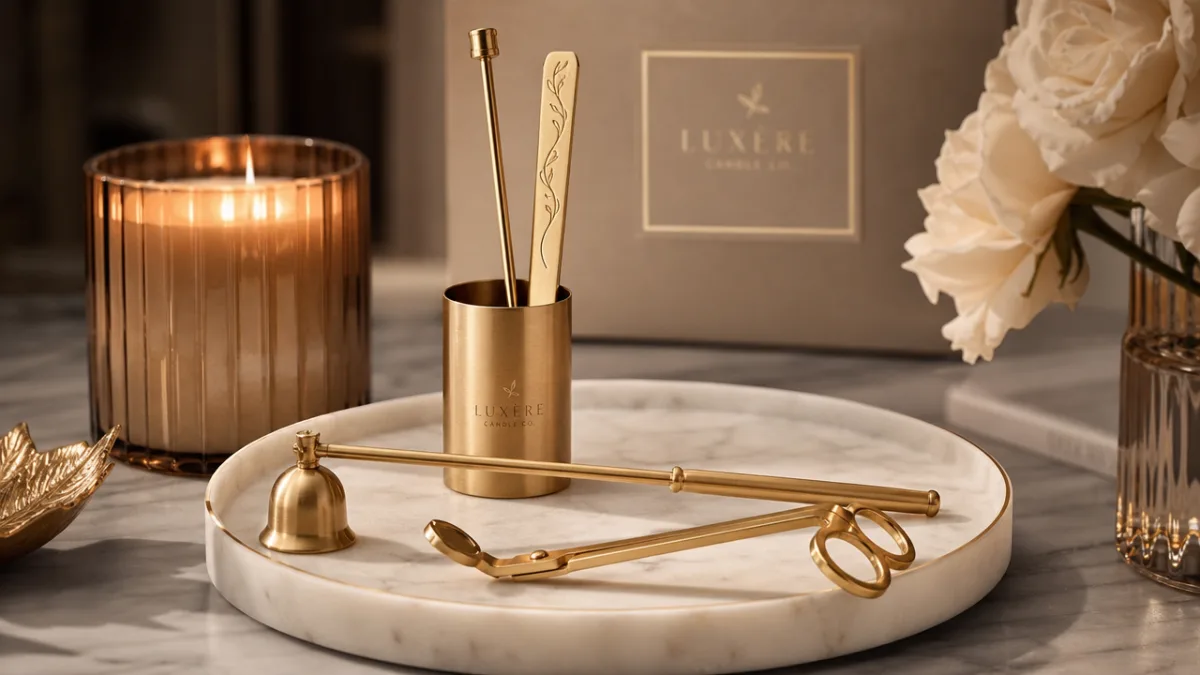
It is also worth considering whether you would like a matching set of candle accessories. Many manufacturers and artisan makers offer golden-handled snuffers as part of coordinated collections that include candle trimmers, wick dippers, and decorative trays. A curated set presented together on a tray creates a striking tabletop display and ensures visual coherence across all your candle care tools. Sets are often more economical than purchasing individual pieces separately and make particularly thoughtful gifts for weddings, housewarmings, or milestone celebrations.
The Golden Snuffer as a Gift and Collectible
A candle snuffer with a golden handle occupies an unusual and appealing niche in the world of gift-giving: it is simultaneously practical and beautiful, accessible and luxurious, contemporary in its use yet deeply rooted in centuries of tradition. This combination of qualities makes it an exceptionally versatile gift suitable for a wide range of recipients and occasions. Unlike purely decorative objects that may not suit every taste, or purely functional gadgets that lack emotional resonance, a golden snuffer has an inherent elegance that transcends personal style preferences and communicates genuine thoughtfulness on the part of the giver.
For collectors of antique silver and metalware, vintage candle snuffers represent an accessible entry point into a category that also includes some extraordinary museum-quality pieces. Antique markets, estate sales, and specialist dealers regularly offer Victorian and Edwardian examples in silver or gilded brass, many with their original cases or as part of complete candle service sets. These pieces often bear maker’s hallmarks that allow them to be dated and attributed with precision, adding a layer of historical interest to their aesthetic appeal. A hallmarked Victorian golden-handled snuffer carries within it a direct material connection to the hands and home that first used it — a kind of intimacy that no new object can replicate.
Contemporary artisan makers have also revived serious interest in high-quality candle accessories, producing golden snuffers that rival antique examples in their craftsmanship while incorporating modern design sensibilities. Small workshops in the United Kingdom, France, Italy, and Japan are producing pieces that blend traditional metalworking techniques with contemporary aesthetics, appealing to a new generation of consumers who value both beauty and provenance. Purchasing directly from an artisan maker often allows for personalisation — an engraved monogram, a custom handle length, or a bespoke finish — transforming an already beautiful object into something truly unique.
- For weddings and anniversaries, a personalized golden snuffer engraved with initials or a significant date makes a deeply romantic and lasting gift.
- For new homeowners, a snuffer paired with a selection of quality candles creates a luxurious and immediately usable housewarming present.
- For collectors of antique metalware, a Victorian hallmarked example sourced from a reputable dealer represents both a beautiful object and a sound investment.
- For lovers of ritual and mindfulness, a golden snuffer is a tangible invitation to slow down and bring intention to the simple act of ending the day by candlelight.
Caring for Your Golden-Handled Candle Snuffer Through the Years
The longevity and beauty of a golden-handled candle snuffer depend almost entirely on the care and attention it receives. Unlike many household objects that can tolerate benign neglect, a piece with a precious metal finish benefits from regular, gentle maintenance that prevents the gradual accumulation of tarnish, soot, and wax residue from diminishing its appearance. Fortunately, the care routine required is not complicated or time-consuming — a few minutes of attentive cleaning after each use, and a more thorough polish once or twice a year, is typically all that is needed to keep a well-made snuffer in outstanding condition for decades.
The most important daily habit is wiping the cone and handle with a soft, dry, lint-free cloth immediately after use, while any residue is still fresh and easy to remove. Soot that is allowed to sit on the interior of the cone will gradually bond to the metal surface and become progressively more difficult to clean without the risk of scratching. Warm water and a drop of mild dish soap, applied with a soft cloth and rinsed thoroughly, can address more stubborn residue, provided the piece is dried immediately and completely afterward to prevent water spots. Never submerge a golden-handled snuffer in water or run it through a dishwasher, as this can cause delamination of the plating and damage any decorative engraving.
For the golden handle specifically, a product formulated for gold jewelry or gold-plated metalware is the safest choice for periodic deeper cleaning. These products are designed to restore brightness and warmth to the finish without being abrasive enough to strip the plating. Apply a small amount to a soft cloth, work it gently along the handle in the direction of any texture or grain, and then buff to a shine with a clean section of cloth. Avoid using silver polishes, as these are formulated with different abrasive compounds that can be too harsh for gold finishes and may leave a dull, grayish cast.
Storage is the final element of long-term care. When not in use or on display, a golden snuffer is best kept in a soft pouch, a padded box, or on a dedicated stand that prevents contact with harder objects that could scratch the finish. Displaying the snuffer on a decorative tray alongside matching candle accessories not only keeps it safe but also allows it to fulfill its secondary role as a beautiful object in its own right — a small, gleaming reminder that even the most everyday tools can be worthy of genuine admiration and care.








What do you think?
It is nice to know your opinion. Leave a comment.