










Martini Candle: The Ultimate Guide to Crafting Cocktail-Inspired Home Décor
The Art of the Martini Candle: Where Mixology Meets Candlemaking
The martini candle is one of the most charming and creative trends to emerge from the world of artisan candle crafting. Inspired by the iconic cocktail glass — that elegant, long-stemmed vessel with its distinctive triangular bowl — the martini candle transforms a beloved bar staple into a piece of sculptural home décor. Whether displayed on a bar cart, a vanity shelf, or a dining table centerpiece, a well-crafted martini candle captures the spirit of sophisticated entertaining while filling any room with a luxurious, curated scent.
What makes the martini candle so appealing is its dual nature: it functions as both a decorative object and a functional candle. The wax is poured directly into a genuine martini glass, or shaped to mimic one, creating a product that blurs the line between craftsmanship and artistry. Makers often play with color, layering pale aqua for a blue curacao effect, frosty white for a classic gin martini, or deep olive green for a dirty martini aesthetic. The result is a candle that tells a story before it is even lit.
This style of candle has surged in popularity on platforms like Pinterest, where makers share their creations alongside aesthetic flat lays and moody bar-themed photography. The trend has sparked a vibrant DIY community of chandlers who experiment with fragrance blends, wax types, and garnish-inspired embellishments. From cocktail olive toppers made of wax to sugar-rim effects achieved with glitter or coarse crystals, the martini candle has evolved into a full creative genre of its own, rich with possibility and personality.
The History Behind Cocktail-Inspired Candles
Cocktail-themed home goods have been a fixture of interior design for decades, but the specific marriage of candle crafting with cocktail culture is a relatively recent development. In the early 2010s, artisan chandlers began experimenting with vessel candles poured into unconventional containers — teacups, wine glasses, and eventually cocktail glasses — as a way to differentiate their products in an increasingly crowded handmade marketplace. The martini glass, with its unmistakable silhouette, quickly became a favorite choice for its visual impact and its strong cultural associations with glamour and leisure.
The rise of social media accelerated this trend considerably. Instagram and Pinterest gave makers a visually driven platform to showcase their work, and cocktail candles photographed beautifully under soft, warm lighting. The lifestyle aesthetic of home bars, curated shelfies, and cozy entertaining spaces created the perfect backdrop for martini candles to find their audience. By the mid-2010s, artisan shops on Etsy were listing martini candles in the dozens, each with its own signature scent profile and visual personality, ranging from minimalist to maximalist.
Today, the martini candle sits comfortably within the broader movement of experiential home décor — objects that do not merely serve a function but invite the owner into a mood, a memory, or a fantasy. A martini candle on a bookshelf does not just smell pleasant; it evokes the clink of glasses, a jazz record playing softly in the background, the anticipatory pleasure of a well-deserved cocktail hour. That emotional dimension is precisely what has made this style of candle endure as a beloved craft project and gift item.
Choosing Your Materials: Wax, Wicks, and Vessels
Selecting the right materials is the foundation of any successful martini candle project. The choice of wax alone will significantly influence the finished look, burn quality, and fragrance throw of your candle. The three most commonly used waxes for vessel candles are soy wax, paraffin wax, and coconut wax, each with distinct properties that suit different creative goals. Soy wax is a popular choice among eco-conscious makers because it is derived from a renewable resource and tends to burn cleanly and slowly, making it ideal for the martini glass format where burn time and aesthetic presentation are both priorities.
Paraffin wax, while less fashionable in artisan circles due to its petroleum origin, offers excellent fragrance throw and superior clarity when dyed, which makes it well-suited to martini candles where vivid color is part of the visual appeal. A paraffin martini candle poured in pale blue or dusty pink can achieve a translucent, jewel-like quality that catches and reflects candlelight beautifully. Coconut wax, on the other hand, is prized for its creamy white finish and exceptional scent retention, giving it a luxurious quality that aligns well with the upscale aesthetic of a martini-themed candle.
When it comes to the vessel itself, genuine martini glasses sourced from thrift stores, discount homeware shops, or craft suppliers make the most authentic bases for this style of candle. It is important to choose glasses that are heat-safe and free of chips or cracks that could compromise structural integrity during burning. Standard cocktail glasses with a bowl diameter of roughly three to four inches work best, as they accommodate a standard candle wick without creating an oversized melt pool that could become a fire hazard. Always test your chosen vessel before committing to a large production run.
Selecting the Right Wick for a Cocktail Glass Candle
Wick selection is one of the most critical — and most frequently underestimated — aspects of candle making, particularly when working with unconventional vessels like martini glasses. Because the martini glass has a wide, shallow bowl that narrows toward the stem, the melt pool dynamics are different from those of a traditional cylindrical jar candle. A wick that is too small will create a narrow tunnel down the center of the wax, leaving thick walls of unmelted wax around the perimeter and wasting a significant portion of your fragrance and material investment.
Cotton wicks are the most commonly recommended type for vessel candles and work well in the martini glass format. They are available in a wide range of sizes, typically designated by a number or letter-number combination that indicates their diameter and burn capacity. For a standard martini glass with a bowl opening of three to four inches, a medium-to-large cotton wick — such as a CD 18 or ECO 10 — is generally a good starting point, though the precise sizing will depend on your wax type, fragrance load, and colorant use. Always perform a series of test burns before finalizing your wick choice.
Wood wicks are another option gaining popularity in the artisan candle community, prized for the soft crackling sound they produce when burning, which many people find soothing and evocative of a fireplace. In the context of a martini candle, a wood wick adds an extra sensory dimension that enhances the overall experience. However, wood wicks can be more challenging to size correctly and may require more careful monitoring during test burns. Whichever wick type you choose, always use a wick centering tool to keep the wick perfectly upright during the pour, as a crooked wick will result in an uneven burn.
Scent Profiles: Crafting the Perfect Cocktail Fragrance
One of the most delightful creative decisions in making a martini candle is choosing the fragrance that will define its character. The scent is, in many ways, the candle’s most powerful feature — it is what lingers in a room long after the flame is extinguished, and it is what people will associate most strongly with the experience of burning your candle. For a martini-themed candle, fragrance blending offers a wonderful opportunity to create something that is conceptually cohesive with the cocktail world while remaining complex and sophisticated as a standalone home fragrance.
Classic martini associations suggest clean, botanical, and slightly herbal notes. A gin-and-tonic-inspired scent might combine juniper berry, cucumber, lime peel, and a whisper of tonic water effervescence achieved through light aquatic notes. An olive-forward dirty martini candle might lean into green, briny, and slightly savory territory, perhaps blending olive leaf, sea salt, and a dry woody base of cedar or vetiver. A citrus martini candle — evocative of a lemon drop or a cosmopolitan — might layer bergamot, lemon zest, and cranberry over a warm vanilla and white musk base for a vibrant, uplifting scent profile.
When working with fragrance oils, a standard fragrance load for soy wax vessel candles falls between six and ten percent by weight of the total wax used. Exceeding this threshold can cause the fragrance oil to pool on the surface of the wax or interfere with the wick’s ability to burn cleanly. It is always advisable to use fragrance oils specifically designed for candle making, as these are formulated to bind properly with wax and disperse safely when heated. Essential oils can also be used, though they tend to have a lower flash point and may require more careful handling and blending to achieve the desired scent strength.
Popular Martini-Inspired Scent Combinations
Drawing on the rich vocabulary of classic cocktails, makers have developed a number of beloved scent formulas for the martini candle format. The following combinations have proven particularly popular among both hobbyist chandlers and professional artisan brands. Each blend is designed to evoke a specific martini variation while functioning beautifully as a standalone home fragrance that does not smell merely of alcohol, but rather of the lifestyle and ambiance that the cocktail represents.
- Classic Gin Martini: Juniper berry, angelica root, coriander seed, dry white musk, and a base note of warm birchwood. This blend is clean, botanical, and subtly masculine — ideal for a library, study, or home bar setting.
- Dirty Martini: Olive brine, sea salt, green olive leaf, sage, and a earthy vetiver base. Sophisticated and savory with a distinctly adult character that pairs beautifully with leather-bound books and dark wood furniture.
- Lemon Drop Martini: Bright lemon zest, limoncello, white tea, and a soft vanilla sugar base. This is a cheerful, uplifting blend suited to kitchens, sunrooms, and feminine vanity spaces.
- Espresso Martini: Dark roast coffee, Kahlúa-inspired mocha, vanilla bean, and a hint of caramel. Rich and indulgent, this blend creates an inviting, cozy atmosphere perfect for evening entertaining.
- Watermelon Martini: Fresh watermelon, melon rind, green apple, and a clean aquatic finish. Bright and summery, this option is ideal for outdoor entertaining candles or warm-weather seasonal collections.

Step-by-Step: Pouring Your Martini Candle
Once you have gathered your materials and finalized your scent blend, the process of actually making a martini candle is straightforward, though it does reward patience and attention to detail. Begin by thoroughly cleaning your martini glasses with warm soapy water and allowing them to dry completely. Any residue, moisture, or dust inside the glass can interfere with wax adhesion and create unsightly bubbles or wet spots in the finished candle. Once clean, warm the glasses slightly — either by setting them near a gentle heat source or giving them a quick ten-second blast of warm air from a hair dryer — to help the wax adhere more evenly to the interior surface.
Next, secure your wick at the center of the glass using a wick sticker or a small drop of hot glue applied to the wick tab. Place a wick bar, a wooden skewer, or a purpose-made wick centering tool across the top of the glass to hold the wick upright and perfectly centered. Melt your wax in a double boiler or dedicated wax melter, monitoring the temperature carefully with a thermometer. Most soy waxes should be melted to between 170 and 185 degrees Fahrenheit, while fragrance oil is typically added at around 185 degrees to ensure thorough blending. Stir gently and consistently for two to three minutes after adding fragrance oil to ensure complete incorporation.
Pour the scented wax into your prepared martini glasses slowly and steadily, aiming for the center of the glass to avoid splashing up the sides. For a standard martini glass, leave roughly half an inch of space at the top rim — or adjust based on your intended visual presentation. Allow the candles to cool undisturbed at room temperature for a minimum of twenty-four hours before trimming the wick to a quarter inch and performing your first test burn. Resist the temptation to rush the cooling process with a refrigerator or fan, as rapid cooling can cause cracking, frosting, or sinkholes in the surface of the wax.
Adding Decorative Embellishments
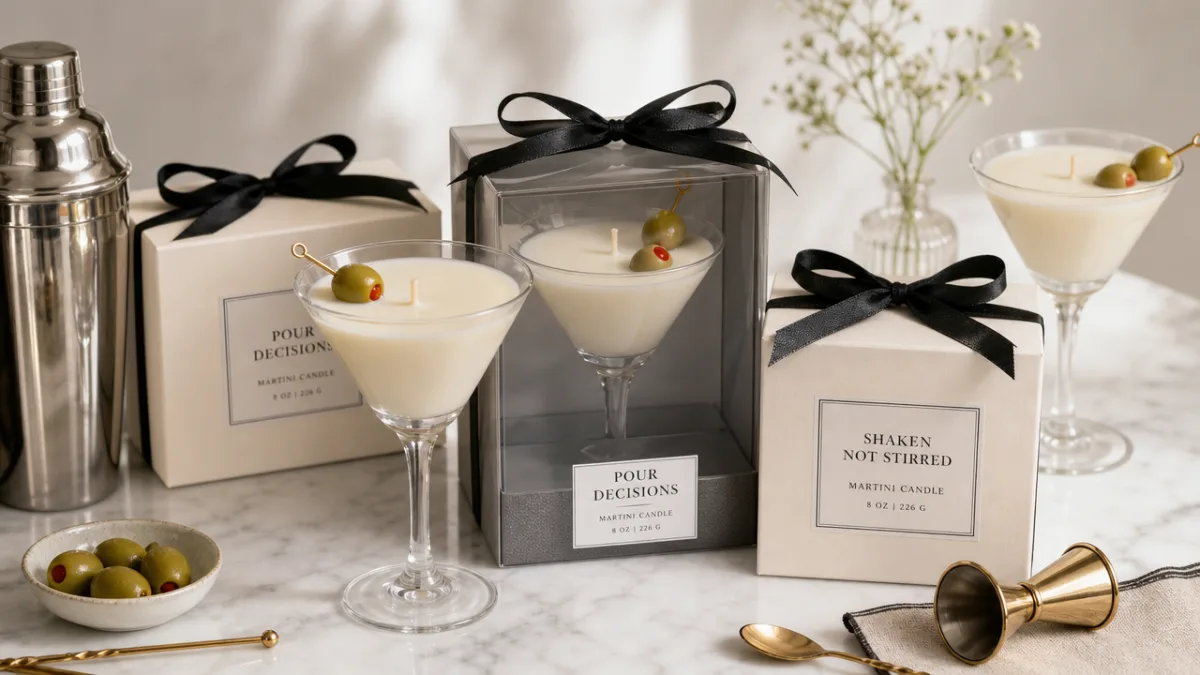
The martini candle’s appeal lies not just in its scent and burn quality but in its visual presentation, and this is where makers can truly express their creativity. Once the wax has fully set, there are numerous ways to add decorative elements that reinforce the cocktail theme and make the finished product feel like a truly special, crafted object. One of the most popular techniques involves creating a wax olive or lemon twist to rest on the rim of the glass or float on the surface of the set wax, mimicking the classic cocktail garnish and adding a whimsical, trompe l’oeil quality to the finished piece.
A sugar rim effect can be achieved by carefully applying a thin layer of craft glue or wax around the very top edge of the glass and then dipping it into fine cosmetic glitter, coarse colored salt, or decorative sugar crystals. This technique requires a steady hand and good timing but produces a stunning result that immediately communicates the martini theme before the candle is even lit. For a more restrained, elegant look, a single cocktail pick with a wax or resin olive skewered across the top of the glass can serve as a minimalist garnish that adds personality without overwhelming the clean lines of the martini glass silhouette.
Color is another powerful decorative tool. Layered pours in two or three complementary shades can create an ombré effect reminiscent of a colorful cocktail, with each layer allowed to partially set before the next is added. Swirling two colors together mid-pour produces a marbled effect that is dramatic and visually arresting. Candle-safe dye chips or liquid dyes in cocktail-appropriate hues — aquamarine, blush pink, champagne gold, or deep olive green — are widely available from candle-making suppliers and allow for precise color control. As always, test your dye concentration in small batches before committing to a full production pour.
Gifting, Styling, and Caring for Your Martini Candle
The martini candle is, by its very nature, a deeply giftable object. It occupies that desirable sweet spot between functional and decorative, practical and indulgent, personal and universally appealing. It is a perfect gift for cocktail enthusiasts, home entertainers, interior design lovers, and anyone who appreciates artisan craftsmanship. Its cocktail theme makes it a natural choice for housewarming gifts, hostess presents, birthday celebrations, bachelorette party favors, and holiday gift sets, and its visual appeal means it requires very little additional packaging to make a strong impression.
When it comes to styling a martini candle in the home, placement is everything. A bar cart is the most obvious and harmonious home for this type of candle, where it will sit comfortably among decanters, cocktail shakers, and glassware. But the martini candle also works beautifully on a bedside table when styled with a small bud vase and a stack of books for a curated, eclectic feel. In a bathroom, a martini candle grouped with bath salts and a folded linen towel creates a spa-like tableau that feels luxurious and considered. On a dining table, a pair of martini candles flanking a low floral arrangement makes a memorable centerpiece for an intimate dinner party.
Caring for a martini candle properly will ensure the best possible burn experience and maximum longevity. Always trim the wick to a quarter inch before each lighting, as a longer wick will produce a larger, flickering flame that generates excess soot and consumes the wax too rapidly. Allow the candle to burn long enough on each occasion for the melt pool to reach the edges of the glass — typically two to three hours for a standard martini glass candle — to prevent tunneling. Never leave a burning candle unattended, and keep it away from drafts, curtains, and flammable materials. Because the martini glass stem elevates the candle off its surface, always place it on a stable, heat-resistant coaster or tray to prevent heat transfer to delicate surfaces beneath.
Building a Martini Candle Collection or Small Business
For those who find themselves captivated by the craft of martini candle making, there is a natural and rewarding path from hobby enthusiast to small business owner. The artisan candle market, while competitive, continues to show strong demand for unique, handcrafted products that offer both visual appeal and high-quality fragrance. A well-curated line of martini candles — perhaps organized around a cocktail menu theme, with each scent named after a classic drink — can find a devoted audience on platforms like Etsy, at local craft fairs, or through a dedicated Instagram or Pinterest shop.
Starting a candle business requires attention to both the craft and the commerce. From a regulatory standpoint, candle makers are responsible for ensuring their products comply with relevant safety standards, including appropriate warning labels, maximum fragrance load guidelines, and wick certification requirements. Organizations such as the National Candle Association provide resources and guidelines for small producers navigating these requirements. Liability insurance is also worth considering, particularly for makers who sell their products commercially, as candles are inherently fire-related products that carry some level of inherent risk.
On the creative and marketing side, consistency, branding, and packaging are the pillars of a successful artisan candle business. Investing in professional-quality photography that shows your martini candles in beautifully styled settings will pay enormous dividends on social media and in online marketplaces. Developing a coherent scent library with clear, evocative names and descriptions helps customers connect emotionally with your products before they can smell them in person. And cultivating a genuine community around your brand — sharing your process, your inspirations, and your behind-the-scenes creative journey — builds the kind of loyal following that sustains a small creative business through its early years and beyond.








What do you think?
It is nice to know your opinion. Leave a comment.