










Garden Design Ideas: Creating Your Perfect Outdoor Living Space
Understanding the Fundamentals of Garden Design
Designing a garden that truly reflects your personality and meets your practical needs begins with understanding a few core principles that professional landscape designers rely on every day. These principles — balance, proportion, rhythm, unity, and focalization — serve as the invisible architecture behind every stunning outdoor space. When you understand how these elements work together, you stop simply planting things and start crafting an experience that unfolds over every season of the year.
Balance in garden design doesn’t always mean symmetry, though formal gardens certainly lean into that approach. Asymmetrical balance, where different plants and structures carry equal visual weight on either side of a central axis, feels more naturalistic and is often easier for home gardeners to achieve. A large boulder on one side of a path, for example, can be counterbalanced by a cluster of ornamental grasses on the other, creating harmony without rigid mirroring.
Proportion and scale are perhaps the most commonly misunderstood principles among beginner gardeners. Planting a towering tree in a tiny courtyard overwhelms the space, while using only low-growing ground covers in a sprawling backyard leaves it looking flat and unfinished. Take time to research the mature size of every plant before you commit it to the ground, and always design with growth in mind. A garden that looks perfect today should look even better in five years if your proportions are right.
Choosing a Garden Style That Suits Your Home and Lifestyle
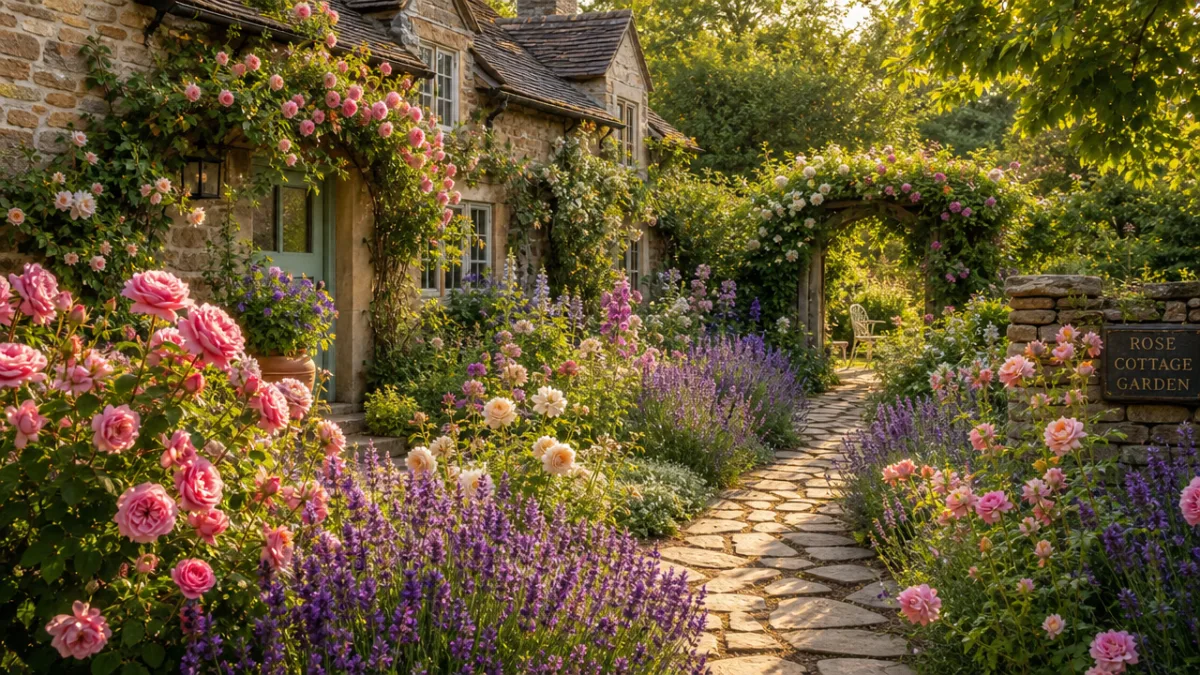
Before selecting a single plant or paving stone, spend time considering the architectural style of your home and how your garden will connect to it visually. A sleek, contemporary home with clean horizontal lines pairs beautifully with a modern garden featuring sculptural plants, geometric raised beds, and minimalist materials like corten steel and polished concrete. Meanwhile, a traditional cottage home invites a more romantic planting approach with billowing perennials, climbing roses, and winding stone paths.
Your lifestyle is equally important in determining your garden style. If you love to entertain, you will want generous paved areas, comfortable seating, good lighting, and perhaps an outdoor kitchen or bar area. If you are a devoted plantsperson, you might prefer to maximize planting beds and accept that maintenance will be an ongoing priority. Families with young children need open lawns for play, robust planting that can withstand some rough treatment, and safe materials that don’t create hazards.
Some of the most popular garden styles to consider include the cottage garden, the Japanese zen garden, the Mediterranean-inspired garden, the wildlife and naturalistic garden, and the formal parterre garden. Each comes with its own palette of plants, materials, and spatial arrangements. You don’t have to follow any one style rigidly — many of the most beautiful gardens in the world blend elements from multiple traditions to create something entirely personal and unique to their owners.
- Cottage Style: Abundant planting, soft color palettes, climbing plants, informal paths, and a sense of romantic abundance that blurs the line between cultivated and wild.
- Modern Minimalist: Clean lines, a restrained plant palette, bold architectural specimens, and high-quality hardscaping materials that age gracefully.
- Japanese Zen: Raked gravel, carefully pruned evergreens, water features, stone lanterns, and a deep reverence for negative space and tranquility.
- Mediterranean: Drought-tolerant plants like lavender, rosemary, and olive trees, terracotta pots, warm stone paving, and sun-drenched courtyards.
- Wildlife Garden: Native plants, log piles, wildflower meadows, ponds, and features specifically designed to attract birds, bees, butterflies, and hedgehogs.
Planning Your Garden Layout and Structure
Every successful garden begins on paper, not in the ground. Before you pick up a spade, draw a scaled plan of your outdoor space that includes existing features such as trees, structures, slopes, and drainage patterns. Mark the north-south orientation so you understand where shade will fall throughout the day and across the seasons. This single step will save you from countless costly mistakes and help you make the most of every square metre of your available space.
Structure in the garden refers to the bones — the permanent or semi-permanent elements that define spaces, create enclosure, and provide interest even in the depths of winter when most flowering plants have retreated. Hedges, walls, fences, pergolas, archways, topiary, and large deciduous trees all contribute to structure. Getting your structure right is the single most important investment you can make in a garden, because it underpins everything else that grows within it.
Dividing a garden into distinct rooms or zones dramatically increases both its usability and its sense of mystery and discovery. Rather than one open expanse of lawn surrounded by borders, consider creating a sequence of connected spaces, each with its own character and purpose. A dining terrace might lead through a moon gate into a kitchen garden, which in turn opens onto a wild meadow area. Each transition rewards the visitor and makes even a modest garden feel far larger and more complex than it actually is.
Key Structural Elements to Consider
Paths and paving materials set the tone for your entire garden and deserve careful consideration. Natural stone such as sandstone, limestone, or slate brings warmth and authenticity to traditional gardens, while large-format porcelain tiles or polished concrete suit contemporary schemes. Gravel paths are cost-effective and permeable, making them excellent choices for areas where water runoff is a concern. Brick provides a classic look that bridges the gap between formal and informal styles and ages particularly beautifully.
Water features add a dimension of sensory richness that no planting scheme can replicate. The sound of moving water creates an atmosphere of calm and helps mask unwanted noise from roads or neighbours. A formal rectangular pool reflects sky and surrounding plants like a mirror, while a naturalistic wildlife pond edges into the surrounding planting with soft, blurred margins. Even the smallest garden can accommodate a simple wall-mounted spout feeding into a stone basin, which provides both sound and a focal point in a very compact space.
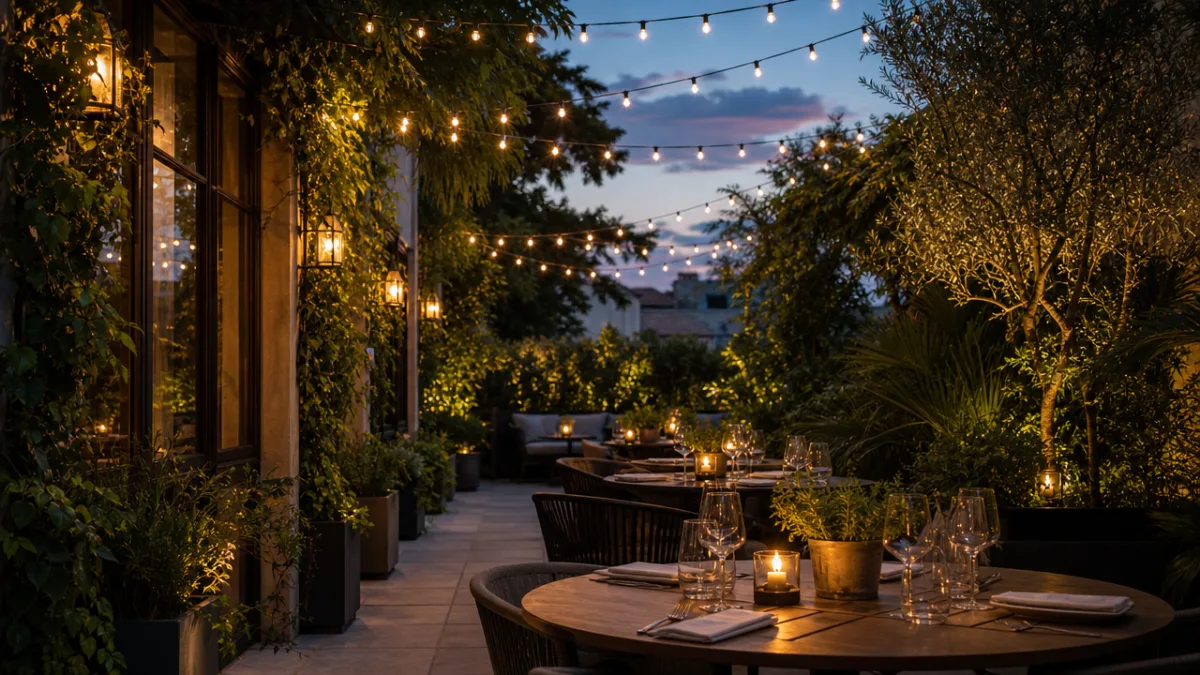
Lighting transforms a garden from a space you visit during daylight hours into one you can enjoy long into the evening. Low-voltage LED systems are energy-efficient, flexible, and straightforward to install without professional help. Layer your lighting by combining uplighting on trees and architectural plants, path lighting for safety and navigation, festoon lights for atmosphere in dining areas, and subtle spotlights to highlight water features or sculpture. Good garden lighting should feel magical rather than clinical, and the best schemes always leave some areas in soft shadow.
Selecting Plants for Year-Round Interest and Impact
The most sophisticated garden planting schemes are designed to deliver beauty across all twelve months of the year, not just during the peak of summer. Achieving this requires a deliberate approach to plant selection that balances spring bulbs, summer perennials, autumn foliage and berries, and winter structure from evergreens and ornamental grasses. When you map out your planting calendar and ensure something of interest is always performing, your garden becomes a genuinely four-season destination rather than a summer-only space.
Layering is the key technique that separates impressive planting schemes from flat, one-dimensional borders. Think in terms of canopy trees, understory shrubs, herbaceous perennials, ground cover, and bulbs woven through them all. This multi-layered approach mirrors the way plants grow in nature, creates a more complex and interesting tapestry of textures and heights, and is ultimately better for biodiversity because it provides habitat at multiple levels for a wide range of insects, birds, and other wildlife.
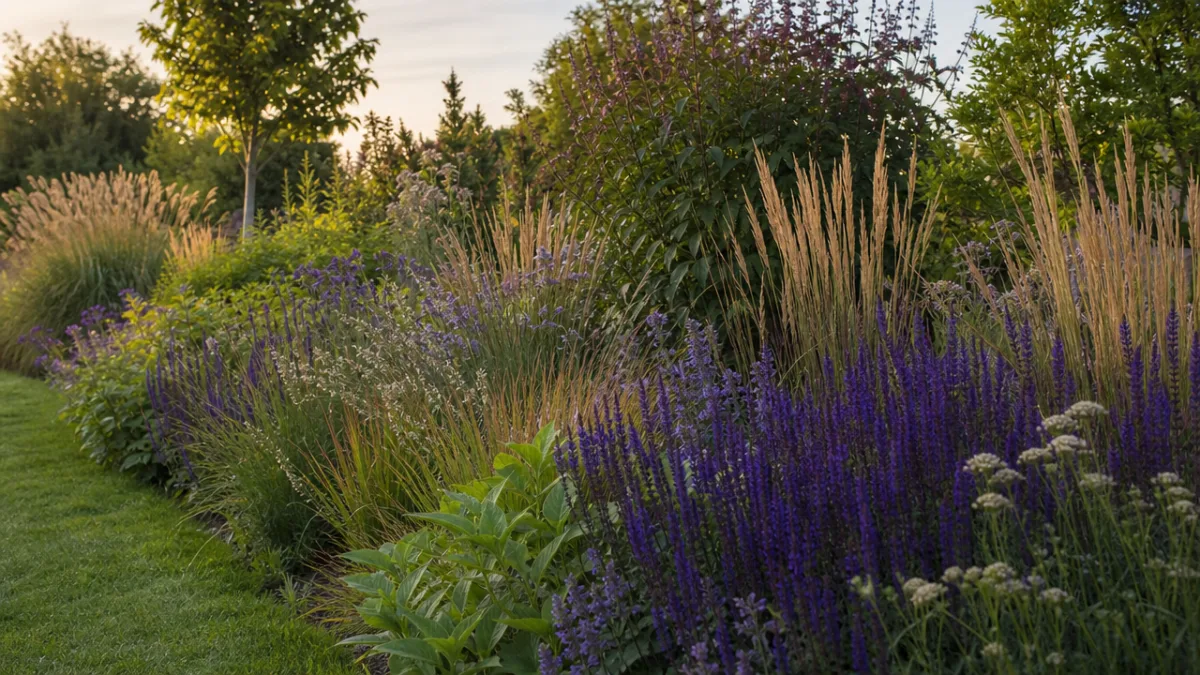
Color theory plays a hugely important role in planting design and can be used to create very different moods and effects. Hot color schemes using reds, oranges, and yellows feel energizing and vibrant, making them perfect for entertaining areas where you want a lively atmosphere. Cool color palettes of blues, purples, and whites feel serene and sophisticated, ideal for a garden designed for relaxation and meditation. Single-color or near-monochromatic gardens — a white garden in the style of Sissinghurst — create a powerful sense of cohesion and elegance that mixed plantings cannot match.
- Spring performers: Tulips, alliums, bleeding heart, forget-me-nots, cherry blossom, and magnolias bring colour after the long winter months.
- Summer stars: Roses, lavender, echinacea, salvia, agapanthus, and ornamental grasses deliver the garden’s peak display through the warmest months.
- Autumn interest: Japanese maples, amelanchier, sedum, rudbeckia, and heavenly bamboo provide fiery colour and seed heads that extend the season.
- Winter structure: Evergreen topiary, birch trees with white bark, dogwood with coloured stems, and hellebores carry the garden through its quietest months with understated beauty.
Creating Outdoor Living and Entertaining Spaces
The modern garden has evolved far beyond its traditional role as a place for growing vegetables and admiring flowers. Today it is genuinely an extension of the home — an outdoor living room, dining room, kitchen, and sometimes even an office or gym. Embracing this idea fully means investing in outdoor spaces with the same thoughtfulness and quality of materials you would bring to interior design. The result is a garden that you and your family will actually use every single day, not just on the rare perfect summer afternoon.
Terraces and patios work best when they are positioned in relation to both sunlight and the flow of movement through the house. A breakfast terrace tucked against the east-facing wall of the house catches the gentle morning sun perfectly, while a main dining terrace tends to work best facing south or west to capture the warmth of afternoon and evening light. Connect your indoor and outdoor spaces generously by using wide sliding or folding doors, keeping the threshold level to create a seamless transition, and echoing interior materials and colours in your outdoor scheme.
Shelter is what transforms a terrace from something you use occasionally into something you use almost constantly. A well-designed pergola draped with climbing plants provides dappled shade in summer and a beautiful architectural frame year-round. A freestanding sail shade or tensile canopy can be retracted in winter and deployed quickly when needed. Even a single mature tree positioned to the south or west of your seating area can provide enough natural shade to make the space genuinely comfortable during the hottest parts of the day.
Outdoor Kitchen and Dining Essentials
If cooking and entertaining outdoors is a priority for you, consider investing in a proper outdoor kitchen rather than simply moving a portable barbecue onto the terrace each summer. A built-in grill, prep countertops in weather-resistant materials like porcelain or granite, a small refrigerator, and generous storage for utensils and fuel create a proper workspace that makes outdoor cooking as convenient as cooking indoors. Position it logically in relation to your indoor kitchen to minimise the distance you need to carry food and equipment.
Outdoor furniture has improved enormously in quality and design over recent years, and the best contemporary ranges are genuinely difficult to distinguish from indoor furniture in terms of comfort and aesthetic sophistication. Teak, powder-coated aluminium, and high-quality synthetic rattan are all durable choices that require minimal maintenance. Invest in a good quality outdoor dining table large enough to seat more guests than you think you’ll ever need — you will fill it every time. Layer with outdoor cushions, throws, and a good outdoor rug to create warmth and personality.
Privacy screening is often an afterthought in garden design, but it is essential for creating outdoor spaces where you can truly relax. Living screens of bamboo, pleached trees, or tall ornamental grasses provide privacy while remaining soft and naturalistic. Timber or metal screens with climbing plants create more structured privacy while doubling as a design feature. Consider privacy not just horizontally but also vertically — overlooking windows from neighbouring homes can be screened with careful positioning of a multi-stemmed tree that blocks sightlines from upper floors without darkening the garden at ground level.
Sustainable Garden Design and Eco-Friendly Practices
Sustainability is no longer an optional extra in garden design — it is an ethical imperative and, increasingly, a legal requirement in many regions where water restrictions and biodiversity net gain obligations are being enshrined in planning policy. Fortunately, sustainable garden design is not about sacrificing beauty for function. The most ecologically rich gardens — those humming with insect life, filled with native plants, and managed without synthetic chemicals — are often among the most beautiful and rewarding spaces to spend time in.
Water management is one of the most critical sustainability challenges facing garden designers today, particularly in regions experiencing increasingly frequent summer droughts. Installing a rainwater harvesting system that collects roof runoff into underground tanks and pumps it back for irrigation can significantly reduce your reliance on mains water. Permeable paving materials allow rainwater to infiltrate the ground rather than running off into overstretched drainage systems. Choosing drought-tolerant plants and mulching your borders deeply every spring dramatically reduces the need for supplementary irrigation even during dry spells.
Soil health is the invisible foundation of a productive and resilient garden, and building great soil should be the priority of every gardener who wants to reduce their dependence on fertilisers and pesticides. Composting kitchen and garden waste returns organic matter and nutrients to the soil in a genuinely circular system. No-dig gardening, which involves building up compost mulches on top of existing soil rather than turning it over, protects the complex soil food web and dramatically reduces weed germination. Healthy soil grows healthier, more resilient plants that are naturally less susceptible to pest and disease problems.
Supporting Biodiversity Through Planting Choices
Choosing plants that support local wildlife means prioritising species that provide nectar and pollen for pollinators, berries and seeds for birds, and larval food plants for butterflies and moths. Native plants have evolved alongside local wildlife over thousands of years and typically offer the richest ecological value, but many non-native plants also provide excellent wildlife support. The key is to avoid highly bred double-flowered cultivars, which often have little or no nectar value because the pollen-producing parts of the flower have been replaced by extra petals in the breeding process.
Creating habitat features within your garden requires very little space and can make a dramatic difference to local wildlife populations. A simple log pile in a shady corner provides habitat for stag beetles, wood mice, and many species of fungi. A patch of long grass left uncut through the summer months supports grasshoppers, slow worms, and meadow flowers. A shallow wildlife pond, even a modest container pond sunk into the ground, will attract frogs, newts, dragonflies, and birds within weeks of being filled. These features cost almost nothing and reward you with a garden that feels genuinely alive.
Reducing or eliminating the use of synthetic pesticides and herbicides is transformative for garden biodiversity and takes far less sacrifice than most gardeners fear. Encouraging natural predators — ladybirds, lacewings, ground beetles, hedgehogs, and birds — by providing appropriate habitat means that pest populations are naturally regulated without chemical intervention. Companion planting, where particular plant combinations deter pests or attract beneficial insects, is a time-tested technique that adds both practical value and planting interest. Making this transition to a more chemical-free approach may require a shift in expectations about perfection, but the result is a garden that is richer, more interesting, and ultimately more rewarding in every possible sense.








What do you think?
It is nice to know your opinion. Leave a comment.