










Love Your Home: 15 Easy and Cheap DIY Decor Inspirations
Why DIY Home Decor Is the Smartest Choice You Can Make
There has never been a better time to embrace do-it-yourself home decorating. With the rise of online tutorials, budget-friendly craft stores, and a growing community of creative homemakers sharing their ideas, transforming your living space no longer requires a professional interior designer or an enormous budget. Whether you rent a small apartment or own a sprawling family home, the principles of DIY decor apply equally and powerfully to every kind of space.
Beyond the obvious financial savings, DIY decor offers something that store-bought pieces simply cannot: a deeply personal connection to your environment. When you paint a picture frame yourself, repurpose an old ladder into a bookshelf, or hand-stitch a throw pillow cover, you are infusing your home with your own creativity, effort, and personality. These touches make a house feel genuinely lived in, loved, and unique in ways that even the most expensive furniture collections cannot replicate.
The psychological benefits of DIY decorating are also well-documented. Completing a creative project, no matter how small, triggers a release of dopamine, the brain’s feel-good chemical. That means every time you hang a gallery wall you assembled yourself or light a candle you poured into a vintage jar, you are literally rewarding your brain. DIY decor is not just about saving money; it is about building a home that nourishes your mental and emotional well-being every single day.
Getting Started: Tools and Supplies You Actually Need
One of the most common misconceptions about DIY home decor is that you need an elaborate toolkit or a large craft room to get started. In reality, many of the most stunning and effective projects require nothing more than a hot glue gun, a can of spray paint, some basic brushes, and a little imagination. Starting small is not a limitation; it is actually the wisest approach because it allows you to build confidence without overcommitting resources.
Before diving into any project, take stock of what you already own. Old glass jars, leftover fabric scraps, cardboard boxes, wooden crates, and even discarded picture frames can all become the foundation of something beautiful. Thrift stores and dollar stores are goldmines for raw materials that cost very little but have enormous creative potential. Training your eye to see the possibility in ordinary objects is perhaps the most valuable skill a DIY decorator can develop.
Community resources are another underutilized treasure. Many libraries now offer tool-lending programs, and neighborhood apps often feature people giving away supplies they no longer need. Online marketplaces frequently have free or nearly free materials that people are simply trying to get rid of. Building your DIY supply kit does not have to cost much at all if you approach it with patience and resourcefulness.
Wall Decor Ideas That Make a Huge Visual Impact
Your walls are the single largest canvas in your home, and leaving them bare is one of the most common decorating mistakes people make. The good news is that wall decor is also one of the easiest and most affordable areas to tackle yourself. A well-designed gallery wall, for instance, can completely transform a dull living room into a curated, magazine-worthy space for very little money if you use a mix of thrifted frames, printed artwork, and personal photographs.
Macramé wall hangings have experienced a massive resurgence in popularity, and for good reason. They add texture, warmth, and a handcrafted quality that modern, mass-produced decor often lacks. Learning basic macramé knots takes only an afternoon, and the materials, typically cotton rope and a wooden dowel, cost just a few dollars. The resulting piece can anchor an entire room’s aesthetic and becomes a genuine conversation starter when guests visit your home.
Paint is perhaps the most transformative tool in any DIY decorator’s arsenal. An accent wall painted in a bold color or adorned with a geometric pattern using painter’s tape can completely redefine a room’s mood and energy. Stenciling is another technique that delivers professional-looking results without professional-level skill or expense. From Moroccan tile patterns to simple vertical stripes, stenciled walls add depth and visual interest that wallpaper costs a fraction of while being far easier to change when your tastes evolve.
Creative Wall Art You Can Make This Weekend
Creating your own wall art does not require any formal artistic training. Abstract canvas paintings made with bold brush strokes and a limited color palette are not only fashionable but genuinely achievable by anyone willing to pick up a brush. The key is to choose two or three colors that already appear in your existing decor and let them guide your composition. The result will feel intentional and cohesive even if the process was entirely intuitive and spontaneous.
Pressed botanical art is another incredibly popular and accessible DIY wall decor option. Simply collect flowers, leaves, or ferns from your garden or a local park, press them between heavy books for a week or two, and then arrange them in simple frames. The finished pieces have an elegant, botanical illustration quality that looks far more sophisticated than their humble origins suggest. Using matching frames in a cohesive arrangement amplifies the effect dramatically and makes the whole display look curated and intentional.
Woven tapestries, fabric panels, and even oversized scarves can function brilliantly as wall art. Hanging a beautiful piece of printed fabric in a bold frame or draping it from a curtain rod creates instant color and pattern without any painting or crafting required. This is especially valuable for renters who cannot paint their walls, as fabric art can be easily swapped out, stored flat, and transported without damage.
Budget-Friendly Furniture Upgrades and Transformations
You do not need to replace your furniture to fall back in love with it. Some of the most dramatic home transformations involve taking pieces you already own, or pieces you find at thrift stores for next to nothing, and giving them an entirely new life with paint, new hardware, or reupholstering. This approach is not only far cheaper than buying new furniture but is also significantly more environmentally responsible, keeping serviceable items out of landfills while reducing demand for new manufacturing.
Chalk paint is the DIY furniture enthusiast’s best friend. Unlike traditional paint, chalk paint adheres to almost any surface without priming or sanding, making it accessible even to complete beginners. An old wooden dresser that looks tired and dated can be transformed into a statement piece with a coat of chalk paint in a deep jewel tone or a soft sage green. Sealed with wax or polycrylic, the finish is durable enough for daily use while maintaining that desirable matte, artisan quality.
Hardware is the jewelry of furniture, and swapping out old drawer pulls and cabinet handles is one of the fastest, cheapest, and most impactful upgrades you can make. Replacing plastic or brass hardware with matte black, brushed gold, or ceramic knobs immediately modernizes a piece and can shift its entire aesthetic from dated to deliberately stylish. Most hardware changes require nothing more than a screwdriver and cost between one and five dollars per piece, making this an ideal entry-level project for DIY beginners.
Reupholstering and Fabric Refreshes for Existing Pieces
Reupholstering sounds intimidating, but for simpler pieces like dining chairs with removable seats or ottomans with flat surfaces, it is genuinely straightforward. You typically need only a staple gun, a yard or two of fabric, and a screwdriver. Remove the old seat cushion, lay it on your new fabric, cut around it with a few inches of allowance on each side, pull the fabric taut, and staple it underneath. The whole process for a single chair takes about fifteen minutes and the transformation can be stunning.
Slipcovers are another underrated option for refreshing upholstered furniture without the permanence of reupholstering. Ready-made slipcovers in linen, cotton, or velvet are available in a wide range of sizes and colors, and for those with basic sewing skills, making custom slipcovers is entirely within reach. Slipcovers also have the practical advantage of being washable, which makes them particularly appealing for homes with children or pets where fabric wear and staining are ongoing concerns.
Even simply styling your existing furniture differently can produce remarkable results. Rearranging a living room layout, adding a tray to a coffee table, draping a throw blanket at a considered angle, or stacking a few beautiful books beneath a plant can elevate the entire feel of a space without spending a single dollar. Sometimes the most powerful DIY decor decisions are curatorial rather than constructive, involving the thoughtful editing and arrangement of what you already have rather than the addition of anything new.
Bringing Nature Indoors: Plant and Botanical Decor Projects
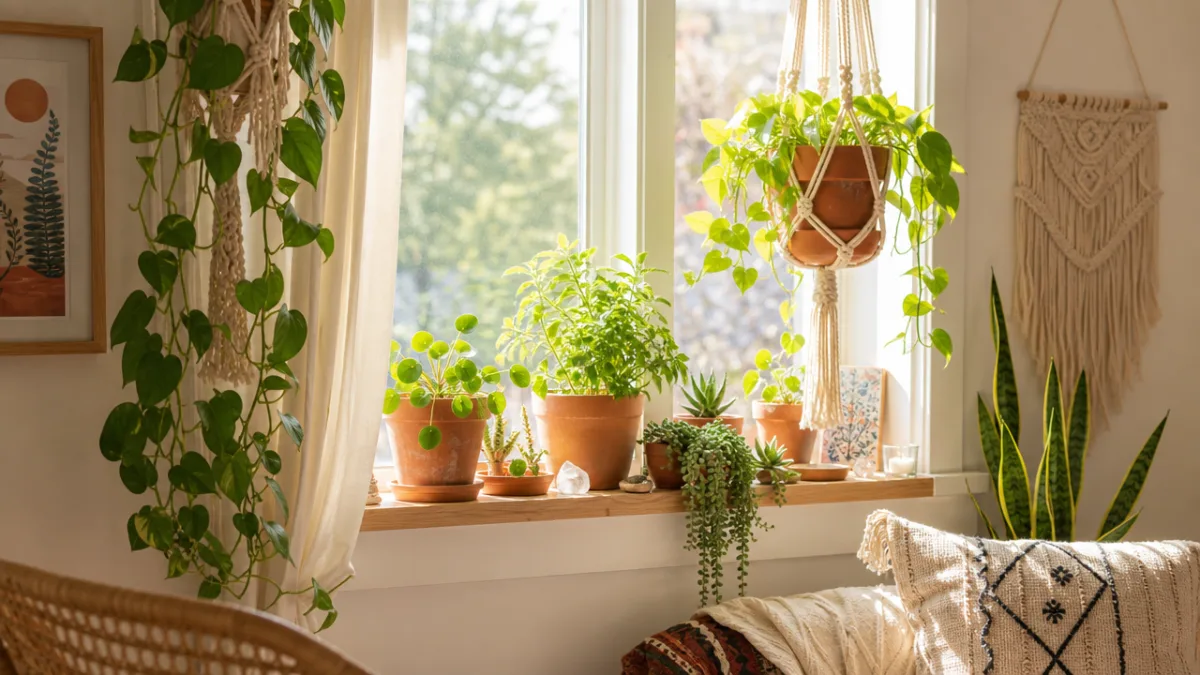
Few things breathe life into a home more effectively than plants, and incorporating greenery into your decor does not have to be expensive or high-maintenance. Even a single well-placed pothos or snake plant can soften a room, improve air quality, and add a sense of living energy that no artificial decor can replicate. The trick is choosing plants suited to your actual light conditions and lifestyle rather than falling in love with varieties that require more care than you can realistically provide.
DIY planters are a wonderful project category because the range of materials that can serve as plant vessels is essentially limitless. Tin cans wrapped in twine, wooden crates lined with burlap, painted terracotta pots, vintage colanders, old teapots, and even concrete blocks can all become interesting and characterful homes for your plants. Painting a set of terracotta pots in complementary colors and arranging them at varying heights creates a cohesive plant display that feels designed rather than accidental.
Macramé plant hangers are both functional and decorative, suspending trailing plants like pothos, string of pearls, or trailing succulents in midair to create visual interest at multiple levels of a room. Learning to make a basic plant hanger requires only a spool of cotton rope and about an hour of practice. Once you have mastered the fundamental square knot, you can create hangers of varying lengths and complexities to build a genuine indoor jungle that draws the eye upward and makes any room feel more vibrant and alive.
Dried and Preserved Botanicals for Year-Round Beauty
Fresh flowers are a wonderful but temporary luxury. Dried and preserved botanicals offer an enduring alternative that requires no watering, no sunlight, and no replacement, while delivering enormous decorative impact. Pampas grass, dried lavender bundles, preserved eucalyptus, and air-dried cotton stems are all widely available at craft stores or can be harvested and dried at home for free. Arranged in a simple vase or jar, they create an organic, textural display that complements virtually any decorating style.
Wreaths made from dried botanicals are another project that delivers impressive results for relatively little effort or expense. A simple wire frame from a craft store, combined with dried herbs, flowers, seed pods, and foliage gathered from your own garden or neighborhood walks, can become a beautiful wreath for your front door or interior wall. Unlike fresh wreaths, dried botanical wreaths can last for years with minimal care, making them an excellent investment of your creative time and energy.
Terrariums offer yet another avenue for botanical DIY decor, and they work beautifully for people who lack outdoor space or deal with low-light conditions. A glass vessel of almost any shape, layered with gravel, activated charcoal, soil, and small plants or succulents, creates a self-contained miniature ecosystem that is endlessly fascinating. Open terrariums work best with succulents and cacti, while closed terrariums suit moisture-loving plants like ferns and moss, giving you flexibility to match the project to your environment and aesthetic.
Lighting Transformations That Completely Change the Mood of a Room
Lighting is arguably the single most powerful and underutilized tool in home decorating. The right light can make a room feel warm, intimate, and luxurious; the wrong light can make even beautifully decorated spaces feel cold and uninviting. Yet most people accept whatever lighting came with their home without considering how dramatically a few simple changes could alter the entire atmosphere. DIY lighting projects range from beginner-friendly to moderately technical, but even the simplest interventions produce outsized results.
Replacing a plain lamp shade is one of the quickest and most impactful lighting updates you can make. Plain white or cream shades can be wrapped in decorative fabric, painted with abstract patterns, punched with patterns that create dappled light effects, or trimmed with fringe, ribbon, or raffia for a completely customized look. The base cost is minimal since you are working with a shade you already own or one purchased inexpensively, and the transformation can make a standard lamp look like a designer piece worth many times its actual cost.
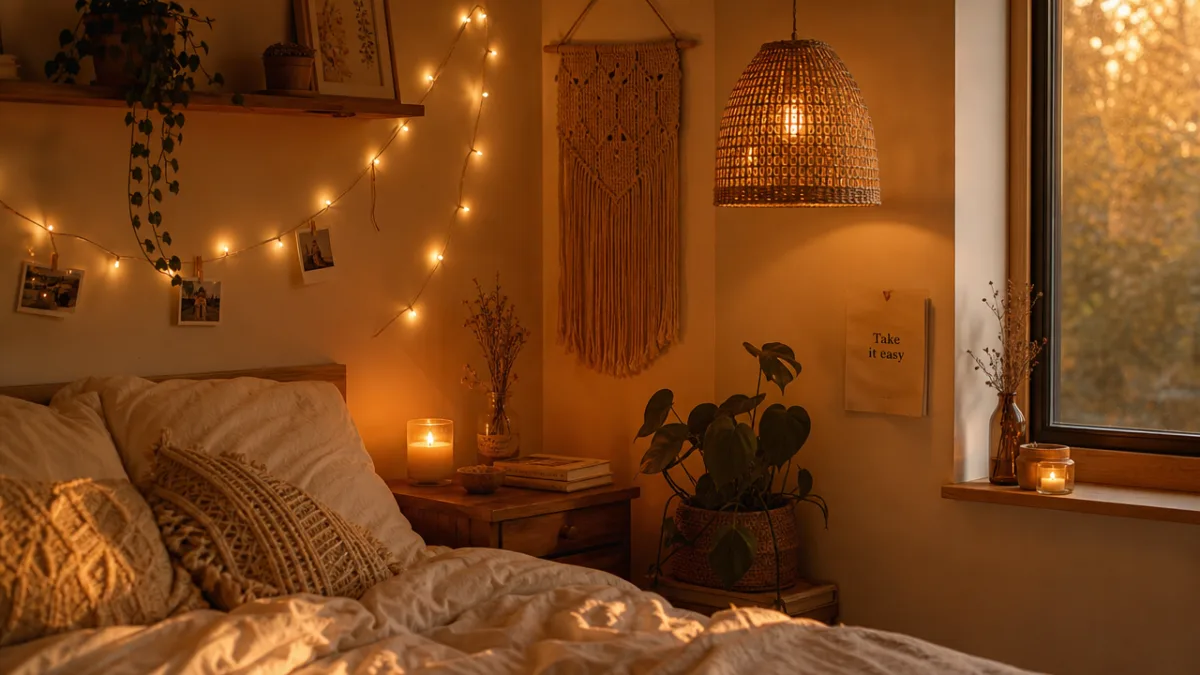
String lights are endlessly versatile and create an almost magical ambiance in any room when used thoughtfully. Draping warm white string lights along a bookshelf, behind sheer curtains, or beneath a translucent fabric canopy over a bed creates a soft, dreamy glow that transforms even ordinary rooms into inviting retreats. Outdoors, string lights strung between fence posts or along a pergola extend the usable hours of an outdoor space while creating a festive, welcoming atmosphere for gatherings of any scale.
DIY Pendant Lights and Unique Fixture Upgrades
Creating your own pendant light fixture is a more advanced but enormously satisfying project that can produce truly stunning results. Pendant light kits, available at hardware stores for around twenty dollars, provide all the electrical components you need, while the shade itself can be made from almost anything: a woven basket, a colander, a large glass jar, a paper lantern, or a hand-formed concrete bowl. The key is ensuring your chosen material is heat-safe and that you follow all electrical safety guidelines, or better yet, have an electrician make the final connection if you are not comfortable with wiring.
Candles and candlelight represent the oldest and most romantic form of decorative lighting, and DIY candle-making has become an incredibly popular and accessible craft. Basic soy candle kits include everything you need to pour beautiful, scented candles into vessels of your choosing. Vintage teacups, geometric concrete molds, amber glass jars, and even hollowed citrus halves can all serve as candle containers, each producing a different aesthetic effect. Making your own candles also allows you to customize scent combinations that perfectly suit your personal taste and the mood you want each room to evoke.
Finally, do not overlook the power of dimmer switches as a DIY upgrade that requires minimal skill but delivers maximum lifestyle improvement. Installing a dimmer switch takes about twenty minutes, requires only a screwdriver and basic electrical knowledge, and completely changes how a room functions across different times of day and different activities. Bright light for morning energy, medium light for work and conversation, and low dimmed light for relaxing evenings can all be achieved with a single switch, making it one of the most practical and worthwhile small investments you can make in your home’s atmosphere.
Organizing With Style: Functional DIY Decor That Also Solves Problems
The most effective home decor serves a dual purpose: it looks beautiful and it solves real organizational challenges. A home that is cluttered and disorganized will never feel truly welcoming or restful, no matter how much money you invest in decorative pieces. The secret to a home that is both stylish and functional lies in choosing organizational solutions that are themselves beautiful and that integrate seamlessly with your overall aesthetic rather than looking like afterthoughts or utilitarian eyesores.
Pegboards have undergone a significant design evolution and are no longer relegated to garages and workshops. Painted in a color that complements your walls and fitted with an assortment of hooks, baskets, and shelves, a pegboard can organize a kitchen, home office, craft room, or entryway in an extremely attractive and completely customizable way. The ability to reconfigure a pegboard as your needs change makes it one of the most flexible and long-term valuable organizational investments available to a DIY home decorator.
Rope and leather organization projects, such as wall-mounted magazine racks, hanging storage baskets, and cable organizers, add warmth and texture while solving practical problems. A simple hanging storage solution made from a piece of driftwood and several lengths of leather cord can hold keys, mail, and small accessories near an entryway while looking like a deliberately chosen decorative element rather than a utilitarian add-on. These dual-purpose pieces are the hallmark of truly thoughtful interior design, and they are entirely achievable on a DIY budget.
Storage Solutions That Look Like Decor
Baskets are perhaps the most universally useful and aesthetically pleasing storage solution available, and they work in virtually every room of the home. Woven seagrass baskets corral blankets and pillows in a living room, hold toiletries in a bathroom, organize toys in a playroom, and store vegetables in a kitchen pantry. Learning to weave your own baskets from natural materials is a meditative and satisfying craft that produces pieces both functional and genuinely beautiful.
Labeling systems have evolved far beyond the utilitarian sticky label. Hand-lettered tags on linen ribbons, chalkboard labels in matching containers, or even painted text directly on glass jars create storage systems that are as visually pleasing as they are practically useful. A pantry filled with matching glass jars, each labeled in consistent handwriting or printed with a beautiful font, transforms a purely functional space into something that looks intentionally designed and feels genuinely satisfying to use every day.
The greatest gift of DIY home decor is ultimately not the money saved, though that is certainly significant. It is the sense of agency and pride that comes from living in a space that reflects your own creativity, resourcefulness, and care. Every project you complete, whether a freshly painted lamp shade, a hand-poured candle, or a gallery wall assembled over a long weekend, is a tangible expression of the love you have for your home and for the life you are building within its walls. That is something no amount of money spent in a furniture store can buy.








What do you think?
It is nice to know your opinion. Leave a comment.