










Rest | Whipped Lavender Crème: The Ultimate Guide to Luxurious Skin Nourishment
What Is Whipped Lavender Crème and Why It Belongs in Your Routine
Whipped Lavender Crème is more than a moisturizer — it is a sensory ritual wrapped in a 9oz jar. This body butter-style product takes the timeless botanical power of lavender and transforms it into a light, airy texture that melts effortlessly into the skin. The whipped consistency sets it apart from traditional creams, delivering intense hydration without the heavy, greasy finish that many people find uncomfortable, especially during warmer months or before bed.
The name “Rest” speaks directly to the product’s philosophy. Lavender has been used for centuries across cultures ranging from ancient Rome to traditional Provençal France as a botanical companion for sleep, calm, and renewal. By anchoring this crème in that long herbal lineage, the formulation invites users to treat moisturizing not as a chore but as a transition — a deliberate signal to the nervous system that the day is winding down and restoration is beginning. This intentional framing transforms a simple skincare step into an act of self-care.
A 9oz jar is a generous, thoughtful size. It signals that this product was designed for daily, whole-body use rather than as a precious, sparingly applied serum. Full coverage of the legs, arms, décolletage, and hands requires a meaningful amount of product, and the larger format ensures you never run out in the middle of your most cherished nightly ritual. It also offers better value per ounce, making luxury feel sustainable and accessible across every season of the year.
The Science Behind Whipped Texture and Skin Absorption
The whipped texture of this crème is not merely aesthetic — it is functional. During the whipping process, air is incorporated into the base, creating a foam-like matrix of tiny bubbles suspended in emollients and humectants. This dramatically increases surface area, which translates to faster, more even product spreading across the skin. You use less product per application while achieving comparable or superior coverage compared to a denser, non-aerated formula. The result is efficient hydration that feels indulgent rather than laborious.
Skin absorption is influenced significantly by product viscosity and molecular weight. Whipped formulas typically feature lower viscosity at the moment of application because the mechanical action of spreading the crème on skin collapses the air matrix, releasing a thin, uniform film of active ingredients. This film state allows humectants like glycerin or hyaluronic acid, if included in the formulation, to interact directly with the stratum corneum — the outermost layer of skin — drawing moisture from the environment and from deeper skin layers toward the surface. The lightweight texture also means the skin’s surface pores are not occluded, supporting normal transpiration and skin respiration throughout the night.
Emollients in whipped products typically include plant-based butters such as shea or mango butter, as well as liquid oils. These ingredients fill the microscopic gaps between skin cells in the stratum corneum, smoothing surface texture and reducing transepidermal water loss. When whipped, these butters change from a dense, solid state to a cloud-like consistency that your skin eagerly accepts. The result is visibly plumper, softer skin by morning — not from magic, but from restoring the lipid barrier that environmental stressors, soap, and daily friction gradually deplete.
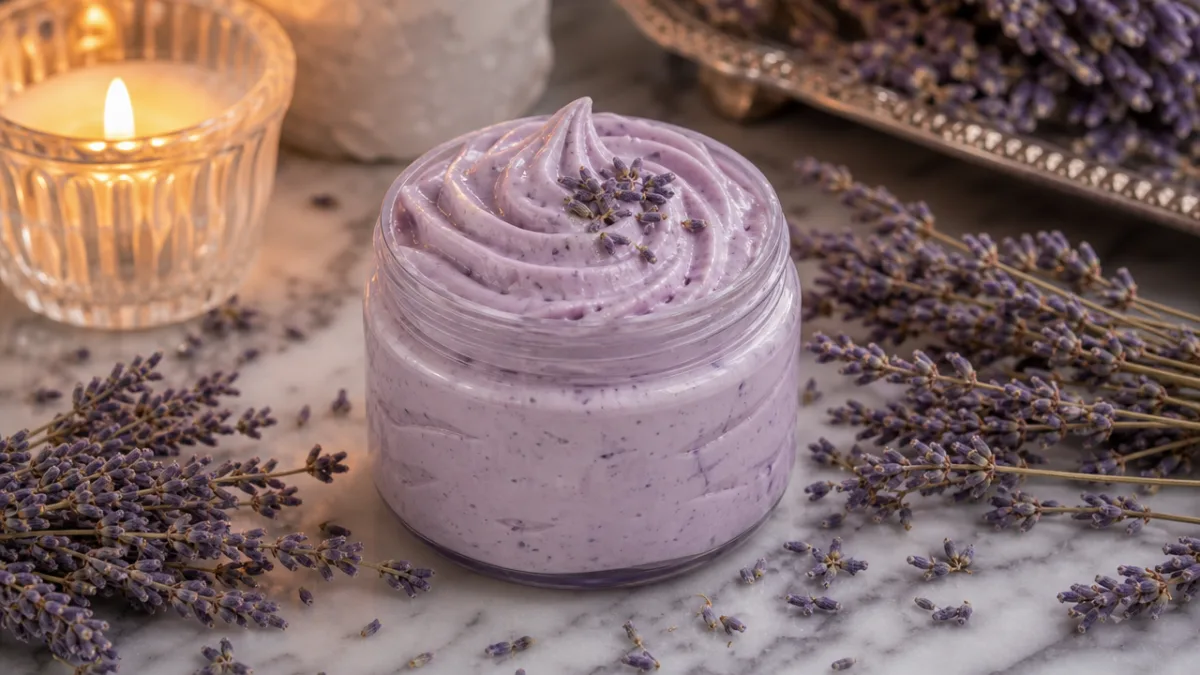
Lavender: The Star Botanical and Its Skin Benefits
Lavender (Lavandula angustifolia) is among the most studied aromatic botanicals in cosmetic dermatology and aromatherapy. Its essential oil contains over 100 identified compounds, with linalool and linalyl acetate being the most prominent active constituents. These compounds are responsible for lavender’s characteristic floral-herbal scent, but their role does not end at fragrance. Both linalool and linalyl acetate have demonstrated anti-inflammatory and antimicrobial properties in laboratory settings, making lavender a multifunctional addition to skincare formulations that goes well beyond mere scent delivery.
For people dealing with reactive, sensitive, or post-shave skin, lavender’s anti-inflammatory properties are particularly valuable. Applying a lavender-infused crème to freshly shaved legs or irritated skin can help calm redness and reduce the histamine response that leads to prolonged irritation. Unlike synthetic calming agents that may include complex chemical names, lavender provides a more natural pathway to soothed skin. Many formulators also appreciate lavender’s natural preservative-enhancing qualities, which allow products to achieve stable shelf life with minimal synthetic preservative additions.
The scent of lavender alone carries documented physiological effects. Multiple controlled studies have found that lavender aroma reduces cortisol levels, lowers heart rate, and promotes alpha-wave brain activity associated with relaxed wakefulness — a precursor to sleep. Applying the crème as part of a nightly routine therefore becomes a kind of aromatherapeutic anchor, training the brain to associate the scent with relaxation. Over time, the mere act of opening the jar and inhaling can begin to trigger a measurable relaxation response, making your skincare routine a genuine contributor to better sleep hygiene.
How to Incorporate Whipped Lavender Crème Into Your Daily Ritual
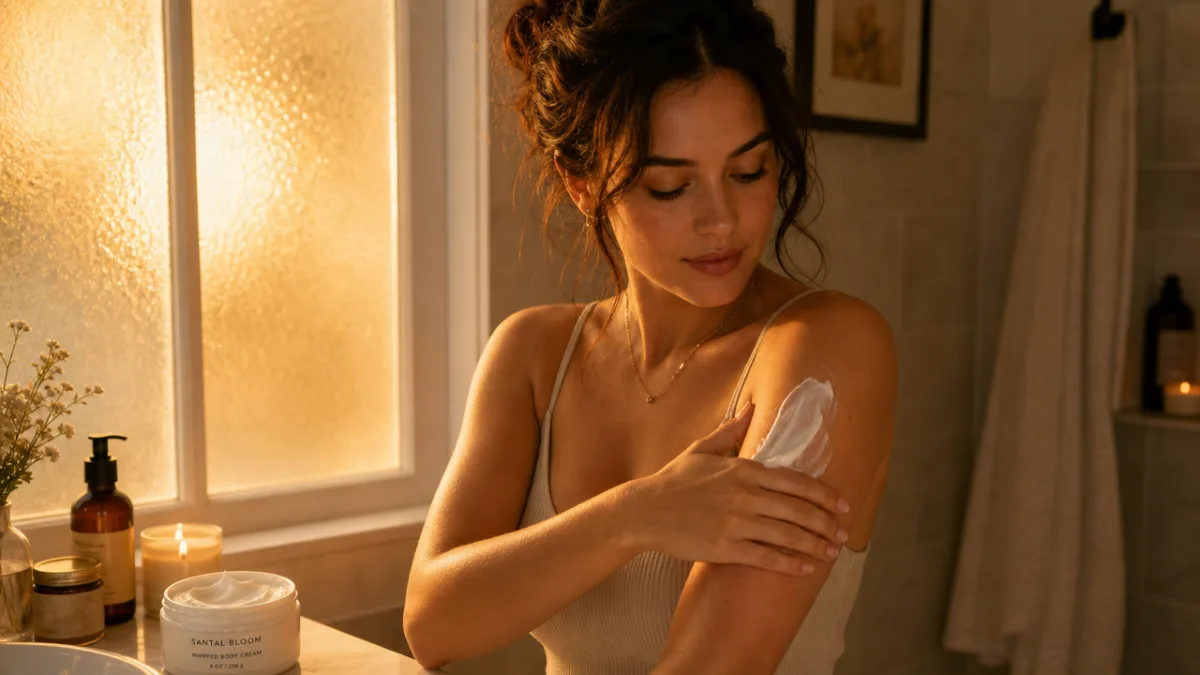
Timing matters enormously when using a body crème for maximum benefit. The optimal window for application is within three to five minutes of stepping out of a warm shower or bath, while the skin is still slightly damp. During this brief period, the stratum corneum is fully hydrated and its lipid channels are open, allowing emollient molecules to penetrate more deeply and integrate more effectively with the skin’s natural moisture matrix. Waiting longer than about ten minutes allows the skin surface to dry and cool, partially closing these channels and reducing absorption efficiency by a meaningful degree.
For a full evening ritual, consider the following sequence to maximize both skin and mental health benefits:
- Take a warm (not hot) shower or bath to open pores and relax muscles without stripping the skin’s acid mantle.
- Pat skin gently with a soft towel, leaving approximately 20 percent moisture on the surface.
- Scoop a small amount of Whipped Lavender Crème — approximately the size of a large marble per limb — and warm it between your palms before applying.
- Use slow, intentional upward strokes, moving from ankle to thigh and wrist to shoulder to encourage lymphatic circulation.
- Spend an extra moment massaging the crème into the soles of the feet, the elbows, and the knees, which are the areas most prone to dryness and cracking.
- Allow two to three minutes for the crème to absorb before putting on pajamas or getting into bed.
Consistency is the cornerstone of any effective skincare ritual. A single application of even the most scientifically advanced moisturizer will produce modest, temporary results. The true transformation happens over weeks and months of repeated, daily application. The skin renews itself on approximately a 28-day cycle, meaning that cells nourished with regular emollient application will gradually migrate to the surface and be expressed as visibly smoother, more even-toned skin. Committing to the ritual — even on tired nights when it feels like a chore — is the single most powerful thing you can do to honor both your skin and your need for rest.
Ingredients to Look For in a High-Quality Whipped Lavender Crème
Not all lavender crèmes are created equal. The quality of a whipped body butter hinges on the integrity of its ingredient list, specifically the sourcing, purity, and concentration of its key components. When evaluating a product like Rest Whipped Lavender Crème, begin by examining whether lavender appears as an essential oil, a hydrosol (floral water), or a synthetic fragrance compound. Lavandula angustifolia oil, listed by its INCI name, is preferable to generic “fragrance” or “parfum” entries, which can mask dozens of unidentified chemical components that may irritate sensitive skin.
The base butters and oils carry equal importance. The following are among the most beneficial base ingredients commonly found in premium whipped body products:
- Shea Butter (Butyrospermum parkii) — Rich in oleic and stearic fatty acids, shea provides deep emolliency and is clinically recognized for its ability to reduce the appearance of stretch marks and support the skin barrier.
- Mango Seed Butter (Mangifera indica) — A harder butter that contributes a non-greasy finish and is rich in vitamins C and E, offering antioxidant protection against environmental free radicals.
- Fractionated Coconut Oil (Cocos nucifera) — A lightweight liquid oil that enhances spreadability and absorbs quickly without residue, ideal for whipped formulas targeting a clean skin feel.
- Jojoba Oil (Simmondsia chinensis) — Technically a liquid wax, jojoba closely mimics the skin’s own sebum and is well tolerated by all skin types, including acne-prone skin.
- Vitamin E (Tocopherol) — A natural antioxidant that also functions as a preservative, stabilizing the oil phase of the formulation against oxidative rancidity.
Beyond the core ingredients, pay attention to what the product does not contain. A quality whipped crème formulated with skin health in mind will typically be free from parabens, synthetic dyes, and sulfates. Many artisan producers of products like Rest also choose to avoid petroleum-derived ingredients such as mineral oil or petrolatum, which form an occlusive barrier on the skin but do not contribute to genuine nourishment of the lower epidermal layers. Reading the ingredient list with informed eyes transforms you from a passive consumer into an active advocate for your own skin health.
The Wellness Philosophy Behind the “Rest” Collection
Products branded under a wellness philosophy like “Rest” reflect a broader cultural movement that has been gaining momentum since the early 2010s — the recognition that sleep, recovery, and stillness are not indulgences but biological necessities. Chronic sleep deprivation affects immune function, metabolic regulation, emotional resilience, and yes, skin health. Cortisol spikes during sleep-deprived states accelerate collagen breakdown, increase sebum production, and impair the skin’s ability to repair the micro-damage accumulated during daily UV exposure and environmental stress. In this light, a product designed to support rest is, indirectly, a profoundly anti-aging investment.
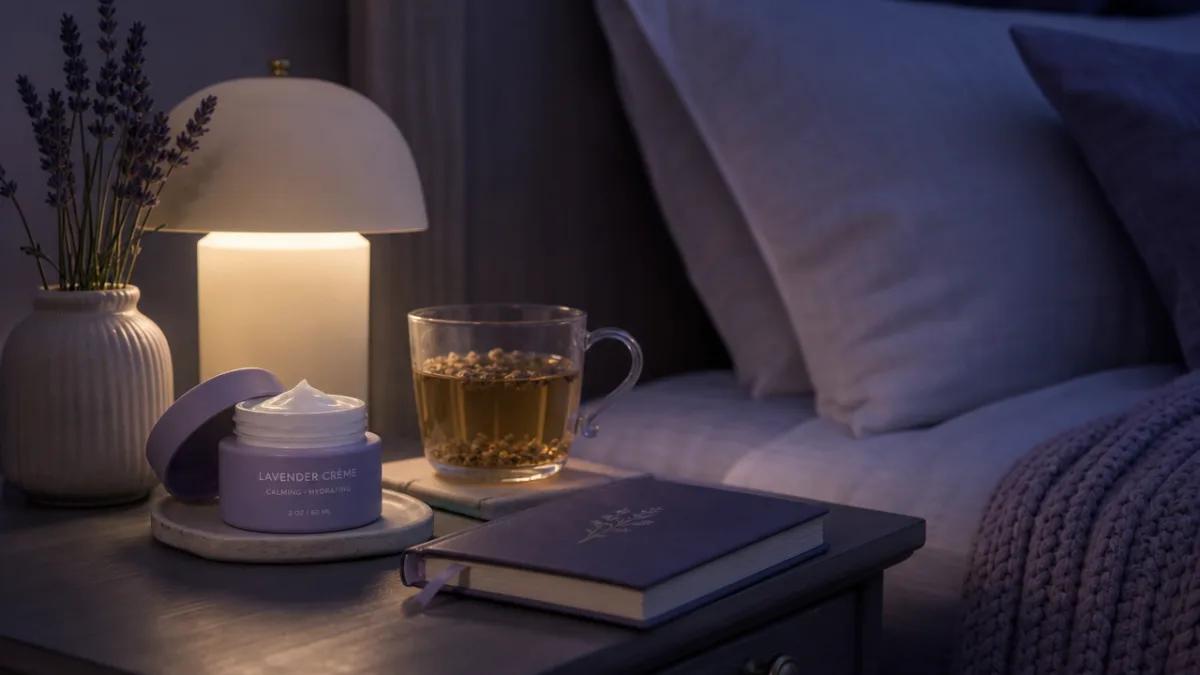
The “Rest” branding philosophy encourages users to reclaim the transition between wakefulness and sleep as a sacred space — a liminal period where the body can begin its remarkable overnight repair processes. During sleep, human growth hormone surges, triggering cellular regeneration throughout the body, including the skin. Blood flow to the skin increases, delivering oxygen and nutrients. The temperature of the skin’s surface drops slightly, slowing metabolic activity in a way that allows repair enzymes to work more efficiently. Applying a nourishing crème as you enter this period gives your skin the raw materials it needs to make the most of these biological processes.
Wellness-oriented product lines like Rest also tend to embody a broader ethos of simplicity and intentionality. In an era of 12-step skincare routines filled with acids, retinoids, peptides, and devices, there is genuine counter-cultural courage in proposing that a single, beautifully formulated jar of lavender whipped crème might be enough. This philosophy does not reject science — it embraces it selectively, asking which interventions are truly necessary for your individual skin and which are simply clever marketing. For many people, the answer is that consistent, gentle hydration combined with genuine, restorative rest produces more visible skin improvement than any elaborate multi-product system ever could.
Skin Types and Suitability: Who Benefits Most from Whipped Lavender Crème
Whipped Lavender Crème is formulated to be broadly inclusive, but understanding your skin type helps you calibrate expectations and application technique for optimal results. Dry and very dry skin types benefit most dramatically from whipped butter formulas, as the high concentration of occlusive and emollient ingredients delivers the sustained moisture barrier that chronically dry skin lacks. People living in cold, low-humidity climates or those who experience pronounced seasonal skin changes in winter will find that a daily application of whipped crème can genuinely transform the comfort and appearance of their skin within two to three weeks of consistent use.
Normal to combination skin types can also benefit significantly from whipped Lavender Crème, particularly when applied exclusively to dry zones such as shins, elbows, and feet while using a lighter gel or lotion on oilier areas like the upper back or chest. The whipped texture’s lighter weight relative to solid body butters makes it more suitable for combination skin than traditional balm-style products. People with oily skin may prefer to reserve the crème for targeted dry-patch application rather than full-body use, as layering heavy emollients over naturally sebum-rich skin can occasionally contribute to milia formation on certain individuals.
Sensitive skin types, including those managing conditions such as eczema, psoriasis, or rosacea, should approach any new skincare product with appropriate caution, including patch testing on the inner forearm for 24 to 48 hours before full application. Lavender essential oil is generally well tolerated but is not without risk — a small percentage of individuals have documented sensitivities to linalool. For those individuals, a lavender hydrosol-based formulation (which carries the aromatic compounds in much lower concentrations) may provide a gentler alternative while preserving much of the aromatherapeutic benefit. Always consult with a dermatologist if you are managing an active skin condition before introducing new topical products.
Caring for Your Whipped Crème: Storage and Shelf Life Tips
Whipped body butters require a bit more mindful storage than conventional lotions due to their natural ingredient profiles and often minimal preservative systems. The most important storage principle is temperature stability. Whipped crèmes are susceptible to melting at temperatures above approximately 75 to 80 degrees Fahrenheit, which can cause the aerated structure to collapse and the product to separate or develop a grainy texture upon re-cooling. Storing your 9oz jar in a cool, dry location away from direct sunlight — such as a bedroom drawer or a bathroom cabinet away from the shower’s steam — will preserve the texture and efficacy of the product for its full intended shelf life.
Moisture contamination is the second significant threat to product integrity. Always use a clean, dry spatula or the back of a clean spoon to scoop product from the jar rather than dipping wet fingers directly into the crème. Water introduced into a natural product creates an ideal environment for microbial growth, even in formulations that include natural preservative boosters like vitamin E or rosemary extract. Keeping the jar rim clean and replacing the lid promptly after use further reduces the risk of contamination. These small habits, practiced consistently, can extend the effective life of your product by weeks or even months.
Most whipped lavender crèmes have a shelf life of six months to one year from the date of manufacture when stored properly. Many artisan producers stamp a batch date or a period-after-opening (PAO) symbol on the jar base — a small open-jar icon with a number indicating the recommended months of use after first opening. Pay attention to these markers, as natural butters can go rancid over time, and a rancid product will not only smell unpleasant but can potentially cause skin irritation. If your crème ever develops an unusual, sharp, or “off” smell, trust your nose and retire the jar. The investment in a fresh replacement is always worthwhile when your skin health is the consideration.








What do you think?
It is nice to know your opinion. Leave a comment.