










Lycianthes: The Complete Guide to Growing and Caring for This Remarkable Plant
What Is Lycianthes? Understanding This Fascinating Genus
Lycianthes is a genus of flowering plants belonging to the Solanaceae family, commonly known as the nightshade family. With over 200 recognized species distributed primarily across tropical and subtropical regions of the Americas, Lycianthes represents one of the more diverse and visually compelling plant groups available to home gardeners and collectors. While it remains somewhat lesser-known compared to its relatives like tomatoes, peppers, and petunias, enthusiasts who discover Lycianthes quickly become devoted admirers of its delicate blooms and lush foliage.
The genus was once considered part of the broader Solanum classification, and in fact, many botanical texts still reference certain Lycianthes species under that umbrella. Modern taxonomic work has distinguished Lycianthes based on specific floral characteristics, particularly the unique structure of the calyx — the whorl of sepals surrounding the flower — which features distinctive appendages that set it apart from true Solanum species. Understanding this botanical heritage helps growers appreciate why Lycianthes shares so many cultural requirements with other members of the nightshade family.
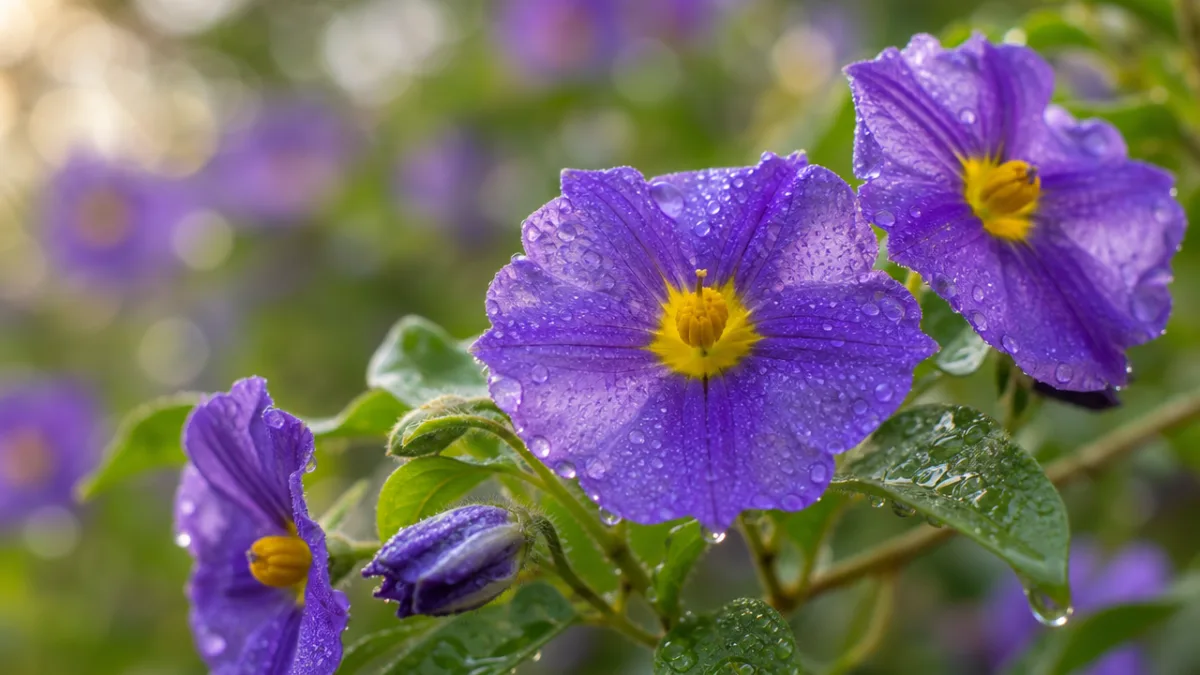
Among the most popular species cultivated by plant enthusiasts is Lycianthes rantonnetii, commonly called the blue potato bush or Paraguay nightshade. This species produces an abundance of violet-blue flowers with bright yellow centers, creating a stunning visual display throughout the warm growing months. Other notable species include Lycianthes moziniana and Lycianthes lenta, each bringing its own unique charm to gardens and indoor plant collections. The availability of Lycianthes for sale through specialty nurseries has expanded considerably in recent years, reflecting growing appreciation for these extraordinary plants.
Where to Buy Lycianthes: Finding Plants for Sale
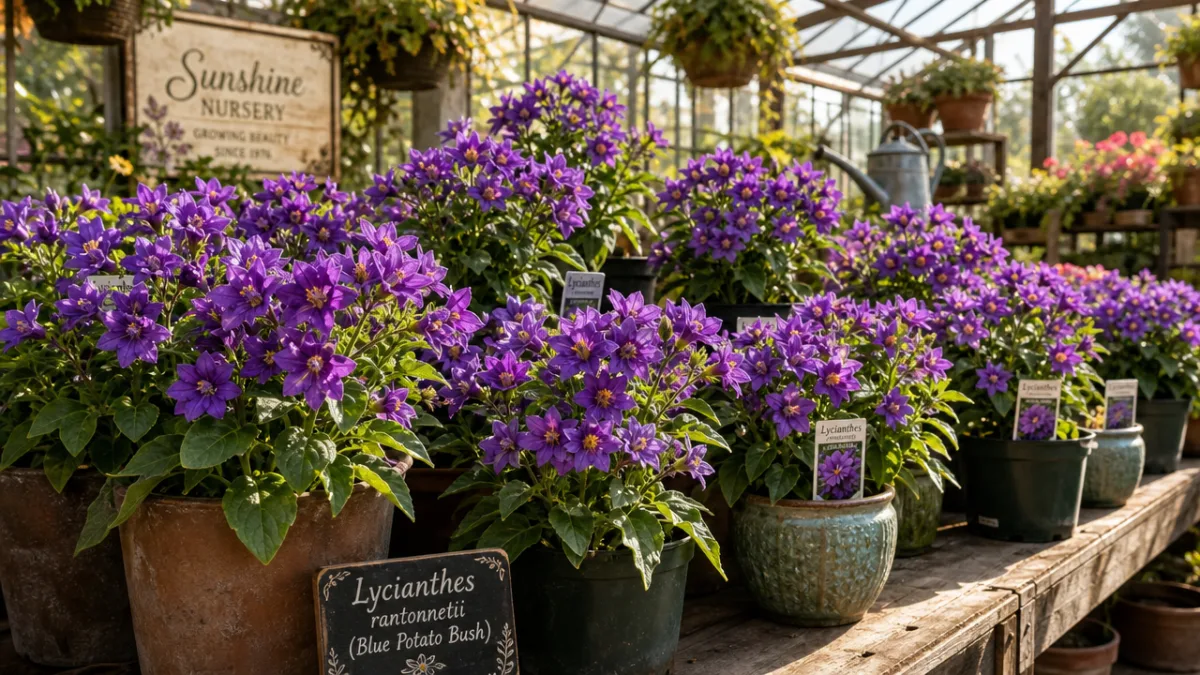
Sourcing Lycianthes plants can require a bit more effort than picking up common annuals at a big-box garden center, but the search is absolutely worth it. Specialty online nurseries have become one of the most reliable sources for finding Lycianthes for sale, with many offering multiple species and cultivars shipped directly to your door. Websites dedicated to rare and tropical plants often carry a rotating selection of Lycianthes, and signing up for their newsletters can alert you when new stock becomes available. Additionally, platforms like Etsy have seen a boom in small-scale plant sellers offering unique specimens that are difficult to find through conventional retail channels.
Local botanical gardens and plant societies are another excellent avenue for acquiring Lycianthes plants. Many botanical institutions hold annual plant sales where members propagate and sell specimens from their collections, often at very reasonable prices. Joining a local or regional horticultural society not only connects you with knowledgeable growers who may have Lycianthes cuttings to share, but it also provides access to a community of support as you learn to cultivate the plant yourself. These informal networks can be invaluable for tracking down specific species that may not appear in any commercial catalog.
When purchasing Lycianthes, whether online or in person, there are several key factors to evaluate before committing to a purchase. Look for plants with:
- Deep green, unblemished foliage free of yellowing or spotting
- Firm, upright stems showing no signs of wilting or rot at the base
- Visible new growth indicating the plant is actively healthy and not stressed
- Clean root systems visible at drainage holes without appearing overly root-bound
- No visible pest activity such as webbing, sticky residue, or tiny insects on leaf undersides
Seed is another route for obtaining Lycianthes, and while it requires more patience, starting from seed allows growers to acquire rarer species that may never appear as established plants for sale. Several reputable seed exchanges and specialty seed companies carry Lycianthes seed, and germination, while sometimes slow, is generally achievable with consistent warmth and moisture. Growing from seed also gives you the satisfaction of shepherding your plant through its entire life cycle, deepening your understanding of its needs and rhythms.
Ideal Growing Conditions for Lycianthes
Lycianthes plants are subtropical to tropical in origin, which means they thrive in conditions that replicate warm, humid environments with generous sunlight. In terms of light exposure, most Lycianthes species prefer full sun to partial shade, with a minimum of six hours of direct sunlight per day producing the most abundant flowering. In regions with extremely intense afternoon sun and low humidity, some light afternoon shading can prevent leaf scorch while still allowing the plant to photosynthesize efficiently. Indoors, placing Lycianthes near a south- or west-facing window, or supplementing with grow lights, can produce excellent results.
Temperature is a critical factor for Lycianthes success. Most species are cold-sensitive and will suffer damage when temperatures drop below 40°F (4°C), with freezing temperatures typically proving fatal to unprotected plants. In USDA hardiness zones 9 through 11, Lycianthes can be grown outdoors as a perennial shrub, developing woody stems and returning year after year with minimal intervention. In cooler climates — zones 8 and below — gardeners have two primary options: treat the plant as an annual, replacing it each spring, or overwinter it indoors in a bright, frost-free space. Many growers find that overwintering Lycianthes in a sunny garage or sunroom works beautifully, with plants resuming vigorous growth once returned outside in late spring.
Soil composition plays a significant role in the health and productivity of Lycianthes. The ideal growing medium strikes a careful balance between:
- Excellent drainage to prevent waterlogging, which can quickly lead to root rot
- Sufficient organic matter to retain moisture between waterings without becoming soggy
- A slightly acidic to neutral pH, ideally between 6.0 and 7.0
- Good aeration to allow oxygen to reach the root zone
A high-quality potting mix amended with perlite or coarse sand works well for container-grown specimens, while in-ground planting benefits from the incorporation of compost and, in heavy clay soils, additional grit or sand to improve drainage. Raised beds are an excellent solution in gardens with naturally poor drainage, elevating Lycianthes above waterlogged zones and allowing the gardener greater control over soil composition. Regardless of planting method, ensuring that containers have adequate drainage holes and that in-ground planting sites do not collect standing water is absolutely essential to long-term plant health.
Watering, Fertilizing, and Ongoing Care
Establishing a consistent and appropriate watering routine is one of the most important things a Lycianthes grower can do for their plant. During the active growing season — typically spring through early autumn — Lycianthes appreciates regular watering that keeps the soil evenly moist but never waterlogged. A reliable method is to water thoroughly when the top inch of soil has dried out, ensuring water flows freely through drainage holes and excess is discarded from saucers promptly. In hot, dry weather, container-grown plants may need watering every one to two days, while in-ground plants with established root systems can often go longer between waterings as they access deeper soil moisture.
Fertilization drives the remarkable flowering performance that makes Lycianthes so desirable. During the growing season, feeding with a balanced, water-soluble fertilizer every two to three weeks provides the macro and micronutrients needed for sustained bloom production. Some growers prefer to use a fertilizer with a slightly higher phosphorus content — the middle number in the N-P-K ratio — during peak flowering to further encourage bud development. In autumn, as temperatures drop and growth naturally slows, fertilization should be reduced and then halted entirely during winter dormancy, allowing the plant to rest before the next season’s flush of growth.
Pruning is a care practice that rewards Lycianthes growers generously. Left unpruned, many species can become leggy and sparse, producing flowers only at the tips of long, bare stems. A moderate pruning in early spring — cutting stems back by roughly one-third — encourages dense, bushy growth and maximizes the number of flowering shoots. Light tip-pinching throughout the growing season further promotes branching and a fuller silhouette. When pruning, always use clean, sharp tools to minimize plant stress and reduce the risk of introducing disease, and consider rooting the removed cuttings to propagate new plants.
Propagating Lycianthes: Growing New Plants from Cuttings
One of the great joys of growing Lycianthes is how readily it can be propagated, allowing a single purchased plant to become the foundation of a thriving collection. Stem cuttings represent the most reliable and commonly used propagation method. To take a cutting, select a healthy stem that includes at least two or three sets of leaves and measures approximately four to six inches in length. Using sterile pruning shears, make a clean cut just below a leaf node — the point where leaves emerge from the stem — as this is where root initiation is most likely to occur. Remove the lower leaves, leaving only the top one or two pairs, to reduce moisture loss during the rooting process.
Once cuttings are prepared, they can be rooted in several different media, each with its own advantages. Water propagation, where the cutting is placed in a glass of clean water with the lower nodes submerged, offers the excitement of watching roots develop visibly over one to three weeks. Rooting in a mix of perlite and peat, or in a dedicated propagation medium, tends to produce roots that transition more smoothly into potting soil than water-rooted cuttings. Whichever medium is used, maintaining high humidity around the cuttings — accomplished by placing a clear plastic bag or humidity dome over them — dramatically improves success rates by reducing the transpiration stress the cutting experiences before it has roots to absorb water.
Rooting hormone, available as a powder, gel, or liquid at most garden centers, can significantly accelerate the rooting process and improve the percentage of cuttings that successfully develop roots. Dipping the cut end into rooting hormone before placing it in the propagation medium is a simple step that many growers find makes a meaningful difference. Within three to five weeks under warm conditions — ideally between 70°F and 80°F — most Lycianthes cuttings will have developed a robust enough root system to be potted up into individual containers. At this point, gradual acclimation to lower humidity levels over several days prevents transplant shock and sets the newly rooted cutting up for strong, independent growth.
Pests, Diseases, and Troubleshooting Common Problems
Like all plants, Lycianthes is susceptible to a range of pest and disease challenges, though good cultural practices go a long way toward preventing serious infestations or infections. Among the most common pests encountered on Lycianthes are spider mites, which thrive in hot, dry conditions and appear as tiny moving dots on leaf undersides, accompanied by fine webbing as populations grow. Whiteflies, aphids, and mealybugs are also frequently reported, all of them feeding on plant sap and potentially transmitting viral diseases in the process. Regular inspection of plants — particularly the undersides of leaves where pests prefer to hide — allows problems to be caught early when they are much easier to manage.
Integrated pest management offers a range of tools for addressing Lycianthes pest problems without resorting immediately to harsh chemical treatments. For minor infestations, a strong jet of water directed at affected plant parts can physically dislodge and kill significant numbers of pests. Insecticidal soap spray, applied according to label directions and repeated every five to seven days, is highly effective against soft-bodied insects like aphids and spider mites. Neem oil, derived from the seeds of the neem tree, serves as both a pesticide and a fungicide, addressing multiple potential problems in a single treatment. For more persistent or severe infestations, systemic insecticides may be warranted, though these should be used as a last resort, particularly on plants that attract pollinators.
On the disease front, Lycianthes is primarily at risk from fungal conditions, most of which are associated with overwatering or poor air circulation. Root rot, caused by various water mold pathogens in the genus Phytophthora and Pythium, is arguably the most serious threat and is almost always linked to excessively wet soil. Powdery mildew can appear on foliage as white, powdery patches, particularly during periods of high humidity combined with warm temperatures. Leaf spot diseases may also occur, causing brown or yellow lesions that can spread if conditions remain favorable. In all cases, prevention through proper watering, adequate spacing for air circulation, and avoiding wetting foliage during irrigation is far more effective than treating established infections.
Landscaping and Design Uses for Lycianthes
The ornamental value of Lycianthes extends far beyond the novelty of growing a relatively uncommon plant. In suitable climates, species like Lycianthes rantonnetii develop into substantial shrubs reaching five to eight feet in height with an equally broad spread, making them highly effective as informal hedges, privacy screens, or focal points in mixed shrub borders. Their extended flowering period, which in frost-free regions can span most of the year, provides color and visual interest long after many other flowering shrubs have finished their peak display. The violet-blue flowers are a particular asset in garden design, offering a cool complement to warm-toned flowers like orange lantana or yellow rudbeckia.
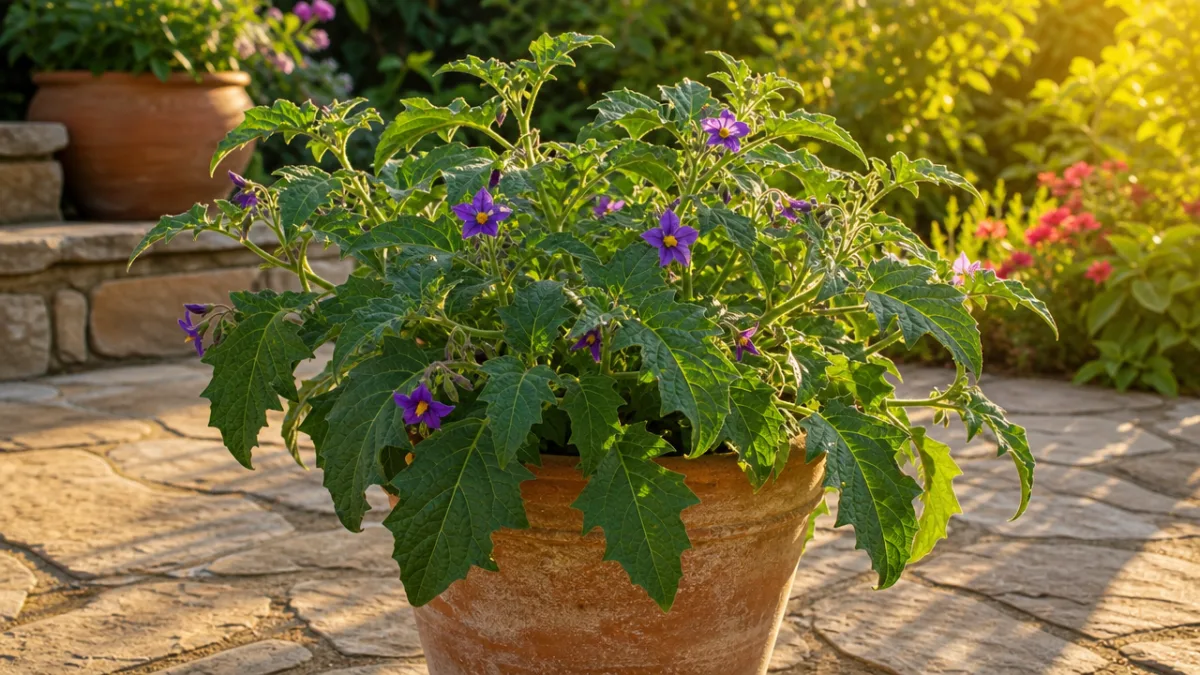
Container culture opens Lycianthes cultivation to gardeners in any climate and also introduces exciting design possibilities for patios, decks, and other outdoor living spaces. A large specimen planted in a substantial, decorative pot becomes a moveable garden feature that can be repositioned seasonally for optimal effect and brought indoors when frost threatens. Lycianthes can also be trained as a standard — a lollipop-shaped form with a clear trunk topped by a rounded canopy — through selective pruning over one to two growing seasons. This formal presentation suits formal garden designs and makes an impressive entrance statement flanking a doorway or gate.
For gardeners interested in supporting pollinators, Lycianthes offers genuine ecological value. The flowers attract a range of bee species, including bumblebees that are particularly effective at buzz pollination — a behavior where the bee vibrates at a specific frequency to release pollen from the anthers, a technique shared by many Solanaceae family members. Butterflies also visit Lycianthes flowers regularly, drawn by the accessible nectar. In regions where hummingbirds are present, certain Lycianthes species with tubular flowers may attract these remarkable birds as well. Incorporating Lycianthes into a pollinator garden not only benefits the plant’s reproduction but contributes meaningfully to local biodiversity, making it a planting choice that is both beautiful and ecologically responsible.








What do you think?
It is nice to know your opinion. Leave a comment.