










Vintage Teacup Candles: The Ultimate Guide to Cottagecore Home Decor and Thoughtful Tea Lover Gifts
The Enchanting World of Vintage Teacup Candles
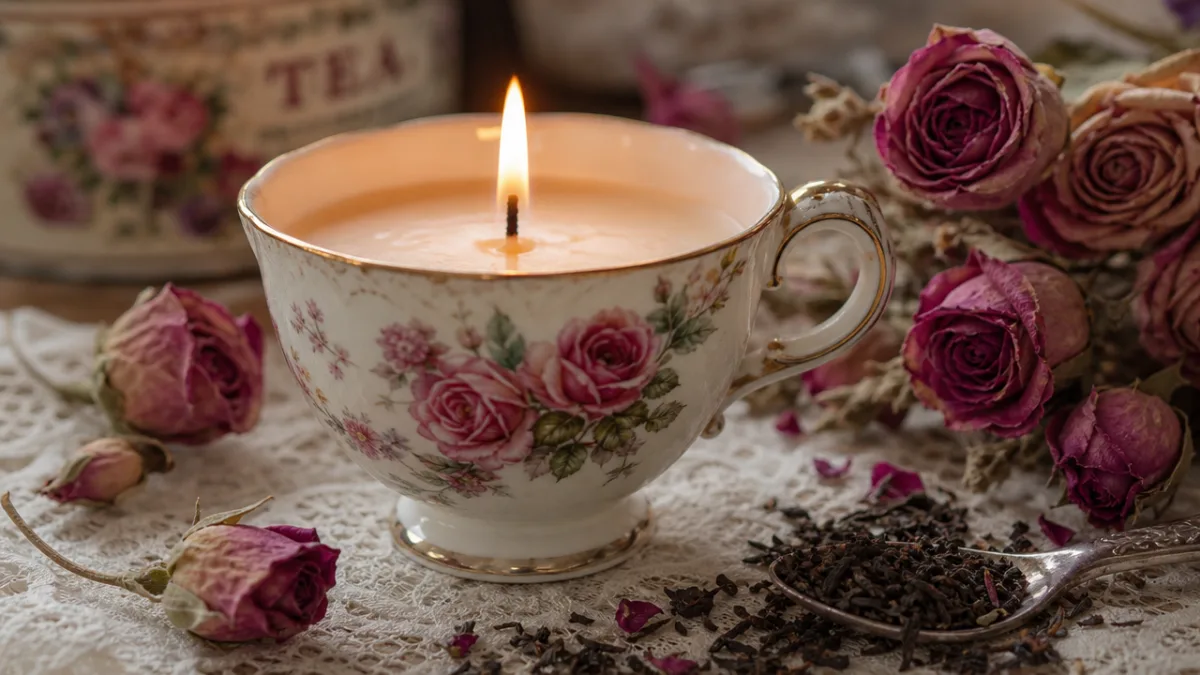
There is something undeniably magical about a candle flickering inside a delicate vintage teacup. The soft glow catches the fine china’s translucency, casting warm patterns across a shelf or windowsill in a way that no ordinary candle holder ever could. Vintage teacup candles have become one of the most beloved items within the cottagecore aesthetic, blending nostalgic charm with practical home fragrance in a single, beautifully crafted object. Whether displayed as a centerpiece or tucked into a cozy reading nook, these candles transform any room into a sanctuary of warmth and whimsy.
The appeal goes far beyond mere decoration. Each vintage teacup carries its own history — perhaps it once sat on a grandmother’s kitchen table or graced the shelves of an old country estate. When artisans pour fragrant wax into these rescued pieces, they give forgotten objects a renewed sense of purpose and beauty. The marriage of old-world charm and modern candle-making craft is what makes teacup candles feel so deeply personal and meaningful. Every chip, every gilded edge, every hand-painted floral motif tells a story that a mass-produced candle simply cannot replicate.
For those who are discovering this trend for the first time, the variety available can be both delightful and overwhelming. Teacup candles come in an astonishing range of styles, from fine bone china etched with blue willow patterns to rustic earthenware cups in earthy tones, from art deco cups with geometric gold trim to dainty Victorian roses rendered in soft pastels. No two are ever exactly alike, which means that owning a vintage teacup candle is always a genuinely unique experience. It is this singularity that makes them so prized among collectors and home decorators alike.
Understanding the Cottagecore Aesthetic and Its Love of Handcrafted Objects
Cottagecore is more than a visual trend — it is a philosophy of living that celebrates slowness, simplicity, and a deep connection to the natural world. Rooted in a romanticized vision of rural life, the aesthetic draws inspiration from English country gardens, woodland foraging, freshly baked bread, and the kind of intimate domestic rituals that have largely disappeared from modern life. Vintage teacup candles sit at the very heart of this worldview because they embody so many of its core values: sustainability through repurposing, reverence for craftsmanship, and a preference for objects that carry emotional weight over those that are merely functional.
Within a cottagecore-styled home, every object is chosen with intention. A windowsill might be lined with mismatched pottery, dried flower bundles, and stacked linen-bound books. A tea tray might hold a small ceramic teapot alongside a teacup candle whose scent — perhaps lavender and honey, or rose and bergamot — fills the room with the suggestion of a garden in bloom. The visual language of cottagecore is one of layered textures, muted natural colors, and the kind of comfortable clutter that feels lived-in and loved. Vintage teacup candles contribute to this atmosphere effortlessly, because they look as though they have always belonged on that shelf.
It is worth noting that cottagecore’s popularity surged significantly during the early 2020s, when many people were spending more time at home and feeling a renewed desire to make their living spaces genuinely comforting. Small artisan businesses producing handcrafted goods flourished during this period, and vintage teacup candles became some of the most sought-after products on handmade marketplaces. The trend has since matured into a sustained lifestyle movement rather than a passing fashion, with a dedicated community of makers, collectors, and enthusiasts who continue to refine and celebrate this particular corner of domestic creativity.
How Vintage Teacup Candles Are Made: Craft, Materials, and Techniques
The process of creating a vintage teacup candle begins long before any wax is melted. It starts with sourcing — the patient, often time-consuming task of hunting through antique markets, estate sales, charity shops, and online listings to find cups that are both beautiful and structurally sound. A good artisan looks for cups without cracks or deep chips that could compromise the integrity of the vessel when hot wax is poured inside. They also consider the depth and width of the cup, since these dimensions affect how the candle will burn and how much fragrance it will throw into the room.
Once a cup has been selected and thoroughly cleaned, the artisan prepares the wax. Many makers strongly prefer natural waxes for their teacup candles, and for good reason. Soy wax, coconut wax, and beeswax are all popular choices because they burn more cleanly than paraffin, produce less soot, and hold fragrance oils beautifully. The wax is melted to a precise temperature, at which point carefully measured fragrance oils and, in some cases, cosmetic-grade colorants are blended in. Fragrance selection is where much of an artisan’s individual creativity shines through, and many develop their own proprietary blends inspired by seasons, places, or literary worlds.
Wick selection and placement is arguably the most technically critical step in the entire process. A wick that is too large will cause the candle to burn too hot, potentially cracking the china or producing excessive soot. A wick that is too small will tunnel down through the center without ever achieving a full melt pool, wasting a significant portion of the candle and diminishing its fragrance throw. Experienced makers test their wick choices extensively for each cup size and wax type combination before settling on the right pairing. The finished candle is then left to cure for a minimum of 24 to 48 hours before it is considered ready, allowing the fragrance molecules to fully bond with the wax.
Choosing the Perfect Vintage Teacup Candle as a Gift
Vintage teacup candles have earned a well-deserved reputation as one of the most thoughtful gifts a person can give. Unlike a generic candle purchased from a large retailer, a teacup candle feels genuinely considered — it says that the giver has thought about the recipient’s tastes, their love of beautiful objects, and their enjoyment of sensory experiences at home. For tea lovers in particular, a candle nestled inside a lovely vintage cup is a gift that speaks directly to their passion while also offering something they might never have thought to buy for themselves. It occupies that perfect sweet spot between practical and luxurious.
When selecting a teacup candle as a gift, there are several factors worth thinking through carefully. The visual style of the cup matters enormously — a recipient who favors minimalist Scandinavian interiors might appreciate a simple white cup with a clean gold rim, while someone who has decorated their home in maximalist Victorian style would likely adore an elaborately patterned piece with hand-painted roses and gilded detailing. Fragrance is equally personal. Most reputable artisan sellers offer a range of scent families, and it is worth considering whether the recipient tends to prefer florals, gourmand notes like vanilla and caramel, herbal and green scents, or warm woodsy accords.
Occasions that suit a vintage teacup candle as a gift include a wide and varied range of celebrations and milestones. Consider gifting one for any of the following:
- Birthdays, particularly milestone ones that call for something more memorable than a standard present
- Mother’s Day, when something handcrafted and personal resonates far more than a commercial alternative
- Housewarmings, where a beautiful object helps make a new space feel like a home
- Christmas and holiday gifting, where the cozy, warm aesthetic fits the season perfectly
- Teacher appreciation gifts, offering something handmade and heartfelt
- Bridesmaid or wedding party gifts, especially for cottagecore or garden-themed celebrations
- Valentine’s Day, for those who prefer something romantic and enduring over cut flowers
Presentation is the final element that elevates a teacup candle gift from lovely to truly memorable. Many artisan makers offer gift wrapping, ribbon, and custom gift notes as part of their service, which is worth taking advantage of whenever possible. A teacup candle nestled in tissue paper within a kraft box, tied with a natural twine bow and accompanied by a handwritten note about the cup’s origins and the fragrance notes, becomes an experience to unwrap as much as an object to display. It communicates care, effort, and a genuine desire to give something that will be cherished for a long time after the wax has burned down.
Caring for Your Vintage Teacup Candle: Tips for a Safe and Long-Lasting Burn
Like all fine candles, a vintage teacup candle rewards a little attentive care with a significantly better burning experience. The single most important habit to develop is trimming the wick before every burn. A wick that has been allowed to grow long will produce a larger, sootier flame that deposits black marks on the inside of the delicate china cup and burns through the wax far more quickly than necessary. Using a wick trimmer or a clean pair of nail scissors to cut the wick down to approximately 5mm before lighting ensures a controlled, clean flame that respects both the wax and the vessel.
The first burn is the most critical of all, and this is especially true for candles housed in teacups, where the diameter of the vessel is often smaller than a standard candle jar. On that initial lighting, allow the candle to burn long enough for the melt pool to reach all the way to the edges of the cup. This process, known as achieving a full melt pool, establishes a memory in the wax that prevents tunneling on all subsequent burns. Depending on the size of the cup and the ambient temperature of the room, this can take anywhere from one to three hours, so choose a time when you can be present and attentive.
Storage and display are also worth considering carefully. Vintage teacup candles should be kept away from direct sunlight, which can cause the wax to discolor and the fragrance to degrade more quickly than it otherwise would. They should also be stored in a cool, dry environment away from drafts, which can cause uneven burning and increase soot production. Many people find that a bookshelf, mantelpiece, or side table away from windows and air vents is the ideal location. When not in use, placing a small saucer or decorative lid over the top of the cup helps protect the wax surface from dust, which can affect both the appearance and the burn quality of the candle.
Repurposing and Reimagining Your Teacup Once the Candle Has Burned Down
One of the most charming qualities of a vintage teacup candle is that the vessel’s life does not end when the wax runs out. In fact, many devotees of these candles look forward to the moment when the candle is spent precisely because it means the teacup is ready for its next chapter. Removing the remaining wax is straightforward: place the cup in the freezer for a few hours until the wax contracts and can be popped out cleanly with a butter knife or spoon, then wash the cup in warm soapy water to remove any residual wax and fragrance oil. What you are left with is a beautiful vintage teacup, free to be used in an entirely new way.
The repurposing possibilities for a vintage teacup are genuinely extensive, limited only by imagination. In a home office, a delicate cup with a gilded rim makes a charming holder for pens, pencils, and scissors. In a bathroom, a small cup can hold cotton balls, hair pins, or rings removed before washing hands. In a garden room or on a windowsill, teacups work beautifully as miniature planters for succulents, moss, or small trailing herbs like thyme or creeping rosemary. On a dressing table, a cup can hold rings, earrings, and other small jewelry pieces with considerably more elegance than a standard jewelry dish.
For the truly creative, an emptied teacup candle vessel can even become the foundation for a new homemade candle, provided the cup is in good condition and the maker is comfortable with basic candle-making techniques. Home candle-making kits are widely available and contain all the necessary materials, and there is something particularly satisfying about replenishing a beloved cup with a new wax blend of your own choosing. This full cycle of use — from antique market to artisan candle to repurposed home object and back again — is deeply in keeping with the cottagecore ethos of sustainability, creativity, and finding lasting value in beautiful things that others might have overlooked or discarded.
Finding and Supporting Artisan Makers of Vintage Teacup Candles
The vintage teacup candle market is overwhelmingly driven by small, independent artisan businesses, and supporting these makers is one of the most direct ways a consumer can put their values into practice. Unlike mass-produced candles manufactured in large quantities by automated processes, each teacup candle from an independent maker is the result of hours of sourcing, testing, pouring, and finishing by hand. When you purchase from these businesses, you are funding someone’s creative practice, often their primary livelihood, and contributing to an ecosystem of craft that would otherwise be crowded out by cheaper commercial alternatives.
The best places to discover quality vintage teacup candle makers include handmade marketplaces such as Etsy and Not On The High Street, where you can read detailed shop policies, view extensive photography of individual pieces, and often communicate directly with the maker before purchasing. Social media platforms, particularly Pinterest and Instagram, are invaluable for discovery — many artisan candle makers maintain beautiful feeds that document their sourcing trips, making process, and finished products, giving buyers a genuine sense of the care and personality behind each piece. Craft fairs and artisan markets, both local and regional, also offer the incomparable experience of seeing and smelling the candles in person before committing to a purchase.
When evaluating a maker’s work, there are several markers of quality worth looking for. A thoughtful shop listing will describe not only the fragrance notes in detail but also the wax type used, the approximate burn time, and any care instructions relevant to the specific vessel. Photographs should show the candle both lit and unlit, ideally in natural light that faithfully represents the cup’s colors and condition. Reviews from previous customers are invaluable, and it is worth reading them carefully for any mentions of burn performance, fragrance strength, and the condition in which items arrived. A maker who responds thoughtfully to questions and stands behind their products with clear communication is one well worth supporting, returning to, and recommending to others who share a love of these extraordinary little objects.








What do you think?
It is nice to know your opinion. Leave a comment.