










23 DIY Bird House Ideas: Wooden, Rustic & Recycled Birdhouse Plans
Why Building Your Own Birdhouse Is a Rewarding Project
There is something deeply satisfying about crafting a small wooden shelter and watching a family of birds move in and make it their home. Building your own birdhouse connects you to nature in a tangible, hands-on way that simply hanging a store-bought feeder never quite achieves. It encourages mindfulness, patience, and a sense of stewardship over your local environment, all while giving you a creative outlet that results in something genuinely useful to the wildlife in your backyard.
DIY birdhouse projects are also wonderfully accessible. Whether you are a seasoned woodworker with a shop full of tools or a complete beginner picking up a hammer for the first time, there is a birdhouse design suited to your skill level and budget. Many projects require little more than a few pieces of scrap wood, some nails, and a drill with a hole saw attachment. The barrier to entry is low, which makes this one of the most inclusive and family-friendly outdoor crafts you can undertake.
Beyond the personal satisfaction, handmade birdhouses contribute meaningfully to local bird populations. Urban sprawl and habitat loss have reduced the number of natural nesting cavities that birds once relied upon. By placing thoughtfully designed birdhouses in your garden, yard, or on a nearby fence post, you help compensate for that loss. Over a single nesting season, one well-positioned birdhouse can support a breeding pair and help produce an entire new generation of songbirds, pollinators-supportive species, or even insect-eating helpers for your garden.
The Joy of Watching Birds Use Your Creation
One of the most quietly joyful experiences a gardener or nature lover can have is sitting with a cup of coffee on a spring morning and watching a pair of chickadees or wrens investigate a birdhouse you built with your own hands. The moment a bird pokes its head through the entry hole you carefully drilled is a kind of validation that goes beyond any compliment a person might offer. You built something functional and living creatures chose it — that is remarkable.
Children especially benefit from the experience of building and then observing a birdhouse. It teaches them patience, the basics of construction, and a sense of responsibility toward the natural world. Many families who build birdhouses together find that it sparks ongoing conversations about local bird species, migration patterns, and conservation. In this way, a simple weekend woodworking project can become an entry point into a lifelong appreciation for wildlife and the outdoors.
The observational rewards continue across the seasons. In spring you may watch nest-building and egg-laying. In summer you might glimpse fledglings taking their first flights. In autumn and winter, the empty house becomes a resting spot or temporary roost. Keeping a small journal of what you observe can turn your birdhouse into a personal natural history record, documenting not just birds but the rhythms and changes of your own outdoor space year after year.
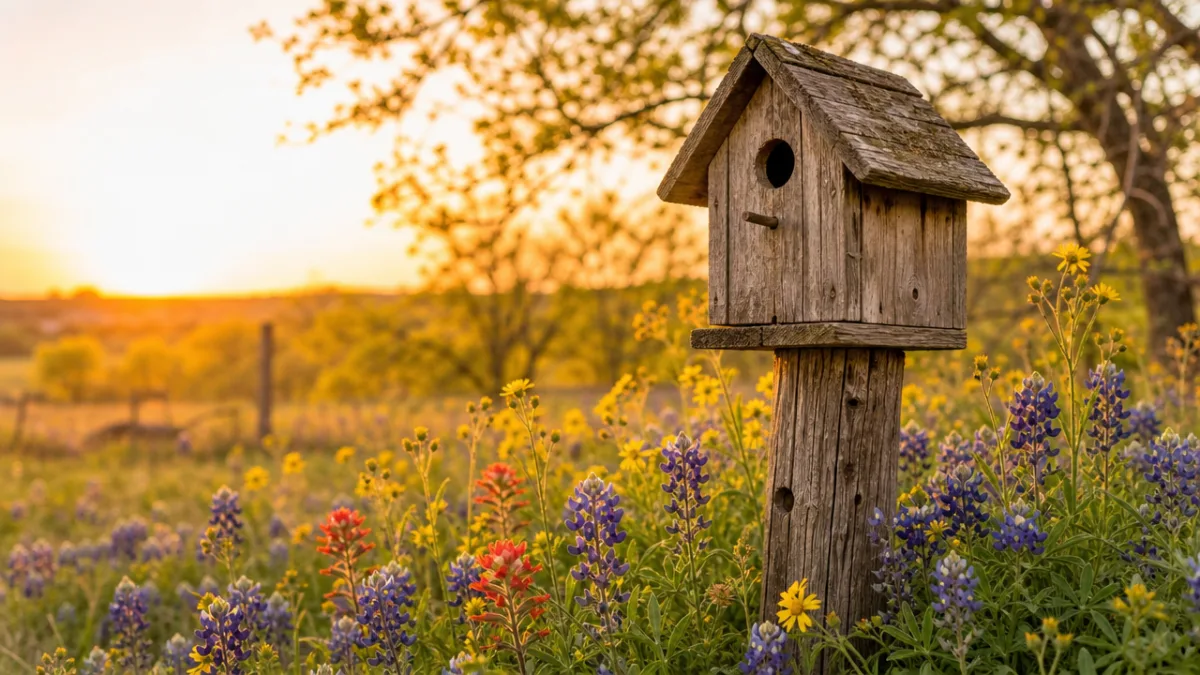
Choosing the Right Wood and Materials
The choice of material is one of the most important decisions you will make when planning a birdhouse build. Not all wood performs the same way outdoors, and selecting the wrong type can result in a house that warps, rots, or becomes structurally unsafe for nesting birds within a single season. The goal is to choose wood that is durable, untreated with harmful chemicals, and thick enough to provide insulation against both heat and cold. Most experts recommend a minimum thickness of three-quarters of an inch for the walls of any functional birdhouse.
Cedar is widely regarded as the gold standard for outdoor birdhouse construction. It is naturally resistant to moisture and decay, weathers to a beautiful silver-gray over time, and contains no toxic resins that could harm birds or their eggs. Pine is a more affordable and readily available alternative, though it requires more maintenance to prevent rotting. Redwood, cypress, and white oak are also excellent choices. What you should absolutely avoid is pressure-treated lumber, which contains chemical preservatives that are genuinely dangerous to birds and other wildlife.
If you are working with a tighter budget or prefer a more sustainable approach, reclaimed wood is an outstanding option. Old barn boards, shipping pallets, retired fence pickets, and salvaged hardwood flooring can all be repurposed into beautiful and functional birdhouses. The weathered texture of reclaimed wood often looks more naturalistic, which may actually make birds feel more comfortable approaching the structure. Just be sure to inspect any reclaimed material for lead paint or chemical treatments before using it in a wildlife project.
Essential Tools for Beginner Birdhouse Builders
You do not need a fully equipped workshop to build a great birdhouse. A modest collection of basic tools will carry you through the vast majority of designs you are likely to encounter. Having the right tools on hand before you begin saves time, reduces frustration, and produces cleaner, more professional-looking results. Below is a practical list of what most beginners will want to gather before starting their first build.
- Circular saw or handsaw — for cutting lumber to length and angle
- Power drill with bits — for pilot holes, assembly screws, and the entry hole
- Hole saw attachment — sized specifically to the target bird species entry requirements
- Measuring tape and pencil — accurate measurements are essential for tight-fitting joints
- Sandpaper (medium and fine grit) — to smooth edges and prevent splinters
- Exterior wood screws or galvanized nails — for corrosion-resistant assembly
- Clamps — helpful for holding pieces in place while adhesive or fasteners are applied
- Square or speed square — ensures your cuts and joints are true and perpendicular
As you grow in confidence and take on more complex designs, you may want to add a jigsaw for decorative cuts, a router for dados and rabbets, or a drill press for perfectly perpendicular entry holes. However, these are luxuries rather than necessities. Many beautifully functional birdhouses have been built with nothing more than a handsaw, a drill, and a handful of screws. The quality of your planning and attention to detail matters far more than the sophistication of your tool collection.
Classic Wooden Birdhouse Designs
The classic wooden birdhouse — a simple box shape with a peaked roof and a round entry hole — is a design with good reason for its endurance. It works. The fundamental form provides shelter, insulation, and a cavity that mimics the natural tree hollows birds evolved to nest in. Starting with a classic design gives you a reliable blueprint you can modify, decorate, and refine as you develop your skills and discover which bird species are most active in your area.
For a basic bluebird box, you will want interior floor dimensions of approximately five by five inches, an interior depth from the floor to the entry hole of around six inches, and an entry hole diameter of one and a half inches. These measurements are not arbitrary — they are based on research into the nesting preferences and body sizes of Eastern bluebirds specifically. The Audubon Society and the North American Bluebird Society publish detailed specifications for dozens of species, and following those guidelines dramatically increases the likelihood that your house will attract its intended residents.
Variations on the classic wooden design are nearly endless. A barn-style birdhouse with a long horizontal roofline and multiple entry holes can be designed for colony nesters like purple martins. A simple hollowed-log birdhouse combines the organic look of natural materials with the structural reliability of wood. A tiered, multi-story design makes a dramatic garden centerpiece while potentially housing several pairs of birds. Once you understand the core principles of interior dimensions and entry hole sizing, you can adapt almost any aesthetic to serve as a functional nesting space.

Peaked and A-Frame Roof Designs
The peaked or gabled roof is the most iconic birdhouse silhouette, and it serves a genuinely practical purpose beyond aesthetics. A steeply angled roof sheds rainwater efficiently, keeping the interior dry and reducing the risk of mold or bacterial growth that could harm eggs and nestlings. The overhang of the roof also provides shade during the hottest part of summer days, which can be critical in warmer climates where overheating is a significant cause of nestling mortality in poorly designed birdhouses.
An A-frame birdhouse takes the peaked roof concept to its extreme, creating a triangular silhouette where the roof itself forms the majority of the structure. These designs are particularly popular for decorative garden use and can be scaled up to create striking focal points in a yard or garden bed. They are also structurally simple to construct, since the angled sides can be cut from a single piece of lumber and joined at the peak with a spine piece. A-frame birdhouses work especially well for smaller species like wrens and chickadees that prefer a cozy, protected interior.
When building any peaked roof design, pay close attention to the ventilation gaps at the peak. Birds generate considerable body heat while brooding, and without adequate ventilation, the interior temperature of a closed birdhouse can reach dangerous levels on a hot summer afternoon. Leaving a small gap at the peak or drilling ventilation holes just below the roofline on each gable end allows warm air to escape while keeping rain and predators out. This small detail can make the difference between a thriving nest and an abandoned one.
Rustic and Naturalistic Birdhouse Styles
Rustic birdhouse designs draw their appeal from materials and finishes that echo the natural environment, making the structure look as though it grew organically from its surroundings rather than being manufactured and placed there. Birch bark cladding, rough-split cedar shingles, twisted branch perches, and moss-covered rooftops are all hallmarks of the rustic style. These birdhouses tend to be visually striking in garden and woodland settings, and they often attract birds more readily than brightly painted or highly finished structures because they blend more naturally into the landscape.
Building a truly rustic birdhouse often begins with a forage walk. Dead branches, fallen sections of birch, river stones, dried seed heads, and sections of bamboo are all materials that can be incorporated into a naturalistic design. A simple wooden box becomes something entirely different when you clad the exterior with overlapping strips of bark, cap the roof with a section of hollow log, and add a branch offcut as a decorative perch or landing strip. The construction process itself becomes a kind of nature craft, and no two finished pieces will ever look exactly alike.
One particularly beautiful rustic approach is the log cabin birdhouse, constructed by stacking short sections of dowel or branch in a notched log-cabin pattern around a central interior box. The result looks like a tiny frontier cabin and is structurally quite stable. Another popular rustic technique is the stacked pallet-wood design, where thin strips of weathered wood are layered like clapboard siding over a simple plywood frame. Both approaches can be completed with basic tools and modest carpentry skills, yet produce results that look genuinely artisanal and handcrafted.
Adding Natural Decorative Touches
The finishing details are what elevate a rustic birdhouse from a functional wildlife accessory to a genuine piece of garden art. Thatching the roof with bundles of dried grass or straw mimics the look of traditional English cottage architecture and is surprisingly easy to achieve using a staple gun and dried raffia. Attaching small pinecones, acorns, or dried flower heads to the exterior with waterproof craft glue adds texture and naturalistic detail. A coating of exterior-grade beeswax or linseed oil protects the wood while preserving the organic, unfinished look that defines the rustic aesthetic.
Natural rope and twine can be used for decorative wrapping, for hanging the birdhouse from a branch, or for adding a textural element to the entry area. Copper wire bent into decorative spirals around the entry hole adds a touch of artisan craft while also helping to reinforce the hole against squirrels or woodpeckers that might try to enlarge it. Driftwood pieces, if you have access to them, make outstanding base mounts or roof ridgelines, their salt-bleached surfaces complementing the weathered tones of cedar or pine.

Creative Recycled and Upcycled Birdhouse Ideas
Some of the most inventive and visually delightful birdhouses are built from materials that were never intended for the purpose at all. The world of recycled and upcycled birdhouses is limited only by imagination, and browsing collections of these creative builds is genuinely inspiring for anyone who loves both crafting and sustainability. Old teapots, vintage mailboxes, worn-out cowboy boots, hollowed-out books, colanders, wooden crates, and even discarded musical instruments have all been successfully converted into functioning bird habitats by clever and resourceful makers.
A recycled birdhouse project begins with identifying a container or object that has the right basic properties: an enclosed interior space large enough for a nesting bird, the structural integrity to withstand outdoor conditions, and the ability to have an appropriately sized entry hole added to it. A vintage metal mailbox, for example, requires only a hole saw to the front panel and a few drainage holes in the floor to become a perfectly functional nesting cavity. Its hinged door makes seasonal cleaning and monitoring effortlessly simple, which is actually an advantage many purpose-built birdhouses lack.
From an environmental standpoint, upcycled birdhouses represent a beautiful convergence of two good impulses: reducing waste and supporting wildlife. Rather than sending a worn-out item to landfill, you transform it into something that actively contributes to the local ecosystem. Many crafters who begin with recycled birdhouse projects find that it opens their eyes to the repurposing potential in all kinds of discarded objects, shifting their consumption habits in broader and more lasting ways. It is a small project with a surprisingly large ripple effect.
Step-by-Step: Turning a Wooden Crate into a Birdhouse
One of the simplest and most satisfying recycled birdhouse projects uses a standard small wooden fruit or wine crate. These crates are often available for free from grocery stores or wine shops, and their slatted construction provides natural ventilation without any additional drilling. Transforming one into a birdhouse takes less than an hour with basic tools and produces a charming, slightly industrial-rustic result that looks at home in a modern garden or on an apartment balcony.
- Select a crate with a solid base and sides — avoid ones with significant rot or splitting at the joints.
- Decide which side will serve as the front face and use a hole saw to cut an entry hole of the appropriate diameter for your target species.
- If the crate is fully open on one end, cut a piece of plywood or scrap wood to close it off securely, leaving a small gap at the top for ventilation.
- Drill four to six small drainage holes in the floor panel to prevent water accumulation inside the nest.
- Sand any rough edges around the entry hole to prevent injury to birds entering and exiting.
- Apply a coat of exterior-grade linseed oil or a natural wood sealant to the outer surfaces only — never the interior.
- Attach a sturdy mounting bracket or eye hook to the back panel for hanging or post-mounting in your preferred location.
Once mounted, a crate birdhouse can be left plain for a minimal, contemporary look or decorated with paint, stenciling, or applied natural materials for a more decorative result. Because the crate’s slatted sides allow moisture to escape easily, this style of birdhouse tends to stay dry inside even in rainy climates, which is one reason birds often take to them quickly. Clean it out at the end of each nesting season, check the entry hole for damage, and it can provide happy homes for birds for many years.
Placement, Maintenance, and Bird Safety Tips
Building a beautiful birdhouse is only half the equation — where you place it and how you maintain it over time are equally important factors in whether birds will actually use it. Placement decisions should account for sun exposure, prevailing wind direction, height from the ground, proximity to cover like shrubs or trees, and the distance from human activity. A poorly placed birdhouse, even a perfectly constructed one, may sit empty season after season while birds nest in less ideal but better-located spots nearby.
Most small songbird species prefer birdhouses that face away from prevailing wind and afternoon sun, ideally oriented to the north or east in the Northern Hemisphere. This orientation keeps the interior cooler during hot afternoons and reduces the amount of wind-driven rain entering the entry hole. Height requirements vary considerably by species: tree swallows prefer houses mounted five to ten feet high in open areas, while woodpecker-attracting houses are often mounted twelve to twenty feet up on tree trunks. Researching the specific preferences of species in your area is time well spent before you drive in the first mounting screw.
Annual maintenance is non-negotiable for responsible birdhouse owners. After each nesting season, typically in late autumn, you should open the birdhouse, remove all nesting material, and inspect the interior for mites, blowfly larvae, or other parasites. Scrub the interior with a stiff brush and a mild solution of one part bleach to nine parts water, rinse thoroughly, and allow it to dry completely before replacing the roof or front panel. This annual cleaning reduces parasite loads, prevents disease, and makes the house significantly more attractive to birds considering it for next season’s nest.
Protecting Birdhouses from Predators
Predator management is one of the most important and often overlooked aspects of responsible birdhouse installation. Raccoons, squirrels, snakes, house sparrows, and European starlings all pose threats to nesting birds, either by raiding nests for eggs and nestlings or by evicting native species and taking over the cavity themselves. A few simple precautions dramatically improve the safety of your birdhouse and the survival rate of any family that chooses to nest there.
A predator guard — a cylindrical metal or PVC baffle mounted on the pole below the birdhouse — is the single most effective intervention you can make for ground-based and climbing predators. These baffles prevent raccoons, cats, and snakes from ascending the pole to reach the nest. For the entry hole itself, a metal hole guard or a piece of aluminum plate with the correct hole diameter drilled through it prevents squirrels and large birds from chewing or pecking the hole larger and gaining access to the nest. These additions cost very little but make an enormous difference in nesting success rates.
Entry hole diameter is itself a form of predator control. By drilling the entry hole to the precise diameter recommended for your target species, you exclude larger birds and most mammals from being able to enter at all. A one-and-a-quarter-inch hole admits a chickadee but excludes a house sparrow. A one-and-a-half-inch hole suits bluebirds but is too small for a starling. These measurements may seem fussy, but they are grounded in decades of field research by ornithologists and represent one of the most elegant and non-intrusive ways to create a safe, species-appropriate nesting environment in your own backyard.








What do you think?
It is nice to know your opinion. Leave a comment.