










12 Genius Ways to Reuse Your Plastic Bottles
Why Plastic Bottle Reuse Matters More Than Ever
Every single minute, nearly one million plastic bottles are purchased around the world. The vast majority of these end up in landfills, oceans, and natural environments where they take hundreds of years to break down. While recycling programs exist in many communities, they are far from perfect — a significant percentage of plastic that people believe is being recycled never actually makes it through the process. This makes creative reuse one of the most impactful choices an individual can make to reduce their environmental footprint.
Reusing plastic bottles at home is not just an environmental act — it is also a deeply practical one. The material plastic is made from is durable, lightweight, waterproof, and surprisingly versatile. When you begin to look at an empty bottle not as waste but as a raw material, an entire world of possibility opens up. From gardening to home organization, from art projects to functional tools, plastic bottles can serve dozens of purposes long before they ever need to enter the recycling stream.
Beyond the environmental benefits, repurposing plastic bottles can save you real money. Many of the projects described in this article replace products you might otherwise purchase new. A plastic bottle can become a watering can, a planter, a food storage container, a bird feeder, or a bathroom organizer. Each time you make that substitution, you reduce both your spending and your demand for new manufactured goods. That combination of savings and sustainability is what makes plastic bottle reuse such a compelling practice.
Understanding Which Bottles Work Best
Not all plastic bottles are created equal, and knowing which types are best suited for different reuse projects will help you get better results and stay safe. Bottles are labeled with resin identification codes — the small number inside the recycling symbol on the bottom. Type 1 (PET) bottles, commonly used for water and soda, are excellent for most craft and gardening projects. Type 2 (HDPE) bottles, used for milk jugs and shampoo, are thicker and more rigid, making them ideal for projects requiring structural durability.
It is important to thoroughly clean any bottle before repurposing it, especially if it previously held beverages, cleaning products, or personal care items. Residue from these products can attract pests, create unpleasant odors, or even pose safety concerns depending on the new use you have in mind. A good rinse with warm soapy water followed by air drying is usually sufficient for most projects. For bottles that held anything other than food or beverages, avoid repurposing them for anything that will come into contact with food or soil used to grow edibles.
Brilliant Gardening Uses for Plastic Bottles
One of the most popular and genuinely useful ways to reuse plastic bottles is in the garden. Gardeners around the world have discovered that bottles can be transformed into self-watering planters, seed starters, drip irrigation systems, and protective cloches for young plants. The beauty of these applications is that they solve real gardening problems using materials that would otherwise go to waste. Whether you have a sprawling backyard garden or a small balcony with a few pots, bottle-based gardening solutions can make a meaningful difference.
To create a simple self-watering planter, cut a large bottle in half horizontally. Invert the top half, fill it with potting soil and your plant of choice, and rest it inside the bottom half, which you fill with water. Thread a strip of fabric through the bottle cap opening to act as a wick, drawing moisture up into the soil as needed. This system is particularly effective for herbs and small vegetables, and it dramatically reduces how often you need to water. It is an especially helpful setup if you travel frequently or tend to forget regular watering schedules.
For a drip irrigation system, simply poke small holes in the cap of a large bottle, fill it with water, and bury it cap-down near the roots of a thirsty plant. The water seeps out slowly over hours or even days, delivering moisture directly to the root zone where plants need it most. This method reduces water waste significantly compared to overhead watering and helps prevent the fungal issues that can arise from constantly wet foliage. Gardeners in drier climates find this approach particularly invaluable during summer months when water conservation is critical.
Creating a Vertical Bottle Garden
Vertical bottle gardens are a stunning and space-efficient way to grow plants in areas where horizontal space is limited. By cutting openings into the sides of bottles and mounting them on a wall, fence, or freestanding frame, you can create a living wall of herbs, flowers, or trailing plants. These installations are especially popular in urban environments where outdoor space comes at a premium, and they can transform an otherwise bare wall into something beautiful and productive.
To build a basic vertical garden, collect a series of two-liter bottles and cut a large rectangular opening in the side of each one. Fill each bottle with lightweight potting mix and plant your chosen seedlings through the opening. Use wire or rope to hang the bottles in rows, staggering them slightly so that each one catches the runoff water from the bottle above. With the right plant selection — strawberries, lettuce, and herbs like basil and mint work particularly well — you can harvest fresh produce from your vertical garden all season long.

Home Organization Solutions Using Plastic Bottles
Inside the home, plastic bottles offer a surprising array of organizational possibilities. The rigid structure and waterproof nature of plastic makes bottles ideal for corralling small items that tend to scatter and get lost. From bathroom counters to kitchen drawers, from craft rooms to garage shelving, a collection of cleaned and trimmed bottles can bring order to the most chaotic of spaces without costing you anything beyond a little time and creativity.
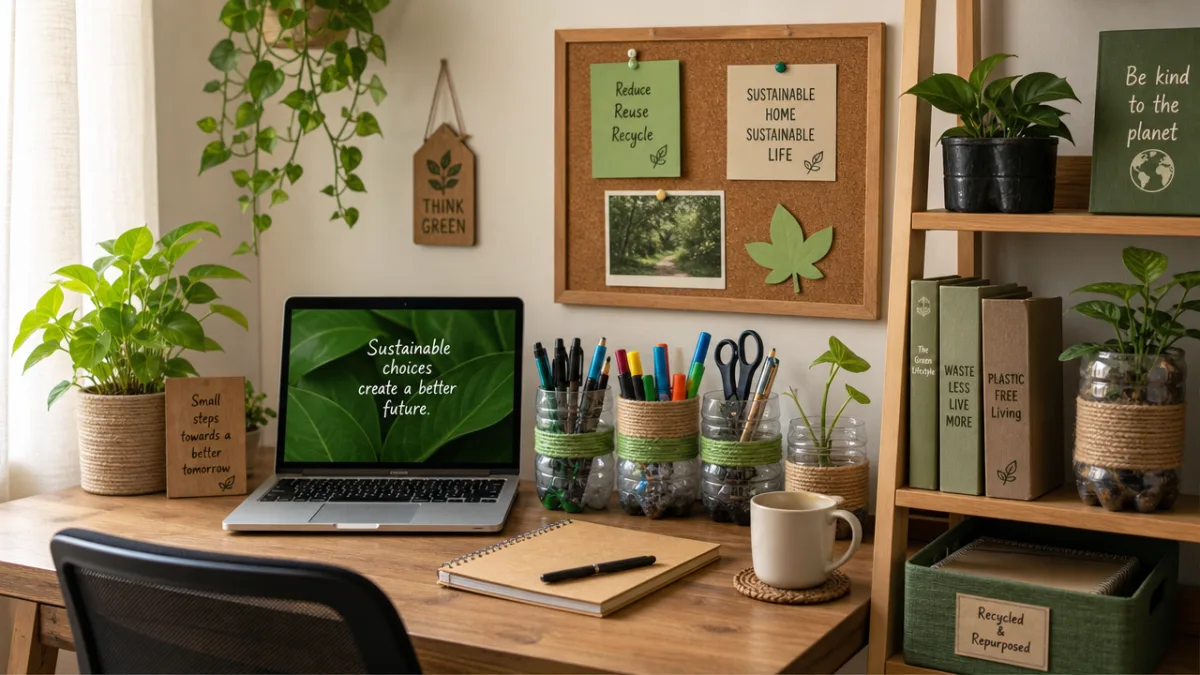
One of the simplest and most effective organization hacks is to cut the bottom off a plastic bottle and use the resulting cup shape as a holder for pens, markers, scissors, or brushes. For a more polished look, cover the outside with fabric, twine, decorative paper, or paint. A collection of these holders in varying sizes can be lined up on a desk or shelf to create a customized organizer that rivals anything sold in stores. Because you can make as many as you need in the exact sizes that suit your items, the result is often more functional than a purchased alternative.
In the kitchen, larger bottles — particularly gallon-sized water or juice containers — can be repurposed as scoops for dry goods like pet food, garden soil, or birdseed. Simply cut the bottle at an angle across the lower portion, leaving the handle intact, and you have a perfectly shaped scoop that is easy to grip and use. This is a simple project that takes under a minute to complete and produces a genuinely useful tool. You can also use smaller bottles with their caps on as portion-controlled dispensers for cooking oils, vinegars, or homemade salad dressings.
Bathroom and Laundry Room Organization
The bathroom is one of the rooms in the house most in need of thoughtful organization, and plastic bottles can help. Cut a bottle to an appropriate height and use it to store cotton swabs, cotton balls, hair ties, or small toiletry items beside the sink. Several of these containers arranged neatly in a drawer or on a shelf create a cohesive, tidy storage system. Because plastic is waterproof, these containers are perfectly suited to the humid bathroom environment and can be wiped clean easily.
In the laundry room, plastic bottles become useful accessories as well. A large bottle can be cut and mounted near the dryer to catch lint from cleaning the filter, keeping it tidy and contained until disposal. Smaller bottles can store single doses of laundry powder, making it easy to pre-measure detergent for the week and avoid mess at the machine. These small organizational wins add up to a laundry routine that feels noticeably smoother and more efficient without any financial investment.
Creative and Artistic Projects With Plastic Bottles
For those with a creative bent, plastic bottles are a wonderfully responsive artistic medium. Their translucency, flexibility, and variety of shapes make them suitable for a wide range of decorative and artistic applications. Artists and crafters have used plastic bottles to create jewelry, sculptures, wall art, decorative lighting, and seasonal decorations. The fact that the material is free and abundant makes it an ideal medium for experimentation — you can try something bold without worrying about wasting expensive materials.
One of the most visually striking projects is creating decorative flowers from plastic bottles. Using scissors or a craft knife, you can cut the bottom of a bottle into petal shapes, then heat the plastic gently with a heat gun or candle flame to curl the petals back naturally. Paint the finished flowers with acrylic paints in any color you choose. These flowers can be arranged into bouquets, mounted on walls, or used to create elaborate garlands and wreaths. The finished pieces are remarkably attractive and have a sculptural quality that surprises people who learn what they are made of.
Plastic bottles also make excellent bases for mosaic and mixed-media art projects. Fill a large bottle with sand, pebbles, or plaster to make it stable, then use it as a vase or sculptural form covered with tiles, shells, bits of mirror, or painted paper. Children especially enjoy this kind of project because it is tactile, colorful, and forgiving. There are no strict rules — the goal is simply to transform something that would have been discarded into something that brings visual pleasure to the space it inhabits.
Kid-Friendly Bottle Crafts and Toys
Plastic bottles are among the safest and most satisfying craft materials for children to work with, provided an adult handles any cutting. Sensory bottles — sometimes called calm-down bottles or discovery bottles — are made by filling a sealed bottle with water, glitter glue, and small objects like beads, buttons, or tiny plastic figures. When shaken and then set down, the contents swirl and drift in a hypnotic way that many children find soothing and fascinating. These bottles are popular in early childhood classrooms and at home as a calming tool for anxious or overstimulated kids.
Beyond sensory bottles, children can enjoy making simple musical instruments from plastic bottles. Fill bottles with different amounts of rice, dried beans, or small pebbles, seal the caps with strong tape, and you have a set of shakers with distinct sounds. Paint or decorate the outside of each bottle to personalize it, and suddenly you have a homemade percussion set ready for a backyard band. These instruments are sturdy, lightweight, and surprisingly satisfying to play, making them a perennial hit with young musicians.

Outdoor and Practical Everyday Uses
Outside the realms of gardening and crafts, plastic bottles prove useful in a remarkable variety of everyday practical applications. Their durability, portability, and waterproof nature make them assets in outdoor settings particularly. Campers, hikers, backyard hobbyists, and homeowners have all found ways to incorporate repurposed bottles into their routines in ways that are simple, effective, and genuinely helpful. These are the kinds of uses that, once adopted, quickly become habits you wonder how you ever lived without.
One widely appreciated outdoor use is creating a DIY bird feeder. Cut holes in the sides of a bottle large enough for birds to reach the seed inside, poke a small wooden dowel or pencil through the bottle below each opening to serve as a perch, fill the bottle with birdseed, and hang it from a branch or hook. This takes less than fifteen minutes to make and will attract birds to your yard for months. When the feeder gets dirty or damaged, you simply retire it and make a new one — a maintenance cycle that is both easy and environmentally responsible.
Plastic bottles also serve as excellent emergency funnels, paint holders, and water carriers for outdoor projects. Cut the bottom off a bottle and invert it to create a funnel that fits any standard opening — perfect for adding oil to a car, transferring liquids between containers, or guiding water into a narrow-mouthed vessel. Keep a few of these improvised funnels in the garage or shed and you will reach for them more often than you might expect. The convenience they offer is disproportionate to the thirty seconds it takes to make one.
Emergency Preparedness and Camping Applications
In emergency preparedness contexts, plastic bottles take on even greater importance. Clean, sealed bottles can be used to store emergency water supplies, and many survival guides recommend keeping a collection of filled bottles as part of a home emergency kit. Beyond water storage, bottles can be fashioned into emergency waterproofing for important documents, first aid supply holders, or even flotation devices in wilderness settings. Understanding the versatility of this material becomes genuinely valuable when resources are limited.
For camping and outdoor adventures, repurposed bottles solve problems elegantly and without adding significant weight to a pack. A bottle with a small hole punched in the cap becomes a camp shower when filled with water and hung in a sunny spot to warm throughout the day. Another bottle can serve as a waterproof container for matches, a phone, or documents. The adaptability of plastic in field conditions has led many outdoor enthusiasts to deliberately collect and carry empty bottles as multi-use tools rather than viewing them as litter to be managed.
Building Better Habits Around Plastic Use
Learning to reuse plastic bottles is valuable in itself, but it is perhaps even more valuable as a gateway to broader thinking about consumption and waste. When you begin to see discarded materials as resources, your relationship with everything you use starts to shift. You begin to ask, before purchasing something, whether you already have a material on hand that could serve the same purpose. This question — simple as it is — has the potential to reshape spending habits, reduce clutter, and meaningfully decrease the volume of waste you generate over time.
Sharing your bottle reuse projects with friends, family, and neighbors can amplify the impact beyond your own household. Social sharing — whether through conversations, social media posts, or community workshops — spreads ideas and normalizes creative reuse as a lifestyle practice rather than an occasional novelty. When children see adults treating discarded materials with resourcefulness and creativity, they internalize that mindset as natural and normal. The long-term cultural shift this can produce is arguably more significant than any single project.
It is also worth acknowledging that reuse, while valuable, is part of a larger framework for reducing plastic’s environmental impact. The most impactful step is always to reduce consumption in the first place — choosing reusable bottles, buying in bulk to minimize packaging, and supporting brands and policies that reduce single-use plastic production. Reuse is the next best option when plastic does enter your home, followed by recycling as a last resort. Thinking in terms of this hierarchy helps ensure that creative projects with bottles supplement rather than substitute for more fundamental changes in how we approach plastic overall.
Tracking Your Impact and Staying Motivated
One of the most motivating things you can do when adopting a plastic reuse practice is to track your progress over time. Keep a simple tally of how many bottles you have repurposed each month rather than discarding. Over the course of a year, most households will find that the number is surprisingly large — often in the dozens or even hundreds. Seeing that number grow can be a powerful reminder that individual actions, repeated consistently, add up to a meaningful cumulative impact even when any single instance feels small.
Community challenges, online groups, and local maker spaces can also help sustain motivation by connecting you with others who share the same interest in creative reuse. Many communities have swap events where people trade repurposed items and materials, allowing projects made from bottle reuse to circulate and find new homes rather than accumulating in a single household. These social dimensions of sustainability practice make it more enjoyable, more resilient, and more deeply embedded in daily life — which is ultimately what creates lasting change rather than short-lived enthusiasm.
- Self-watering planters made from cut two-liter bottles are among the easiest and most functional projects for beginners.
- Vertical bottle gardens allow apartment dwellers and those with limited space to grow herbs and vegetables efficiently.
- Desk organizers and bathroom storage holders can be made in minutes and customized with paint or decorative materials.
- Bird feeders crafted from bottles attract wildlife and provide months of use from a single discarded container.
- Sensory and calm-down bottles made for children combine creativity with practical emotional support tools.
- Emergency preparedness kits benefit from cleaned, sealed bottles used for water storage and document protection.
- Decorative flowers, sculptures, and mosaic bases transform bottles into genuinely beautiful objects of art.
- Tracking how many bottles you repurpose monthly helps sustain motivation and quantify your environmental contribution.








What do you think?
It is nice to know your opinion. Leave a comment.