










100 Best DIY Fairy Garden Ideas: Create Your Own Enchanted Miniature World
The Magic of Fairy Gardens: An Introduction to Miniature Landscaping
Fairy gardens have captured the imagination of gardeners, crafters, and dreamers of all ages for decades, and their popularity shows no signs of fading. These miniature landscapes invite you to slow down, think small, and exercise your creativity in ways that few other hobbies can match. Whether you have a sprawling backyard or a tiny apartment balcony, a fairy garden can transform any space into something truly enchanting and deeply personal.
The beauty of a DIY fairy garden lies in its limitless flexibility. You are not bound by rules, trends, or anyone else’s vision of what a garden should look like. You might choose a whimsical woodland theme complete with tiny mushrooms and moss-covered logs, or you might prefer a seaside cottage aesthetic with miniature driftwood and sea glass accents. The only boundary is your imagination, and even that tends to expand the deeper you dive into this magical hobby.
Beyond their visual appeal, fairy gardens offer genuine therapeutic value. The act of selecting tiny plants, arranging miniature furniture, and curating a complete miniature world has been shown to reduce stress and encourage mindfulness. Many gardeners describe the process of building a fairy garden as meditative, a quiet hour or two spent entirely focused on detail, proportion, and beauty. Whether you are crafting one for yourself, your children, or as a gift, the experience of creating it is just as rewarding as the finished result.
Why DIY Makes All the Difference
While pre-made fairy garden kits are widely available at craft and garden stores, there is something uniquely satisfying about building your own from scratch. When you source your own materials, choose your own plants, and handcraft your own decorations, the finished garden carries a personal signature that no kit can replicate. Every tiny bench you carve from a stick, every painted pebble, every carefully pressed flower contributes to a creation that is entirely and authentically yours.
DIY fairy gardens are also far more budget-friendly than their store-bought counterparts. Many of the most charming and effective materials are free or nearly free: pebbles gathered on a walk, twigs collected from your backyard, acorn caps repurposed as tiny birdbaths, and clamshells turned into fairy hammocks. With a little creativity and an eye for detail, you can build an elaborate, layered fairy world for just a few dollars, making this a hobby that is accessible to virtually everyone regardless of budget.
There is also an educational dimension to DIY fairy gardens that makes them especially valuable for families with young children. When kids participate in building a fairy garden, they learn about plants, ecosystems, scale, and design thinking. They practice fine motor skills and learn to plan and problem-solve. And perhaps most importantly, they cultivate a sense of wonder and connection to the natural world that can last a lifetime. A fairy garden built together becomes a shared project, a source of ongoing pride, and a conversation starter every time a visitor spots it.
Choosing the Perfect Container and Location
The container you choose for your fairy garden sets the tone for everything that follows. Almost any vessel can become a fairy garden home, and part of the fun is thinking outside the box. Classic choices include terracotta pots, wooden crates, half barrels, and shallow ceramic bowls. But more creative options abound: a cracked teapot lying on its side becomes a fairy cottage door, an old wheelbarrow transforms into a mobile garden that can be moved around a patio, and a salvaged colander doubles as a quirky planter with built-in drainage.
Size matters when selecting your container, though not in the way you might expect. Larger containers allow for more elaborate designs with multiple plants, structures, and pathways. They give you room to create depth and layers that really sell the illusion of a miniature world. Smaller containers, on the other hand, demand greater editing and precision, which can be a creative challenge in its own right. A single teacup fairy garden can be just as captivating as a barrel garden, provided every element is thoughtfully chosen and carefully placed.
Location plays a crucial role in both the health of your plants and the visual impact of your fairy garden. Outdoor fairy gardens thrive in spots that receive partial shade, protecting delicate miniature plants from harsh afternoon sun while still allowing enough light for healthy growth. Indoor fairy gardens work beautifully on windowsills, shelves, and tabletops, where they can be appreciated up close and enjoyed year-round regardless of weather. Consider how the garden will be viewed: at eye level from a chair, from above on a porch railing, or from below if placed on a low garden wall.
Soil, Drainage, and Plant Selection
Proper soil preparation is the foundation of a long-lasting fairy garden. A well-draining potting mix is essential, as soggy soil is the most common cause of plant failure in container gardens of any size. For most fairy gardens, a blend of high-quality potting soil and perlite in roughly a 70/30 ratio works beautifully. If you are growing succulents or drought-tolerant plants, increase the perlite ratio or use a cactus-specific mix to prevent root rot.
Drainage holes in your container are non-negotiable unless you are creating a purely decorative indoor garden with no living plants. If your chosen container lacks drainage, you have two options: drill holes yourself using a masonry or ceramic drill bit, or create a drainage layer at the bottom using gravel, broken pottery, or activated charcoal. The charcoal option has the added benefit of preventing bacterial growth in closed containers, which is particularly helpful for terrariums and sealed fairy garden displays.
When selecting plants, think about scale above all else. The most successful fairy gardens use plants that stay small and grow slowly, maintaining the illusion of a miniature landscape for months or even years. Excellent choices include creeping thyme, which forms a fragrant carpet of tiny leaves and flowers; Irish moss, which creates a lush emerald ground cover; miniature hostas, which provide beautiful textural contrast; and dwarf conifers, which serve as convincing fairy trees. Succulents such as echeveria and sedum are ideal for lower-maintenance gardens and bring fascinating sculptural interest to any arrangement.
Essential Fairy Garden Structures and Accessories
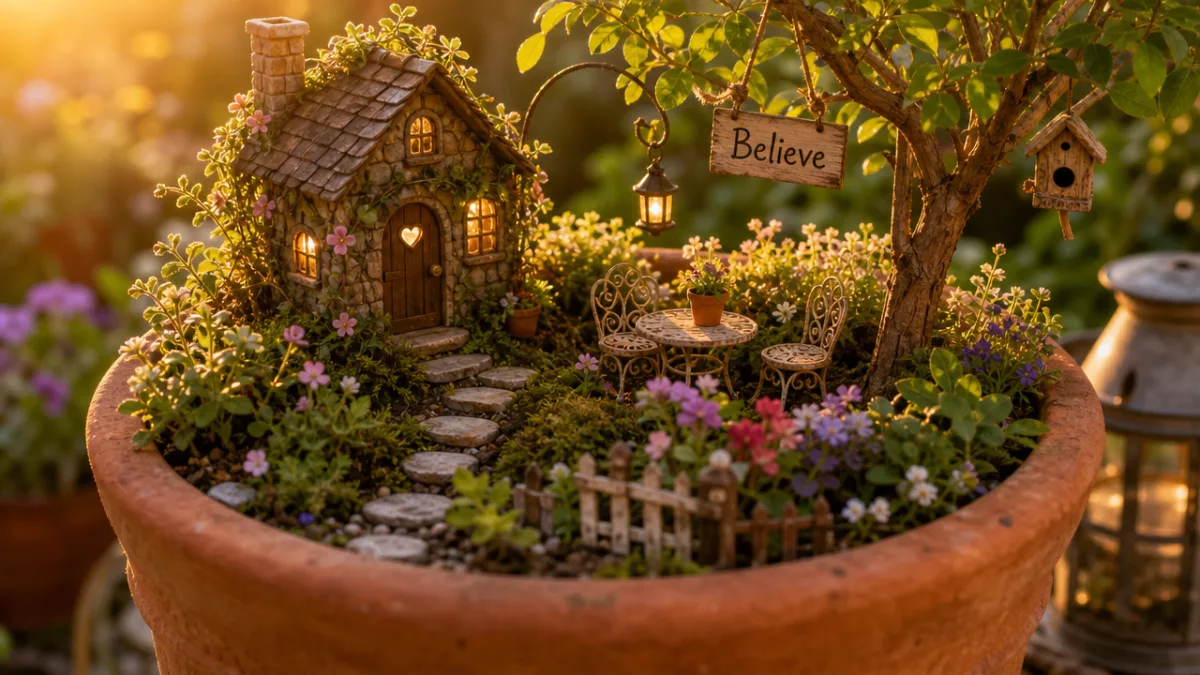
No fairy garden is complete without structures that tell a story and invite the viewer to imagine the tiny lives being lived within. Houses and cottages are the most iconic fairy garden elements, and they range from commercially produced resin structures to completely handmade creations built from bark, twigs, and air-dry clay. The style of your structures should reflect the overall theme of your garden: a rustic woodland fairy garden calls for rough-hewn log cabins and mushroom houses, while a more formal English garden aesthetic might feature tiny stone cottages with climbing miniature roses.
Pathways are one of the most effective design tools in any fairy garden, immediately drawing the eye through the space and creating a sense of journey and discovery. Materials for fairy paths are easy to source and endlessly varied. Small pebbles and gravel create a naturalistic look and allow rainwater to drain freely. Flat stones laid like stepping stones evoke a woodland trail. Broken bits of terracotta tile can be arranged to suggest a cobblestone village street. Even tiny pieces of colored sea glass can create a magical iridescent path that catches the light beautifully.
Water features add a dimension of realism and visual interest that elevates any fairy garden from charming to truly immersive. A simple miniature pond can be created using a shallow dish pressed into the soil and filled with water, with pebbles arranged around the edges for a natural shoreline effect. Blue-tinted resin poured into a depression in the soil creates a permanent, maintenance-free pond that looks remarkably convincing. For an extra magical touch, add a tiny mirror and surround it with miniature aquatic plants or carefully placed flat river stones.
Handcrafting Your Own Fairy Furniture and Decor
Some of the most beloved fairy garden accessories are those made entirely by hand from natural materials found outdoors. Popsicle sticks and twigs can be lashed together with twine to create charming rustic furniture including benches, tables, and pergolas. Pine cones become convincing Christmas trees or decorative topiaries with a coat of green paint. Acorn caps serve as bowls, birdbaths, or tiny planters. Walnut shells split in half make perfect fairy boats or cradles. The art of repurposing found natural objects into fairy garden elements is one of the most satisfying aspects of this creative hobby.
Air-dry clay is one of the most versatile materials available to fairy garden makers. With minimal tools and no kiln required, you can sculpt mushrooms, stepping stones, fairy doors, garden gnomes, and any number of custom elements that perfectly match your garden’s aesthetic. Once dry and painted with acrylic colors, clay pieces are surprisingly durable and weather-resistant with a coat of outdoor sealant. The ability to create truly custom pieces means your fairy garden can be completely one-of-a-kind, reflecting personal stories, inside jokes, or beloved themes.
Lighting transforms a fairy garden from a daytime delight into a nighttime spectacle, and the options for miniature lighting have never been more affordable or varied. Solar-powered micro string lights can be woven through miniature trees and along pathways, glowing softly at dusk without any wiring or battery replacement. Tiny LED fairy lights tucked inside a cottage window suggest warmth and life within. Some crafters even create their own miniature lanterns from small glass bottles, wire, and battery-operated tealights, placing them along garden paths for a truly magical after-dark effect.
Themed Fairy Garden Ideas to Spark Your Imagination
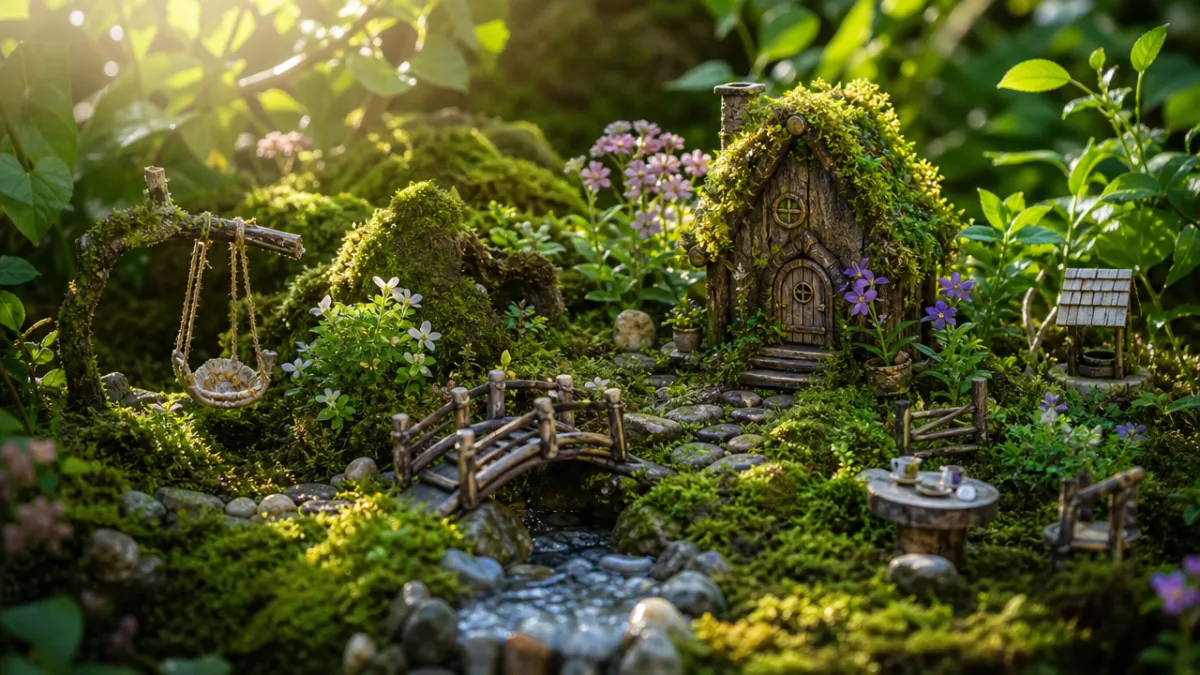
One of the greatest joys of the fairy garden hobby is the sheer variety of themes and aesthetics you can explore. Woodland themes are perennially popular for good reason: moss, bark, mushrooms, and miniature ferns combine naturally and beautifully, evoking a deep forest glade where fairies might actually dwell. A woodland fairy garden feels organic and effortless even when significant planning has gone into it, because the materials themselves suggest wildness and mystery. Add a tiny owl, a miniature fox, or a delicate spider web made from silver wire to complete the forest atmosphere.
Beach and coastal themes bring a refreshing lightness and informality to fairy gardening that suits casual outdoor spaces perfectly. Smooth river stones, sea glass, shells, and driftwood are the building blocks of a seaside fairy garden, and they are often entirely free to collect. A miniature lighthouse made from a painted paper towel tube, a tiny rowboat fashioned from bark, and a scattering of pearl-like pebbles for sand dollars create an instantly recognizable coastal scene. Drought-tolerant succulents work beautifully in coastal fairy gardens, evoking the tough, wind-sculpted plants that grow near real shorelines.
Seasonal and holiday-themed fairy gardens offer a wonderful way to keep the hobby fresh and exciting throughout the year. A spring garden bursts with miniature tulips and tiny birds nests; a summer garden glows with color and small butterfly figurines; an autumn garden incorporates tiny pumpkins, fallen leaf mulch, and miniature scarecrows; and a winter garden uses white sand or faux snow, evergreen cuttings, and tiny lanterns to create a magical cold-weather scene. Rotating your fairy garden with the seasons gives you a creative project to look forward to throughout the year and keeps your display feeling current and alive.
Popular Fairy Garden Theme Ideas at a Glance
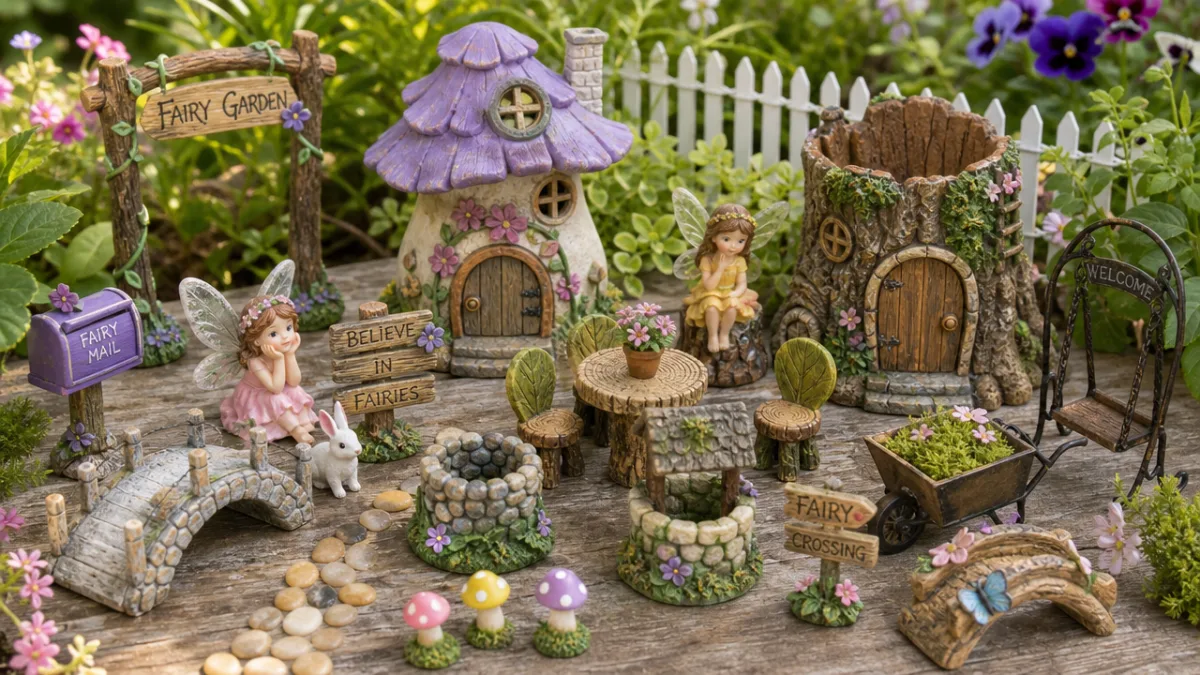
- Enchanted Forest: Twisted branches, bioluminescent mushrooms, ferns, and mossy grottos suggest a magical ancient woodland full of hidden fairy folk.
- Seaside Village: Driftwood, shells, sea glass, and miniature fishing nets create a charming harbor town where sea fairies might make their home.
- Flower Market: Tiny buckets overflowing with miniature blooms, cobblestone paths, and a wrought-iron fairy bench evoke a charming European flower stall.
- Zen Garden: Raked sand, smooth stones, miniature bamboo, and a small pagoda structure bring a contemplative, peaceful aesthetic to fairy gardening.
- Storybook Cottage: A stone cottage with a thatched roof, climbing roses, a picket fence, and a well-worn garden path feels straight out of a beloved fairy tale.
- Alice in Wonderland: Oversized mushrooms, playing card decorations, a tiny teapot, and clock motifs celebrate one of literature’s most enduring fantasy worlds.
Seasonal Care and Maintenance for Thriving Fairy Gardens
A well-tended fairy garden is a living artwork that evolves and deepens over time, but it does require some ongoing care to keep it looking its best. Watering is the most frequent maintenance task, and the key is consistency without excess. Most miniature plants prefer the soil to dry slightly between waterings rather than remaining constantly moist. A small watering can with a narrow spout gives you precise control and allows you to water at soil level without disturbing decorative elements or washing away carefully placed pebbles and sand.
Pruning and grooming miniature plants keeps them in scale and prevents any single plant from overwhelming its neighbors. Ground covers like Irish moss and creeping thyme benefit from occasional trimming to maintain a neat, dense appearance. Dwarf conifers and miniature shrubs may need light shaping once or twice a season to maintain their intended form. Regularly removing dead leaves, spent flowers, and any debris that falls into the garden not only keeps it looking tidy but also helps prevent the fungal diseases and pest infestations that can take hold in cluttered, damp conditions.
Seasonal transitions require thoughtful management, particularly for outdoor fairy gardens in climates with harsh winters. Many miniature plants are surprisingly cold-hardy, but delicate decorative elements made from clay, resin, or wood may benefit from being brought indoors during freeze-thaw cycles that can cause cracking and deterioration. Moss and creeping plants often go dormant in winter but return vigorously in spring. Consider covering your outdoor fairy garden with a cloche or light frost cloth during the coldest nights to protect both plants and accessories, then remove it as temperatures moderate.
Refreshing and Expanding Your Fairy Garden Over Time
One of the most exciting aspects of maintaining a fairy garden is the opportunity to refresh and expand it as your skills and tastes evolve. Even the most established fairy garden benefits from occasional updates: a new plant introduced to fill a gap, a new handcrafted accessory that reflects a recent creative interest, or a complete retheme for a new season. Think of your fairy garden not as a finished object but as an ongoing creative project, one that grows richer and more layered with each addition and revision.
Expanding a fairy garden horizontally by adding new containers or sections is a natural progression for enthusiastic gardeners. A single pot fairy garden often becomes a porch-wide installation as the creator’s vision and collection of miniature plants and accessories grows. Grouping containers of different heights and sizes creates a village effect that is far more visually dynamic than any single container can achieve alone. Use trailing plants to soften the edges between containers and create the sense that the miniature landscape extends naturally from one vessel to the next.
Documenting your fairy garden through photography is a wonderful way to track its evolution and share your creativity with a wider community. The fairy gardening community online is warm, generous, and endlessly inspiring, with dedicated groups on social platforms where members share progress photos, trade tips, and celebrate each other’s creations. Posting your own fairy garden journey not only connects you with fellow enthusiasts but also motivates continued creativity and refinement. Looking back at early photos of a garden compared to its current state reveals just how far both the garden and its maker have come, which is one of the most rewarding experiences this hobby has to offer.
Sharing the Magic: Fairy Gardens as Gifts and Community Projects
A handmade fairy garden is one of the most personal and thoughtful gifts imaginable, suitable for people of virtually any age and almost any occasion. For a child’s birthday, a fairy garden kit assembled from carefully chosen plants, miniature furniture, and accessories inspires hours of imaginative play and teaches basic gardening skills in the most delightful way possible. For a retiree, a completed fairy garden in a beautiful container offers daily beauty, a gentle maintenance routine, and a connection to nature that supports mental and emotional wellbeing.
Fairy gardens have also found a meaningful place in community settings including schools, libraries, senior centers, and therapeutic environments. Community fairy garden projects bring people together around a shared creative goal, encourage collaboration and communication, and result in a beautiful living installation that everyone involved can take pride in. Many schools have incorporated fairy garden building into curriculum as a way to teach botany, ecology, measurement, and creative design simultaneously, demonstrating how an ostensibly whimsical hobby can have genuine educational depth and value.
The act of sharing your fairy garden knowledge and enthusiasm with others, whether by hosting a workshop, writing about your process, or simply showing a neighbor your latest creation, contributes to a culture of creativity and connection that extends far beyond the garden itself. Fairy gardens remind us that beauty can exist at any scale, that imagination is a skill worth cultivating at any age, and that the natural world is filled with materials waiting to be noticed and transformed. In this way, every tiny fairy door, every mossy path, and every miniature lantern is a small act of magic made real through attention, care, and the simple joy of making something beautiful with your own hands.








What do you think?
It is nice to know your opinion. Leave a comment.