










Summer Home Security Checklist: Complete Vacation Safety Tips to Protect Your Home
Why Summer Vacation Season is Prime Time for Break-Ins
Summer is supposed to be about fun, travel, and finally getting that break you’ve been waiting for — but it’s also when residential burglaries spike. FBI crime statistics show that home break-ins jump by as much as 10 to 12 percent during the summer months, mostly because so many families leave their homes sitting empty for days or weeks at a stretch. Burglars are opportunists at heart, and a vacant house with all the telltale signs of an absent owner is exactly what they’re looking for. Knowing that this pattern exists is the first step toward doing something about it.
The reasons behind this summer surge are pretty predictable once you think about them. Kids are out of school, families are road-tripping or flying overseas, and social media is full of people sharing their adventures in real time. What a lot of homeowners don’t stop to think about is that announcing your trip online — even to a supposedly private audience — can tip off would-be thieves that your house is empty. Criminals increasingly scroll social platforms looking for exactly this kind of information, which means being careful about what you post is just as important as locking your doors.
And it’s not only the opportunistic burglar you have to think about. Open windows left for airflow, an unlocked side gate, or overgrown shrubs that give someone a place to hide all add up. Packages pile up on the front step, mail spills out of the box, and the lawn starts looking like no one’s been around for a while — all of it sends the same message to anyone paying attention. Taking a checklist-based approach to your home’s security before you head out can make a real difference in whether you come home to everything as you left it.
Securing Entry Points: Doors, Windows, and Locks
The most basic piece of home security is making sure every way into your home is properly locked down before you leave. That sounds obvious, but research keeps showing that a surprisingly large number of burglars get in through doors and windows that simply weren’t locked properly — no forced entry required. Walking through your entire property and checking every door, window, sliding glass door, and garage entrance is something you should do before every trip without exception. Don’t trust your memory on this one; use an actual written checklist so you can confirm each item is handled.
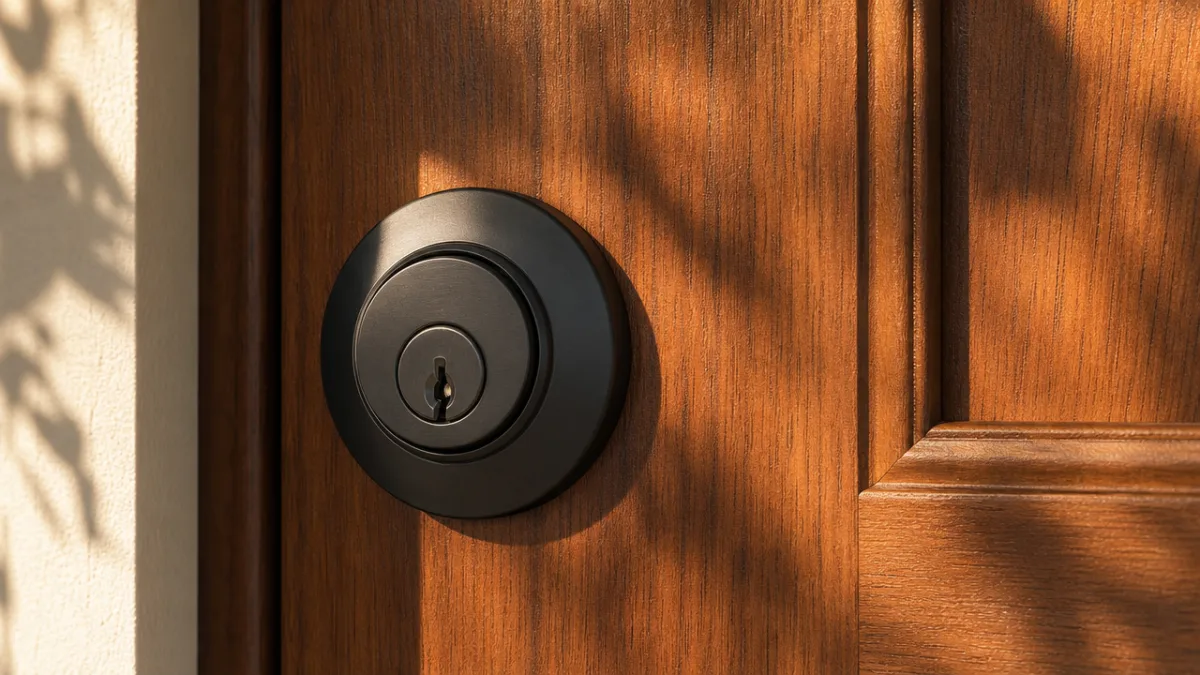
When it comes to your exterior doors, the quality of the lock really does matter. A basic doorknob lock isn’t going to stop anyone who’s determined. Upgrading to a deadbolt with at least a one-inch throw bolt is a smart investment that raises the bar considerably. Sliding glass doors are a known weak point — adding a blocking bar or rod in the track on top of the existing lock goes a long way. Door frames and hinges are also worth paying attention to; reinforcing them with longer screws and a metal strike plate can prevent the kind of kick-in attack that defeats even a decent lock.
Windows need just as much attention. Even a small window that’s cracked open or not latched correctly can be an open invitation. Test every window lock and consider adding window pins or key-operated locks that prevent a window from being opened even if the glass gets broken. Ground-floor and basement windows are the obvious priority, but don’t overlook upper-story windows that someone could reach via a tree, trellis, or roofline. Window security film is another option worth considering — it holds the glass together when it’s shattered, making smash-and-grab entry a lot more difficult and time-consuming than a burglar bargained for.
- Test all deadbolts and door locks before you leave, and replace any that feel loose or sticky
- Install a reinforced strike plate on every exterior door using 3-inch screws that anchor into the door frame stud
- Add secondary blocking bars to all sliding glass doors and windows that open on a horizontal track
- Use window pins or charley bars on all ground-floor and accessible windows
- Inspect the garage door mechanism and make sure the emergency release cord can’t be reached from outside with a wire hanger or similar tool
- Lock the interior door connecting the garage to the house as if it were an exterior door
Smart Home Technology and Security Systems
Technology has genuinely changed what home security looks like. It’s no longer just a passive deterrent — it’s a real-time monitoring capability you can manage from wherever you happen to be. Today’s smart security systems can include video doorbells, indoor and outdoor cameras, motion-activated lights, smart locks, glass-break sensors, and alarm systems that send alerts directly to your phone. You can see who’s at your door, get notified when something moves on your property, and even talk to someone at your front door from across the country — all of which creates the impression that someone is always home.
Video doorbells in particular have become one of the most effective deterrents out there. Research from institutions like the University of North Carolina has found that visible cameras are one of the top things that make burglars move on to a different target. When someone casing a house spots a camera, they know their face is being recorded and possibly watched live. Most modern systems also back up footage to the cloud, so even if a burglar tries to destroy the camera, the evidence is already saved somewhere safe. Getting a motion alert while you’re halfway around the world and being able to call the police within minutes is a level of protection that simply wasn’t available to homeowners a decade ago.
Smart lighting is another tool that’s more powerful than it might seem. Rather than leaving a single lamp on a predictable timer — which fools no one — modern smart bulbs can be programmed to move from room to room through the evening, mimicking the patterns of a household that’s actually home. Outside, motion-activated lights that flood your yard the moment someone approaches can startle an intruder and eliminate the dark corners that make your property feel like a safe place to linger. When you layer all of this together with a monitored alarm system, you end up with a security setup that’s far more effective than any single measure on its own.
Managing the Appearance of Occupancy
One of the most effective security strategies — and one that gets underestimated all the time — is making your home look like someone’s still there while you’re away. A house that looks lived-in tends to get passed over. This goes a lot further than leaving a light on; it means managing your mail, keeping up with lawn care, thinking about what’s in your driveway, and even considering what sounds are coming through the windows. Every little detail that signals normal daily life helps reinforce the idea that this house isn’t worth the risk.
Mail and packages are one of the most obvious giveaways. A stuffed mailbox or a doorstep covered in deliveries is visible from the street, and it tells anyone who looks that no one’s been home in days. Before you leave, put a hold on your mail through the postal service and pause any regular deliveries — newspapers, subscription boxes, all of it. Ask a trusted neighbor or friend to swing by every day or two and clear anything unexpected from the porch. It takes almost no effort and eliminates one of the clearest vacancy signals there is.
The lawn tells a story too. Grass that’s gone uncut for a week or two is a pretty reliable sign to both neighbors and strangers that the owners are out of town. Arrange for a lawn service or a neighbor to mow and water while you’re gone. Overgrown hedges and trees around entry points also give potential intruders somewhere to hide — keeping things trimmed takes away that cover. Inside the house, think about leaving a radio or TV on a smart plug that kicks on in the evenings. The sound of voices or music drifting through a window does a lot to suggest that the place isn’t empty.
- Place a USPS mail hold starting the day you leave and set it to resume the day you return
- Pause all regular deliveries and Amazon subscriptions for the duration of your trip
- Arrange for lawn mowing and plant watering with a neighbor or service
- Use smart plugs to put interior lights, televisions, and radios on a varied schedule
- Ask a neighbor to park a car in your driveway every now and then
- Hold off on posting vacation photos to social media until after you’re back home
- Don’t mention specific travel dates in your outgoing voicemail or email auto-reply
Neighborhood Networks and Community Vigilance
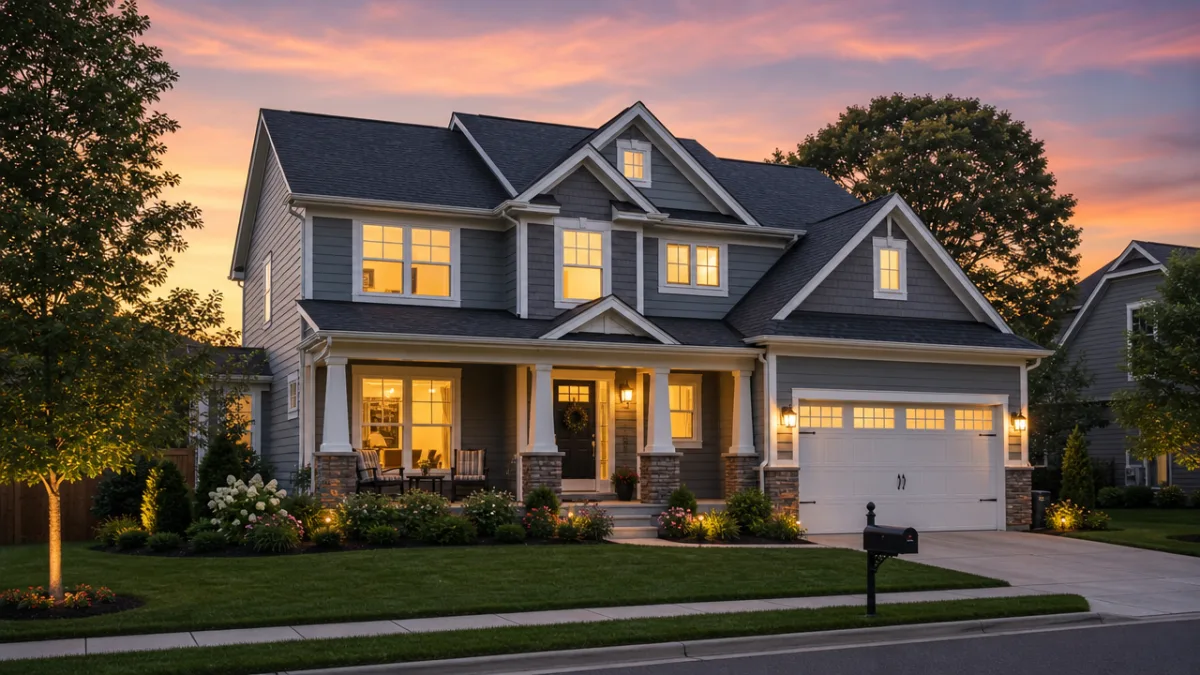
Home security isn’t something you have to handle entirely on your own. The neighbors around you are one of your best assets. People who know each other, look out for each other, and actually talk to one another on a regular basis are one of the most effective deterrents to property crime that exists. Studies have repeatedly found that neighborhoods with strong social ties experience meaningfully lower rates of burglary and vandalism. Before you leave for your trip, take a few minutes to talk directly with one or two trusted neighbors, let them know you’ll be gone, share your contact info, and ask them to reach out if anything looks off.
Where Neighborhood Watch programs exist, they give this kind of community vigilance a real structure. Members learn to observe and report suspicious activity without putting themselves in harm’s way, and they typically work alongside local law enforcement. If your neighborhood doesn’t have one, it might be worth checking with your local police department — many departments offer free training, signage, and support to communities that want to get organized. Even an informal arrangement among a few neighbors to keep an eye on each other’s homes during summer trips can have a genuine impact.
Technology has also extended neighborhood networks into the digital world. Apps and platforms designed for local community communication let residents share real-time alerts, flag suspicious vehicles or activity, and coordinate with each other even when they’re not home. Used thoughtfully and without sliding into unfair profiling, these tools can be genuinely helpful for staying connected to what’s happening around your property. Pair that digital layer with real in-person relationships and you’ve built a community security posture that’s hard for any opportunistic criminal to work around.
Insurance, Documentation, and Recovery Preparation
Even if you do everything right, no security plan comes with a guarantee. That’s why the last piece of a solid summer security strategy is preparing for the worst-case scenario — because if it does happen, you want to be ready. Having your home broken into is genuinely traumatic and disruptive, but homeowners who’ve taken the time to document their belongings and keep their insurance up to date are in a much better position to recover fully and quickly. This kind of preparation doesn’t take long, but it matters enormously if things ever go wrong.
Creating a home inventory is one of the most practical things you can do, and planning a summer trip is a perfect excuse to finally get it done. Walk through your home with your phone and record video of every room — open drawers and closets, document electronics, jewelry, collectibles, and anything of real value. Write down serial numbers for electronics and appliances wherever you can find them, since these are essential for both police reports and insurance claims. Keep this documentation somewhere outside your home — a secure cloud service works great — so it’s still accessible even if your computer or storage devices are among the things that get taken.
It’s also worth reviewing your homeowner’s or renter’s insurance policy before any major trip. A lot of standard policies have surprisingly low sublimits for categories like jewelry, art, and electronics — often far below what your stuff is actually worth. Riders or scheduled endorsements can cover high-value items specifically. Make sure you understand what’s covered and know how the claims process works before you need it, not after. When you’ve got your documentation in order and your coverage dialed in, the whole security checklist stops being just about preventing crime — it becomes a full resilience strategy that protects your financial wellbeing just as much as your property.
Creating Your Personal Summer Security Routine
Everything covered in this guide works best when it becomes part of a consistent routine rather than a frantic scramble the night before you leave. Building security habits into your regular life throughout the year means that when summer rolls around, you’re not starting from zero — you’re activating a system that’s already mostly in place. Small investments made ahead of time, whether that’s upgrading a lock, setting up smart lighting, or getting to know your neighbors, pay off in a big way when departure day actually arrives.
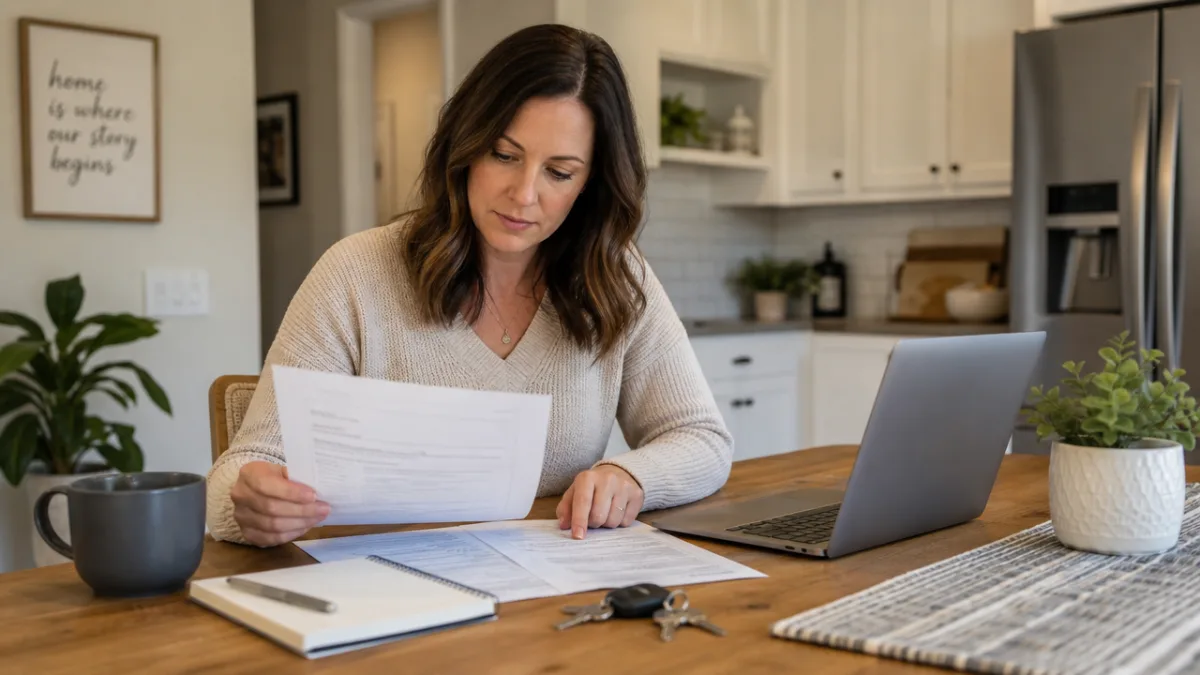
In the week before any trip, work through a written checklist that covers all the bases: entry point security, technology, occupancy simulation, mail holds, neighbor check-ins, and insurance documentation. Going category by category prevents the kind of anxiety-driven oversights that happen when you’re trying to handle everything in the last couple of hours before you need to be out the door. Share the checklist with everyone in your household so the responsibility is spread around and nothing slips through the cracks. Keep a printed copy somewhere consistent — a kitchen drawer, a home office shelf — so it’s always easy to find.
The whole point of doing all this isn’t to make you stressed about leaving your home. It’s to give you the peace of mind to actually enjoy your vacation. When you know your doors are locked, your tech is running, your neighbors are keeping an eye out, and your paperwork is in order, you can genuinely relax. Home security is really about empowerment more than fear. Taking care of the things you can control means you’re free to focus on what summer is actually for: rest, adventure, and time with the people who matter most to you.








What do you think?
It is nice to know your opinion. Leave a comment.