










“`html
Decorating on a Budget: Transform Your Space Without Breaking the Bank
The Art of Budget Decorating: A Mindset Shift
Here’s the thing about decorating your home beautifully — you don’t need a bottomless bank account or an interior designer on speed dial to pull it off. Some of the most stunning, characterful homes out there were put together by people working with very little, leaning on creativity, patience, and the ability to spot potential in a beat-up thrift store find or a bare wall. The real first step in budget decorating isn’t picking a color palette or browsing Pinterest — it’s changing how you think about what “done” actually looks like.
A lot of people put off decorating because they feel like they have to do it all at once — matching furniture sets, coordinated accessories, the whole sweep in one go. That all-or-nothing thinking is honestly the enemy of both your wallet and your creativity. A room that comes together slowly, one thoughtfully chosen piece at a time, almost always ends up with more personality and warmth than something assembled in a single Saturday afternoon at a big-box store. Give yourself permission to really live in your space first — get a feel for how the light moves through it, figure out what you actually need — before you spend a single dollar.
Budget decorating is also about rethinking what “value” means. Something doesn’t have to be new to be beautiful or worth having. A worn wooden side table that you’ve sanded down and repainted can be just as striking as one bought brand-new — and it has a story to it. Once you start looking at objects through the lens of what they could become rather than what they currently are, your options multiply dramatically without your spending keeping pace. That shift in perspective is really the whole foundation of decorating well on a budget.
Shopping Smart: Where to Find Affordable Décor Treasures
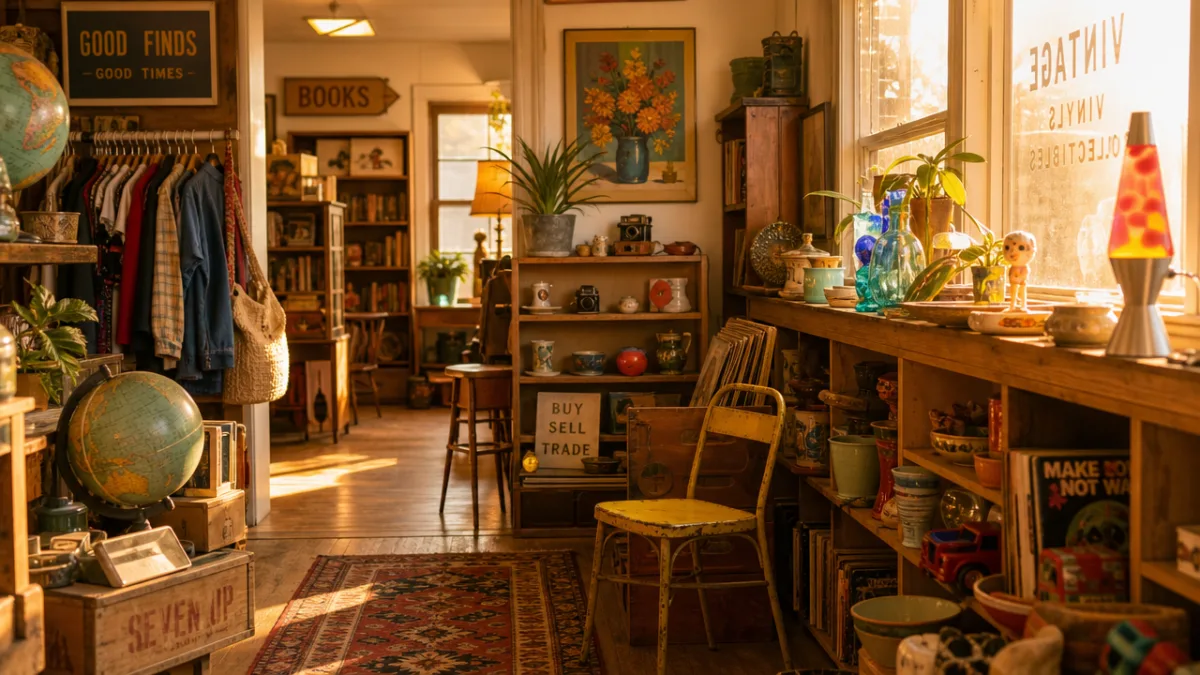
Knowing where to look is honestly half the battle. Thrift stores, estate sales, garage sales, and flea markets are absolute goldmines if you go in with a discerning eye and an open mind. You’ll find everything from vintage artwork and ceramic vases to solid wood furniture and interesting light fixtures — often for a tiny fraction of what they’d cost new. The trick is to go often, resist the urge to show up with a rigid shopping list, and be willing to see past a little surface wear that some sandpaper or paint can easily fix.
Online marketplaces have genuinely changed the game for budget decorators. Facebook Marketplace, Craigslist, OfferUp, and eBay are full of people offloading furniture and home goods they no longer need, usually at steep discounts — or sometimes completely free. The free sections of these platforms in particular can be jaw-dropping. People regularly give away bookshelves, mirrors, lamps, and artwork just because they’re moving or redecorating. If you set up saved searches for specific things you’re looking for, you’ll get notified the moment something matching pops up in your area, which makes a real difference when the good stuff goes fast.
Don’t write off discount home stores and clearance racks, either. Places like HomeGoods and TJ Maxx rotate their inventory constantly, so their clearance sections are always changing. End-of-season sales at regular retailers can knock fifty percent or more off décor items, cushions, rugs, and accent pieces. Signing up for email newsletters from your favorite stores means you’ll hear about sales before they’re splashed everywhere else, which gives you first pick of the best deals.
- Visit thrift stores and estate sales on weekdays when new stock arrives and competition is lower
- Set up saved searches on Facebook Marketplace and OfferUp for specific items you need
- Check the clearance and open-box sections of home goods stores regularly
- Follow local “buy nothing” groups on social media for free neighborhood finds
- Browse end-of-season sales for textiles like curtains, throw pillows, and rugs
The Power of Paint: The Biggest Bang for Your Decorating Dollar
If there’s one decorating investment that delivers more visual impact per dollar than just about anything else, it’s paint. A fresh coat can completely transform a room — making it feel bigger, cozier, more sophisticated, or more playful depending on your color choice. A gallon of quality interior paint runs between thirty and sixty dollars at most hardware stores, and even painting a full room yourself, supplies included, rarely tops $150. Stack that up against almost any piece of furniture or major décor item and the value is pretty hard to argue with.
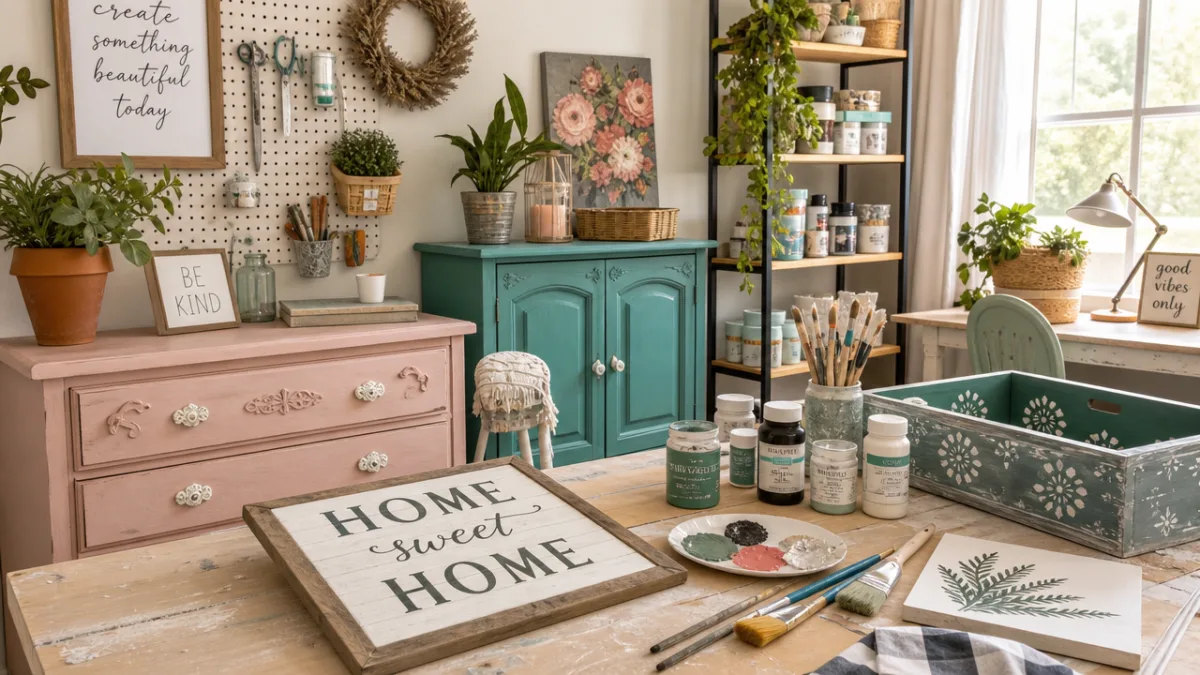
There’s also a lot more you can do with paint beyond just slapping a new color on the walls. A deep, saturated accent wall adds drama and depth to an otherwise neutral room. Color blocking — painting geometric sections of a wall in contrasting colors — creates a custom, artistic look that people often mistake for pricey wallpaper. Painting your ceiling a soft color that complements the walls makes the whole room feel more intentional and enveloping. And don’t forget that paint works on furniture, cabinetry, and old picture frames too — all ways to give something a completely new life for next to nothing.
Techniques like limewash, color washing, and sponging are also having a moment right now, and for good reason — they add texture and visual interest to walls without the cost of actual textured wallcoverings. They’re more forgiving than they look, and there are plenty of free video tutorials online that walk you through them clearly. Even a total beginner can pull off a gorgeous layered wall finish with a little practice on a test board first. When you weigh the transformative power of paint against its modest cost, it really is the budget decorator’s most powerful tool.
DIY Décor: Creating Custom Pieces That Look Expensive
DIY decorating has never been more accessible than it is right now, with free tutorials, pattern downloads, and how-to videos covering just about anything you’d want to make. Wall art, throw pillow covers, floating shelves, candle holders — you can create a highly customized look that suits your space perfectly at a fraction of what comparable pieces would cost in a store. And honestly, a lot of the most impressive DIY projects only need basic craft supplies, a free afternoon, and the willingness to give something new a shot.
Gallery walls made from DIY artwork are one of the most impactful and budget-friendly ways to tackle a big, empty wall. You don’t need to be a trained artist to make something that looks genuinely great. Abstract paintings done with acrylic craft paints on cheap canvas panels can be beautiful and cost just a few dollars each. Printable artwork — available for free or very cheaply through Etsy and Pinterest — can be printed at home or at a local print shop, then framed in inexpensive frames for a polished, gallery-quality look. And mixing frame sizes and styles, rather than using a perfectly matched set, actually tends to look more curated and intentional.
Upcycling furniture and everyday objects is another cornerstone of this whole approach. A dated oak dresser becomes something that looks like it came from a high-end boutique with some chalk paint and new hardware. Mason jars turn into elegant vases or candle holders with a coat of frosted spray paint. Wine bottles filled with fairy lights make lovely ambient lighting. Wooden crates stacked and secured together become charming rustic shelving. The only real limit to what you can make is your imagination — and a few hours of your time.
- Start with small, low-risk DIY projects to build confidence before tackling furniture makeovers
- Invest in a few quality tools and supplies that will serve multiple projects over time
- Watch multiple tutorials on a technique before beginning to understand common mistakes to avoid
- Use chalk paint for furniture projects as it requires no primer and adheres to most surfaces
- Shop craft store sales and use coupons to reduce the cost of supplies further
Styling Strategies: Making Your Space Look Intentional and Polished
Even the most beautiful, carefully sourced pieces won’t pull a room together if they’re not arranged thoughtfully. Styling is the art of curating what you have so the overall effect feels harmonious and intentional — and the great thing is, it costs absolutely nothing. It’s a skill, not a purchase. Learning even a handful of basic principles can dramatically elevate how your home looks without adding a single new item. How you group objects, vary heights, layer textures, and balance visual weight across a room matters more than most people realize.
One of the most widely cited principles in interior design is the rule of odd numbers, especially groupings of three. When you’re arranging things on a shelf, coffee table, or mantel, three items of varying heights almost always look more interesting and natural than two or four. Pairing objects of different scales — a tall vase, a medium-height candle, a small decorative object — creates visual rhythm and hierarchy. Tucking in something natural, like a small branch, a plant, or a bowl of stones, instantly makes any arrangement feel more organic and alive, even when everything else in it came from a thrift store or a dollar bin.
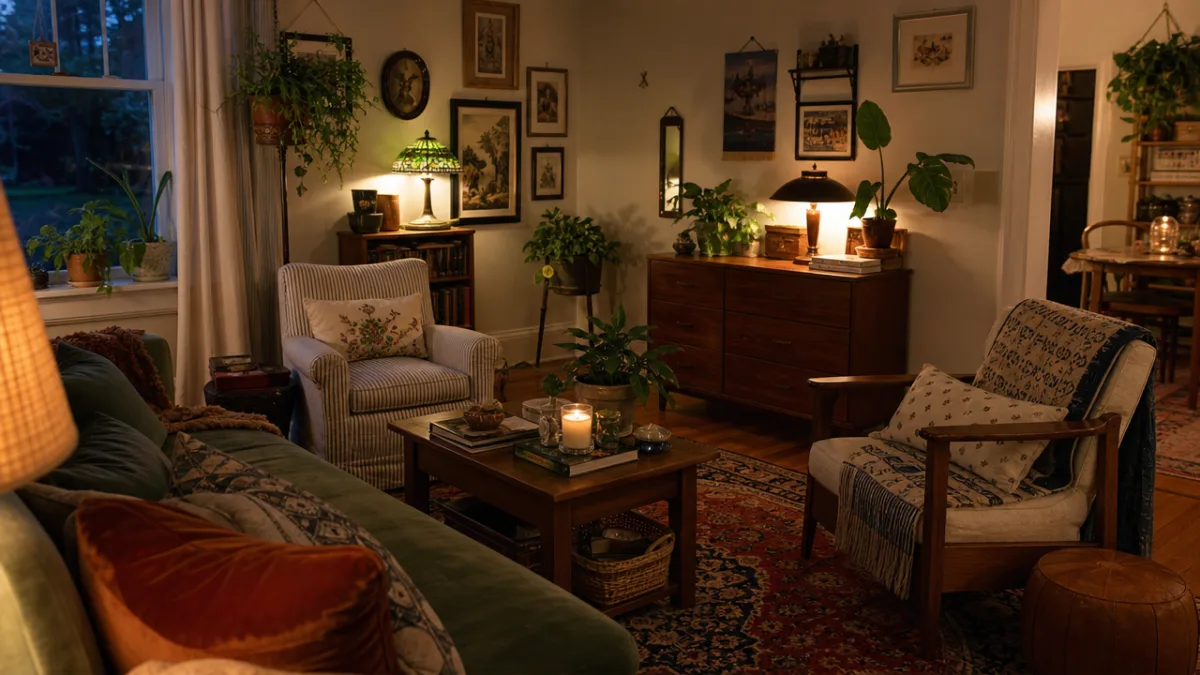
Layering textiles is another technique that costs relatively little but adds a lot of warmth and sophistication. A plain sofa becomes so much more inviting with a throw blanket and a couple of cushions in patterns and textures that complement each other without matching perfectly. An inexpensive area rug under a seating arrangement makes the whole thing look deliberately designed rather than just plopped there. And here’s a completely free trick worth knowing: hanging curtains closer to the ceiling rather than just above the window makes ceilings look higher and rooms feel larger — it just requires repositioning existing hardware or swapping in an affordable curtain rod set a bit higher up.
Working With What You Have: Rearranging and Repurposing
Before spending anything on new items, one of the most worthwhile things you can do is go room by room and take stock of everything you already own. Most people are genuinely surprised by how much they’ve accumulated that’s either sitting unused, tucked away in storage, or simply placed in the wrong spot. Moving a lamp from a bedroom where it barely gets noticed to a living room side table can completely shift the mood of that space. Relocating artwork from a hallway to a more prominent wall can make both spots feel more intentional and thought-out.
Repurposing things to serve new functions is one of the hallmarks of truly creative budget decorating. A wooden ladder leaned against a wall becomes a charming display for blankets or towels. Vintage suitcases stacked together make a unique end table with built-in hidden storage. Old books stacked horizontally serve as free risers for vases or plants on shelves. A large stone or a piece of driftwood found outside becomes a sculptural object on a coffee table. These kinds of touches add personality and uniqueness that mass-produced store-bought items simply can’t replicate — and they cost nothing but a little creative thinking.
Seasonal refreshes using only what you already own are also a wonderful way to keep your home feeling fresh without spending anything. Rotating which throw pillows you have out, swapping what sits on your bookshelves, moving plants from room to room as the light shifts through the year — these small changes keep your space feeling dynamic and newly considered. A lot of experienced budget decorators treat their home as an ongoing creative project rather than a finished product, and that ongoing engagement keeps both the space and their enthusiasm for it genuinely alive.
Plants and Natural Elements: Free and Low-Cost Beauty
Few decorating tools are as affordable, impactful, and just plain well-loved as plants. A single houseplant in the right spot can make a room feel more alive, more finished, and more welcoming in a way that’s hard to replicate with any inanimate object. And the good news is that plants can be extremely inexpensive — or completely free. Varieties like pothos, spider plants, succulents, and snake plants propagate easily from cuttings. If you know anyone with houseplants, asking for a few cuttings costs you nothing and can grow into a whole lush collection over time.
Beyond propagation, plant swaps are becoming more and more popular in communities everywhere — events where plant lovers trade cuttings and small potted specimens at no cost. Local community centers, libraries, and social media groups often host or share info about these. On top of that, grocery stores and big-box retailers regularly sell small houseplants for just a few dollars, and those humble little plants can grow into genuinely impressive specimens with basic care over time. The containers you put them in don’t need to be expensive, either — thrifted pots repainted in a single matte color, old colanders, tin cans, and woven baskets all make charming and inexpensive plant holders.
Natural elements you gather from outside bring something genuinely special into a home, and they’re completely free. A bundle of branches cut from the garden and placed in a tall vase makes a striking sculptural arrangement. Smooth river stones in a shallow bowl create a calm, spa-like vignette on a bathroom shelf. Dried seed pods, pine cones, and autumn leaves add seasonal warmth to any surface. Shells, driftwood, and feathers are beautiful decorative objects that connect your interior to the world just outside your door. Honestly, working natural elements into your décor might be the most underused and underappreciated strategy in budget home decorating — and it doesn’t cost a thing.
“`








What do you think?
It is nice to know your opinion. Leave a comment.