










Aesthetic Room Decor: A Complete Guide to Transforming Your Space
Understanding Aesthetic Room Design
Aesthetic room decor is so much more than just pushing furniture around and tossing a few frames on the wall. It’s a deliberate, thoughtful way of shaping a space that actually feels like you — your personality, your mood, your taste. The whole idea of an “aesthetic” room really took off with social media, especially Pinterest and Instagram, where scroll after scroll of carefully curated spaces started making people look around at their own rooms and think, “I could do something with this.”
At its heart, aesthetic room design is about making everything feel like it belongs together — colors, textures, lighting, furniture, all of it working in harmony toward one cohesive atmosphere that feels both beautiful and personal. Whether you’re drawn to the soft, dreamy tones of a cottagecore room or the clean simplicity of Scandinavian minimalism, getting a handle on a few foundational principles will make the whole process feel a lot less overwhelming and a lot more fun.
One of the best places to start is simply figuring out what your personal style actually is. Spend some time exploring different visual themes and pay attention to what genuinely resonates with you — not just what looks good on someone else’s feed. Do you want your room to feel calm and quiet, or bold and full of life? Once you’ve landed on a clear direction, every decision that follows — paint colors, throw pillows, all of it — starts to make a lot more sense.
Choosing a Color Palette That Sets the Mood
If there’s one decorating tool that punches above its weight, it’s color. The hues you bring into your room — on the walls, the bedding, the furniture, the little decorative details — set the emotional tone for the entire space before anyone even registers the individual pieces. Warm neutrals like beige, cream, and terracotta make a room feel grounded and cozy. Cool pastels — sage green, dusty rose, powder blue — lean more calm and dreamy. Understanding what different colors actually do to a room helps you choose with intention rather than just going with whatever looks pretty in the store.
Most popular aesthetic styles work within a tight palette of two to four complementary shades, and that restraint is exactly what makes them feel so cohesive and put-together. A dark academia room might pull from deep forest greens, warm browns, and cream. A Y2K-inspired space might go full bubblegum pink, electric blue, and chrome silver. The point is that sticking to a defined set of colors across everything — walls, textiles, art, accessories — is what gives a room that polished, intentional look rather than a “stuff I liked at the time” vibe.
When you’re building your palette, think beyond just the wall color. Your textiles, artwork, and decorative objects all contribute to the overall picture. A really common beginner mistake is falling in love with individual pieces without checking how they’ll actually look together in the same room. Lay paint swatches next to fabric samples. Print out furniture images and hold them side by side. It takes maybe ten minutes and can save you from some genuinely expensive regrets later.
Furniture Selection and Arrangement
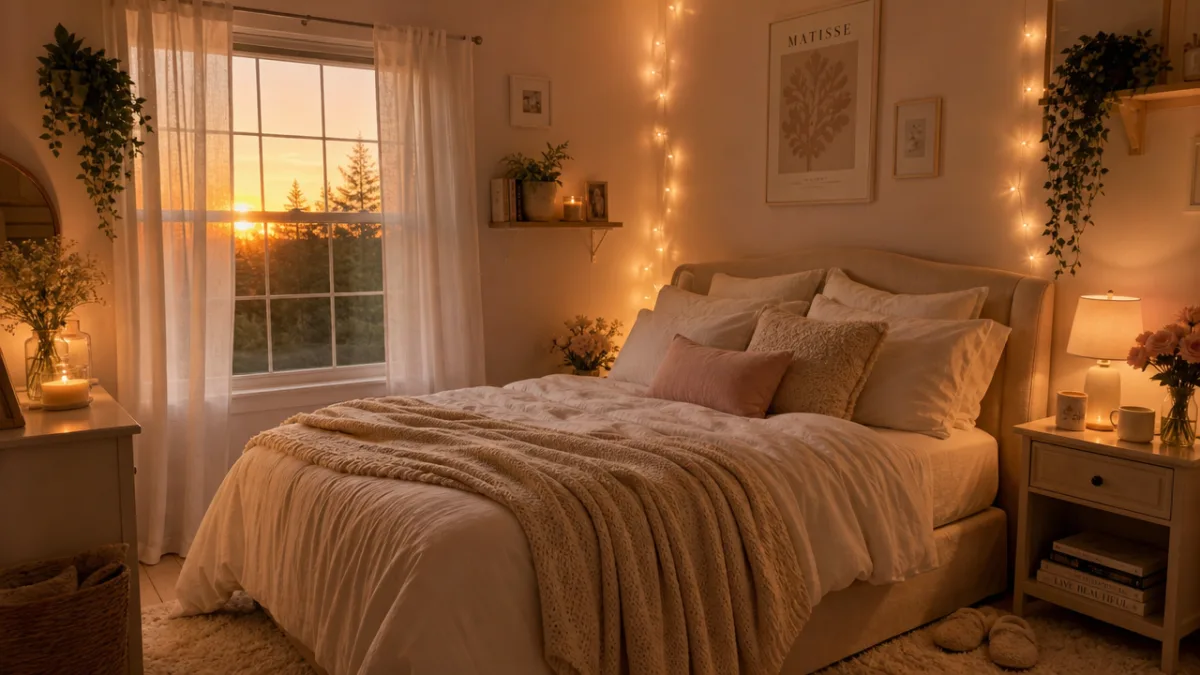
Your furniture is the structural backbone of the whole room, so it’s worth putting some real thought into. Vintage and thrifted pieces have become hugely popular in aesthetic decorating for a good reason — they bring character and a sense of history that brand-new, mass-produced furniture just can’t fake. A weathered wooden dresser, a rattan armchair, an ornate vintage mirror: pieces like these instantly add visual interest and give you a natural focal point to build the rest of the room around.
But it’s not just about what you pick — it’s also about how you arrange it. One of the most common mistakes people make is pushing all their furniture against the walls, which tends to make a room feel hollow and disconnected. Try floating pieces toward the center instead to create a sense of purposeful layout and intimacy. Mixing heights helps too — pairing a low platform bed with tall bookshelves, for example, adds visual depth and energy that a flat, same-level arrangement never quite achieves.
For smaller rooms, multifunctional furniture is genuinely a game-changer. Storage ottomans, beds with built-in drawers, fold-out desks — these let you keep things clean and uncluttered without giving up practicality. When you’re shopping, it’s worth keeping a few qualities in mind:
- Timeless silhouettes that won’t feel dated in a couple of years
- Natural or quality materials like solid wood, linen, rattan, or velvet
- Proportions that suit your room’s scale without overwhelming it
- Pieces that actually fit your color palette and overall aesthetic direction
- Secondhand or vintage options that bring character and are easier on the environment
Arrangement also means thinking about how people actually move through the room. Leave enough space between pieces for comfortable traffic flow, and think about how the room gets used at different times of day. A reading nook works best near a window for natural light during the day, while a cozy evening corner benefits from being tucked a little out of the way with warm ambient lighting to create that sense of retreat.
Lighting: The Secret Ingredient of Aesthetic Rooms
If one thing separates a truly beautiful aesthetic room from one that just looks okay on paper, it’s lighting. Lighting is genuinely transformative — it can make the exact same room feel cozy or clinical, romantic or energizing, intimate or wide open. The rooms that look most impressive almost always use layered lighting, which means combining three types: ambient light for general illumination, task lighting for practical activities, and accent lighting for atmosphere and visual interest.
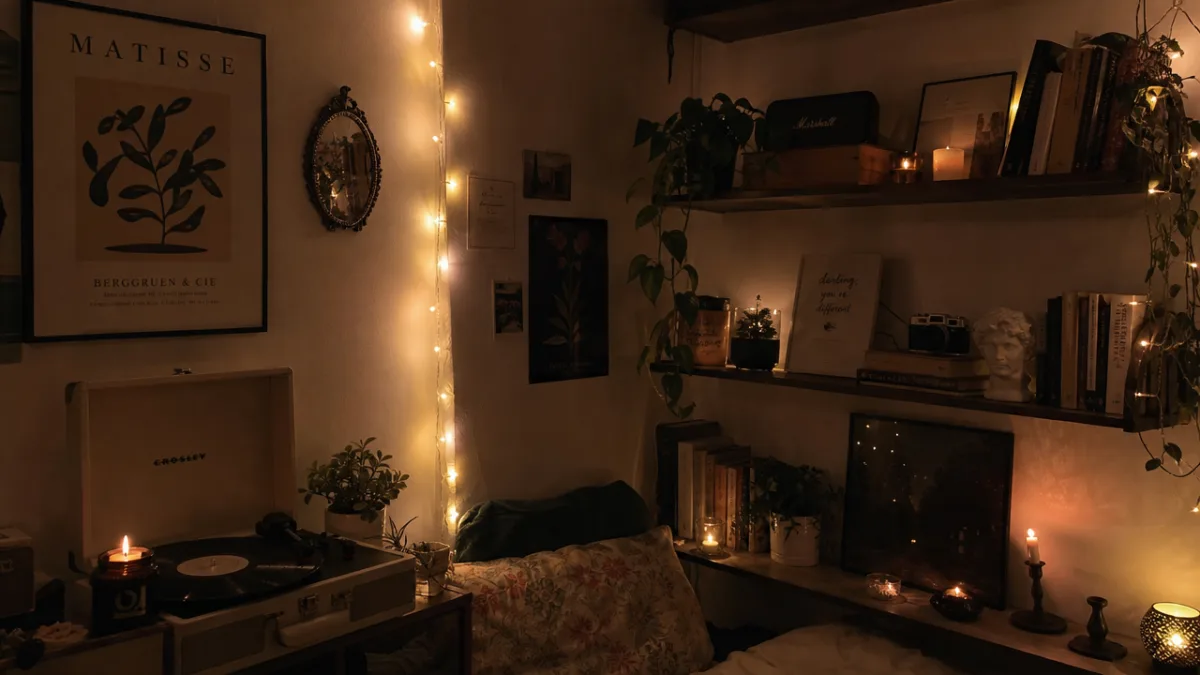
Fairy lights — string lights, whatever you want to call them — have become a signature element of so many aesthetic styles, and honestly, it’s easy to see why. Draped over a canopy, wound around a headboard, or hung behind sheer curtains, they cast this warm, slightly magical glow that makes even a simple space feel special. LED strip lights tucked behind furniture, under shelving, or along the ceiling perimeter can add a moodier, more dramatic quality — something you see a lot in gaming setups, dark academia rooms, and neon-touched Y2K spaces.
Natural light deserves a lot more credit than it usually gets as a decorating tool. Keeping windows clear and swapping out heavy blackout drapes for light, sheer curtains can make a room feel noticeably larger, cleaner, and more inviting. For rooms that don’t get much sun, warm-toned bulbs in the 2700K–3000K range do a much better job mimicking natural light than cool white bulbs, and they’re far more flattering to both people and decor. Dimmer switches are one of the best small investments you can make — being able to adjust the mood of your room at any hour is something you’ll use every single day.
Textiles and Layering for Depth and Comfort
Textiles are really the soul of an aesthetic room. They’re what take a beautifully designed space and make it feel actually livable — warm, soft, and inviting rather than like a staged showroom nobody’s allowed to touch. The art of textile layering is combining different fabrics, textures, and patterns in a way that feels considered rather than cluttered. A well-layered bed is a perfect example: a fitted sheet, a lightweight blanket, a chunky knit throw, pillows in a few different sizes, maybe a textured cushion — each layer adding visual richness while also genuinely being useful.
A good rug might be the single most impactful textile purchase you can make for a room. It anchors a furniture arrangement, carves out zones in an open space, and adds a whole layer of color and texture underfoot. Vintage-style Persian rugs, natural jute, plush faux fur, braided cotton — each one carries a completely different personality, so pick one that actually aligns with where your room is headed. Layering two rugs of different sizes or textures on top of each other is a popular styling trick that adds depth and a nicely collected, bohemian feel.
Curtains can do more work than most people give them credit for. Hanging floor-to-ceiling curtains close to the ceiling — rather than just above the window frame — instantly makes a room feel taller and more polished. Linen curtains in a natural or cream tone are a go-to for cottagecore, Scandinavian, and minimal aesthetics, while velvet in a rich jewel tone brings drama and luxury to darker, more maximalist spaces. And don’t sleep on tapestries, wall hangings, and macrame — these textile wall pieces add organic texture in a way that framed prints alone just can’t.
Plants, Accessories, and the Art of Thoughtful Curation
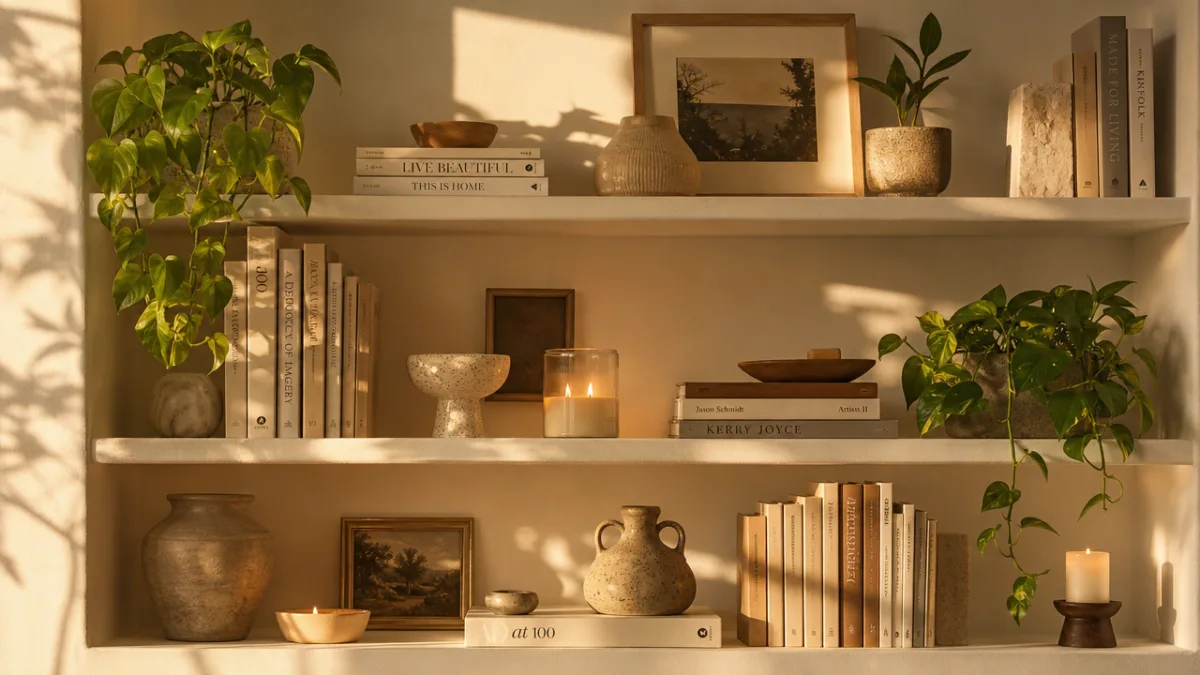
Plants have become a staple of aesthetic room design across pretty much every style, and it’s not hard to understand why. Beyond just looking great, they bring a kind of life and vitality into a room that no manufactured decor item can quite replicate. They genuinely improve air quality, reduce stress, and create a sense of connection to the natural world that feels especially grounding when you’re living in a city. Trailing pothos and ivy are perfect for shelves, a dramatic monstera or fiddle leaf fig makes a stunning floor statement, and small succulents or air plants are ideal for desks and windowsills.
Your accessories and decorative objects are where your actual personality gets to show up in the room. Books stacked on a coffee table or arranged by color on open shelving, vintage perfume bottles on a vanity, a collection of crystals on a windowsill, prints and artwork that genuinely speak to your interests — these personal details are what transform a visually nice room into one that feels unmistakably like yours. The key to getting it right is learning to edit. Every object should either serve a purpose, bring you real joy, or meaningfully contribute to the overall feel of the space. If it doesn’t do at least one of those things, it probably doesn’t need to be there.
A practical styling trick that makes a big difference: group accessories in odd numbers, especially threes and fives. Odd-numbered groupings feel more natural and visually dynamic than even ones, which tend to come across as a bit stiff or overly symmetrical. When you’re arranging a vignette on a shelf or side table, vary the heights, mix different textures and materials, and try to include at least one organic element — a small plant, some dried flowers, a piece of driftwood — to keep things feeling alive rather than like a display case.
Personalizing Your Aesthetic: Making It Truly Yours
Drawing inspiration from curated aesthetic styles and social media is totally useful and valid — but the rooms that actually stop you in your tracks are the ones that feel like a real person lives in them. Don’t feel like you have to stick rigidly to one aesthetic category or recreate someone else’s space down to the last detail. Some of the most compelling rooms are the ones that blend influences in unexpected ways — a mostly minimalist room with a gallery wall full of colorful vintage posters, or a cottagecore bedroom with a bold neon sign thrown in as a cheeky counterpoint.
Incorporating things that are genuinely meaningful to you is one of the most powerful moves you can make. Photos of people you love, souvenirs from trips that mattered, art made by a friend, something you’ve had since childhood — these pieces give a room real story and emotion that no amount of carefully sourced decor can manufacture. The trick is integrating them in a way that feels intentional. Matching frames, keeping a consistent color tone in your photos, or designating a specific spot for personal mementos can help you honor those things without breaking the visual flow of the room.
And finally — don’t put pressure on yourself to get it all right immediately. Some of the most beloved aesthetic rooms came together slowly, piece by piece, over months or even years. Thrift stores, vintage markets, DIY projects, creative repurposing of things you already own — these are some of the best sources of unique, characterful decor that actually makes a room feel one-of-a-kind. The process of building a space you genuinely love is itself a worthwhile creative practice. Enjoy it.








What do you think?
It is nice to know your opinion. Leave a comment.