










8 Budget-Friendly Home Upgrades That Will Totally Change Your Home
Why Small Changes Make the Biggest Difference
When most people think about transforming their home, they immediately imagine massive renovation projects, contractor quotes that run into the tens of thousands of dollars, and weeks of disruption to daily life. The truth is far more encouraging. Some of the most dramatic home transformations come not from tearing down walls or replacing entire kitchens, but from a series of thoughtful, targeted upgrades that collectively shift the entire atmosphere of a space. Understanding this principle is the first step toward becoming a smarter homeowner.
Budget-friendly upgrades work because our perception of a room is influenced by dozens of small details simultaneously. When you update the hardware on your cabinets, add a statement light fixture, or repaint a single accent wall, your brain registers the cumulative effect rather than cataloguing each individual change. This is the same psychological phenomenon that interior designers exploit when staging homes for sale, creating spaces that feel brand new without touching the underlying structure of the room.
The eight upgrades explored in this article were selected because they offer the highest visual and functional impact relative to their cost. None of them require professional installation skills beyond basic DIY competence, and most can be completed over a single weekend. Whether you rent or own, live in a studio apartment or a four-bedroom house, these ideas are scalable and adaptable to virtually any living situation. Read on and prepare to see your home in an entirely different light.
Upgrade One: Fresh Paint and the Power of Color
If there is a single upgrade on this list that delivers the most dramatic return on investment, it is paint. A gallon of quality interior paint costs between twenty-five and sixty dollars, and even tackling a full room will rarely set you back more than a hundred dollars in materials. Yet the visual transformation that a new coat of paint creates is nothing short of remarkable. Colors influence mood, alter perceived room dimensions, and instantly update the style era of a space, pulling it from dated to contemporary in an afternoon.
The key to using paint strategically is to resist the urge to simply refresh the same color that already exists on the walls. Instead, commit to a genuine color decision. Deep, saturated tones like forest green, navy blue, or terracotta are enormously popular right now and for good reason — they add a sense of depth and sophistication that white or beige simply cannot achieve. An accent wall behind a bed or sofa creates a focal point that anchors furniture arrangements and makes a room feel professionally designed. Alternatively, painting all four walls in a moody hue creates an enveloping, cozy atmosphere that feels like a deliberate design choice rather than a default.
Do not overlook the transformative power of painting surfaces that are not traditionally considered paintable. Cabinet fronts, brick fireplaces, dated wood paneling, and even bathroom tile can all accept paint with the right primer and finish product. Painting kitchen cabinets alone can save homeowners upward of fifteen thousand dollars compared to a full cabinet replacement, while achieving a result that photographs and lives equally beautifully. Spend time on surface preparation, use a quality brush or small foam roller, and apply two thin coats for a finish that looks professionally done.
Upgrade Two: Lighting That Transforms Atmosphere
Lighting is the most underestimated design element in residential interiors, and updating your fixtures is one of the most cost-effective changes you can make. The default builder-grade fixtures found in most homes — the flush-mount ceiling disc, the basic chrome bathroom bar light — are functional but entirely devoid of personality. Replacing them with fixtures that have visual character immediately elevates the perceived value of a room. Pendant lights, semi-flush drum shades, rattan or woven fixtures, and sculptural wall sconces are all available at accessible price points from retailers like Target, IKEA, and Amazon.
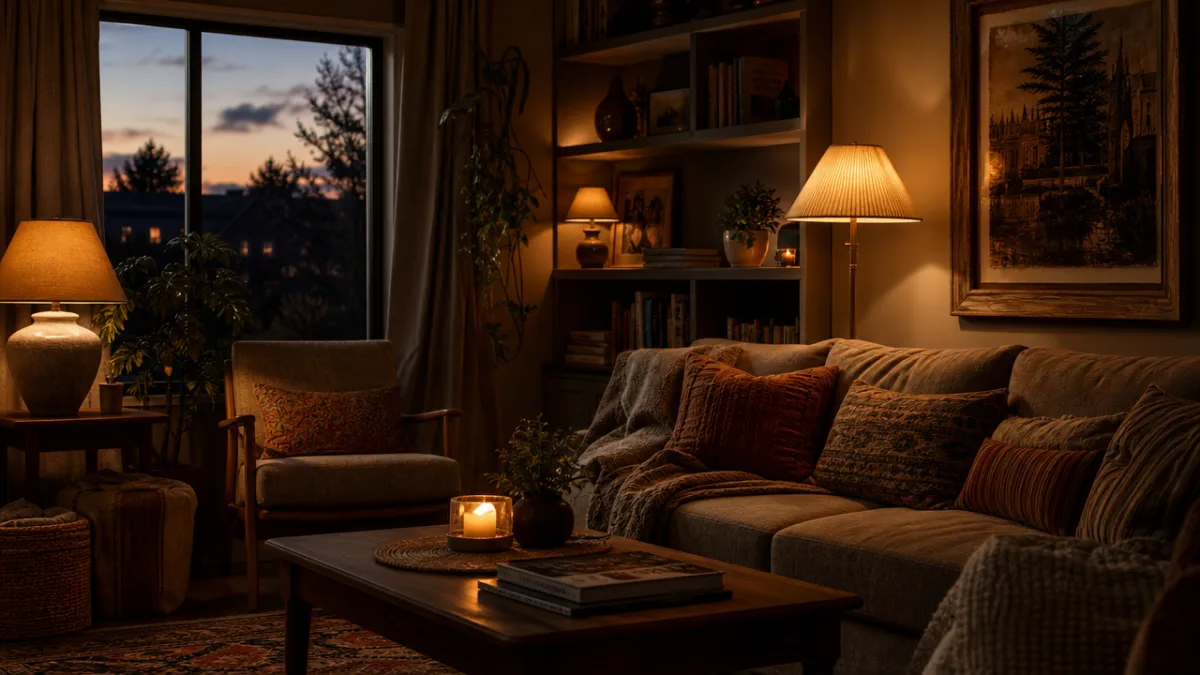
Beyond fixture replacement, consider how layering light sources changes the way a room feels at different times of day. Most rooms rely exclusively on a single overhead source, which creates flat, shadowless illumination that is neither flattering nor atmospheric. Adding table lamps, floor lamps, and even battery-operated LED puck lights in strategic locations creates depth and warmth that overhead lighting alone can never achieve. The goal is to have three distinct layers — ambient, task, and accent — working together in each room. This is the standard approach in hotels and restaurants, and it is directly responsible for why those spaces feel so much more inviting than most homes.
Smart bulbs represent a particularly high-value addition to any lighting upgrade because they allow you to control both color temperature and brightness without changing the fixture itself. Warm white light in the 2700K range creates a golden, relaxed atmosphere suited to evenings and bedrooms, while cooler 4000K light is energizing and well-suited to workspaces and kitchens. Being able to switch between these settings with a phone app or voice command means your lighting can adapt to your activities and moods rather than remaining static. A set of four smart bulbs costs less than forty dollars and can be reused indefinitely, making this one of the best dollar-for-dollar investments in the entire list.
Upgrade Three: Hardware Swaps That Signal Luxury
Cabinet and door hardware functions as the jewelry of your home’s interior. The pulls, knobs, hinges, and handles that appear on every cabinet door, drawer, and passage door are touched dozens of times each day and register subconsciously as a signal of quality and attention to detail. Builder-grade homes are almost universally outfitted with the cheapest available hardware — thin brass-toned knobs or hollow chrome pulls that wobble and tarnish within a few years. Replacing these with solid, well-finished alternatives takes less than an hour per room and costs a fraction of what the visual upgrade implies.
The hardware market has expanded dramatically in recent years to accommodate a wide range of design aesthetics. Matte black hardware reads as contemporary and sleek, pairing beautifully with white cabinetry or natural wood tones. Brushed brass or unlacquered brass creates a warm, vintage-modern look that works with both traditional and eclectic interiors. Satin nickel remains a classic, versatile choice that complements virtually every color palette. Bar pulls in longer lengths — four or five inches — give kitchen and bathroom cabinetry a particularly clean, architectural appearance that looks significantly more expensive than standard round knobs.
When shopping for replacement hardware, measure your existing pulls carefully before purchasing, as the distance between screw holes — called the center-to-center measurement — must match for the swap to be seamless. Standard measurements are typically three inches or three and three-quarter inches for pulls. Knobs are simpler since they use a single hole and can replace any knob without concern for spacing. Budget between two and eight dollars per piece for quality replacements, and consider purchasing in bulk from online retailers for additional savings. For a kitchen with thirty cabinet doors and drawers, a complete hardware transformation might cost between sixty and two hundred dollars — an extraordinary value for the impact it creates.
Upgrade Four: Window Treatments That Complete a Room
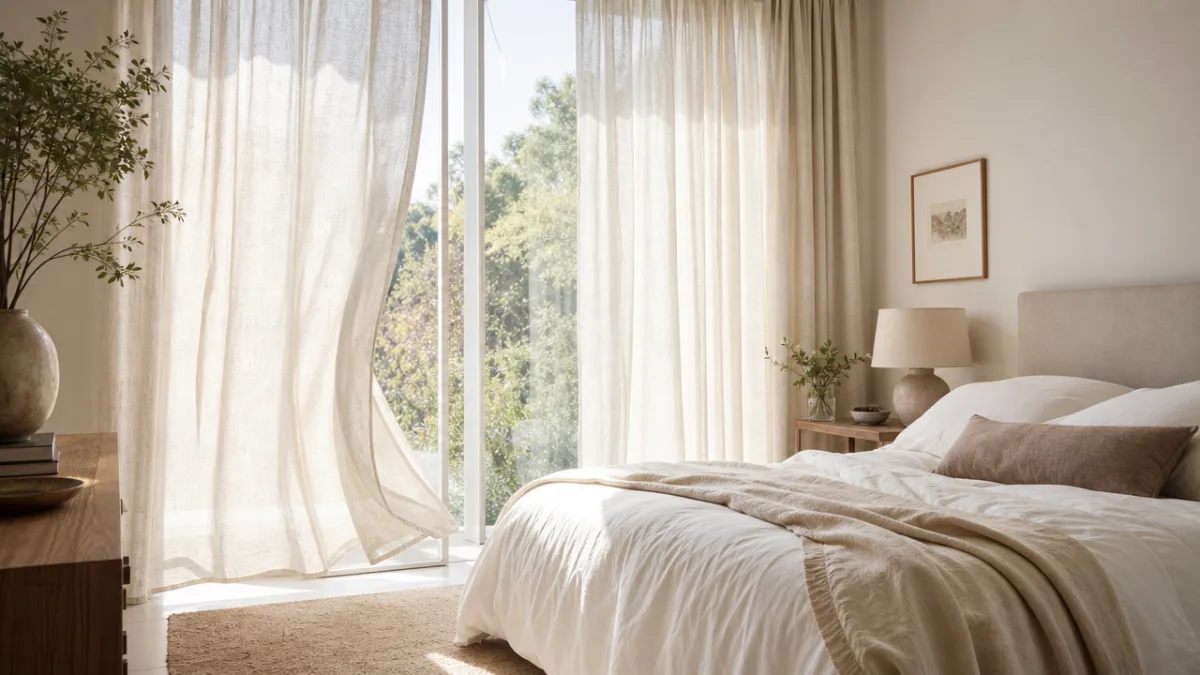
Bare windows or builder-installed mini blinds are among the clearest signals that a room has not been thoughtfully decorated. Window treatments serve a dual purpose: they provide privacy and light control while simultaneously adding softness, height, texture, and color to a room. Properly hung curtains — mounted high and wide beyond the window frame — can make a room appear dramatically taller and more spacious than its actual dimensions. This is a technique that professional stagers and interior designers rely on consistently because it works in virtually every setting.
The rule for hanging curtains that most designers follow is to mount the rod three to six inches above the window frame and extend it six to twelve inches beyond the frame on each side. This means the curtains barely cover any actual glass when open, allowing maximum light into the room, while giving the impression of a much larger window when the eye traces the full width and height of the fabric. For rooms with low ceilings, mounting the rod as close to the ceiling as possible — sometimes directly on the ceiling itself — creates the illusion of significantly more vertical space and makes the entire room feel airier and more expansive.
Fabric choice matters considerably when selecting curtains. Linen and linen-blend curtains have dominated interior design trends for several years because they offer a relaxed, organic quality that reads as both casual and refined. Sheer white or cream panels layer beautifully beneath heavier blackout curtains, giving you the flexibility of diffused natural light during the day and complete darkness at night. For rooms where a bolder statement is appropriate, patterned curtains in botanical prints, geometric designs, or classic stripes can become the visual anchor around which the rest of the room’s palette is developed. Quality curtain panels from IKEA, H&M Home, or Amazon remain accessible on virtually any budget.
Upgrade Five: Textiles and Layering for Warmth
Textiles are the quickest and most reversible way to transform the feel of any room, and they represent a category of upgrades that renters and homeowners alike can enjoy without any installation or permanent commitment. Throw pillows, blankets, area rugs, and decorative cushions contribute enormously to the sensory experience of a space — they add color, pattern, and most importantly, texture, which is the quality that makes rooms feel genuinely inviting rather than photographically pretty but cold in person. A sofa loaded with varied pillows and a chunky knit throw communicates comfort and intentionality in equal measure.
Area rugs deserve particular attention because they perform several functions simultaneously. A well-chosen rug defines a seating or dining area within a larger open-plan space, creates a visual anchor for furniture arrangement, adds acoustic softness to a room, and introduces pattern and color without committing to painted walls or upholstered furniture. The most common mistake in rug selection is going too small — a rug that only partially fits under a coffee table while leaving sofa legs hovering on bare floor looks undersized and disconnected. As a general rule, all major seating pieces in a living room should have at least their front legs resting on the rug.
Layering textiles follows the same logic as layering lighting: multiple sources of softness working together create a result more sumptuous than any single element could achieve alone. Consider combining a low-pile or flatweave rug with a sheepskin or boucle accent on top for textural contrast. Mix pillow covers in different fabrics — velvet, linen, and woven cotton — while keeping a cohesive color palette to avoid visual chaos. A merino wool throw draped casually over a sofa arm or folded at the foot of a bed adds an effortless, lived-in quality that makes spaces feel genuinely habitable rather than staged. None of these individual pieces needs to be expensive; collective effect is what matters.
Upgrade Six: Greenery and Natural Elements
Few additions to a home deliver as much visual vitality as living plants. The presence of greenery introduces an organic, breathing quality that no amount of furniture or art can replicate. Plants connect interior spaces to the natural world, improve air quality to a modest degree, and provide a sense of growth and life that makes a home feel actively tended rather than merely furnished. The resurgence of houseplant culture over the past decade has made a remarkable variety of species widely available at accessible prices, from sculptural fiddle-leaf figs and trailing pothos to architectural snake plants and cascading string of pearls.
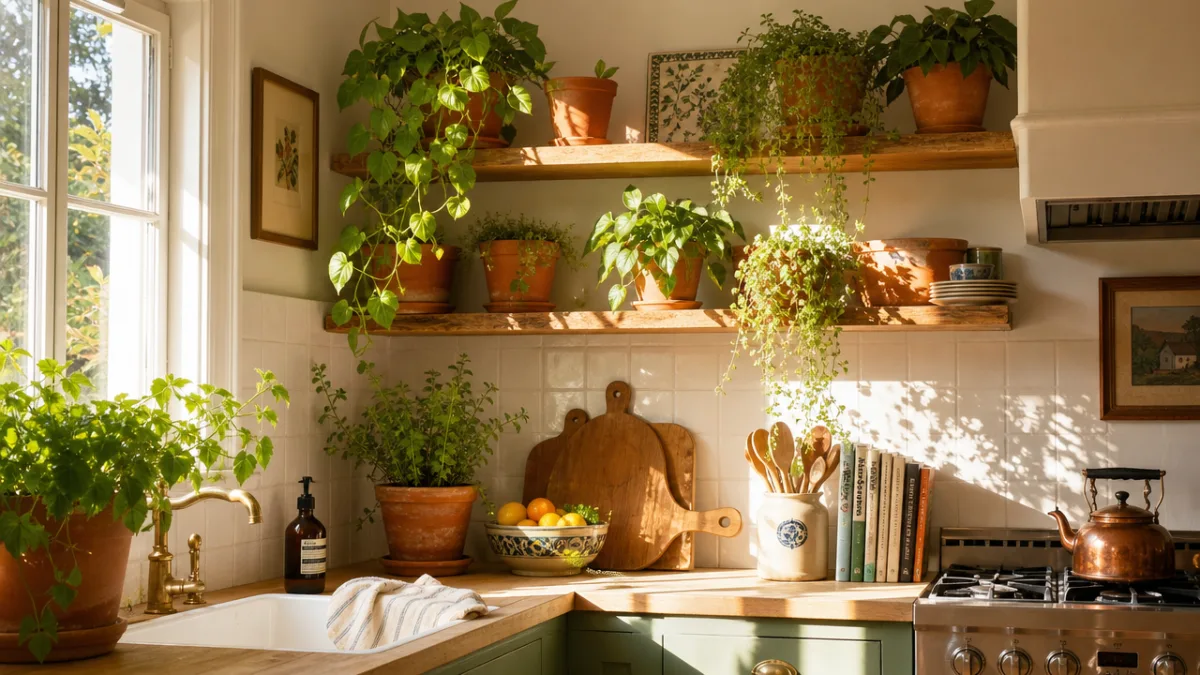
For those who worry about their ability to keep plants alive, it is worth knowing that many of the most visually impactful species are also among the most forgiving. The snake plant thrives on neglect, tolerating low light and infrequent watering with equanimity. The ZZ plant similarly requires almost nothing in terms of care. Pothos will trail dramatically from shelves or climb a simple moss pole with minimal intervention. Even a single large plant in a beautiful pot — perhaps a ceramic planter in a matte terracotta or deep forest green — can dramatically change the character of an empty corner that no amount of furniture seemed able to improve.
Natural elements beyond plants also contribute meaningfully to the warmth and character of interiors. Wooden cutting boards displayed on kitchen counters, woven baskets used for storage and organization, stone coasters on coffee tables, dried pampas grass or eucalyptus in tall vases — all of these introduce organic texture and material diversity that makes rooms feel intentional and curated. The contrast between natural materials and smoother, more processed surfaces like painted walls, glass, and metal gives interiors a layered quality that is fundamentally more interesting to inhabit than spaces made entirely from manufactured elements. Nature is endlessly varied in its textures and tones, and borrowing those qualities for interior decoration is an idea as old as human shelter itself.
Upgrade Seven and Eight: Decluttering and Intentional Display
The seventh and eighth upgrades on this list are conceptually linked and are best understood together. Decluttering — the systematic removal of objects that do not serve a clear functional or aesthetic purpose — is the prerequisite for the eighth upgrade, which is the creation of intentional, curated displays that make a home feel designed rather than accumulated. These two practices are the backbone of every beautifully photographed interior, and they cost nothing beyond time and a willingness to make decisions about what belongs in your space.
Decluttering is a process, not an event, and it is most effective when approached room by room rather than as a whole-house project. Begin by removing everything from a surface — a bookshelf, a countertop, a mantel — and returning only the items that genuinely deserve to occupy that space. Be ruthless about papers, duplicate items, gifts kept out of obligation, and objects that belong to a previous version of your taste. The goal is not minimalism for its own sake but clarity: every remaining object should be either useful, beautiful, or both. When surfaces are freed from visual noise, the objects that remain take on greater presence and meaning.
Intentional display is the art of arranging objects in ways that feel composed rather than casual. The principles are simple and widely applicable. Group objects in odd numbers — threes and fives are particularly satisfying to the eye. Vary heights within a grouping to create movement. Mix textures: pair something smooth with something rough, something reflective with something matte. Leave generous negative space around displays rather than crowding objects together. On bookshelves, alternate vertical stacks of books with horizontal ones, and intersperse objects like small sculptures, plants, and framed photos among the volumes. These techniques transform ordinary objects into displays that look like the work of a stylist, elevating the entire room without spending a single additional dollar.








What do you think?
It is nice to know your opinion. Leave a comment.