










33 Brilliant Apartment Organization Ideas To Share
Why Apartment Organization Changes Everything
Living in an apartment presents a unique set of challenges that homeowners rarely face. Space is limited, storage is often an afterthought in the original design, and every square foot carries a premium. Yet despite these constraints, a well-organized apartment can feel just as spacious, serene, and functional as a much larger home. The difference between a cluttered, stressful living space and a calm, productive one often comes down to a handful of intentional organizational choices made consistently over time.
The psychological impact of a disorganized home is well-documented. Studies in environmental psychology consistently show that clutter increases cortisol levels, the hormone associated with stress, while tidy, organized spaces promote feelings of calm and control. For apartment dwellers who often work, eat, exercise, and relax within the same few hundred square feet, this effect is magnified. Your apartment is not just where you sleep — it is your entire world at home, and how it is organized directly shapes your mental state throughout the day.
The good news is that brilliant apartment organization does not require a massive budget or a complete renovation. It requires creativity, consistency, and a willingness to rethink how everyday spaces are used. The ideas gathered here range from small, affordable tweaks to more involved systems that reward upfront effort with long-term ease. Whether you are moving into your first studio or looking to refresh a space you have lived in for years, these strategies will help you see your apartment with fresh, possibility-filled eyes.
The Mindset Shift That Makes Organization Stick
Before diving into specific tips and tools, it is worth addressing the mindset that underlies successful organization. Many people approach organization as a one-time event — a Saturday afternoon overhaul that they hope will last forever. In reality, organization is an ongoing practice, more like exercise than a haircut. The systems you put in place need to be easy enough to maintain on a daily basis, or they will inevitably collapse back into chaos within weeks.
The most effective organizational systems are built around your actual habits rather than an idealized version of how you wish you behaved. If you always drop your keys on the kitchen counter, build a small key hook or tray into that spot rather than training yourself to walk to the entryway every time. Work with the grain of your natural tendencies, and your organization will feel effortless. Fight against them, and it becomes a constant battle you are destined to lose eventually.
Starting small also matters enormously. Tackling one drawer, one shelf, or one category of items at a time builds momentum and prevents the overwhelm that causes so many people to abandon organizational projects entirely. Celebrate small wins. A perfectly organized junk drawer is a genuine achievement worth acknowledging. Over weeks and months, these small victories accumulate into a home that functions beautifully and consistently, without requiring heroic effort to maintain.
Maximizing Vertical Space in Small Rooms
One of the most underutilized resources in any apartment is vertical space. Most people organize their belongings at eye level or below, leaving entire walls of potential storage completely unused. In a small apartment, thinking vertically is not just a clever trick — it is a necessity. Floor-to-ceiling shelving units, wall-mounted organizers, and hanging storage solutions can multiply your effective storage capacity without consuming a single additional square foot of floor space.
Floating shelves are perhaps the most versatile tool in the vertical organization toolkit. They can be installed in almost any room, customized to any length, and used to store everything from books and plants to kitchen supplies and bathroom essentials. The key to making floating shelves look intentional rather than chaotic is grouping items thoughtfully and leaving some breathing room between objects. A crowded shelf becomes visual noise, while a curated shelf becomes a design feature that adds personality to the room.
Beyond shelves, consider wall-mounted pegboards in the kitchen or home office, over-the-door organizers in closets and bathrooms, and hanging pot racks above kitchen islands or counters. Tall bookcases that reach toward the ceiling draw the eye upward and create an illusion of height while providing substantial storage. Even the tops of refrigerators, cabinets, and wardrobes can be pressed into service for items used less frequently, with attractive baskets or boxes keeping things tidy and dust-free.
Room-by-Room Vertical Storage Strategies
In the living room, vertical space can be used for both storage and display. A tall media console with built-in shelving eliminates the need for separate side tables or floating shelves, while a gallery wall that extends close to the ceiling fills empty space and adds tremendous visual interest. Command strips make it possible to hang items without permanent damage, which is especially important in rental apartments where wall modifications may violate lease agreements.
In the bedroom, the wall above the headboard is frequently overlooked. A simple shelf mounted at headboard height can hold books, a lamp, a glass of water, and a phone charger, eliminating the need for bulky nightstands that eat into precious floor space. In closets, a second hanging rod installed below the first effectively doubles hanging capacity for shorter garments like jackets, shirts, and folded trousers, and this single addition can transform an impossibly cramped closet into a genuinely functional wardrobe space.
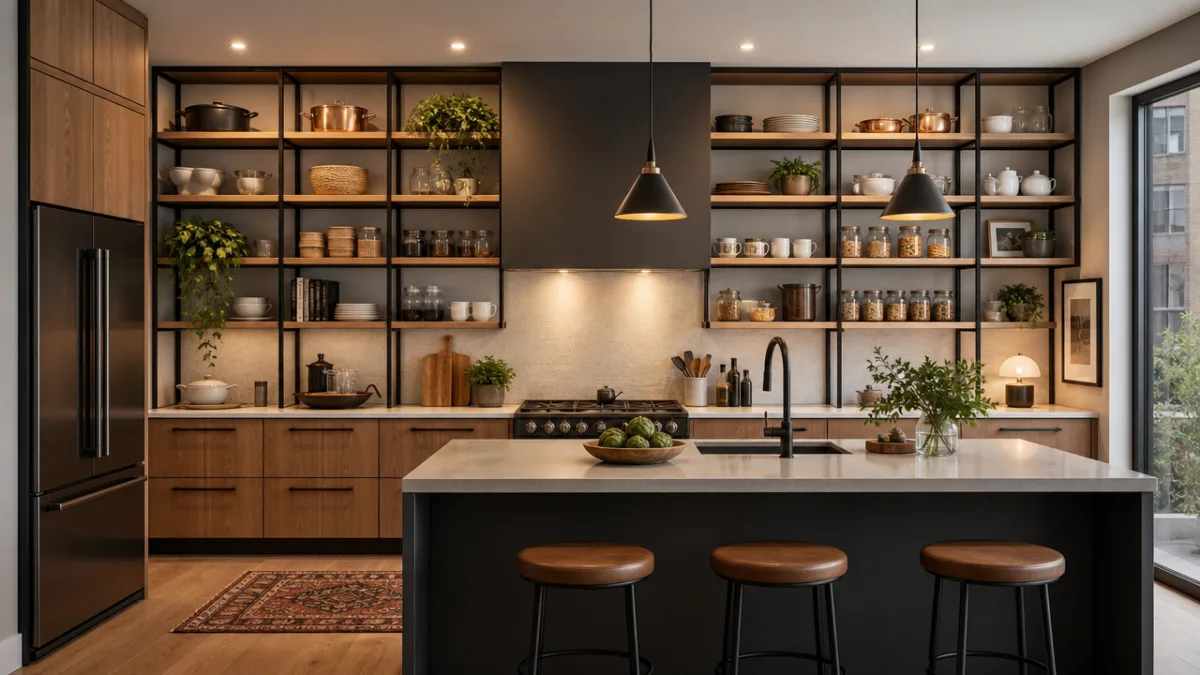
Kitchens benefit enormously from vertical thinking. Magnetic knife strips mounted on the wall free up a full knife block’s worth of counter space. Rail systems with hanging hooks and small shelves, mounted between countertops and upper cabinets, create a versatile zone for storing spice jars, utensils, small pots, and cutting boards. Even the inside of cabinet doors can be outfitted with narrow organizers for spices, wraps, or cleaning supplies, turning what is typically wasted space into highly functional storage.
Clever Solutions for the Entryway and Living Room
The entryway sets the tone for the entire apartment. It is the first thing you see when you come home and the last thing you encounter before leaving, which means its organization has an outsized impact on your daily experience. Even in apartments where the entryway is little more than a few square feet of floor by the front door, smart organization can transform this transitional space into a functional launching pad that reduces the morning chaos of searching for keys, bags, and shoes.
A dedicated drop zone near the entrance is the single most impactful organizational investment many apartment dwellers can make. This might be a small console table with a drawer for mail and keys, hooks on the wall for coats and bags, and a shallow bin or tray below for shoes. Alternatively, a freestanding hall tree accomplishes all of these functions in one piece of furniture that fits even tight spaces. The goal is to give every frequently used item a consistent, easily accessible home right at the point where it is needed most.
In the living room, cable management is an often-neglected organizational challenge that has a dramatic visual impact once addressed. Velcro cable ties, cable boxes that hide power strips and excess cords, and cord covers that run along baseboards can transform a tangle of wires behind and around entertainment centers into a clean, polished look. This one change, costing very little in either time or money, makes a living room feel significantly more organized and intentional, even if nothing else about the space changes.
Multi-Functional Furniture as an Organizational Strategy
In a small apartment, every piece of furniture should ideally serve more than one purpose. Ottoman storage is one of the most popular and effective examples — a large upholstered ottoman that opens to reveal storage inside functions as a coffee table, extra seating, and a hidden storage chest simultaneously. Sofas with built-in storage compartments under the cushions or beneath the frame offer another layer of hidden capacity that is particularly useful for bulky items like extra blankets, pillows, and board games.
Nesting tables are another brilliant multi-functional solution for living rooms. Three small tables that stack together take up the footprint of a single side table when not in use, but can be spread around the room to provide surfaces for drinks, snacks, and laptops when entertaining guests. Fold-down wall desks serve a similar purpose in home offices and studio apartments, disappearing completely when not needed and emerging to provide a full workspace when required, without permanently sacrificing floor space to a dedicated desk.
Bench seating at the end of a bed or along a dining room wall combines seating capacity with hidden storage in a particularly elegant way. A storage bench with lift-up seating can hold an impressive volume of items — shoes, accessories, seasonal clothing, extra linens — while presenting a clean, furniture-like face to the room. These kinds of multi-functional investments are where the real organizational magic happens in apartment living, because they solve multiple problems with a single, thoughtful purchase rather than requiring an ever-expanding collection of organizational accessories.
Bathroom and Kitchen Organization on a Budget
Bathrooms and kitchens are the two rooms in any apartment where effective organization has the most immediate, practical impact on daily life. These are the rooms where time-sensitive routines unfold — morning get-ready sessions, meal preparation, cleaning — and where disorganization creates the most tangible friction and frustration. Fortunately, both spaces respond dramatically well to relatively modest organizational interventions, many of which cost very little and can be implemented in an afternoon.
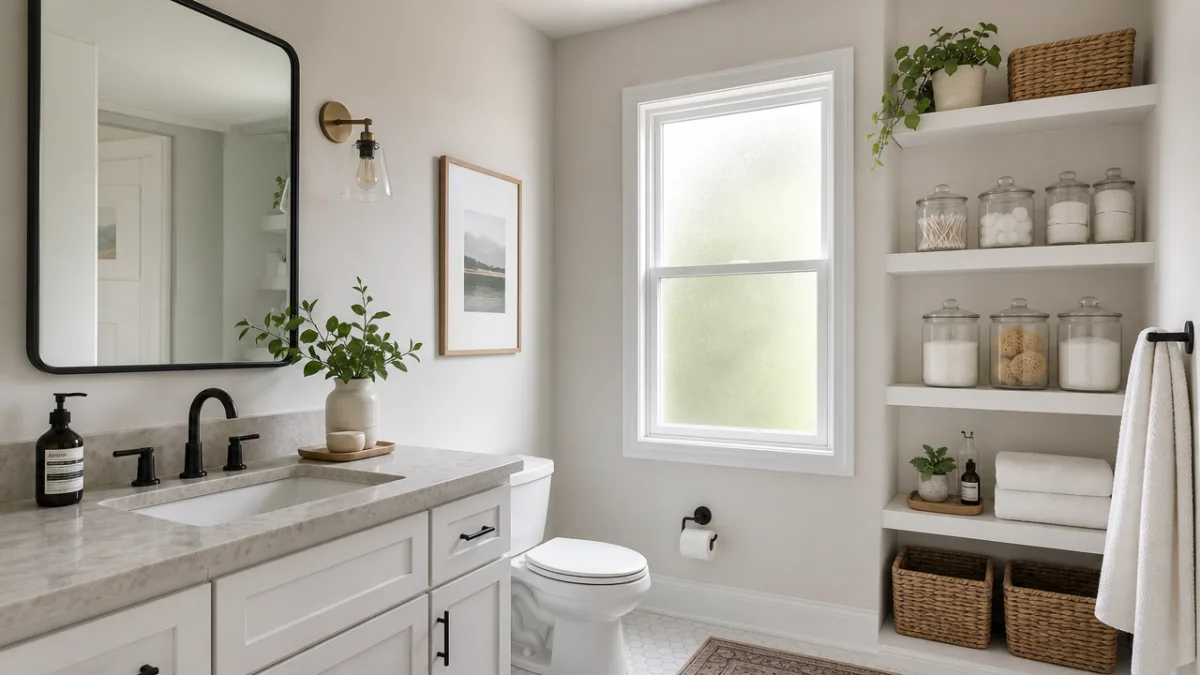
In the bathroom, the space under the sink is frequently a chaotic jumble of cleaning supplies, extra toilet paper, and forgotten personal care products. Installing a small tension rod under the sink creates a second level for hanging spray bottles, instantly doubling the usable space. Stackable clear bins allow items to be grouped by category and identified at a glance. A lazy Susan on the bottom of the cabinet brings items from the back within easy reach. These small additions transform one of the most problematic storage zones in any apartment into a genuinely organized system.
Counter space in both bathrooms and kitchens is precious and should be treated accordingly. A simple rule of thumb is to keep only items on the counter that are used daily, storing everything else in cabinets or drawers. In the bathroom, a small tray or organizer corrals the daily essentials — toothbrush, face wash, moisturizer — into a visually contained area that is easy to wipe clean and looks intentional rather than scattered. This single habit, consistently applied, keeps counters clear and functional over time without requiring elaborate systems or significant effort.
Kitchen Pantry and Cabinet Organization Systems
A well-organized pantry or kitchen cabinet system begins with categorization and visibility. When items are grouped logically — baking supplies together, canned goods together, snacks together — and stored in a way that allows them to be seen without moving other things out of the way, both cooking and grocery shopping become dramatically more efficient. Clear containers for dry goods like pasta, rice, and grains serve double duty, keeping food fresh longer while making it instantly visible and accessible.
Drawer organizers in kitchen drawers prevent the utensil drawer from becoming a chaotic jumble of spatulas, peelers, and mystery gadgets. A simple expandable organizer costs only a few dollars and keeps every item in its designated place, making cooking preparation smoother and more enjoyable. For deeper drawers, vertical file-style organizers can be used to store pot lids on their edges rather than stacking them horizontally, which makes them dramatically easier to access and prevents the avalanche effect that plagues unorganized lid storage.
Refrigerator organization deserves special attention because it directly affects both food waste and the efficiency of meal preparation. Designated zones for different food categories — dairy at eye level, produce in the crisper drawers, leftovers on a specific shelf — create a system that makes it easy to see what needs to be used before it spoils. Small clear bins inside the refrigerator group similar items together and make the back of shelves accessible. A quick weekly refrigerator reset, where items are rearranged and anything past its prime is discarded, takes only a few minutes and prevents the gradual accumulation of forgotten, wasted food.
Some of the most useful kitchen organization tools include:
- Stackable clear food storage containers in uniform sizes that nest efficiently and seal tightly to keep dry goods fresh for months longer than their original packaging.
- Over-the-cabinet-door organizers for storing cutting boards, baking sheets, and pot lids vertically rather than stacking them in hard-to-access piles.
- Expandable shelf risers inside cabinets that create a second level for plates, bowls, or canned goods and dramatically increase usable cabinet space.
- Drawer dividers and utensil trays that keep cooking tools organized by function and prevent the drawer from degrading into chaos over time.
- Lazy Susans in corner cabinets and pantry shelves that bring every item within easy reach without requiring items in front to be moved.
Bedroom and Closet Organization for Peaceful Sleep
The bedroom should function as a sanctuary — a calm, restful space that promotes relaxation and quality sleep. When a bedroom doubles as a storage room, a home office, or a general overflow space for items without a permanent home elsewhere, its ability to serve this restorative function is severely compromised. Thoughtful organization of bedroom storage, closets, and surfaces is therefore not merely aesthetic but genuinely conducive to better sleep and reduced daily stress.
Under-bed storage is one of the greatest organizational opportunities in any apartment bedroom. A standard bed sits high enough to accommodate substantial storage beneath it, which can be accessed with shallow rolling drawers designed specifically for this purpose or simply with flat storage bins. This space is ideal for seasonal clothing and bedding, extra pillows, luggage, and other items that are needed occasionally but not daily. Using this space effectively can free up significant closet capacity for items that are needed more regularly.
The surface of a nightstand tells an interesting story about how organized a bedroom truly is. A cluttered nightstand — buried under books, chargers, glasses, hand cream, water bottles, and miscellaneous small objects — creates subtle visual noise that can affect the quality of rest. A tray on the nightstand surface corrals the items that need to be there into a visually organized unit, while a single drawer below handles items that need to be accessible but not visible. This simple framework keeps the bedside area functional without sacrificing the calm, uncluttered atmosphere that supports good sleep.
Closet Organization Systems That Actually Work
A truly functional closet begins with an honest assessment and ruthless editing. Before investing in any organizational system or tool, everything in the closet should be removed and evaluated. Items that have not been worn in the past year, that no longer fit, or that serve no genuine purpose should be donated or discarded. This decluttering step is not optional — it is the foundation without which any organizational system will be built on an unstable base of excess that will inevitably overwhelm it.
Once the closet contains only items that are genuinely used and loved, a clear organizational framework can be installed. Grouping clothing by category — all shirts together, all pants together, all dresses together — and then by color within each category creates a system that is visually intuitive and makes getting dressed both faster and more enjoyable. Uniform hangers, while a small investment, make a dramatic visual difference and allow more items to fit in the same linear space compared to the mix of wire and plastic hangers that accumulate organically over time.
The floor of the closet, the back of the door, and the shelf above the hanging rod are all frequently underutilized zones that can be pressed into organized service. Shoe racks or clear shoe boxes on the floor keep footwear visible and accessible while protecting shoes from dust and damage. Over-the-door organizers with pockets store accessories, belts, scarves, and other small items that would otherwise create clutter. The shelf above the hanging area is ideal for folded items, bags, and storage boxes that are clearly labeled so their contents can be identified at a glance without needing to open them.
For studio apartments where a closet must handle the storage demands of an entire home, a well-chosen wardrobe or armoire can supplement built-in closet space significantly. These freestanding furniture pieces come in a wide range of sizes and styles, from sleek modern designs that complement contemporary interiors to vintage pieces that add character and charm. When selected thoughtfully, a freestanding wardrobe does not just solve a storage problem — it becomes an integral part of the room’s design, contributing to the space’s aesthetic identity while quietly absorbing a substantial volume of clothing and accessories.
Maintaining Organization for the Long Term
Creating an organized apartment is a meaningful achievement, but the real test of any organizational system is whether it can be maintained over weeks, months, and years of actual daily use. The most beautifully organized spaces are not those that have been staged for a photograph — they are the ones that function effectively day after day, accommodating the natural ebb and flow of life without collapsing into disorder at the first sign of a busy week or a lifestyle change. Long-term organizational success requires building maintenance habits as deliberately as the systems themselves.
The ten-minute daily reset is one of the most powerful maintenance habits any apartment dweller can adopt. Before bed or at another consistent time each day, spending ten minutes returning items to their proper places — clearing surfaces, putting dishes away, hanging up clothing — prevents the gradual accumulation of small messes that eventually become overwhelming. This small daily investment eliminates the need for the periodic all-day organizational overhauls that many people rely on, and it means that the apartment is consistently pleasant to inhabit rather than cycling between tidy and chaotic.
Seasonal reviews are a valuable complement to daily maintenance. Every three to four months, spending an hour or two reassessing the organizational systems in each room allows adjustments to be made as life circumstances change. A new hobby, a change in work routine, or the addition of a new household member all require organizational adaptations. Systems that are never revisited become outdated and then resisted, eventually breaking down entirely. Treating organization as a living, evolving practice rather than a fixed state is what distinguishes people who maintain organized homes from those who organize heroically and then watch their efforts unravel.
Building Organizational Habits That Last
Habit science offers some valuable insights for anyone trying to maintain an organized home. The concept of habit stacking — attaching a new organizational habit to an existing, established routine — is particularly useful. Making the bed immediately upon waking, putting the phone charger away while the coffee brews, and doing a quick countertop wipe-down while waiting for water to boil are all examples of organizational micro-habits that can be stacked onto existing routines, making them far easier to sustain than habits that require carving out dedicated time.
The “one in, one out” rule is another powerful long-term organizational strategy, particularly for apartments where space constraints make accumulation especially problematic. The principle is simple: for every new item that enters the apartment, one existing item must leave. A new book means donating an old one. A new kitchen gadget means discarding or donating one that is used less. This rule prevents the gradual accumulation of possessions that is the root cause of most organizational breakdowns, maintaining a consistent, manageable volume of belongings that the apartment’s storage systems can comfortably accommodate.
Finally, it is worth remembering that the goal of apartment organization is not perfection — it is function. An organized home is one that supports the life you want to live, makes daily routines smoother and more enjoyable, and provides a sense of calm and control in the middle of a busy life. It does not need to look like a magazine spread or conform to anyone else’s standards. The best organizational system is the one you will actually use and maintain, adapted to your specific habits, preferences, and lifestyle. With creativity, consistency, and the right ideas as your starting point, any apartment can become a beautifully organized, genuinely livable home.








What do you think?
It is nice to know your opinion. Leave a comment.