










28 Clever Kitchen Hacks to Use in Your Home and Garden
Why Kitchen Hacks Are the Secret to a Smarter Home
The modern kitchen is far more than a place to prepare meals. It is a hub of creativity, problem-solving, and resourcefulness that touches every corner of your home and garden. For centuries, homemakers and cooks have discovered ingenious shortcuts that save time, reduce waste, and stretch limited resources further than anyone thought possible. Today, those accumulated discoveries are more accessible than ever, and applying them can genuinely transform the way you live.
Kitchen hacks work because they tap into the fundamental properties of everyday ingredients and tools. When you understand that baking soda is alkaline, that vinegar is acidic, or that salt draws out moisture through osmosis, you begin to see your pantry not as a collection of food items but as a versatile toolkit. These principles extend beyond cooking and reach into cleaning, gardening, pest control, and home maintenance in ways that are both practical and deeply satisfying to discover.
The beauty of incorporating clever hacks into your daily routine is that the learning curve is almost nonexistent. You do not need special training, expensive equipment, or hours of free time. Most of the techniques described in this article require nothing more than items you almost certainly already have sitting in your cabinets or refrigerator. Once you begin thinking this way, the solutions start appearing everywhere, and your home becomes a more efficient, cleaner, and greener place almost without effort.
Food Storage and Freshness Hacks That Actually Work
One of the most frustrating and costly problems in any household is food spoiling before it can be eaten. The average family throws away a significant portion of the groceries they purchase every week, and much of that waste is entirely preventable with the right storage strategies. Understanding the simple science of ethylene gas, for example, reveals why certain fruits and vegetables should never be stored together. Bananas, apples, and avocados are prolific ethylene producers that accelerate the ripening of neighboring produce.
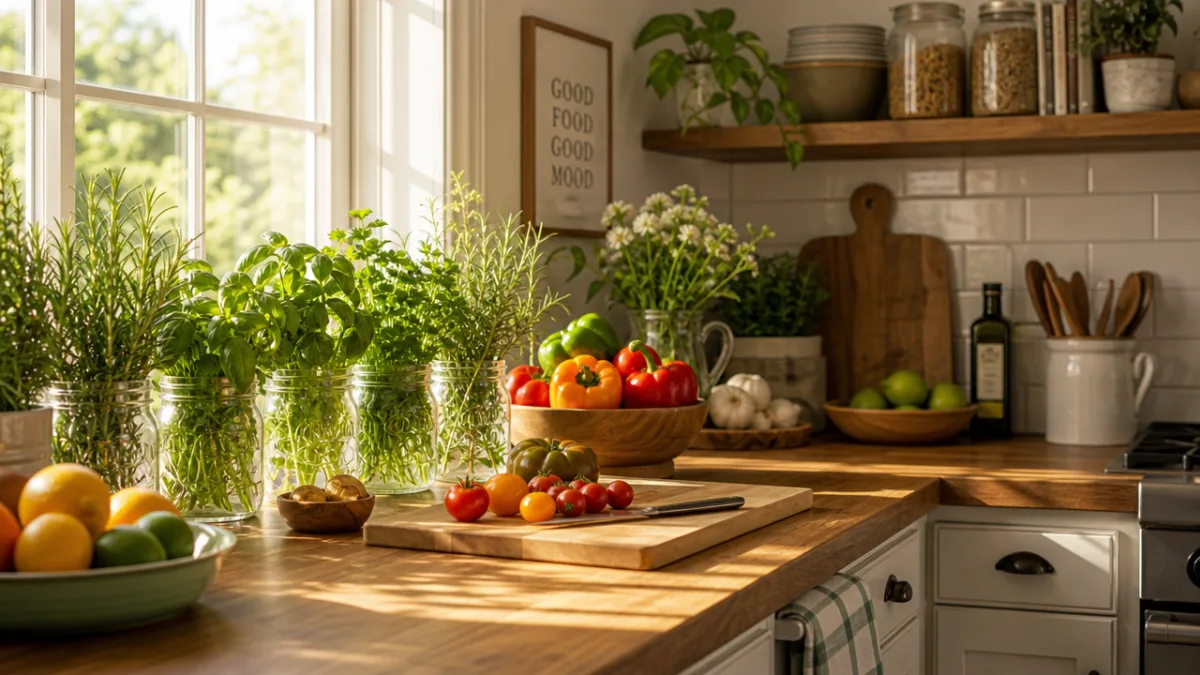
Herbs are notoriously difficult to keep fresh after purchase, but treating them like cut flowers makes a remarkable difference. Place soft herbs such as cilantro, parsley, and basil in a glass of water, cover loosely with a plastic bag, and store them in the refrigerator door. Basil, which is sensitive to cold, does better at room temperature on the counter. Hardy herbs like rosemary and thyme can be wrapped in a slightly damp paper towel and stored in a sealed bag in the crisper drawer. Using these methods, you can extend herb life from a few days to two or even three weeks.
For cheese and bread, the enemies are moisture and air exposure respectively. Wrap cheese in wax paper or parchment paper rather than plastic wrap, which traps moisture and accelerates mold growth. Store bread at room temperature in a fabric bag or wrapped in a clean cloth to allow it to breathe while retaining a soft crust. Avoid the refrigerator for bread entirely, as the cold temperatures actually accelerate staling by causing starch molecules to crystallize faster at that temperature range than at room temperature.
- Store onions and potatoes separately, as onions emit gases that cause potatoes to sprout prematurely.
- Add a dry paper towel to bags of salad greens to absorb excess moisture and prevent premature wilting.
- Rub a thin layer of butter on the cut surface of hard cheeses to seal them between uses.
- Freeze leftover tomato paste in tablespoon-sized dollops on a lined tray, then transfer to a bag for easy portioning.
- Keep avocados from browning by storing them with the pit intact and placing them cut-side down on a plate.
Freezing is one of the most powerful tools in your food preservation arsenal, and most people underutilize it significantly. You can freeze almost anything from grated cheese and cooked grains to citrus juice and fresh ginger. Pour leftover coffee into ice cube trays and freeze it for iced coffee that does not become diluted. Blend overripe bananas and freeze them in portions for smoothies or baking. Grate ginger directly from frozen into your dishes without peeling, since the skin grates away harmlessly and the frozen state makes the root much easier to handle.
Natural Cleaning Solutions from Your Kitchen Pantry
Commercial cleaning products line entire supermarket aisles and come with significant costs, both financial and environmental. Yet the most effective cleaning agents in history predate the chemical industry by millennia. White vinegar, baking soda, lemon juice, salt, and castile soap can handle the vast majority of household cleaning tasks with results that rival or exceed their synthetic counterparts. Making the switch to pantry-based cleaners also eliminates the exposure to harsh fumes and potentially harmful chemical residues that come with many conventional products.
A mixture of equal parts white vinegar and water in a spray bottle creates an all-purpose cleaner that is effective on countertops, glass, appliances, and most hard surfaces. For stubborn stove grease, apply undiluted dish soap mixed with a small amount of baking soda, let it sit for ten minutes, and then scrub. The combination creates a mild abrasive action that lifts baked-on residue without scratching stainless steel or ceramic surfaces. For microwave interiors, place a bowl of water with several lemon slices inside and microwave on high for three minutes. The steam softens dried food splatter and the citrus neutralizes odors, making cleanup effortless with just a wipe-down.
Baking soda is perhaps the single most versatile cleaning substance available. Its mild alkalinity makes it effective at neutralizing acidic odors in refrigerators, trash cans, and carpets. Sprinkled on a damp sponge, it gently scrubs surfaces without scratching. Mixed into a paste with water, it removes tea and coffee stains from mugs, brightens grout lines, and polishes silver. Poured down a drain followed by a cup of vinegar and then flushed with hot water, it clears mild blockages and deodorizes pipes in a way that is far safer for your plumbing and the environment than chemical drain cleaners.
- Mix one part castile soap with ten parts water for a gentle all-purpose spray safe for wood surfaces.
- Rub a lemon half dipped in salt over cutting boards to disinfect and deodorize naturally.
- Use crumpled newspaper with a small amount of vinegar solution to clean windows streak-free.
- Sprinkle cornstarch on grease stains on fabric before laundering to absorb oil before washing.
- Place activated charcoal packets in musty closets and drawers to absorb moisture and odors passively.
For bathroom cleaning, the combination of hydrogen peroxide and baking soda tackles soap scum, mildew, and hard water deposits with impressive efficiency. Apply a paste to grout lines, leave it for fifteen minutes, scrub with an old toothbrush, and rinse. The gentle bubbling action of hydrogen peroxide penetrating porous grout lifts embedded grime that mechanical scrubbing alone cannot dislodge. This same paste applied to showerheads and faucet fittings dissolves mineral deposits from hard water, restoring water pressure and shine without any chemical drain-safe concerns.
Garden and Outdoor Hacks Using Kitchen Waste
The gap between your kitchen and your garden is shorter than most people realize. What looks like waste from food preparation is often rich with nutrients, minerals, and biological activity that garden soil and plants crave. Developing the habit of seeing kitchen scraps through the lens of garden potential transforms your relationship with both spaces simultaneously, reducing what you send to landfill while reducing what you spend at the garden center. This circular approach to household management is among the most genuinely satisfying lifestyle shifts a homeowner can make.
Coffee grounds are one of the most talked-about kitchen additions for the garden, and the enthusiasm is well-earned. Used coffee grounds are slightly acidic, rich in nitrogen, and have a texture that improves soil drainage while attracting earthworms. Scatter them around acid-loving plants such as blueberries, azaleas, camellias, and roses. Mix them into compost where they contribute nitrogen to balance carbon-rich materials like dried leaves and cardboard. They also act as a mild deterrent to slugs and snails, which dislike moving across the gritty texture. Spread a thin layer around vulnerable seedlings as a protective barrier during the growing season.
Eggshells deliver calcium carbonate to the soil as they break down, a mineral essential for strong cell wall development in fruiting vegetables like tomatoes, peppers, and squash. Calcium deficiency in tomatoes causes the frustrating condition known as blossom end rot, characterized by the black, sunken patches that appear on the base of fruit. Crushing eggshells finely and working them into the planting hole when transplanting tomatoes can significantly reduce this problem. Additionally, coarsely crushed eggshells placed around the base of plants create a physical deterrent that slugs and soft-bodied insects find uncomfortable to cross.
- Steep banana peels in water for 48 hours to create a potassium-rich liquid fertilizer for flowering plants.
- Use cooking water from boiled vegetables, once cooled, to water plants and deliver dissolved minerals to the soil.
- Pour leftover club soda onto outdoor plants, as the carbonation and minerals may stimulate growth.
- Bury citrus peels near ant colonies or trails, as the d-limonene compound repels ants naturally.
- Mix wood ash from cooking fires into compost to raise pH and add potassium and calcium to acidic soils.
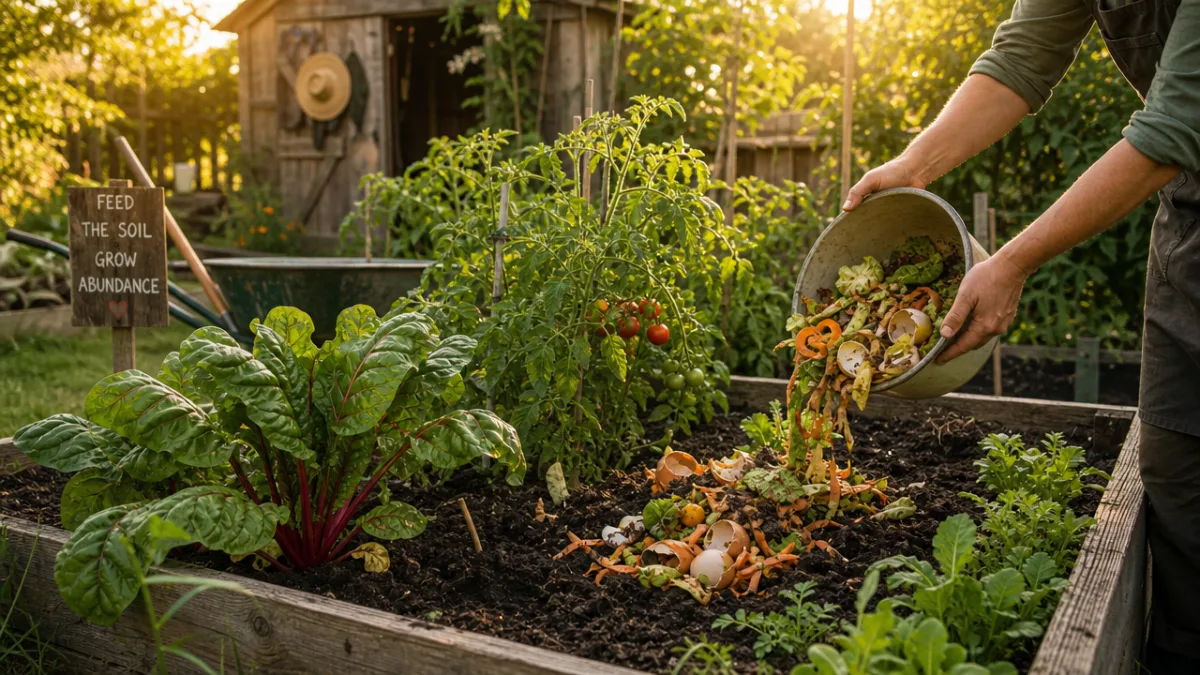
Composting is the master kitchen-to-garden hack that encompasses all the others. Establishing even a small compost system, whether an outdoor bin, a worm farm, or a Bokashi container for apartment dwellers, creates an ongoing cycle where kitchen scraps become the richest possible amendment for garden soil. Fruit and vegetable scraps, tea bags, coffee grounds, cardboard egg cartons, paper towels, and even hair and nail clippings are all compostable. The resulting finished compost feeds soil biology, improves structure, retains moisture, and reduces the need for synthetic fertilizers in ways that nothing manufactured can replicate.
Kitchen Tools Repurposed for Creative Home Uses
Kitchen utensils and tools are designed to be durable, precise, and versatile, qualities that translate beautifully to tasks far beyond the kitchen. Many tools that live in kitchen drawers collecting dust between cooking sessions are perfectly suited to craft projects, home repairs, gardening, and organization challenges elsewhere in the house. Reconsidering what your tools are capable of is a straightforward way to reduce clutter and expense while adding unexpected functionality to everyday objects you already own.
A simple silicone muffin tin can serve as a desk organizer, a craft supplies sorter, a paint palette, a seed-starting tray for small seedlings, or a compartmentalized tray for nuts, bolts, and small hardware during a repair project. The flexible silicone material makes cleanup effortless regardless of what you put in it, and the defined compartments impose a satisfying order on scattered small items. Similarly, a colander can serve as a hanging planter for succulents or herbs, with excellent drainage built in by design. Lined with coconut coir or burlap and filled with potting mix, it creates a charming and completely functional vessel for either indoor or outdoor growing.
Wooden skewers and chopsticks have garden uses that many people never consider. Inserted into the soil beside seedlings, they act as plant stakes that gently guide growth upward. Pushed into a pot of soil and covered with a cut plastic bottle, they create a simple greenhouse dome that protects tender seedlings from cold. Placed horizontally across the rim of a pot, they can support netting or row cover fabric to protect plants from birds and insects. Rubber bands, twist ties, and kitchen twine, all staples of the kitchen junk drawer, are similarly useful in the garden for training climbing plants and securing stakes.
- Use a melon baller to scoop out perfect spheres for bath bombs or chocolate truffles for gifting.
- Repurpose a mandoline slicer to create uniform wood veneer strips for small craft or repair projects.
- Use a digital kitchen thermometer to check soil temperature for optimal seed germination timing.
- Hang a pegboard with S-hooks near a workbench using the same system as a well-organized kitchen.
- Use a salad spinner to dry freshly washed delicate fabrics, small stuffed toys, or hand-washable items.
Ice cube trays have become one of the most celebrated repurposed kitchen items, and for good reason. Beyond freezing water and coffee, they can freeze herb-infused oil or butter for convenient portioned cooking additions. They can hold small jewelry pieces, keep craft supplies sorted by color or type, freeze baby food purees in perfect single-serving portions, or store leftover sauces and stocks. The small, defined compartments that make ice cube trays functional for freezing also make them ideal for any context where you need to keep small items separated, accessible, and neatly arranged.
Time-Saving Cooking Techniques That Change Everything
Efficiency in the kitchen does not require sacrificing quality. In fact, many of the smartest cooking techniques actively improve results by working with the natural properties of ingredients rather than against them. Batch cooking, for instance, is less about making large quantities of the same meal and more about preparing versatile components, roasted vegetables, cooked grains, marinated proteins, and flavor bases like caramelized onions or sofrito, that can be combined in different ways throughout the week to create variety without repetitive effort.
Salting at the right moment is a technique that transforms texture and flavor in ways that seem almost magical to those encountering it for the first time. Salt draws moisture from vegetables through osmosis, which can either be a tool or a problem depending on when you apply it. Salting eggplant and zucchini before cooking removes bitter moisture and creates a firmer texture when cooked. Salting tomatoes before using them in a fresh salad draws out juices that can then be incorporated into a dressing. Conversely, salting meat well in advance of cooking, a technique known as dry brining, allows the drawn moisture to reabsorb along with the salt, seasoning meat deeply and improving its ability to retain moisture during cooking.
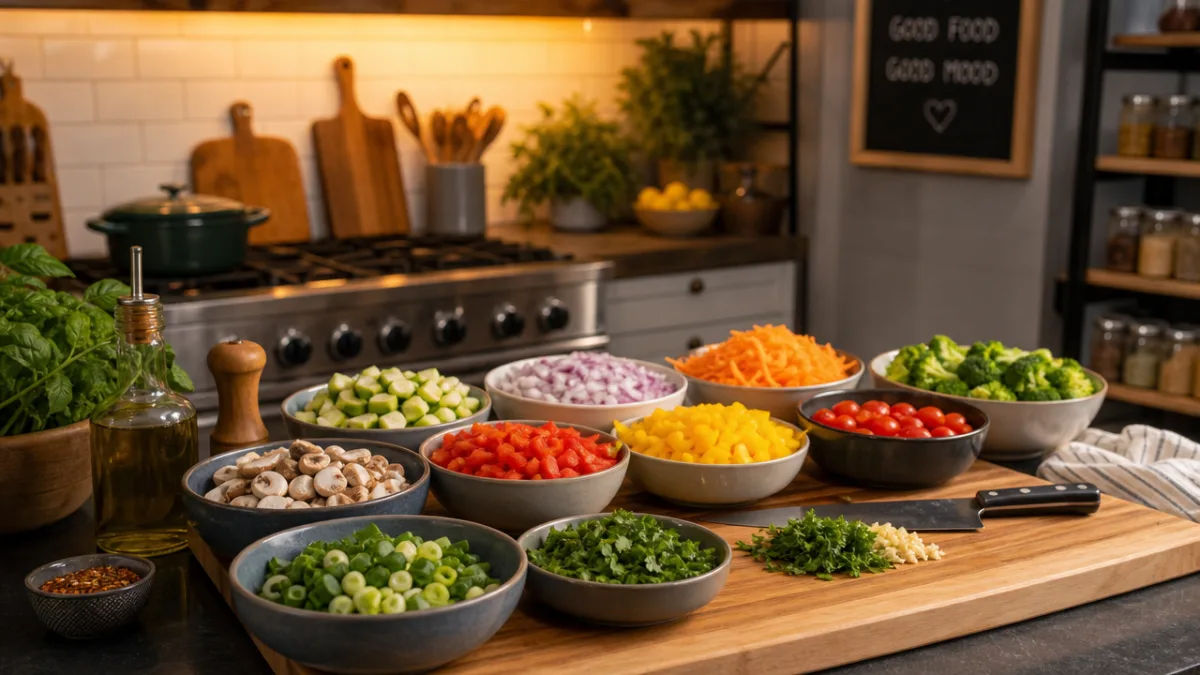
Mise en place, the French culinary principle of preparing and organizing all ingredients before cooking begins, is perhaps the most transformative habit any home cook can adopt. It sounds deceptively simple, yet most home cooks skip it and pay the price in stress, burned food, and missed timing. When everything is chopped, measured, and ready before the heat goes on, cooking becomes a calm, controlled, and enjoyable process rather than a frantic scramble. It also makes cleanup far easier, since you can wash and put away prep tools while things cook rather than facing an entire kitchen of scattered items when the meal is finished.
- Rest meat for at least five minutes after cooking to allow juices to redistribute, resulting in a juicier result when sliced.
- Toast spices in a dry pan before adding them to dishes to release their volatile oils and dramatically deepen flavor.
- Deglaze your pan after cooking proteins with wine, stock, or even water to create an instant sauce from flavorful browned bits.
- Use the pasta cooking water, rich with dissolved starch, to emulsify and thicken pasta sauces beautifully.
- Bloom dried chilies or tomato paste briefly in oil before adding other liquids to deepen and round their flavor contribution.
The pressure cooker or electric multi-cooker has quietly revolutionized weeknight cooking for millions of households, and its capabilities extend well beyond what most owners explore. Dried beans that would normally require overnight soaking and ninety minutes of simmering cook perfectly in thirty minutes from dry. Stocks that benefit from hours of gentle extraction are ready in forty-five minutes with superior depth of flavor. Tough, inexpensive cuts of meat that require three or more hours of braising in a conventional oven become tender and richly flavored in under an hour under pressure. Investing time in learning the full range of your pressure cooker dramatically expands your weeknight repertoire without adding to your weeknight time commitment.
Understanding heat management is the foundation upon which all other cooking techniques rest, and it is the single most common gap in the skill set of home cooks. The difference between a golden, crisp sear and a pale, steamed exterior on a piece of protein is almost entirely a function of temperature and moisture control. A pan must be preheated before fat is added, and fat must be heated before protein is added. The surface of the food must be as dry as possible, because surface moisture converts to steam before browning can begin. These simple principles, once internalized, elevate the quality of nearly every savory dish you prepare without requiring new ingredients, equipment, or recipes of any kind.








What do you think?
It is nice to know your opinion. Leave a comment.