










10 Cheap DIY Home Decor Ideas to Transform Your Space on a Budget
Why DIY Home Decor Makes More Sense Than Ever
In a world where the cost of living continues to rise and home furnishings have become increasingly expensive, the appeal of do-it-yourself home decor has never been stronger. More and more homeowners and renters alike are discovering that with a little creativity, some basic supplies, and a willingness to get their hands dirty, they can create stunning, personalized spaces without spending a fortune at big-box furniture stores. The satisfaction of looking around a room and knowing that you built, painted, or crafted what you see is a reward that no store-bought item can fully replicate.
DIY home decor is not just about saving money, though that is certainly a major benefit. It is also about expressing your unique personality and aesthetic sensibility in ways that mass-produced furniture and decor simply cannot match. When you make something yourself, you have complete control over the colors, dimensions, textures, and materials. You can tailor every piece to suit the exact dimensions of your space and the specific mood you want to create, resulting in a home that feels genuinely yours rather than a replica of a showroom floor.
The digital age has made DIY home decor more accessible than ever before. Platforms like Pinterest, YouTube, and Instagram are overflowing with tutorials, inspiration boards, and step-by-step guides that can walk even a complete beginner through relatively complex projects. You do not need to be a skilled carpenter or an experienced painter to achieve beautiful results. All you need is curiosity, patience, and a willingness to experiment. This article will walk you through ten of the most effective, budget-friendly DIY home decor ideas that can genuinely transform the look and feel of your home.
Upcycling and Repurposing: Giving Old Items New Life
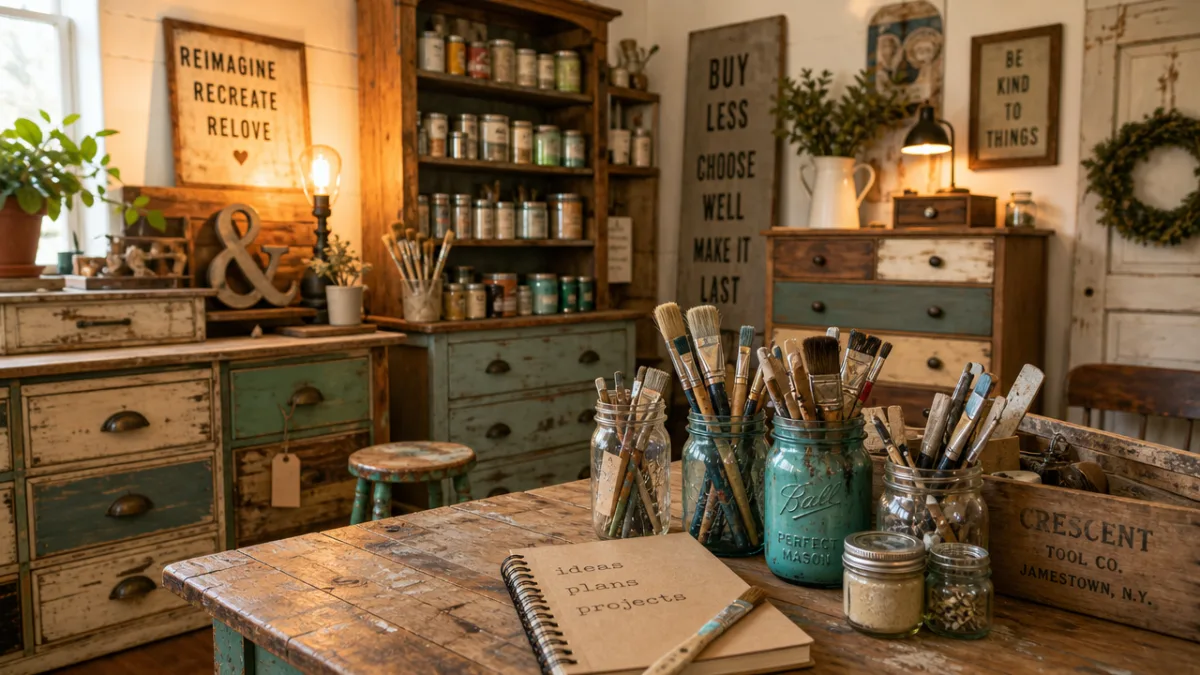
One of the most powerful and cost-effective approaches to DIY home decor is upcycling — the practice of taking old, worn, or discarded items and transforming them into something beautiful and functional. Before you throw anything away, ask yourself whether it could be sanded, painted, reupholstered, or repurposed in some creative way. An old wooden ladder can become a rustic blanket rack. A collection of mismatched picture frames, painted in the same color, can become a stunning gallery wall. Glass jars can be turned into candle holders, vases, or storage containers with minimal effort and almost no cost.
Thrift stores, garage sales, and online marketplaces like Facebook Marketplace and Craigslist are treasure troves for upcycling projects. You can often find solid wood furniture for just a few dollars that, after a coat of chalk paint and some new hardware, looks as though it came from a high-end boutique. The key is to look past the current condition of an item and envision its potential. A scratched dresser with bad veneer might have beautiful bones. An outdated wicker chair might just need new cushions and a coat of spray paint to become a statement piece in a boho-inspired living room.
Upcycling also carries an environmental benefit that aligns with the growing movement toward sustainable living. Every item you rescue from the landfill and give a second life to is one fewer item that needs to be manufactured, shipped, and packaged. This makes upcycling not only financially smart but ethically satisfying. As you build your collection of upcycled pieces, you will find that your home begins to tell a story — a layered, textured narrative made up of objects with history and character that no flat-pack furniture could ever convey.
DIY Wall Art: Creating Visual Impact Without the Gallery Price Tag
Walls are the single largest canvas in any room, and how you treat them has an enormous impact on the overall atmosphere of your home. Professional art and custom prints can be prohibitively expensive, but there are dozens of ways to create stunning wall art entirely on your own. Abstract canvas painting, for instance, requires no formal art training whatsoever. A few tubes of acrylic paint, a canvas from a dollar store or craft shop, and some basic brushes or even a palette knife are all you need to create a piece that looks intentional and visually compelling.
Beyond painting, there are numerous other DIY wall art techniques worth exploring. Macramé wall hangings have surged in popularity over the past several years, and for good reason — they add texture, warmth, and a handcrafted quality to any space. A basic macramé piece requires only a wooden dowel, some cotton rope, and a simple knotting technique that can be learned in an afternoon. Similarly, botanical prints made by pressing and framing leaves or flowers are an elegant and virtually free way to bring the beauty of nature indoors. Arranged in matching frames, they create a cohesive, sophisticated look.
Typography art is another highly accessible option for DIY Wall Decor. Using free design tools like Canva, you can create bold, aesthetically pleasing text-based prints featuring quotes, song lyrics, family names, or coordinates that are meaningful to you. Print them at a local print shop or even on your home printer, frame them, and you have custom art for under five dollars per piece. Grouping several of these together in a gallery arrangement can fill an entire wall with personality and meaning, making a space feel thoughtful and curated at a fraction of the cost of purchased art.
Budget-Friendly Textiles: Rugs, Cushions, and Curtains That Elevate Your Space
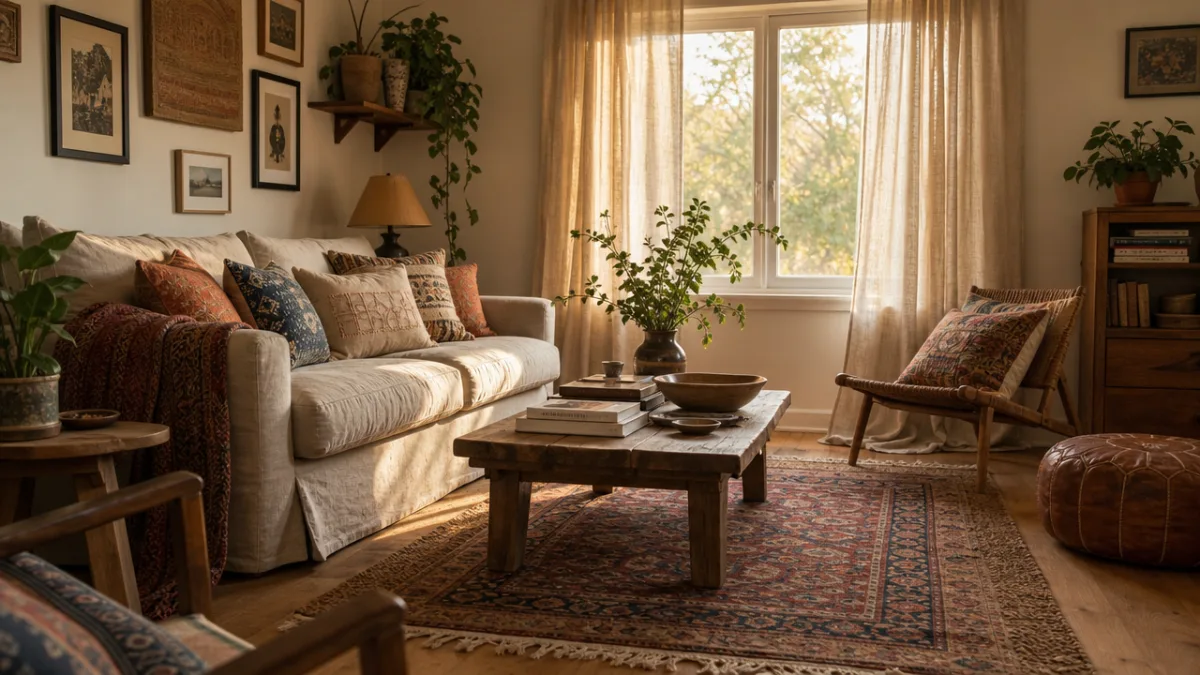
Textiles are one of the quickest and most dramatic ways to change the feel of a room, and making or customizing your own can save you a significant amount of money. Plain curtain panels from discount stores can be transformed with fabric dye, iron-on trim, or simple sewing techniques into something that looks custom-made. Adding a bold contrasting border to the bottom of a plain white linen curtain, for example, takes only a few minutes and creates a tailored, polished effect that elevates the entire room. Floor-length curtains hung high above the window frame also create the illusion of taller ceilings, making a space feel larger and more luxurious.
Throw cushions are another area where DIY can make a major difference. Cushion covers are among the simplest sewing projects there are — essentially just two rectangles of fabric sewn together with a zipper or envelope closure. Even if you have never touched a sewing machine, this is an achievable beginner project that can be completed in a single afternoon. Choosing fabric in colors and patterns that tie your room’s palette together can give a disjointed space a sudden sense of cohesion. You can also refresh tired, stained cushion covers with a new outer layer rather than replacing the entire cushion insert, reducing waste and cost simultaneously.
When it comes to rugs, the DIY possibilities are equally exciting. Tufted rugs, braided rugs made from old t-shirts, and painted rug designs applied to inexpensive canvas drop cloths are all popular and achievable projects. A painted canvas drop cloth rug, sealed with a few coats of polyurethane for durability, can mimic the look of a high-end geometric or abstract rug for under twenty dollars. These rugs are also easy to clean and surprisingly durable, making them a practical as well as beautiful addition to any room in the house.
Plants and Greenery: The Most Affordable Decor Element of All
If there is one decor element that is universally flattering, endlessly versatile, and available at a price point that suits almost any budget, it is plants. Living greenery adds life, color, texture, and even air quality benefits to any space, and the range of available plants means there is something suitable for every light condition and lifestyle. From low-maintenance succulents and air plants that require almost no care, to lush trailing pothos or dramatic fiddle-leaf figs that make an immediate visual statement, plants are one of the most powerful tools in the DIY decorator’s arsenal.
The pots and planters you choose are as much a part of the decor as the plants themselves, and this is where DIY creativity can really shine. Terracotta pots are inexpensive and can be painted, dipped in paint for a color-blocked effect, or wrapped in twine or jute for a bohemian look. Concrete planters can be made at home using molds and basic concrete mix for just a few dollars each. Hanging planters made from macramé, leather cord, or even old colanders can add vertical interest to a room and make use of ceiling space that would otherwise go unnoticed. The combination of DIY planters and thriving plants creates a layered, organic richness that is very difficult to replicate with artificial materials.
Propagating plants from cuttings is another excellent strategy for the budget-conscious decorator. Many popular houseplants, including pothos, spider plants, tradescantia, and succulents, can be propagated simply by placing a cutting in water or moist soil. This means that once you own one plant, you effectively have an endless supply of new plants to fill your home, gift to friends, or swap with fellow plant enthusiasts. Plant swaps and community groups on social media are also wonderful resources for acquiring interesting or rare plants at no cost, building a diverse and visually interesting indoor garden without spending more than the price of a few pots of soil.
Lighting Hacks: How Affordable Fixtures and DIY Solutions Set the Mood
Lighting is perhaps the most underestimated element of interior design, and yet it has the power to completely transform the mood and perceived quality of any space. The good news is that dramatic lighting improvements do not require an electrician or a large budget. One of the simplest and most impactful changes you can make is to swap out the bulbs in your existing fixtures for warm-toned LED bulbs. Cool, bluish light makes a space feel sterile and unwelcoming, while warm light in the 2700K to 3000K range creates a cozy, inviting atmosphere that makes even basic decor look its best.
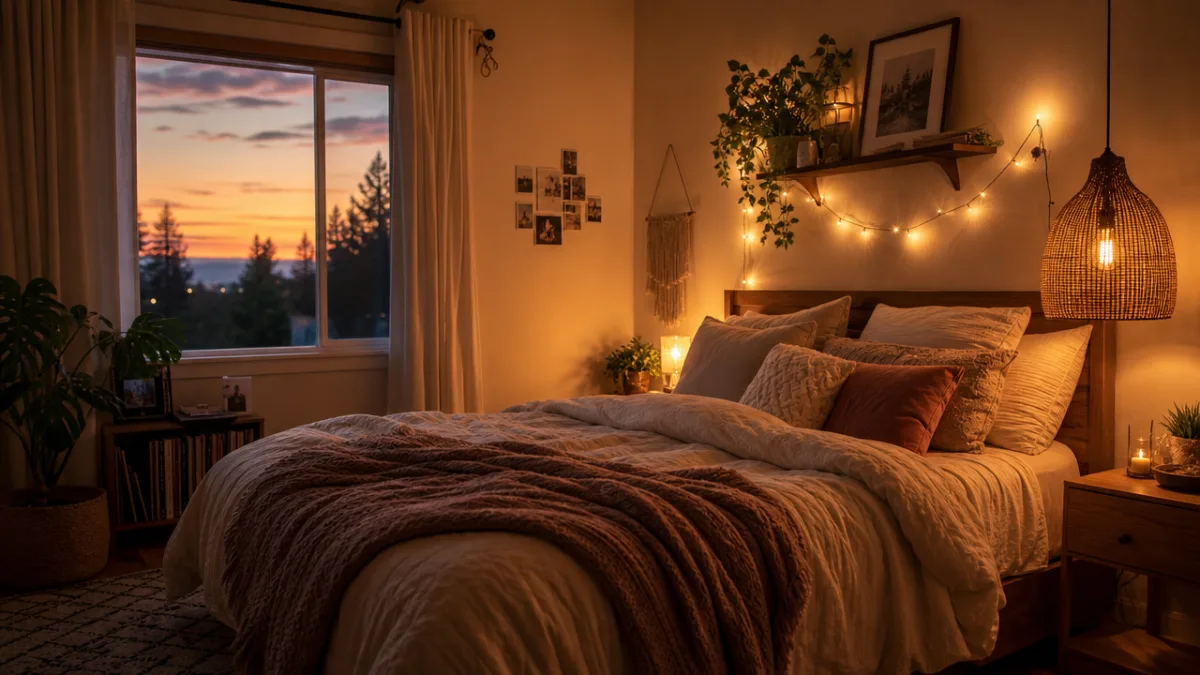
String lights, fairy lights, and LED strip lights are affordable tools that can be used in dozens of creative ways to add warmth and character to a room. Draped over a headboard, tucked behind a sheer curtain, wound through a bookshelf, or arranged inside a glass jar, string lights create a soft, magical glow that is endlessly charming. LED strip lights installed behind a television, underneath a bed frame, or along the underside of kitchen cabinets create a modern, atmospheric effect sometimes called bias lighting, which is both visually appealing and said to reduce eye strain during screen use.
For those willing to take on a slightly more involved project, making your own pendant light shade is a surprisingly achievable DIY that can create a true focal point in a room. Pendant kits with cords, sockets, and canopy covers are available for just a few dollars at hardware stores and online, and they can be paired with almost anything to create a custom shade — a paper lantern, a woven basket, a ceramic bowl with a hole drilled through the bottom, or even a bundle of driftwood or dried botanicals. The result is a one-of-a-kind light fixture that looks as though it came from a boutique design store, created for a fraction of the price.
Simple Carpentry and Shelving: Functional Decor That Doubles as Storage
Some of the most visually impactful DIY home decor projects are also the most functional, and simple carpentry falls squarely into this category. Floating shelves, for instance, are relatively straightforward to install and immediately add both storage and display space to any room. Wooden boards cut to length at your local hardware store, paired with basic bracket hardware and wall anchors, can be installed in an afternoon with just a drill and a level. Styled with books, plants, candles, and small objects, a set of floating shelves transforms a blank wall into a dynamic and personal display.
Shiplap and board-and-batten accent walls are two other carpentry-based projects that have a hugely dramatic effect on the look of a room without requiring advanced skills. Shiplap can be achieved with inexpensive pine boards from the lumber yard, painted and installed in overlapping horizontal rows to create a warm, farmhouse-inspired texture. Board-and-batten uses vertical strips of wood in a regular pattern to add architectural interest to an otherwise plain wall and makes a particularly strong statement in entryways and dining rooms. Both techniques add depth and character that paint alone cannot achieve.
Even smaller carpentry projects like building a simple wooden tray, a basic picture ledge, or a coat hook rail from reclaimed wood can have a meaningful impact on the organization and aesthetics of your home. These projects typically require only a saw, some sandpaper, wood glue or screws, and a finish of your choice — whether paint, stain, or oil. The skills you build with each small project accumulate over time, gradually expanding your capability to take on larger and more complex DIY endeavors. What begins as a simple floating shelf can grow into a built-in bookcase, a custom headboard, or an entirely reconfigured room layout driven by your own hands and vision.
Bringing It All Together: Creating a Cohesive DIY Home
The real magic of DIY home decor happens when the individual projects you create begin to work together as a unified whole. Achieving this cohesion does not require a degree in interior design — it simply requires a little intentionality about color, texture, and scale. Before you begin any project, it helps to define a simple color palette for your space, typically two or three main colors and one or two accent shades. When your wall art, your textiles, your plant pots, and your furniture all share references to the same palette, the room reads as thoughtfully designed rather than randomly assembled.
Mixing textures is equally important in creating a space that feels rich and layered. A room that contains only smooth, flat surfaces feels cold and incomplete, while a room that combines wood, fabric, ceramic, metal, and organic materials like dried botanicals or woven baskets feels warm, lived-in, and inviting. As you work through your DIY projects, aim to introduce a variety of textures at different heights and scales throughout the room. A rough-hewn wooden shelf, a smooth painted vase, a chunky knit throw, and a sleek metal lamp can all coexist beautifully when they share a common color language.
Finally, do not underestimate the power of editing. One of the most common mistakes in home decor — DIY or otherwise — is overcrowding a space with too many objects. As your collection of handmade and upcycled pieces grows, be selective about what you display. Rotate items seasonally, store pieces that are not currently serving the room, and leave deliberate empty space that allows the eye to rest and the truly special pieces to shine. A home decorated with intention and restraint, filled with objects that have been made with care and chosen with purpose, will always feel more beautiful and welcoming than one that is simply full.








What do you think?
It is nice to know your opinion. Leave a comment.