










Transform Your Garden: Easy DIY Raised Bed Ideas for Stunning Growth
Why Raised Beds Are a Game-Changer for Home Gardeners
If you’ve ever struggled with compacted soil, poor drainage, or the back-breaking work of traditional in-ground gardening, a raised bed might be exactly the solution you’ve been looking for. Raised beds elevate your growing space — literally and figuratively — giving you complete control over soil quality, drainage, and the overall growing environment. Whether you have a sprawling backyard or a compact urban patio, there is a raised bed design that fits your space and your lifestyle perfectly.
Beyond the practical benefits, raised beds bring a sense of intentionality and beauty to any outdoor space. A well-designed raised bed transforms a plain lawn into a productive, organized garden that looks as good as it performs. Gardeners who make the switch almost universally report higher yields, fewer weeds, and far less frustration compared to traditional row gardening. The investment of time and materials pays dividends in every growing season that follows.
The psychological benefit of gardening in a raised bed is worth mentioning too. When your growing space is clearly defined and manageable in scale, it becomes far less overwhelming to maintain. You’re more likely to check on your plants daily, catch problems early, and stay engaged with the process from seed to harvest. That ongoing connection with your garden is one of the greatest rewards of the raised bed approach, and it’s something even experienced gardeners rediscover with fresh enthusiasm each spring.
Key Benefits at a Glance
- Better drainage and aeration compared to native soil
- Easier to amend and improve soil quality each season
- Reduced weed pressure from surrounding lawn or ground cover
- Warmer soil temperatures in spring for earlier planting
- Less physical strain due to reduced bending and kneeling
- Cleaner, more organized garden aesthetic year-round
Choosing the Right Materials for Your DIY Raised Bed
The material you choose for your raised bed determines its longevity, appearance, and the overall investment you’ll make upfront. Cedar is widely regarded as the gold standard for wooden raised beds because of its natural resistance to rot and insect damage. Untreated cedar can last anywhere from ten to twenty years depending on your climate, making it a cost-effective choice over the long term despite its higher initial price compared to pine or other softwoods. If you want something that looks warm and natural and will age gracefully in the garden, cedar is hard to beat.
Galvanized steel raised beds have surged in popularity in recent years, and for good reason. They are nearly indestructible, resist rust for decades with proper coating, and bring a clean, modern aesthetic to the garden that works beautifully in contemporary outdoor spaces. Steel beds heat up quickly in the spring, which can give you a head start on the growing season, though in very hot climates this same quality can stress plant roots near the edges during midsummer. Lining the inside with landscape fabric helps moderate temperature swings and extends the life of the metal.
For budget-conscious gardeners, reclaimed materials offer a creative and cost-effective path to raised bed construction. Old wooden pallets, salvaged railway sleepers, cinder blocks, and even stacked stone can all be fashioned into functional and attractive raised beds. The important caveat when using reclaimed wood is to confirm it hasn’t been treated with hazardous chemicals such as chromated copper arsenate, which can leach into your soil and ultimately into your food. Stick to untreated wood or wood treated with modern, food-safe preservatives, and your reclaimed raised bed will serve you beautifully for years.
Popular Material Options Compared
- Cedar: Best overall for natural look and longevity; moderate to high cost
- Galvanized steel: Maximum durability and modern aesthetic; higher upfront investment
- Pine: Budget-friendly but shorter lifespan; best for beginners testing the concept
- Cinder blocks: Extremely durable, doubles as a herb planting space in the cavities
- Reclaimed wood: Eco-friendly and low cost; requires careful vetting for chemical treatments
- Composite lumber: Rot-resistant and made from recycled materials; increasingly affordable
Designing Your Raised Bed Layout for Maximum Productivity
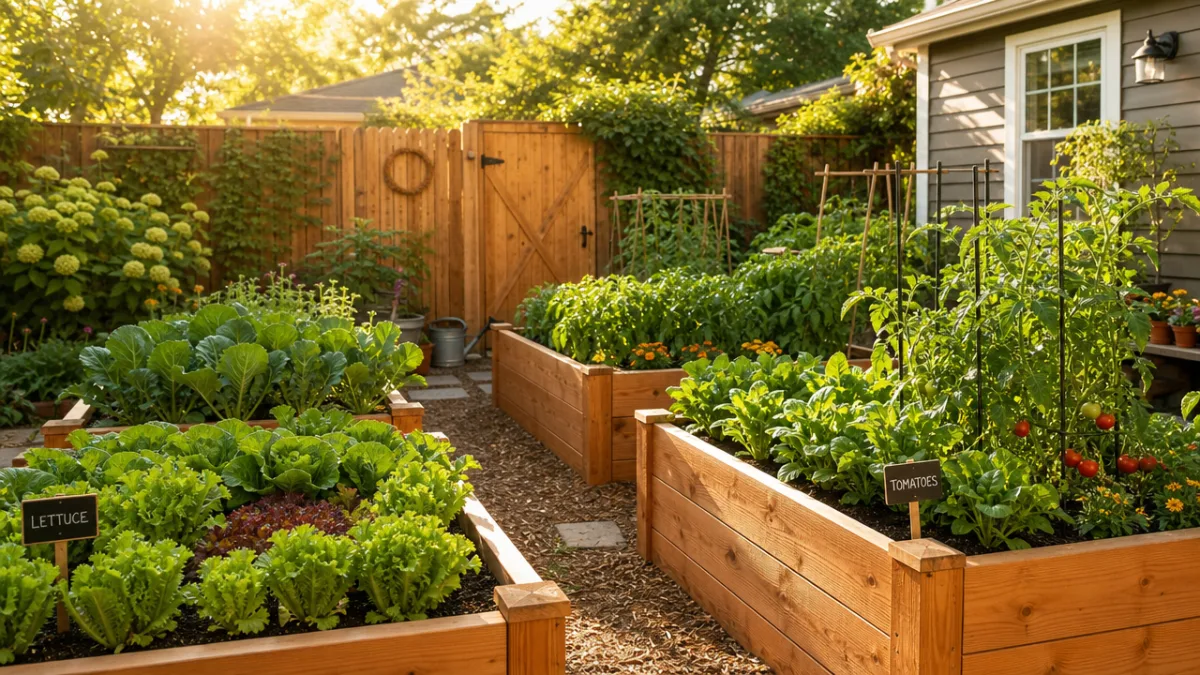
A thoughtful layout is the difference between a raised bed garden that thrives and one that frustrates. The single most important design principle is accessibility: you should be able to reach the center of any bed from the sides without stepping into the growing space. For most adults, this means keeping bed widths at or below four feet. Beds that you can only access from one side — against a fence or wall, for instance — should be no more than two feet wide. These constraints seem limiting at first, but they actually encourage you to think creatively about space and plant placement.
Orientation matters more than many new gardeners realize. Beds oriented north to south allow sunlight to reach both sides of the bed evenly throughout the day, which is particularly important for taller crops like tomatoes, corn, or trellised cucumbers. Placing taller plants on the north end of the bed prevents them from shading shorter neighbors. Paying attention to the natural sun patterns in your yard before you build will save you a season of disappointing performance from plants that never received the light they needed to thrive.
Pathways between beds deserve as much planning as the beds themselves. A minimum of eighteen inches between beds allows comfortable movement, but two feet or more is far more practical when you’re carrying tools, watering cans, or harvesting baskets. Laying down gravel, wood chips, or stepping stones in the paths keeps mud at bay and adds a finished, intentional look to the garden. Some gardeners install drip irrigation lines along these paths from the start, which adds minimal complexity during construction but saves enormous amounts of time and water over the life of the garden.
Creative Layout Ideas
- Keyhole beds: A circular design with a notched entry path for maximum planting density and easy access
- Tiered beds: Stacked beds of descending heights create visual interest on slopes and maximize sun exposure
- L-shaped beds: Great for corner spaces and create natural enclosures for seating or compost areas
- Modular square beds: Simple 4×4 configurations that can expand over time as your garden grows
Filling Your Raised Bed: The Soil Recipe That Makes All the Difference
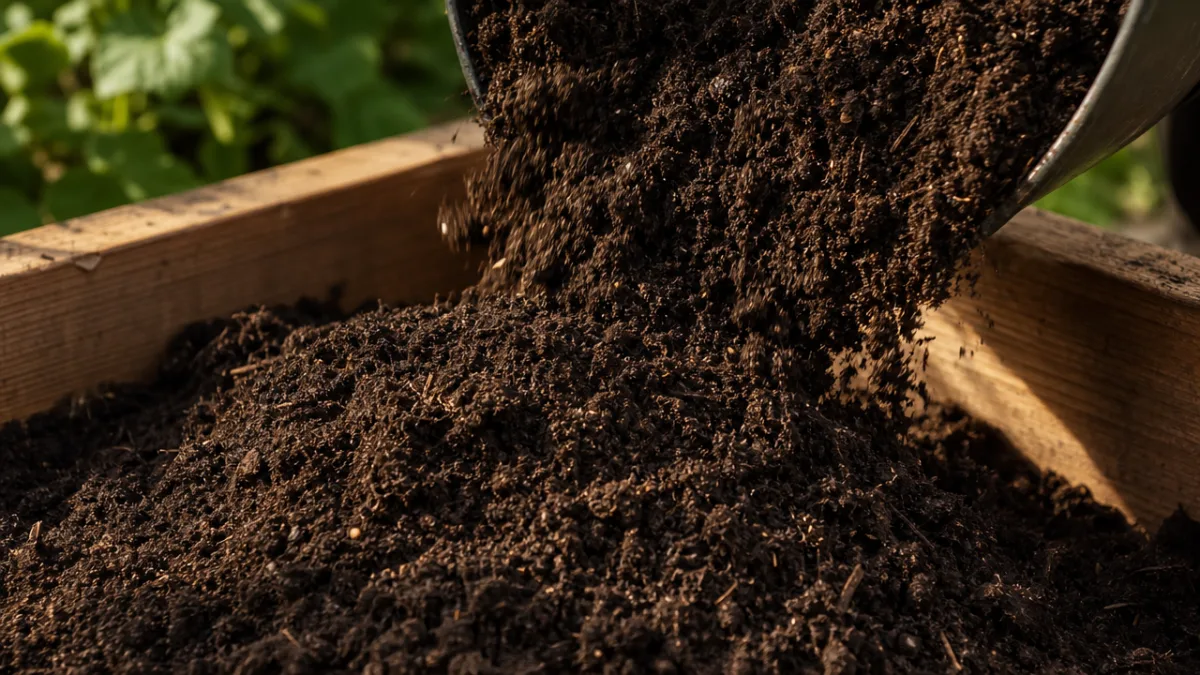
The soil inside your raised bed is entirely within your control, and getting this foundation right is the most impactful thing you can do for your garden’s success. The classic “Mel’s Mix,” popularized by the Square Foot Gardening movement, combines equal parts compost, coarse vermiculite, and peat moss or coconut coir. This blend is light, airy, moisture-retentive without becoming waterlogged, and rich with the microbial life that plants depend on. While it is more expensive to fill a bed with this mix than to use native soil, the improvement in growth and yield more than justifies the cost over time.
For larger raised beds or gardeners working on a tighter budget, a layered approach known as “lasagna gardening” or “hügelkultur” can dramatically reduce the amount of purchased material needed. Hügelkultur involves placing logs, branches, and woody debris at the bottom of a deep raised bed, then layering over these with compost, leaves, and topsoil. As the wood breaks down over years, it creates a spongy, moisture-retaining core that reduces irrigation needs and continuously feeds the plants above with nutrients released by decomposition. It’s a long-game strategy that pays off beautifully after the first season or two.
Soil management is an ongoing practice, not a one-time setup. Each growing season depletes nutrients and organic matter from even the best initial mix, so topping up beds with two to three inches of fresh compost each spring is essential for maintaining fertility. Adding worm castings, aged manure, or a quality slow-release organic fertilizer at the start of each season gives your plants a nutritional foundation that supports strong, healthy growth from germination through harvest. Testing your soil pH every year or two helps you catch imbalances before they become problems, and simple adjustments with lime or sulfur can keep your soil chemistry in the optimal range for most vegetables.
Recommended Soil Additions by Season
- Spring: Fresh compost, worm castings, balanced slow-release organic fertilizer
- Summer: Liquid kelp or fish emulsion every two to three weeks for heavy feeders
- Fall: Chopped leaves, cover crop seeds, and a layer of straw mulch to protect soil biology
- Winter: Green manure crops or a cardboard mulch layer to suppress weeds and prevent erosion
Companion Planting and Vertical Growing Strategies
One of the most underutilized strategies in raised bed gardening is companion planting — the practice of growing mutually beneficial plants in close proximity. The classic “Three Sisters” combination of corn, climbing beans, and squash is perhaps the most famous example: corn provides a structure for beans to climb, beans fix nitrogen in the soil that feeds the corn and squash, and the large squash leaves shade the ground to conserve moisture and suppress weeds. This kind of ecological synergy, built into your planting plan from the start, allows you to grow more food in less space while reducing the need for fertilizers and pesticides.
Beyond companion planting, vertical growing transforms the productivity of a raised bed exponentially. Trellises, cages, teepees made from bamboo poles, and repurposed fencing can be anchored directly to the frame of a raised bed to support climbing plants. Indeterminate tomatoes, cucumbers, pole beans, peas, and even some varieties of squash and melons can all be trained upward rather than allowed to sprawl outward, freeing up the ground plane for lower-growing companions. A single four-by-eight raised bed with a well-designed vertical element can yield as much produce as a much larger in-ground plot, which is a remarkable advantage in small spaces.
Succession planting is the final piece of the productivity puzzle, and raised beds make it especially easy to implement. Instead of planting an entire bed with one crop at once and then facing a simultaneous glut and a bare bed, succession planting involves staggering sowings of the same crop every two to three weeks or swapping in a new crop as soon as one is harvested. Fast-maturing crops like lettuce, radishes, and salad greens can follow heavier feeders like broccoli or cabbage in the same bed within the same season. Planning your succession schedule in advance and keeping a simple garden journal turns a raised bed from a one-crop-per-season space into a nearly year-round production system.
Seasonal Care and Long-Term Maintenance of Your Raised Beds
Maintaining raised beds across the seasons is far simpler than caring for a traditional garden, but it does require consistent attention and a few key practices done at the right times of year. In the spring, before planting begins, take time to inspect the frame or walls of the bed for any signs of rot, warping, or structural weakness. Wooden beds may need a corner brace replaced or a board swapped out every few years, and staying ahead of these small repairs prevents the much larger and more discouraging task of rebuilding an entire bed mid-season. A few minutes of inspection now saves hours of frustration later.
Watering is the daily practice that most determines success in a raised bed, and getting your irrigation approach right early on makes everything easier. Because raised beds drain freely and don’t receive runoff from surrounding soil, they can dry out more quickly than in-ground beds, particularly in warm or windy climates. Installing a simple drip irrigation system on a timer is one of the best investments you can make in your raised bed garden. Drip irrigation delivers water directly to the root zone, reduces fungal disease by keeping foliage dry, conserves water compared to overhead watering, and completely eliminates the daily chore of hand watering during the busy growing season.
As autumn arrives and the main growing season winds down, raised bed gardeners have a wonderful opportunity to set the stage for the following year. Removing spent plants promptly prevents disease and pest organisms from overwintering in the bed. Planting a cover crop such as winter rye, crimson clover, or Austrian winter peas protects the soil surface, adds organic matter, and in the case of legumes, actively improves soil nitrogen levels. In colder climates, a layer of straw mulch over the cover crop or bare soil helps insulate the soil biology and prevents the freeze-thaw cycles that can damage soil structure. Arriving in spring to a bed that was properly put to rest in autumn is one of the great satisfactions of the gardening year.
Annual Raised Bed Maintenance Checklist
- Inspect and repair bed frames or walls before the growing season begins
- Top-dress with two to three inches of fresh compost in early spring
- Test soil pH and adjust as needed before planting
- Set up or inspect drip irrigation lines and timers
- Pull spent plants and debris promptly at season’s end
- Plant cover crops or apply protective mulch before the first hard frost
- Note what worked and what didn’t in a garden journal for future planning
Inspiring Raised Bed Ideas to Spark Your Creativity
Once you’ve built and managed your first raised bed successfully, the creative possibilities become almost limitless. A dedicated herb spiral — a raised bed built in a spiraling mound shape that creates multiple microclimates in a small footprint — is a beautiful and functional addition to any kitchen garden. Mediterranean herbs like rosemary, thyme, and oregano thrive in the drier, faster-draining upper tiers of the spiral, while moisture-loving herbs like mint and parsley settle happily into the damper base. This elegant design packs an impressive variety of plants into a two-to-three square meter footprint while becoming a striking focal point in the garden.
For families with children, a dedicated kids’ raised bed can be one of the most rewarding garden projects you undertake. Building a bed at a child-friendly height — roughly knee level for an adult — and planting it with fast-growing, dramatic crops like sunflowers, cherry tomatoes, rainbow chard, and giant pumpkins gives children an engaging, hands-on connection with the natural world. Children who grow their own food are far more willing to eat vegetables, and the lessons in patience, responsibility, and biology that come from tending a garden are ones they carry forward for life. Decorating the bed frame with painted stones, mosaic tiles, or hand-lettered plant markers gives children creative ownership of their space.
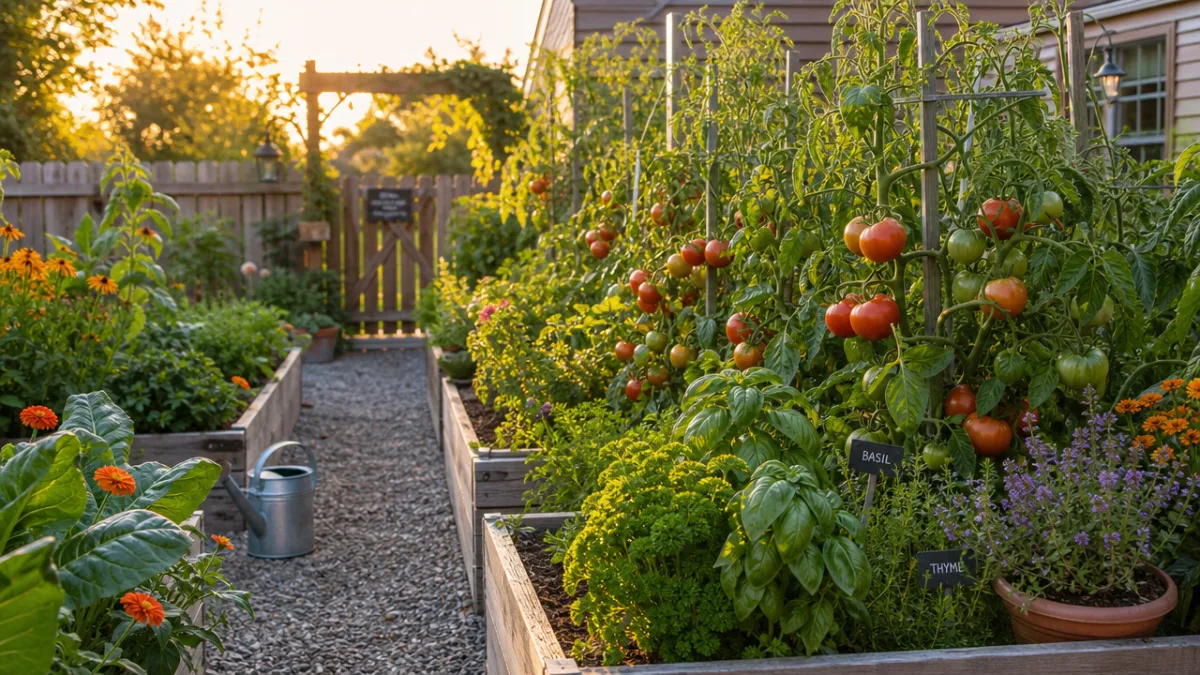
Finally, don’t overlook the aesthetic potential of a well-designed raised bed as a landscaping feature in its own right. Raised beds planted with a mix of edible and ornamental plants — kale alongside marigolds, rainbow chard next to lavender, strawberries tumbling over the edges of a rustic stone bed — blur the line between kitchen garden and flower garden in the most delightful way. This approach, sometimes called “potager” or French kitchen garden style, has been practiced for centuries and proves that productive and beautiful are not competing values in the garden. Your raised beds can be both a source of nourishing food and a space of genuine beauty that you look forward to spending time in every single day.








What do you think?
It is nice to know your opinion. Leave a comment.